

Homeless and migrant patients are being wrongly kicked off GP lists in an attempt to slash NHS spending, The Independent can reveal.
Hundreds of thousands of patients have been removed from practices in England under a new scheme to “clean up” GP lists and identify patients who have left the country.
But concerned doctors say they have been “distressed” to learn that many of their most vulnerable patients have been incorrectly flagged for removal, with one fearing patients with “non-English” names are overwhelmingly being targeted.
Patients affected include those who are homeless, mentally unwell, in unstable housing, have learning disabilities, the elderly, or do not speak English, with no clear reason for why they are being chosen.
GPs in London accounted for more than 40 per cent of the 400,000 patients in England removed from lists between January and June. Practice leaders have warned that those patients could miss out on crucial cancer screening appointments and test results, have their hospital referrals cancelled or have their treatment delayed.
Medics have also warned their practices face losing tens of thousands of pounds in funding because they will lose the £130 per patient annual fee they receive for having them enrolled. Collectively, London surgeries have so far lost £17m.
Dr Lisa Harrod-Rothwell, chair of the Londonwide Medical Committee, which represents London GPs, said: “Practices I know of are very distressed about the impact on their vulnerable people.”

She said the new system assumes patients can receive and respond to NHS correspondence via email, letter or text, but those who are homeless, have learning disabilities, or are elderly or suffer from mental health challenges would not easily be able to object to their removal.
“A lot of our people already have really difficult lives because of poverty or illness, mental illness, people, the people who struggle the most with this type of [scheme] are the people who need the NHS the most.
“Our concern is that this process is going to unintentionally widen our health inequalities,” Dr Harrod-Rothwell said.
NHS England and the Department for Health and Social Care launched the new system to identify patients who may no longer need their local GP in January. It is primarily focused on finding patients who’ve left the country.
But despite asking for details, Londonwide Local Medical Committees, which represents all GP practices in London, have not had confirmation on how patients are being chosen and how long patients are being given to respond.
‘Harming patients’
An analysis of GP lists by the organisation found that while practices’ patient population had consistently grown until November 2025, they have fallen by 181,044 since the scheme launched in January. The LMC said many patients who still need their services are among those flagged for removal.
Dr Lucie Lehane’s Lewisham-based practice had 300 patients flagged for removal in the past six months, the majority of which were patients with non-English names.
She said: “I would say 90 per cent of those names were non-English names… at some point I thought they were only targeting people with non-English names? But found some English-sounding ones. There were people from Romania, there were people from Poland, and they were removed, and they were still [living] here.”
These patients told Dr Lehane they had received the letter but didn’t know what it was about or didn’t understand it.
“We’re worried about patients, [who are] especially vulnerable, especially with safeguarding [issues], especially with children, refugees.”
She said among those flagged for removal were a 49-year-old Polish woman who had been having regular visits to the practice and was waiting for a response to a hospital referral.
If this patient is removed, her test results may not be received, her referral to the hospital may be cancelled, and was at risk of delayed diagnosis or treatment.
Another was a Romanian patient, who had lived at the same address for 18 years, who needed regular appointments to manage diabetes and high blood pressure.
As a result of the removals, Dr Lehane’s practice faces losing £40,000 from its budget – the equivalent of losing two of its six GPs.
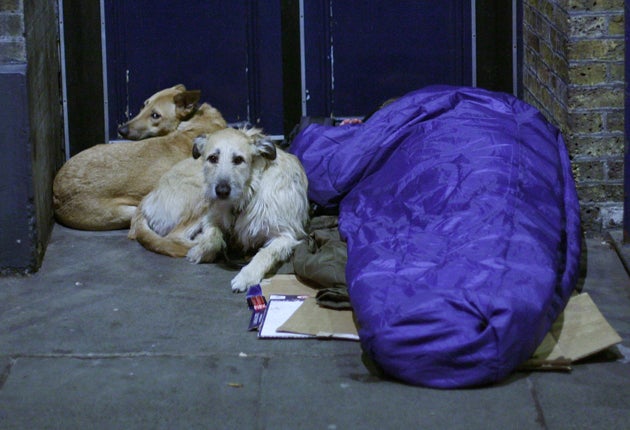
Dr Paul O’Reilly, a GP partner at a practice for homeless patients in Westminster, said 10 per cent of its list was facing removal.
He said: “It’s bad for the patients, because while some of these may be genuine [need for removal], some of them will also be real people, who are being disenfranchised from their access to healthcare.”
Dr O’Reilly added that while it may reduce spending in one area of the GP budget, it will place further pressure on emergency care as patients who cannot access GP services will be forced to turn to A&E
“I can’t see how it fails to harm patients… I think patients will get less well as a result of this.”
When approached for comment, NHS England pointed to a letter sent to GPs last week, which said patients are given “sufficient” time to respond before being removed – although no timeframe is set out.
It added: “Importantly, patients are not removed from a practice list solely because they do not respond to a single communication… In the unlikely event that a patient is removed in error, arrangements are in place to support rapid re-registration and continued access to NHS services.”
NHS England said it was undertaking further work to identify the impact on GP practices. It said maintaining accurate patient lists was important to ensure NHS resources are distributed fairly and that all funding removed would be reinvested in general practice.
.jpg?trim=0,0,0,0&width=1200&height=800&crop=1200:800 "China urges the US to withdraw ‘discriminatory’ new visa policy for foreigners living in the states – UK Times")