





SpaceX is preparing to launch its giant Starship rocket on Thursday, in what will be a critical test of the Mars-bound spacecraft.
The 124-metre-tall rocket will lift off from SpaceX’s Starbase facility in southern Texas on Thursday evening, with the launch window opening at 5:45pm local time (11:45pm BST).
For the first time, the Starship’s second stage will be carrying next-generation Starlink V3 satellites, which it will attempt to deploy in space before the rocket splashes down in the Indian Ocean.
It will mark a world first deployment of the 2 tonne satellites, which are more than twice as heavy as earlier versions.
They are designed to deliver more than 10 times the capacity of Starlink V2 Mini satellites for the space internet network, but are too big to launch from the Falcon 9 rockets that SpaceX has used to launch more than 10,000 Starlinks into orbit.
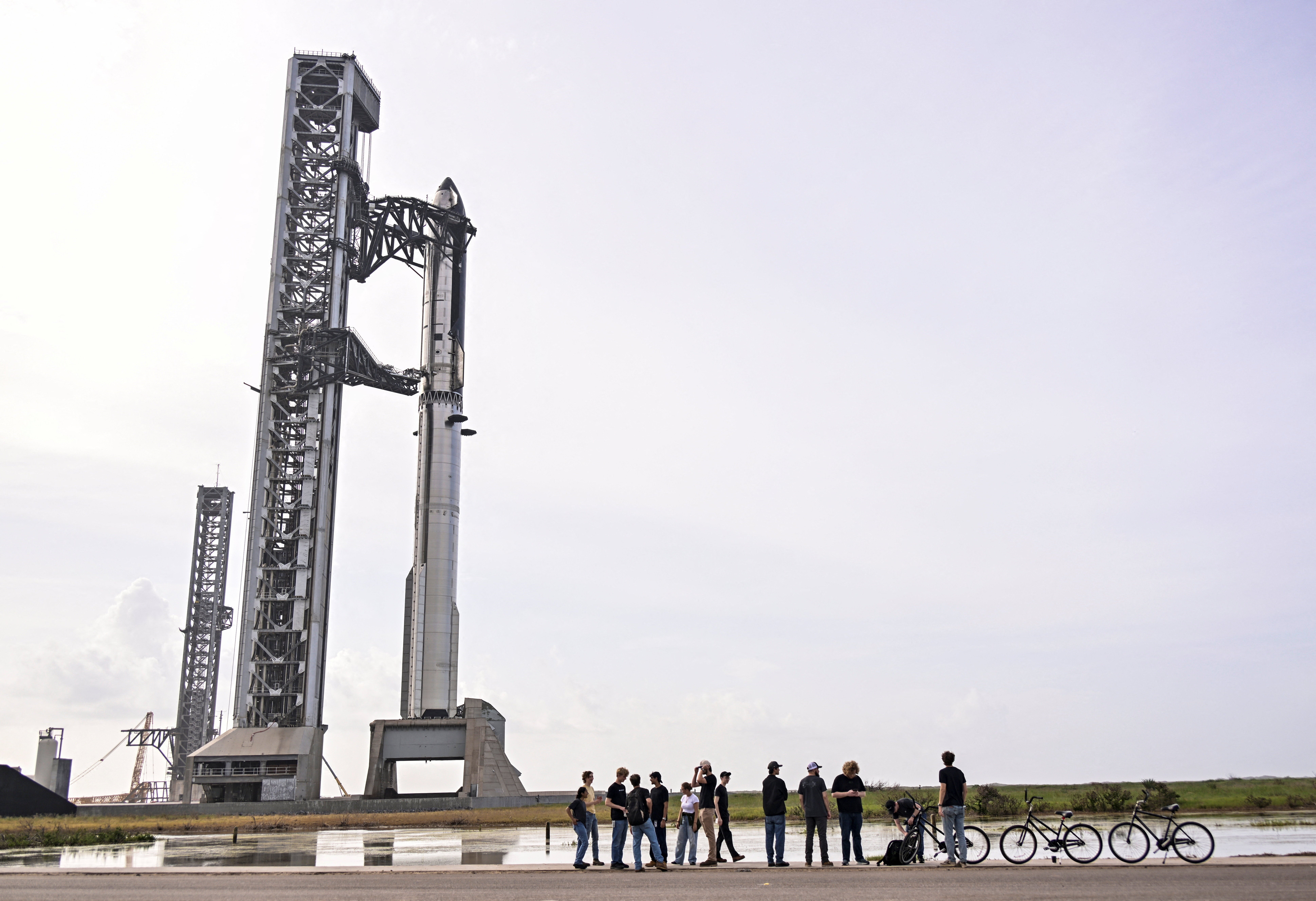
It is the first Starship launch since SpaceX was forced to ground the world’s biggest rocket following a mishap during its most recent flight test on 22 May.
Shortly after lift off, Starship’s Super Heavy booster crashed into the Gulf of Mexico after only one of its 33 engines lit during the splashdown procedure.
The US Federal Aviation Administration (FAA) ordered an investigation into the incident to ensure any future launches do not pose a risk to public safety, but it has since been cleared for launch.
“The upcoming flight test will aim to complete similar objectives targeted on the previous flight test, which debuted the Starship and Super Heavy V3 vehicles, while also carrying next-generation Starlink V3 satellites for the first time,” SpaceX said.
“Six of the satellites have been modified with a suite of cameras to scan Starship’s heat shield and transmit imagery down to operators to continue testing methods of analyzing Starship’s heat shield readiness for return to launch site on future missions.”
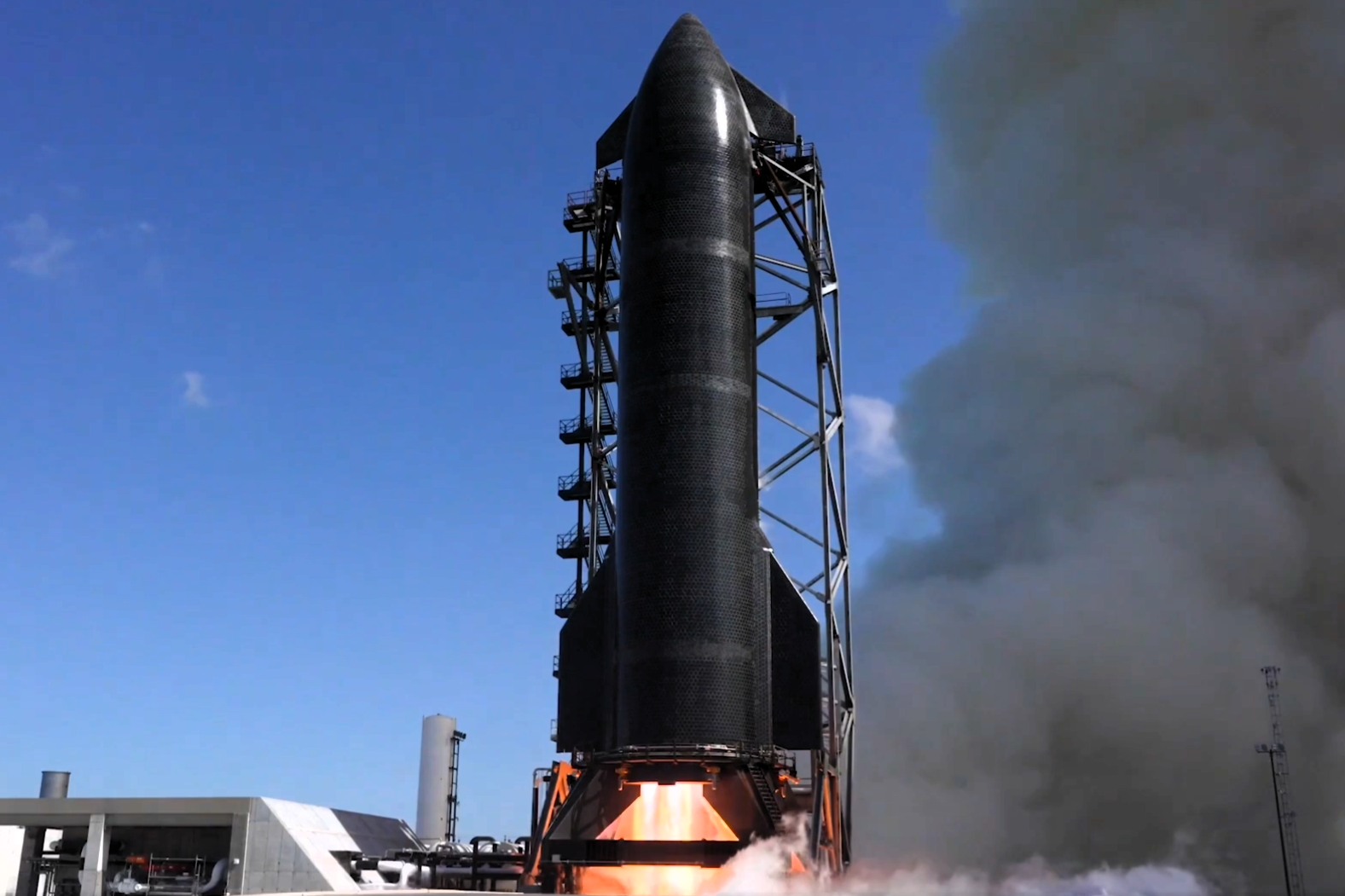
The 20 Starlink satellites will extend their solar arrays and antennas in order to connect with the space internet service’s network via high-capacity lasers.
It is designed as a proof-of-concept test, with the satellites set on a suborbital trajectory that will see them reenter the Earth’s atmosphere around 20 minutes after deployment.
SpaceX’s Starship flight test will be live streamed on the company’s official X page, with the webcast beginning around 30 minutes before the launch window opens.

.jpeg?trim=0,0,0,0&width=1200&height=800&crop=1200:800 "Trump news live: Karoline Leavitt briefs from the White House as Trump readies for primetime address – UK Times")
