




Cities across Canada, the U.S. Midwest and East Coast are currently under thick blankets of wildfire smoke.
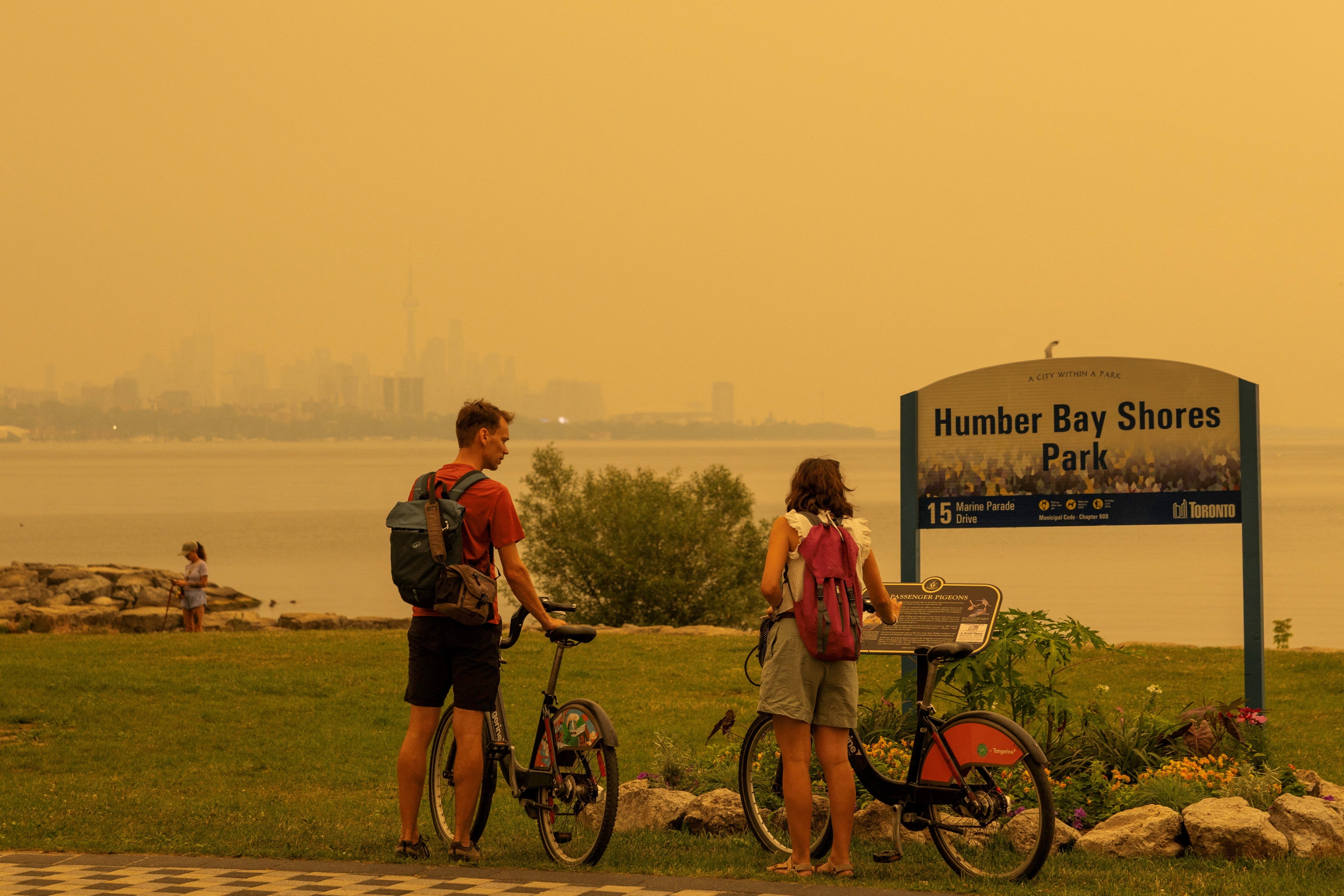
In Toronto, skies have been an apocalyptic orange since Wednesday morning and New York City, Detroit and Minneapolis were under also facing severe air quality warnings.
The smoke is pouring south from more than 800 wildfires in the Canadian province of Ontario destroying nearly 5 million acres and forced large-scale evacuations there and also in neighboring Minnesota.
For millions of North Americans, smoky skies are becoming a familiar sight in warmer months. In 2023, major cities including New York and San Francisco were being compared to the movie Blade Runner after the skies turned a burnt orange, blotting out the sun.
Just a decade ago, these events were fairly rare – so what is causing the onset of such ominous scenes?
A new USA Today analysis of wildfire data over three decades revealed that the number acres burned each year is increasing.
In short, wildfires are getting worse – but there’s a combination of factors that’s causing them to do so.
At the root is climate change, caused by humans continuing to burn fossil fuels and increasing the global temperature overall.
Climate change is bringing more frequent and severe extreme periods of heat and prolonged regional drought, setting up tinderbox conditions in forests that fuel bigger and stronger fires.
About half the smoke generated from wildfires between 1997-2020 could be linked to climate change, Loretta Mickley, an atmospheric chemist at Harvard University, also told USA Today.
“If we zero in more recently from 2010 to 2020, those numbers increase,” she said.
Smoke from these fires can travel hundreds of thousands of miles and linger over areas for days, threatening human health.
Detroit, a city with 650,000 residents, had the worst air quality in the world Thurday, according to air quality tracking site iQAir, with Toronto coming second, and Minneapolis and Chicago ranking third and fourth.
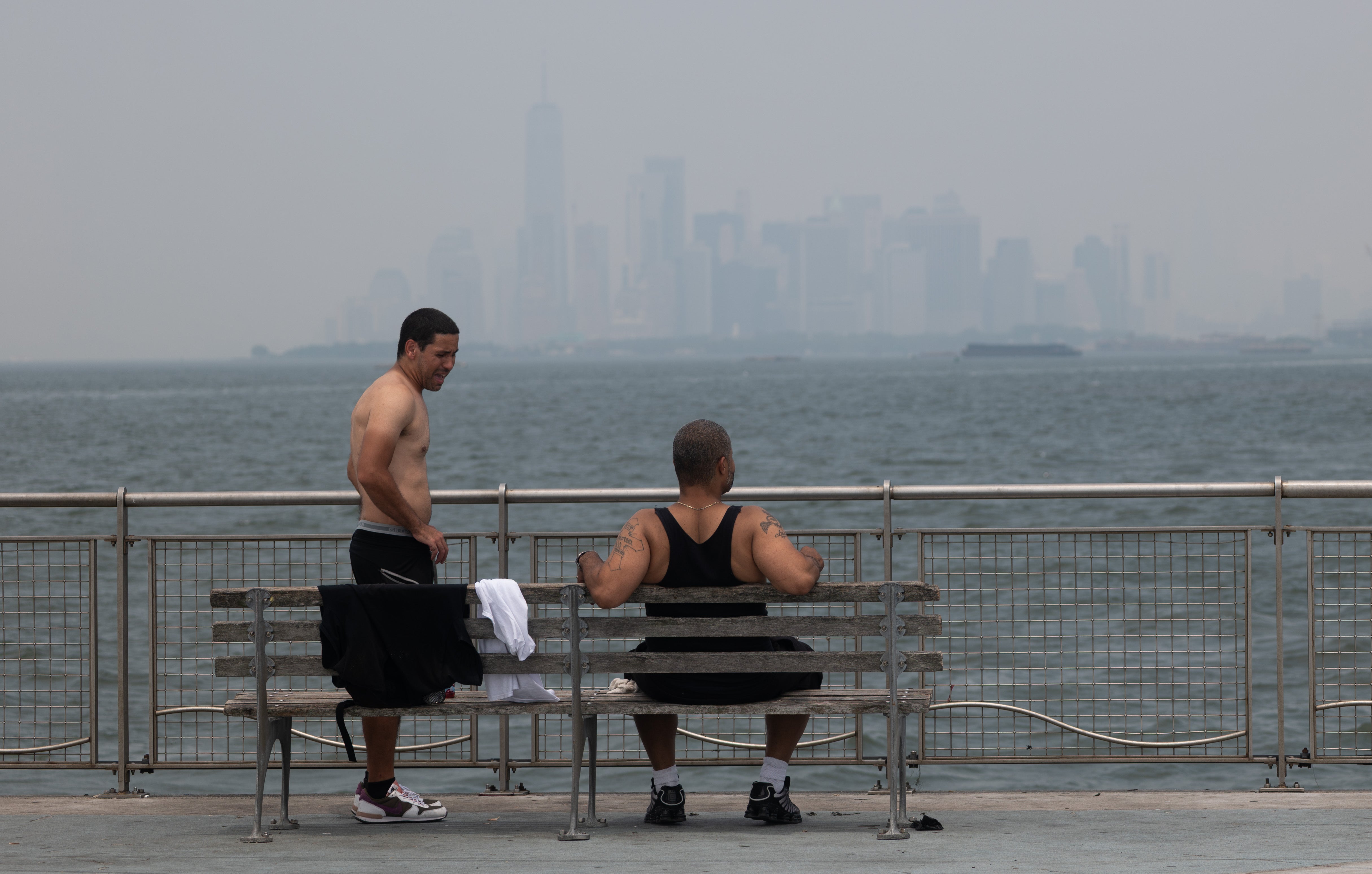
The air quality in all of these cities is considered to be hazardous to health. Impacts are forecast to last through Friday.
Wildfire smoke contains particle pollution that’s been shown to negatively affect heart, brain and lung health.
“What we see after a big wildfire event is an increase in the rate of cardiac death, which is obviously very scary. We also see an increased need for rescue medicine for people with lung disease, and an increased need for people to visit their doctor in general because of some unexplained symptoms,” Dr. Erika Moseson told the American Lung Association.
Exposure for several days at unhealthy levels is considered to be the same as smoking about seven cigarettes a day if someone is outdoors the entire time, Stanford University says.
The negative impacts of wildfire smoke aren’t always immediate, either, with deaths occurring for up to three years after the fire has been put out.
Children, seniors, people who are immunocompromised and pregnant women are the most at risk.
But there are steps people can take to protect themselves.
Wearing protective face masks, staying aware of the air quality levels and making sure all doors and windows are sealed tight are all good strategies to reduce exposure.
“When air quality is poor, limit time outdoors, avoid strenuous outdoor activities, consider exercising indoors and postpone or reschedule outdoor activities when possible.,” Dr. Farhan M. Asrar, of the University of Toronto, wrote in The Conversation on Wednesday.

