
Buying your first home is exciting, but saving up can be hard, with the average deposit amounting to £61,090, according to Halifax.
There are many ways to build a deposit, including using a lifetime individual savings account (LISA). However, choosing between a cash or stocks and shares LISA, and the First Time Buyer (FTB) ISA which will replace LISAs in due course, can be difficult.
A government consultation document noted that “more LISA holders have lost a part of their original savings than have used it to purchase a house.”
But Rajan Lakhani, personal finance expert at Plum, says there was nearly a 300 per cent increase in people opening a LISA the week after the announcement, compared to the same period in 2025.
Here, The Independent explores the LISA and FTB ISA, with the pros and cons of each.
What is the lifetime ISA?
A tax-free cash or stocks and shares LISA can be used to buy your first home, or to save for your retirement. You can only open and pay up to £4,000 into one each tax year, and you’ll get a 25 per cent bonus (so up to £1,000), paid monthly.
The £4,000 limit is part of your overall £20,000 ISA allowance.
If you’re buying a home with your partner, they can also use a LISA. You must be aged 18-39 to open one and make your first payment before you turn 40. Savers can contribute and get the bonus until they turn 50, but still earn interest after.
A drawback is the 25 per cent penalty charge, which applies if you withdraw your money for any reason other than buying your first home, due to a terminal illness, or if you are aged 60 or over.
Lakhani says it can be “costly” if you exceed the £450,000 LISA property cap.
“That means if you’d initially placed £4,000 in a LISA, and earned the £1,000 government bonus, you’d actually be worse off as you’d be left with £3,750,” explained Lakhani, who says interest or investment returns will also be affected.
Cash LISA or stocks and shares?

Get a free fractional share worth up to £100.
Capital at risk.
Terms and conditions apply.
Go to website
ADVERTISEMENT
Get a free fractional share worth up to £100.
Capital at risk.
Terms and conditions apply.
Go to website
ADVERTISEMENT
Before opening either one, you should ensure your cash or stocks and shares LISA is protected by the Financial Services Compensation Scheme (FSCS), which protects your money if the provider goes bust (though not if your investments fall in value).
As for which one to choose, both have pros and cons which you should weigh up according to your particular circumstances.
“A cash LISA is well-suited if you’re planning to buy in the next three to five years,” says Brian Byrnes, director of personal finance at Moneybox.
Cash ISAs can offer easy access to your money, but your savings will likely grow slower than investing, as interest rates may be low and you will not get investment-grade returns or dividends.
You should ensure your cash LISA (or indeed cash ISA) offers inflation-beating rates, so your money does not lose value in real terms.
A stocks and shares LISA, meanwhile, may be suitable for those who plan to buy a property in over five years, do not need easy access to their money and are comfortable with market volatility.
While you may enjoy higher returns than cash – typically invested money can grow more than saved money over the long term – you could also lose money, or be down at any particular moment. You may be able to choose your own investments, or a fund, but there may be a minimum investment amount or fees to pay.
What about the FTB ISA?
Vital information about the tax-free FTB ISA will be confirmed at a “future fiscal event” the government have stated, including how much you can pay in, specifics around the bonus and property price cap – which at present is not expected to change.
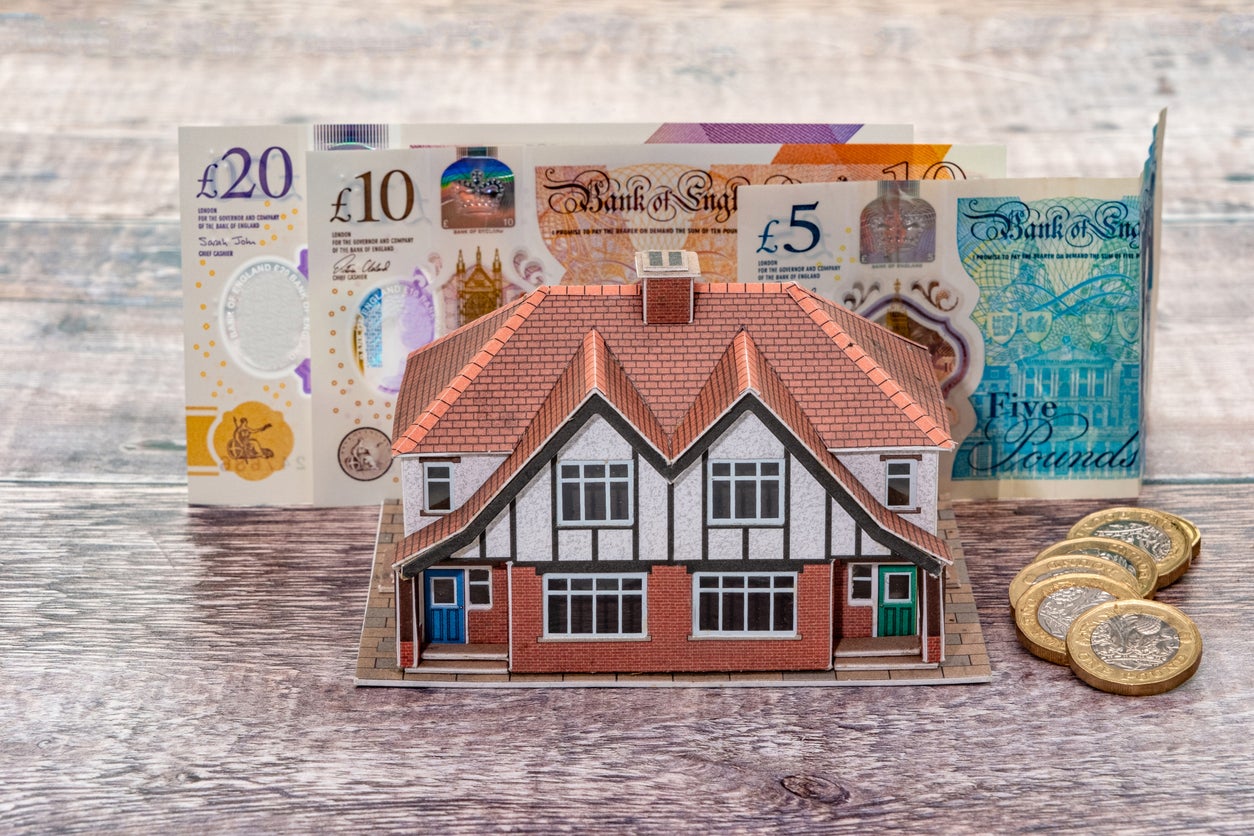
Savers will no longer have to pay a 25 per cent withdrawal charge if they take out money to buy a house beyond the price cap, and there is no upper age limit to open or save into one, but you must be a first-time buyer who plans to live in the property.
You can still save via cash or invest, and both you and your partner can use an FTB ISA if you’re buying with a mortgage.
However, critics of the new product have pointed out that as the bonus will be paid when you exchange, savers will miss out on interest and investment growth on it, while the property price cap could remain an issue if unchanged.
Byrnes says the lack of details makes it difficult to decide if it is “right for first-time buyers.” He says if you’re aged 18-39, you should still consider a LISA as “you’ll still benefit down the line from saving [for retirement] and growing your money now.”
When investing, your capital is at risk and you may get back less than invested. Past performance doesn’t guarantee future results.