


As new vehicle prices reach unprecedented levels and monthly payments strain household finances, consumers are increasingly seeking smart strategies to maximize their car-buying budgets. Fortunately, a wealth of options regarding where, when, and how to purchase a vehicle means significant savings are within reach. Automotive specialists at Edmunds have identified their five key recommendations to help buyers substantially lower the total expense of their next car.
Consider a used vehicle
For consumers looking to maximize their budget, exploring options beyond brand-new vehicles presents a significant opportunity. While new cars boast cutting-edge technology and comprehensive warranties, their price tags are often disproportionately high.
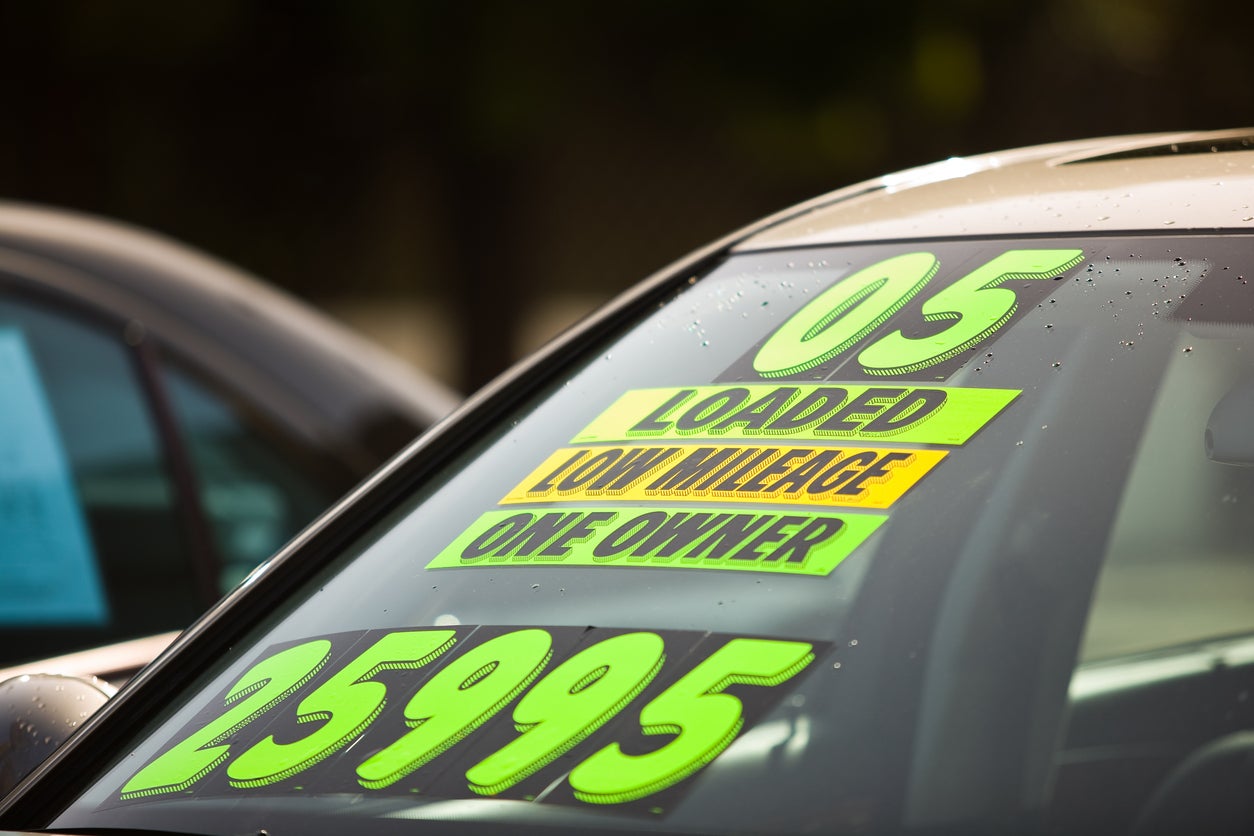
Substantial value can be found in the pre-owned market, especially for models that are only a few years old. These lightly used cars frequently provide many of the same features as their newer counterparts, crucially sidestepping the most significant period of depreciation. Illustrating this trend, Edmunds transaction data from June 2026 shows the average price for a three-year-old used vehicle stood at $32,553, compared to $48,899 for a new vehicle.
Expand your search area and loan options
When purchasing a new vehicle, limiting your search to local dealerships could unnecessarily restrict your options. Expanding your geographical reach often uncovers a broader inventory and more competitive pricing, as vehicle costs can fluctuate significantly between regions based on local supply and demand.
Similarly, securing financing warrants proactive research. Avoid waiting until you are in the dealership’s finance office to consider loan options. Unless a promotional interest rate is offered directly by the automaker’s finance company, a credit union may provide a more favorable rate than the banks affiliated with the dealership.
Prospective buyers should obtain pre-approval from their own bank, a credit union, or an online lender. This allows for direct comparison against the dealer’s best loan offer. According to the Consumer Financial Protection Bureau, this practice of comparison shopping for loans can lead to savings of thousands of dollars over the lifetime of the agreement.
Get the most trade-in value from your current car
Your current vehicle may be worth more than you think, and maximizing its value can significantly reduce the amount you need to finance. Get multiple trade-in offers before visiting a dealership. Online appraisal tools and used vehicle retailers can provide baseline estimates that help establish a vehicle’s market value. Having several offers in hand can strengthen your negotiating position and help prevent unknowingly accepting a low trade-in value.
It’s also worth considering a private-party sale. While selling a vehicle yourself requires more time and effort, it often generates a higher return than a trade-in. Buyers who choose this route should gather maintenance records, clean the vehicle thoroughly, and address minor cosmetic issues that could affect perceived value.
Focus on total cost, not monthly payment
When a salesperson starts asking about a monthly payment you’d feel comfortable with, it’s easy to miss the big picture. But don’t let that distract you. Adjusting to a lower monthly payment might seem appealing, but it often comes at the cost of a longer loan, leading to more interest charges and a higher total paid over the life of the loan.
It’s best to examine the entire financing package, including your down payment, your trade-in, the interest rate, loan term and the total cost. A shorter loan with a slightly higher monthly payment can save thousands of dollars in interest. Comparing financing offers on this basis rather than on the monthly payment alone provides a clearer picture of the true expense.
Protect yourself from negative equity
Inflated vehicle prices during the pandemic, longer loan terms and impatient shoppers have increased the risk of negative equity, a situation in which a borrower owes more on a vehicle than it is worth.
According to Edmunds’ data, 30.9% of trade-ins toward a new vehicle purchase carried negative equity in the first part of 2026. Moving negative equity into a new loan may make a car purchase possible, but it increases the loan amount and makes it harder to build equity in the replacement vehicle.
A better strategy is to wait until you can make a 10% to 15% down payment, according to Edmunds. If you’re getting the itch for a new car and currently owe more than your car is worth, the smarter move is to keep it longer and pay down the loan balance before trading it in. This patient approach can help prevent a cycle of carrying debt from one vehicle to the next.
Edmunds says
Stretching your car-buying dollars in 2026 requires looking beyond the sticker price. Before signing any paperwork, ask to see a breakdown of all the fees. If you spot any fees or services you aren’t familiar with, be sure to ask the salesperson. Otherwise, you may overlook something that could prove costly in the long run.