

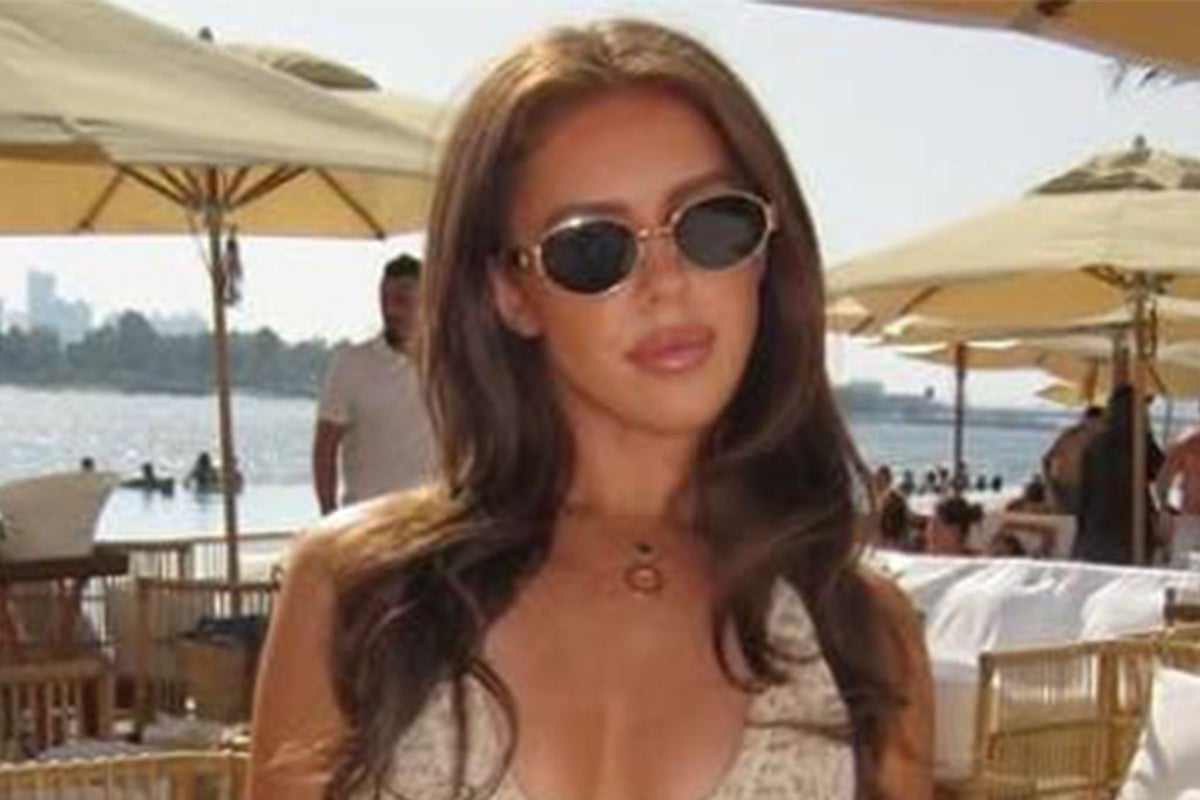
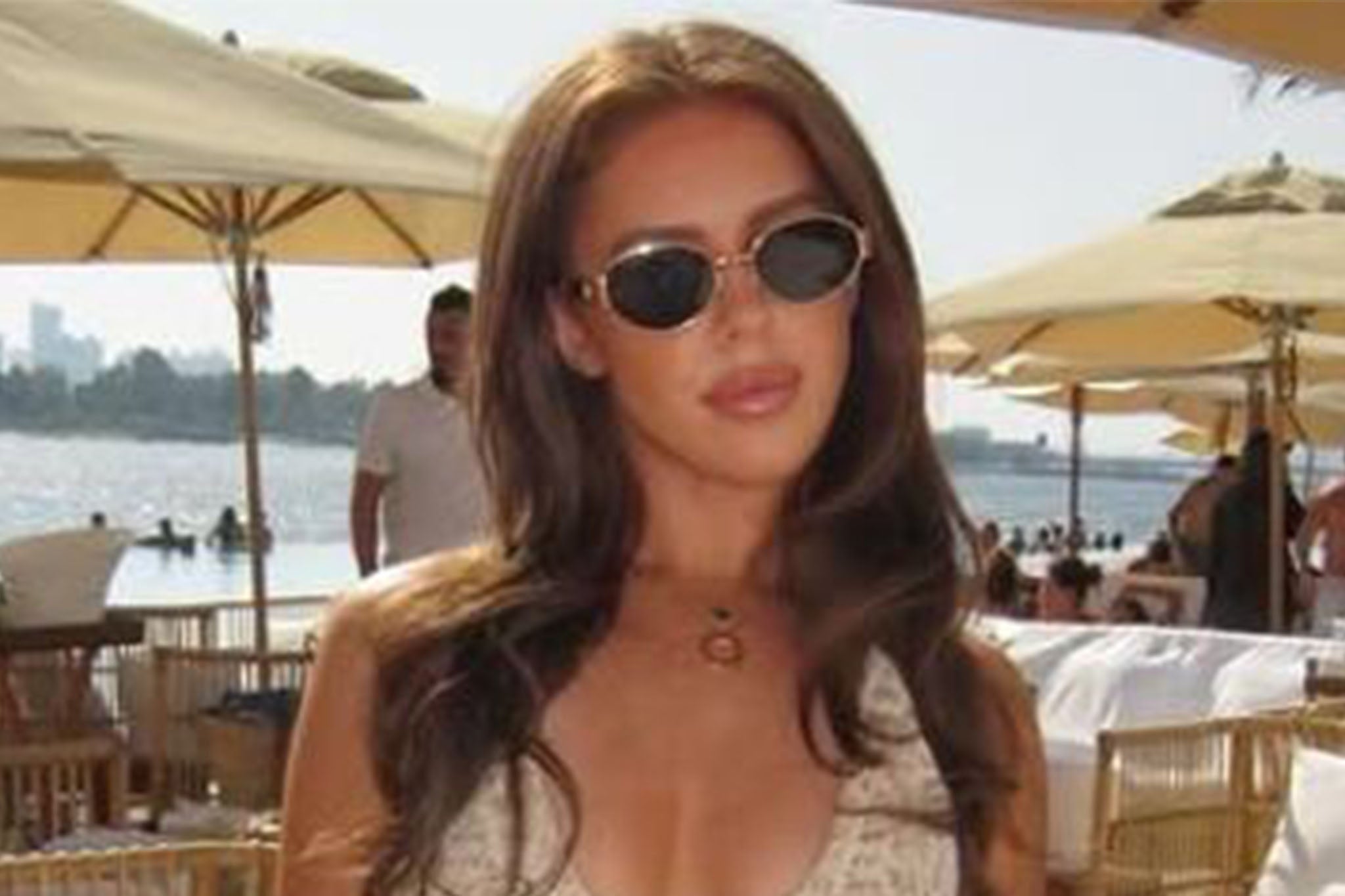
A social media influencer, who built her online presence on the promise of helping brands “turn posts into profits”, has been ordered to pay £213,000 in damages over her secret side hustle selling counterfeit luxury fashion.
Georgia Aldridge, a content creator and social media marketing expert, faced a High Court trial and a freezing injunction after operating a “dropshipping” business. She sold fake designer goods, including items purportedly from Fendi, Louis Vuitton, and Christian Dior, some of which she sourced from the Chinese online marketplace Ali Express.
Ms Aldridge, who boasts over 32,000 Instagram followers and runs Sloane House Marketing in Loughton, Essex, found herself in court against the owners of the exclusive fashion houses, including Fendi Italia Srl, Christian Dior Couture S.A., and their parent company Lvmh Moët Hennessy Louis-Vuitton Se.
She and her company, Rolo Fashion Ltd, faced accusations of trade mark infringement.
A default judgment was granted in favour of the fashion giants in January 2025, which found that both Ms Aldridge and her company had “infringed the trade marks by selling what the claimants describe as counterfeit luxury goods bearing one or more of the trade marks”.
Last week, at the High Court, Judge Richard Hacon awarded the fashion brands £213,000.
He said that Ms Aldridge’s sales of counterfeit couture – some conducted through a dedicated WhatsApp group – had resulted in 713 lost sales of genuine products and deprived the companies of licensing revenue from over 4,000 transactions.
The court heard that the influencer’s trade in “counterfeit luxury goods” was brought to a halt 18 months ago, after lawyers for the fashion giants obtained the judgment against her and her company.
In last week’s ruling, the judge said that Richard Ferguson, for the claimant fashion brands, had argued for six-figure damages.
He told the court that the companies had suffered “three heads of damage: damage to the reputation of the brands, profits lost as a consequence of lost sales and lost licensing income”.
“Each side filed evidence. For the claimants there was a witness statement… from Nicolas Lambert, who is head of online brand protection at Lvmh Moët Hennessy Louis-Vuitton Se,” said the judge.
“Mr Lambert explains that counterfeit goods can be of lower or higher quality.
“He says that at least some of those sold by the defendants fall into the category of higher-quality counterfeits, referred to in online communities as ‘superfakes’ or ‘dupes’.
“He adds that the prices charged and the higher attention to detail tend to deceive the public into believing that they are the genuine branded products and that the counterfeiting industry makes this distinction in online communications, using such terms as ‘1 to 1’ or ‘mirror quality’ to identify high-quality counterfeits.
“The point of this evidence is to support a primary case advanced by the claimant that sales of a counterfeit product by the defendants in significant part resulted in a lost sale by one of the first to fourth claimants, as opposed to feeding a distinct market.
“One point is not in dispute: the claimants have suffered loss under this head. I must therefore attempt to put a figure on it….sales by the defendants caused the claimants to lose around 713 sales. Using a figure for the claimants’ profit per item of about £280 provides a total loss of £199,640, which I will round up to £200,000,” he found.

The judge went on to say that 4,039 sales of lower quality fake fashion were “made by the defendants which did not deprive the claimants of a sale”, for which the brands were due a licence fee.
He went on to award a further £13,000 under that claim, but threw out the argument that the brands suffered reputational damage as a result of Ms Aldridge’s activities.
“I see no evidential basis for a finding that the defendants’ sales have had an effect on the reputation of any of the claimants’ trade marks,” he said.
“I find Mr Lambert’s evidence on damage to the reputation of the claimants’ trade marks to be speculative and lacking in support. For the reasons I have stated, the evidence does not suggest that purchasers from the defendants believed that they were buying products sourced from a claimant.
“More likely, they understood that they were dealing with the commonplace circumstance of counterfeit luxury goods being provided by parties of which the brand owner strongly disapproves.
“Accordingly, there is no reason to suppose that they thought that the claimants bore any responsibility for the quality of the products or the conduct of the supplier.
“I find that there is no evidential basis for the claim that there has been damage to the reputation of their trade marks.
“I will direct that the defendants must pay to the claimants collectively the sum of £213,000.”
The full list of claimants is Fendi Italia Srl, Loewe S.A., Christian Dior Couture S.A., Celine S.A. and Lvmh Moët Hennessy Louis-Vuitton Se.