

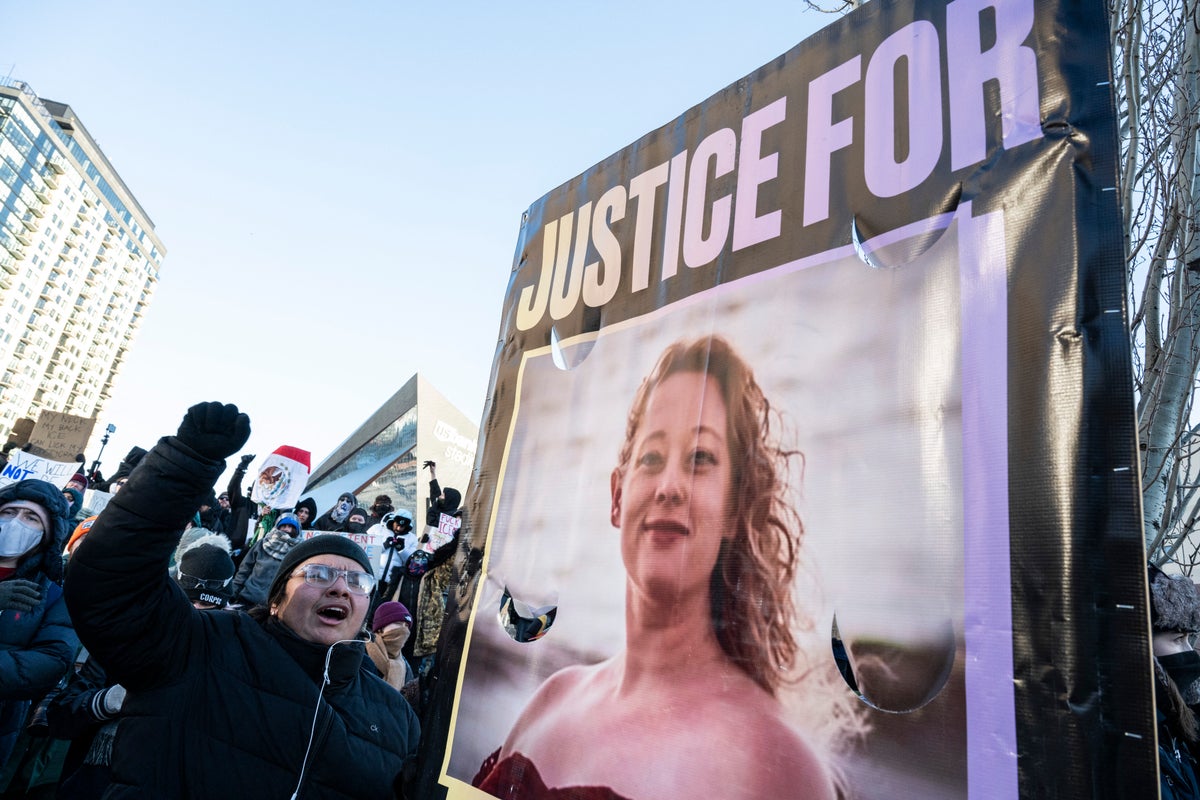
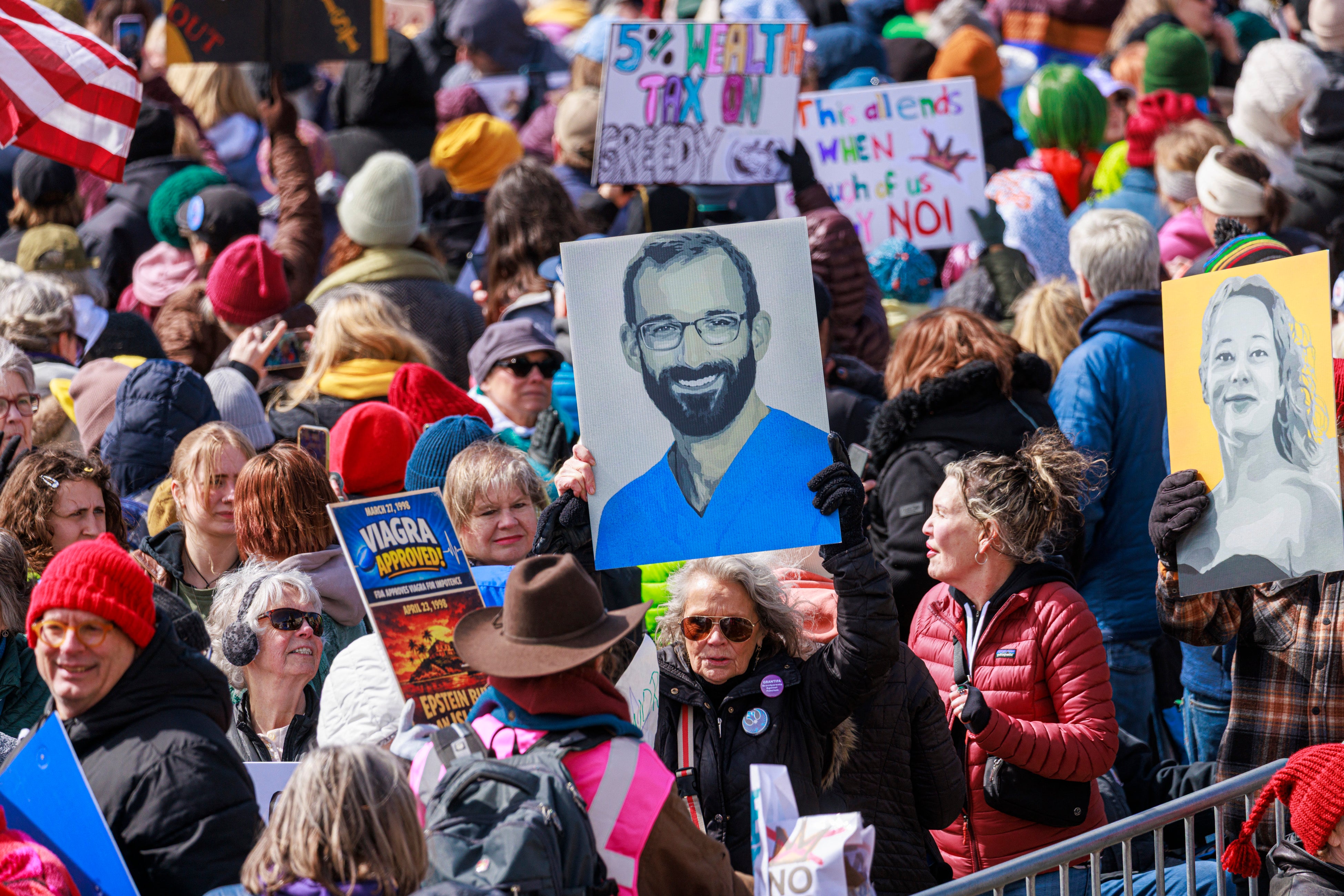
Minnesota prosecutors announced Monday they have secured key evidence in their ongoing investigations into the fatal shootings of Renee Good and Alex Pretti during protests over a federal immigration enforcement crackdown earlier this year.
“Through the cooperation of our federal partners we have obtained the hard drives of previously withheld evidence in the killings of Renee Good and Alex Pretti and the shooting of Julio Sosa-Celis,” Hennepin County Attorney Mary Moriarty said.
The newly released materials include police body-camera footage, witness statements and other evidence that federal officials had previously withheld.
Moriarty said state and local investigators have also taken possession of Good’s damaged vehicle.
“After receiving this evidence, we immediately began to analyze it in the context of the evidence we already had in hand,” Moriarty said. “It will be thorough, fair and complete. We are committed to seeing this through, to making a decision and being transparent about it no matter where the evidence takes us.”
Good, a 37-year-old mother of three, was shot and killed in her car while leaving an anti-immigration enforcement protest in Minneapolis on Jan. 7 as U.S. Immigration and Customs Enforcement agents surged through the region. Her death and that of Pretti, another protester, just weeks later sparked outrage across the country and calls to rein in immigration enforcement.
“The wonderful thing now is we have all the evidence,” Moriarty said.
Investigators are going through all the evidence, including hard drives with statements, hours of video recorded by body-worn cameras and the physical car Good was driving, Moriarty said.
“We need transparency. We need cooperation. Our community needs it,” she said. “Our democracy requires it.”
At the end of June, Minnesota Attorney General Keith Ellison and Moriarty asked a federal judge to push out the deadlines in their lawsuit against the U.S. Department of Justice because they said they were in the midst of recently reinitiated “ongoing discussions” with the FBI about information sharing.
Those ongoing discussions with the FBI about information sharing are likely to affect Minnesota’s request for summary judgment in the case, Ellison and Moriarty wrote in their motion to the court.
The attorneys representing the federal government signed onto the motion.
Ellison said he remains “deeply troubled that the federal government spent more than half a year attempting to conceal this evidence from state investigators.”
“It should never have taken this long for Minnesota law enforcement to gain access to the federal government’s evidence,” he said in a statement. “I hope that this is the beginning of a major course correction on the part of the federal government.”