

After Naomi Osaka’s first-round win over Elsa Jacquemot at Wimbledon on Monday, a reporter in her post-match press conference if they could ask a “boring tennis question”.
“Dang,” was Osaka’s wry response.
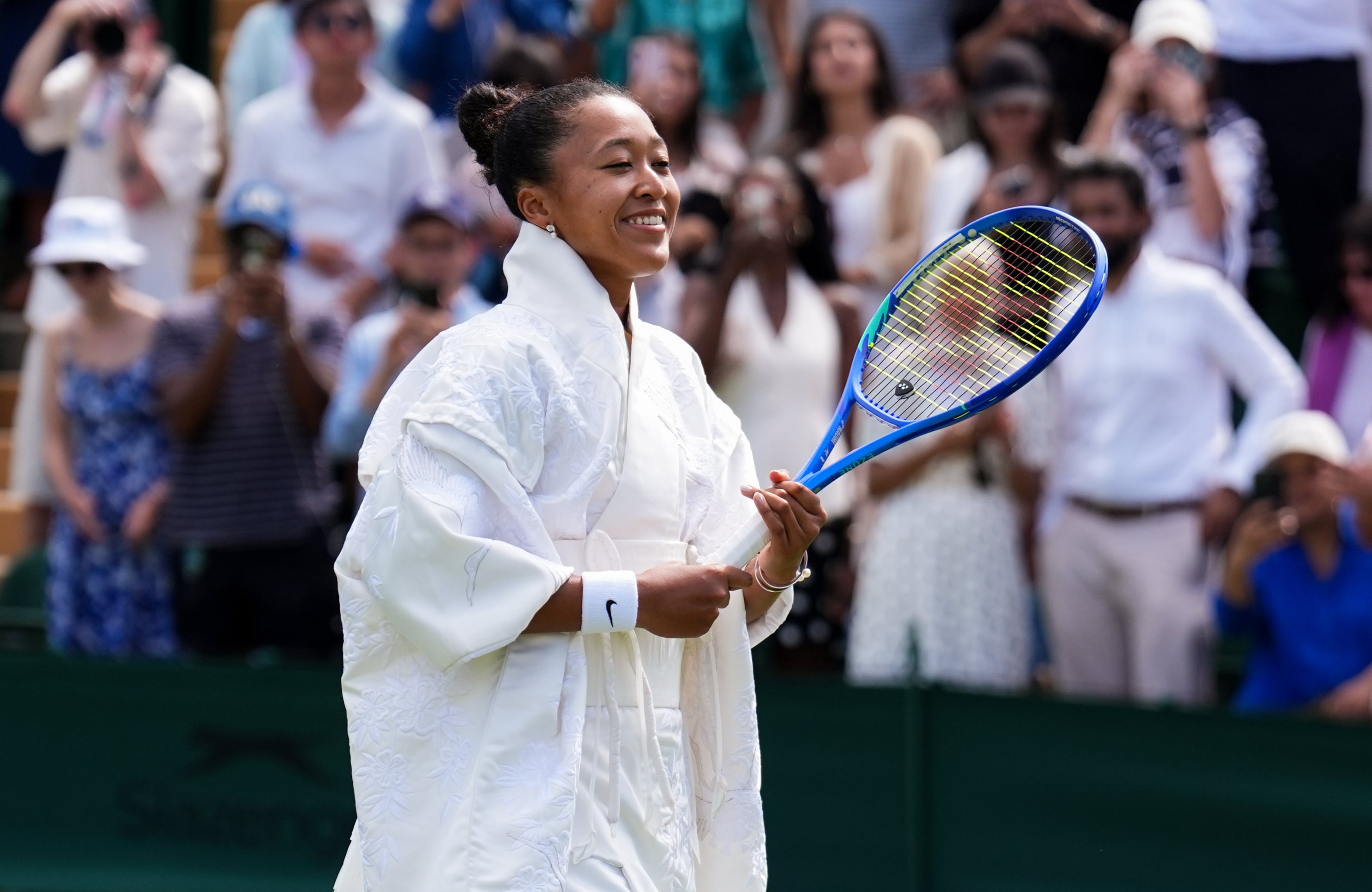
Thoughout this week at Wimbledon, there has been more attention on Osaka’s fashion walk-ons than her game. Following her spectacular entrances at the Australian Open and French Open this season, Osaka has not been limited by Wimbledon’s strict all-white dress code in opting for similarly bold looks: a “Kill Bill” inspired kimono one day, an elaborately embroidered gown the next.
The questions have followed, too. Osaka’s string of fashion shows have, for the most part, been all that anyone at the tournament have wanted to ask her about. In turn, Osaka has preferred to talk about her clothes rather than her tennis. “It’s strange, I’ve been playing tennis for 20-something years, some days I don’t feel like an expert on it,” the former world No 1 and four-time grand slam champion said on Friday. “If we were to talk about my outfit, I feel like I could keep going on and on and on.”
In some ways, this approach can act as a shield for Osaka, and suits her just fine. An introvert, the Japanese star has previously explained that expressing herself through what she is wearing when walking out onto court helps make her feel more confident. When it comes to Wimbledon, a tournament where Osaka hadn’t previously reached the fourth round in five attempts, answering questions about her inspiration and style has been more preferable than someone picking at details of her game on grass and attempts to understand the surface.
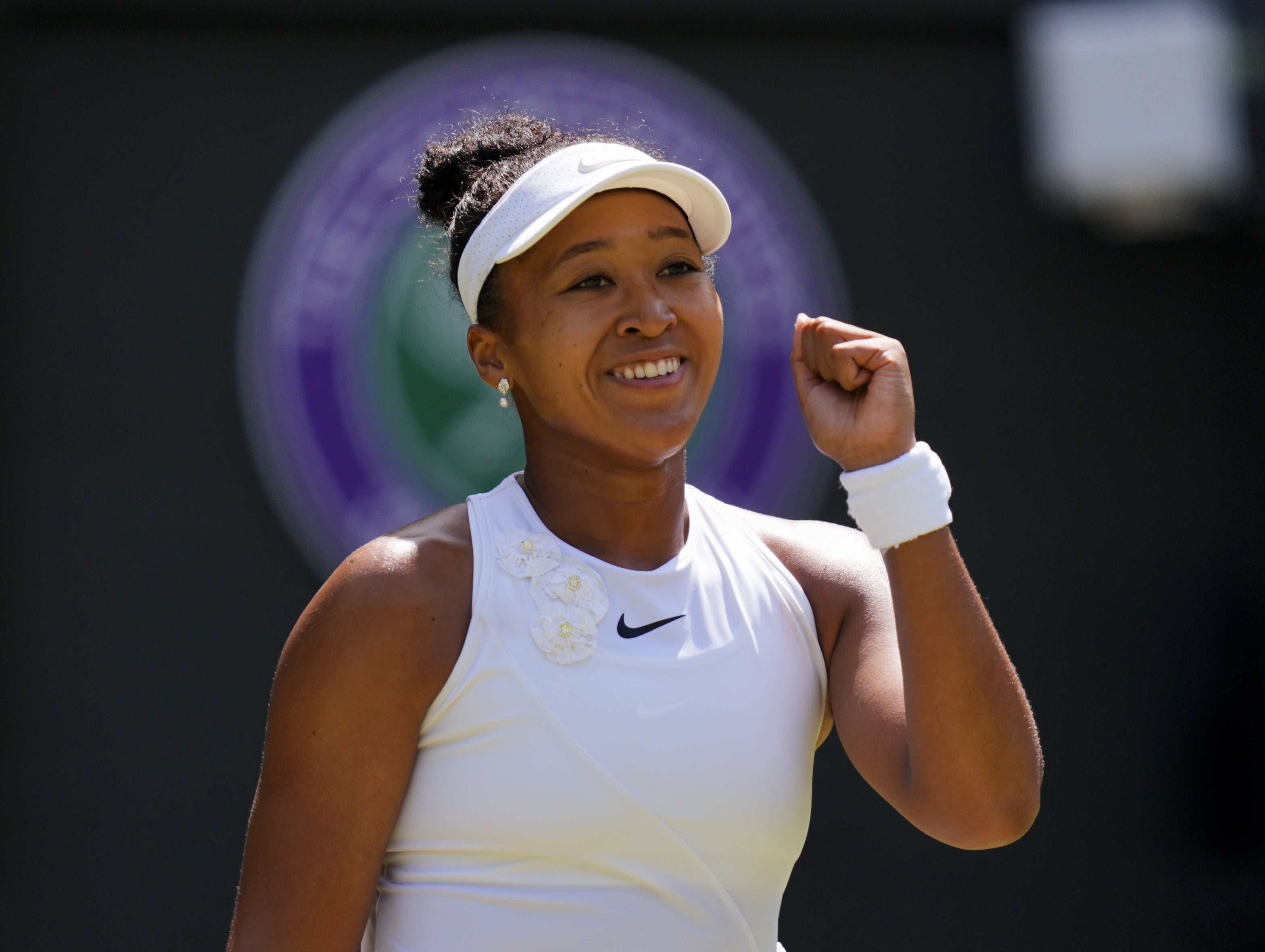
There may come a point, though, where the quality of Osaka’s tennis becomes louder than the attention on her outfits. In advancing to the fourth round of Wimbledon for the first time, in the week after reaching her first grass-court final at Bad Homberg, Osaka is yet to drop a set. By racing through her first three matches, the 14th seed has spent less time on court than any other player. The signs are that Osaka has taken the sort of aggressive, first-strike tennis that led major titles at the Australian Open and US Open and found a way to bring it to grass. No one else in the women’s draw is hitting a higher percentage of winners to points won (27 per cent).
As Osaka has progressed through the draw, the stage she is on has become bigger, too. She began on Monday on Court No 3, then moved onto Court No 2, before graduating to Court No 1 for her win against Daria Kasatkina on Friday. She has, though, sounded reluctant about the prospect of taking to Centre Court. “Here for some reason might be the scariest Centre Court to me,” she said. “Going down those stairs, it’s the opening, like this huge dome. I feel more aware of it than any other Centre Court that I’ve ever played on.”
Very soon, though, it may become unavoidable. On Sunday, former world No 1 Osaka will play current world No 1 Aryna Sabalenka in the last-16 of Wimbledon, in a match that will almost certainly be scheduled on Centre Court. It will, also, be the fourth match between Osaka and Sabalenka in quick succession, following a six-year gap from their first meeting at the 2018 US Open. Back then, Osaka was the dominant force. Now, that crown belongs to Sabalenka, who has won all three of their matches this season including in the last-16 of last month’s French Open.
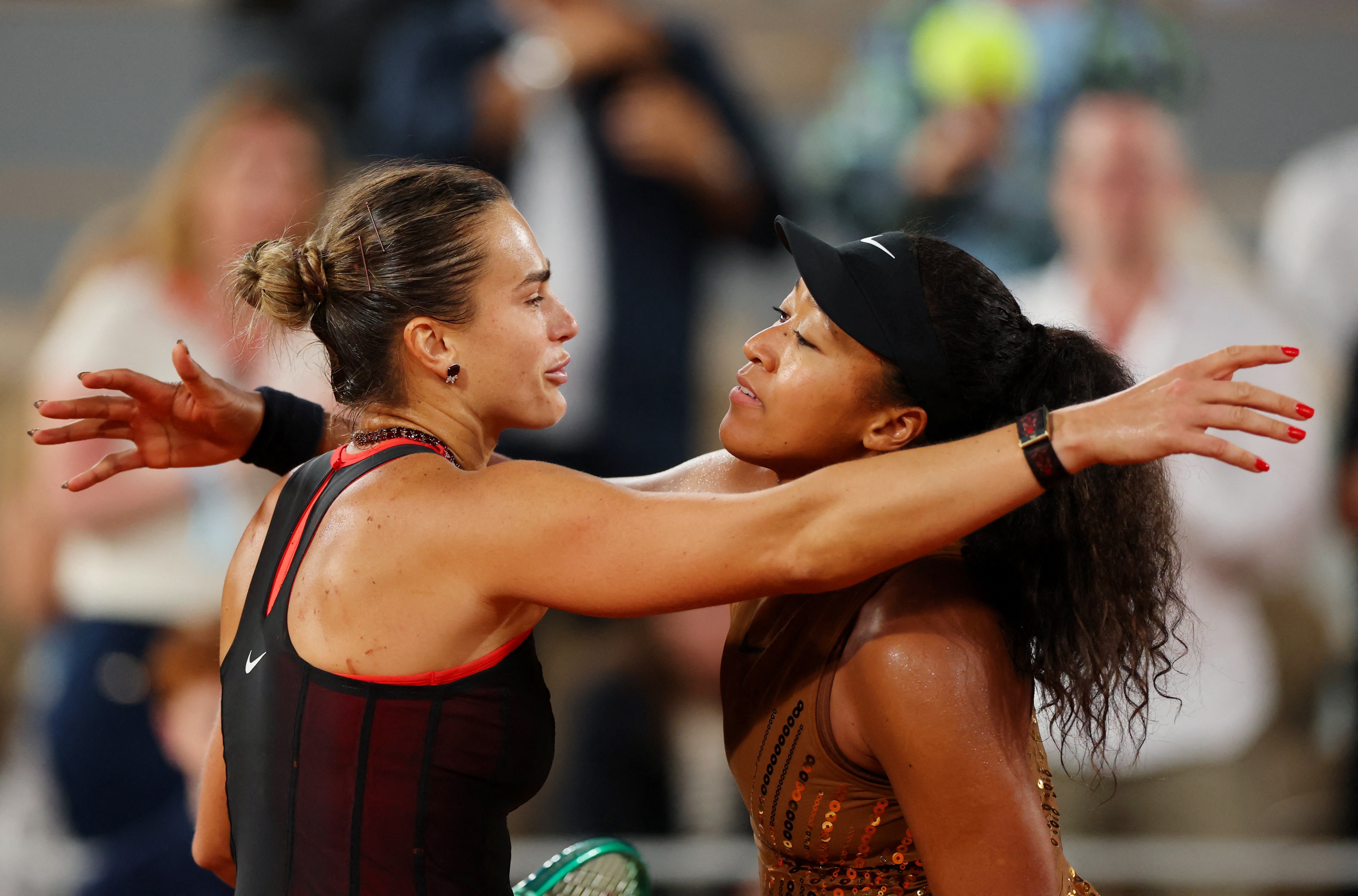
That was also billed as a blockbuster, and became the first women’s singles match to be played in the night session at Roland Garros in three years. Osaka’s glittering outfit in Paris, inspired by the Eiffel Tower at night, played into the show. On the court, though, Sabalenka showcased her superior levels, displaying the efforts she has made to bring variety to her game since Osaka stepped away from the sport at the start of 2023 to give birth to her daughter Shai. Although Sabalenka did not win the title in Paris, she made Osaka look one-dimensional as a player in a 7-5 6-3 win.
That is not a term you can use to describe Osaka away from the court, however. Her outfits are fun, and are inspiring increased efforts from some men’s players, including Frances Tiafoe and Taylor Fritz. Osaka is also enjoying keeping her fans on their toes, promising to “shake things up” throughout the fortnight. “The longer I’m in the tournament the more stories I can tell with my outfits,” she said.
At Wimbledon, there is an opportunity to tell an even greater one. Over the past decade, the women’s draw at Wimbledon has been wildly unpredictable, with champions coming from unexpected places. Osaka clicking into form and finding confidence, realising the surface is not as complex as than she previously thought, can make her a contender for the title. “I understand grass court tennis a lot more,” she said. “I think when I was younger, I was a little bit more stubborn on how I wanted to play on this surface, but I realise it’s a lot more free-flowing.”
Osaka is more of a force on the court because of how she looks and how she plays. Fashion and tennis, she says, can compliment one another. But at Wimbledon, if Osaka can get past Sabalenka, it is time her tennis gets more of a share of the attention, too.