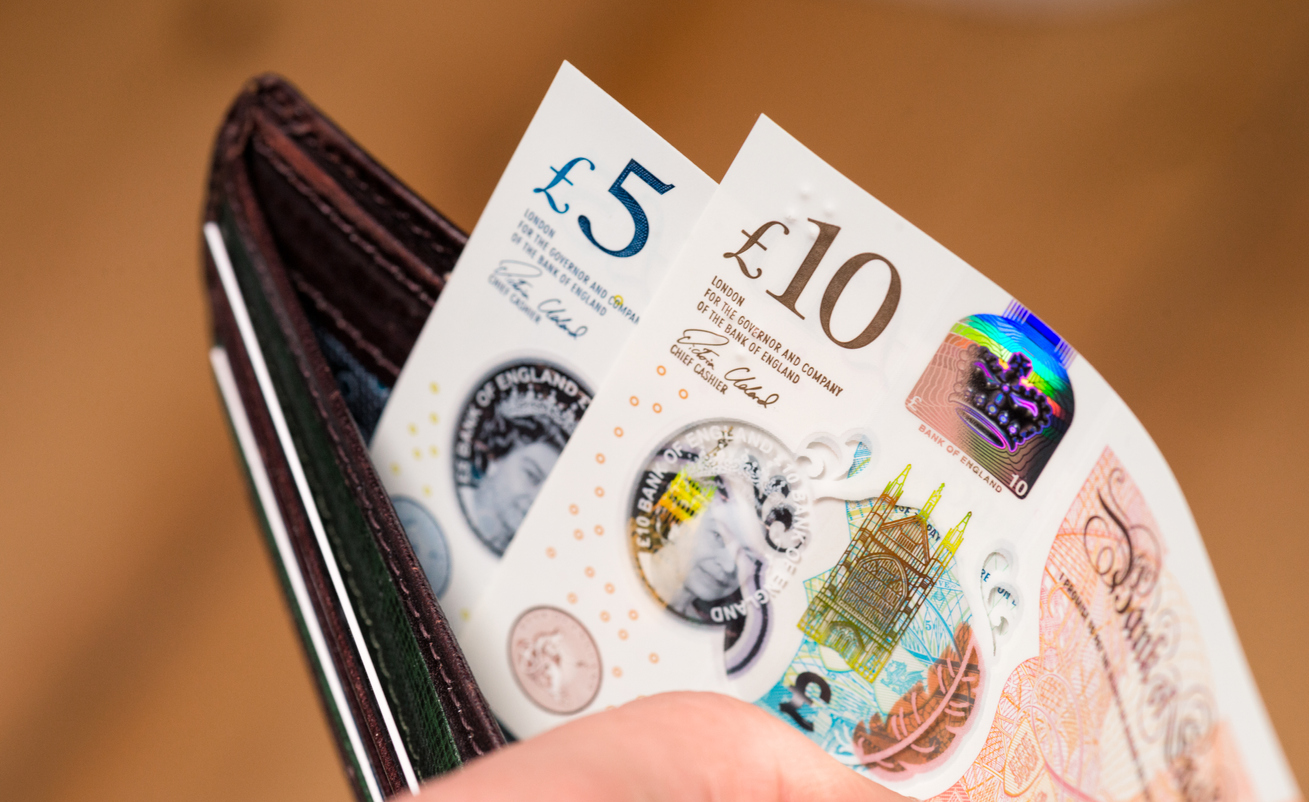
In the UK, you can take advantage of particularly convenient financial tools such as ISAs. These are individual savings accounts that are tax-free, as you do not pay tax on interest, gains or returns earned through an ISA.
In particular, a Cash ISA is a type of Individual Savings Account that lets you earn tax-free interest on your savings. For the 2026/2027 tax year, the annual ISA allowance is £20,000 (across all types of ISA).
The government has announced that from April 2027 the Cash ISA limit will be reduced to £12,000, although the Stocks and Shares ISA limit will remain at £20,000. Here’s everything you need to know about Cash ISAs.
| Characteristics | Cash ISA |
| Type of account | Individual Savings Account |
| Taxation | Tax-free interest |
| Annual allowance | £20,000 for 2026/2027 |
| Tax year | 6 April 2026 – 5 April 2027 |
| Eligibility age | 18+ |
| Interest | Paid monthly or annually, depending on provider |
| Flexibility | You can split allowance across different ISA types |
| Withdrawals | Usually allowed, but some accounts may limit access |
How does a Cash ISA work?
You open a Cash ISA account and pay money into it. You can deposit up to £20,000 in the 2026/2027 tax year (but only £12,000 for Cash ISA from April 2027). Interest will be paid annually or monthly, depending on the Cash ISA you choose.
The money you put into a Cash ISA is held in cash and kept separate from your everyday current account. The main advantage is that any interest you earn is completely tax-free, so you keep all of your returns.
There are different types of Cash ISAs, including easy-access accounts, fixed-rate ISAs and notice accounts. Easy-access ISAs let you withdraw money whenever you need it, while fixed-rate ISAs usually offer a higher interest rate in exchange for locking your money away for a set period.
You can choose to save regularly or deposit a lump sum, as long as you stay within your annual ISA allowance. You can also split your allowance across different types of ISAs if you wish.
It is important to remember that the ISA allowance resets every tax year, and any unused allowance cannot be carried over.
When can you open a Cash ISA?
You can open a Cash ISA from the age of 18. But individuals aged 16 and 17 may continue to contribute to an existing Cash ISA that was opened for them. For the 2026/2027 tax year, you can open and contribute to a Cash ISA from 6 April 2026 to 5 April 2027.
You can open it at any time during the tax year, when you meet the requirements and stay within the annual ISA allowance. You are also allowed to open multiple ISAs. Since April 6, 2024, you can pay into multiple Cash ISAs in the same tax year.
It is also important to choose your ISA provider carefully, as interest rates, access to funds and account conditions can vary. Some ISAs offer instant access to your money, while others may require notice or lock your savings for a fixed term in exchange for higher interest rates.
Types of Cash ISA
When looking at Cash ISA accounts, you’ll generally come across a few different types
| Cash ISA Type | What It Offers | Why You Might Choose It |
| Instant Access Cash ISA | – Gives you 24/7 access to your money, making it easy to deposit or withdraw anytime.– Typically has a variable interest rate that can go up or down. | You want flexibility and peace of mind knowing you can dip into your savings without penalties. |
| Fixed-Rate Cash ISA | – Locks your money away for a set time (e.g., 1, 2, or 5 years).– Usually pays a higher, fixed interest rate, rewarding you for staying committed to the term. | You’re happy to commit your savings for a while in return for a predictable return you can count on. |
| Flexible ISA | Lets you take money out and replace it within the same tax year, without affecting your annual ISA allowance (if your provider offers this feature). | You like the idea of temporary withdrawals for life’s little surprises, while still making the most of your tax-free allowance. |
| Help to Buy / Other Specialist Cash ISAs | – Some (like Help to Buy) are closed to new applicants, but existing holders can still use them.– Lifetime ISAs help you save for a first home or retirement, although they have extra rules. | – You already hold a legacy ISA (like Help to Buy).– You have specific goals, such as purchasing your first home, and want to maximise government incentives. |
Moneyfarm offers a flexible instant access Cash ISA, which means you can make up to three withdrawals or transfers out per year without impacting your rate, and top up anytime, without paying any fees.
How many Cash ISAs can I have?
A common question from savers is “Can you have more than one Cash ISA?” The short answer is yes, but with important restrictions
- You can hold multiple Cash ISAs from previous tax years.
- There is no limit on the number of Cash ISAs you can open and pay into during each tax year (with the exception of Lifetime ISAs).
- All your ISA contributions, across all types of ISAs, must stay within your£20,000 total annual allowance for 2026/2027 tax year, and £12,000 only for Cash ISA from 2027/2028 tax year.
- You can transfer old ISAs into a new Cash ISA without affecting your current year’s allowance. Just make sure you follow the official ISA transfer process so you don’t lose your tax-free benefits.
What are the new rules for Cash ISA in 2026/2027?
You should consider some new rules for Cash ISA in 2026/2027 tax year
- You can still open a Cash ISA from the age of 18.
- The annual ISA allowance remains £20,000 for the 2026/2027 tax year (across all ISA types) and probably will change for 2027/2028 tax year.
- You can save tax-free interest on your Cash ISA as usual.
- You can pay into multiple Cash ISAs in the same tax year, subject to ISA rules and your allowance.
- You can split your £20,000 allowance between different ISAs (for example Cash ISA and Stocks and Shares ISA).
Remember also that the Government is introducing a 22% tax charge on any interest earned on cash held within non-Cash ISAs (for example Stock and Shares ISA) to discourage long-term cash holdings.
How to choose the right Cash ISA?
There are many solutions available on the market for investing in a Cash ISA, so it is important to know what to look for when choosing the right Cash ISA. Here are some useful tips to help you make an informed choice
- Daily interest it is better to invest in a Cash ISA where interest is calculated daily, so that the savings deposited in the account start to grow immediately.
- Free ISA transfers it is handy to be able to transfer money to your Cash ISA without paying fees, so you can manage your savings cheaply and get the best return.
- Security and protection savings deposited in a Cash ISA must be held by reputable companies and protected by the FSCS up to £85,000.
- Flexibility and accessibility it is worth choosing a flexible and accessible Cash ISA, for example one that allows you to make a few withdrawals during the year without compromising the interest rate.
- Easy to open and manage a good Cash ISA should be quick and easy to open and should be easy to manage without any complications.
- Interest ratealways compare interest rates, as even small differences can have a big impact over time.
- Type of Cash ISA consider whether you want easy-access, fixed-rate or notice accounts depending on your savings goals.
Is it worth investing in a Cash ISA?
Cash ISAs are useful tools for investing in the long term and getting tax-free returns on your savings. However, you should check that the Cash ISA is flexible and pay attention to the interest rate, as some Cash ISAs offer more attractive rates than others. If you find that your Cash ISA does not have a favourable rate, you can always look for a Cash ISA with a more competitive interest rate.
What are the advantages of a Cash ISA? One of their main advantages is that all interest earned is completely free from tax, which means you keep 100% of your returns. They are also considered low-risk savings products, making them suitable for people who want to grow their money safely without exposure to market fluctuations.
In addition, Cash ISAs are easy to open and manage, and many providers offer flexible options that allow you to access your money when needed.
If your Cash ISA is no longer offering a good return, you can transfer it to another provider without losing your tax-free benefits. This account can be especially useful for people who want to build an emergency fund, save for short- to medium-term goals, or simply protect their savings from tax.
Cash ISA vs Stocks and Shares ISA
Cash ISAs and Stocks and Shares ISAs are both popular ways to save and invest money in a tax-efficient way in the UK. The main difference between them is how your money is used and the level of risk involved.
A Cash ISA is a savings account where your money earns tax-free interest. It is low risk, as your capital is not exposed to the stock market. This makes it a good option for people who prefer stability and guaranteed returns.
A Stocks and Shares ISA allows you to invest your money in the stock market through funds, shares or bonds. It has the potential for higher returns over the long term, but it also comes with higher risk.
You can split the annual allowance between different ISA types. The best choice depends on your financial goals, time horizon and risk tolerance.
| Characteristic | Cash ISA | Stocks and Shares ISA |
| Type of product | Savings account | Investment account |
| Risk level | Low risk | Medium to high risk |
| Returns | Fixed or variable interest | Potentially higher, but not guaranteed |
| Access to money | Usually easy access (depends on account type) | May take longer to withdraw funds |
| Best for | Short-term savings, emergency funds | Long-term investing and growth |
| Volatility | No market risk | Affected by market fluctuations |
Frequently Asked Questions
With a cash ISA, your money grows at the applicable interest rate, which can be fixed or variable, without paying tax on the returns you earn. You can open a cash ISA from the age of 18, but you must be a UK resident.
Generally, the interest rate on a cash ISA is variable, so it can go up or down, and you can only deposit up to £20,000 per year in all individual savings accounts opened.
A cash ISA offers variable returns that may be lower than those offered by other financial instruments, such as investments in shares and bonds. However, as the returns are tax-free, it may be worthwhile investing in a cash ISA.
Yes, you can pay up to £20,000 each year into a cash ISA for the 2026/27 tax year, but this amount may change in £12,000 for Cash ISA for the 2027/2028 tax year.
Yes, you can transfer your Cash ISA to a different provider when you want. Your tax-free status is kept and the money does not count towards your annual allowance.
No, all interest earned inside a Cash ISA is tax-free. This means you do not pay income tax on the interest, no matter how much you earn.
There is no single UK Cash ISA interest rate. The rate depends on the provider and the type of Cash ISA you choose (easy-access, fixed-rate, or notice account). Easy-access ISAs usually have variable rates, while fixed-rate ISAs offer a set rate for a fixed term. In general, rates vary across the market and are linked to overall interest rate conditions, but the key benefit of a Cash ISA is that all interest earned is tax-free.
Sources
https//www.gov.uk/individual-savings-accounts/how-isas-work
https//www.moneyhelper.org.uk/en/savings/types-of-savings/cash-isas
*As with all investing, financial instruments involve inherent risks, including loss of capital, market fluctuations and liquidity risk. Past performance is no guarantee of future results. It is important to consider your risk tolerance and investment objectives before proceeding.