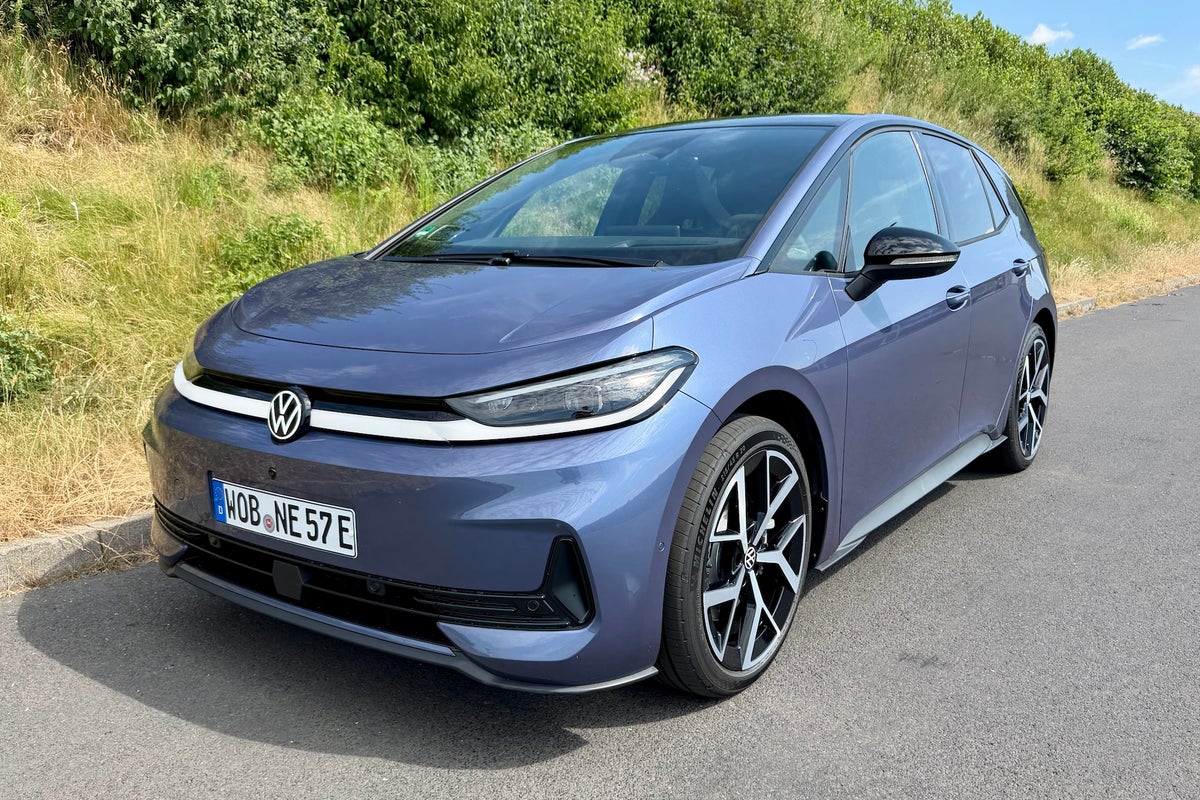
The Volkswagen ID.3 has always had the right basic ingredients. It’s sensibly sized, roomy inside, properly built as an EV from the ground up and easy enough to drive. There was never really anything fundamentally wrong with the way it drove and the way it looked. The problem was that it arrived carrying a huge amount of expectation and then spent its early life making some very avoidable mistakes.
Most of those mistakes were inside. The original ID.3 had one of the world’s worst touchscreen interfaces, too many fiddly controls, too many touch-sensitive surfaces and too much cabin trim that did not feel as if it belonged in a Volkswagen. The ID.3 was meant to be the electric equivalent of the Golf: the family hatchback that people bought because it was solid, sensible, well thought through and generally hard to fault. The ID.3 just didn’t feel very Golf-like at all.
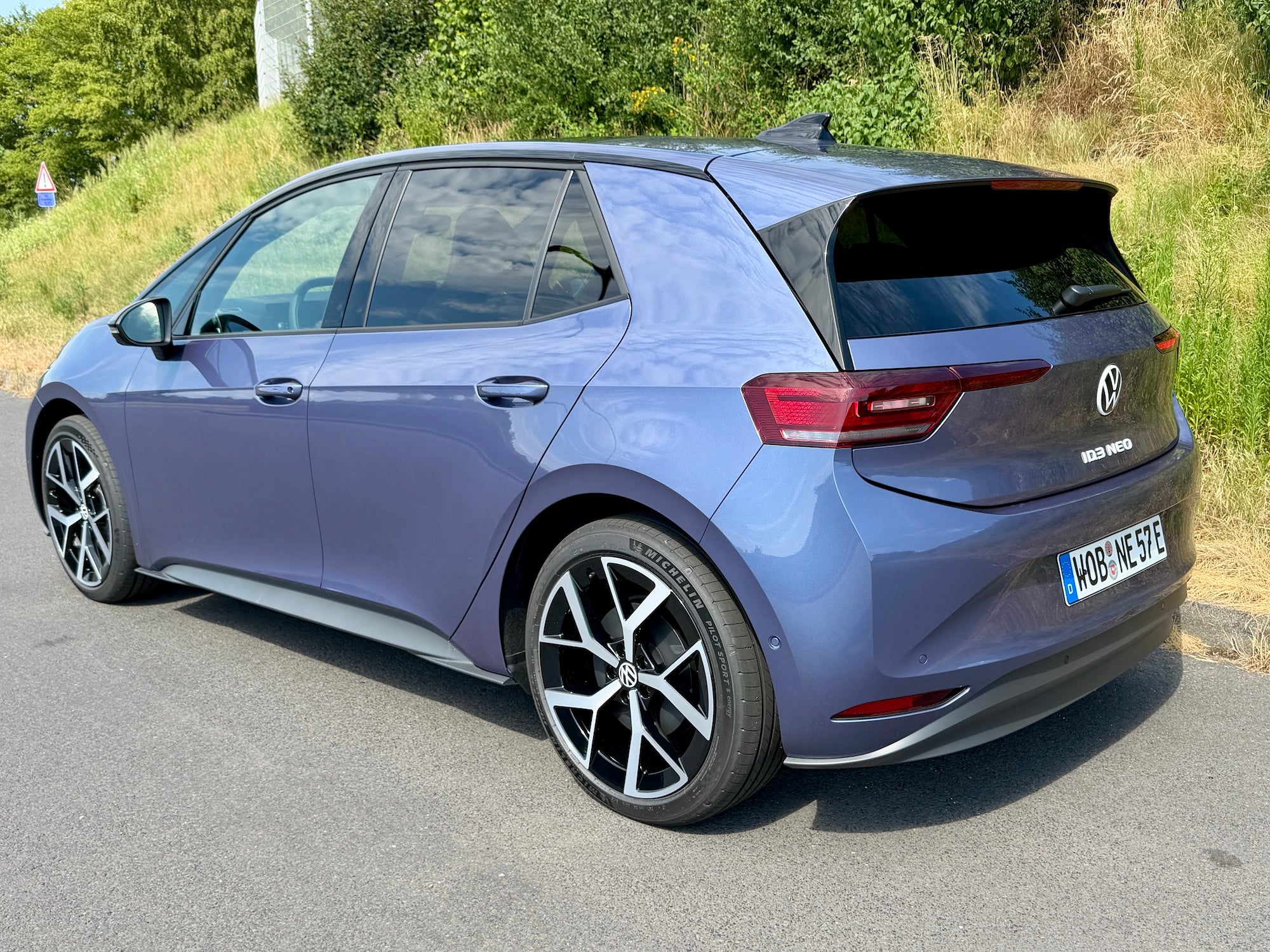
The ID.3 Neo is Volkswagen having another go at that idea, only this time with considerably more care. It is still recognisably an ID.3, but Volkswagen has given it a new name, revised styling, a heavily upgraded interior, a new infotainment system and a more efficient electric drive system.
The headline car here is the top-spec Style with its 79kWh battery, 228bhp rear-mounted motor and official range of up to 391 miles. It is the version that shows the ID.3 Neo at its most complete, but the broader point is that Volkswagen has finally addressed the areas that stopped the original car getting anywhere near the top of its class. So can the Neo put the ID.3 where it should always have been?
How we tested
I drove the Volkswagen ID.3 Neo Style with its 79kWh battery as part of German Car of the Year assessments on roads I know well in Alsfeld in Germany. That meant driving through the local towns and villages, and on the Autobahn, assessing ride comfort, refinement, performance, usability, cabin quality, technology, space and practicality.
Independent rating: 9/10
- Pros: Much better cabin quality, impressive new touchscreen, proper physical controls, impressive long-range version, comfortable and quiet, roomy for its size
- Cons: Rear window is still a little shallow, boot isn’t the biggest in the class, not the most dynamic drive, UK pricing has yet to be confirmed
Volkswagen ID.3 Neo specs
- Price from: £31,000 (estimated)
- Battery size: 50kWh, 58kWh or 79kWh
- Maximum claimed range: 391miles
- Miles per kWh: 5.0
- Charging : up to 183kW DC – 10 to 80 per cent charge in 26 minutes
Battery, range, charging, performance and drive
The Volkswagen ID.3 Neo uses a new rear-mounted electric motor and an updated version of Volkswagen’s MEB electric-car platform. There are three battery sizes: 50kWh, 58kWh and 79kWh, with outputs of 168bhp, 188bhp and 228bhp respectively.
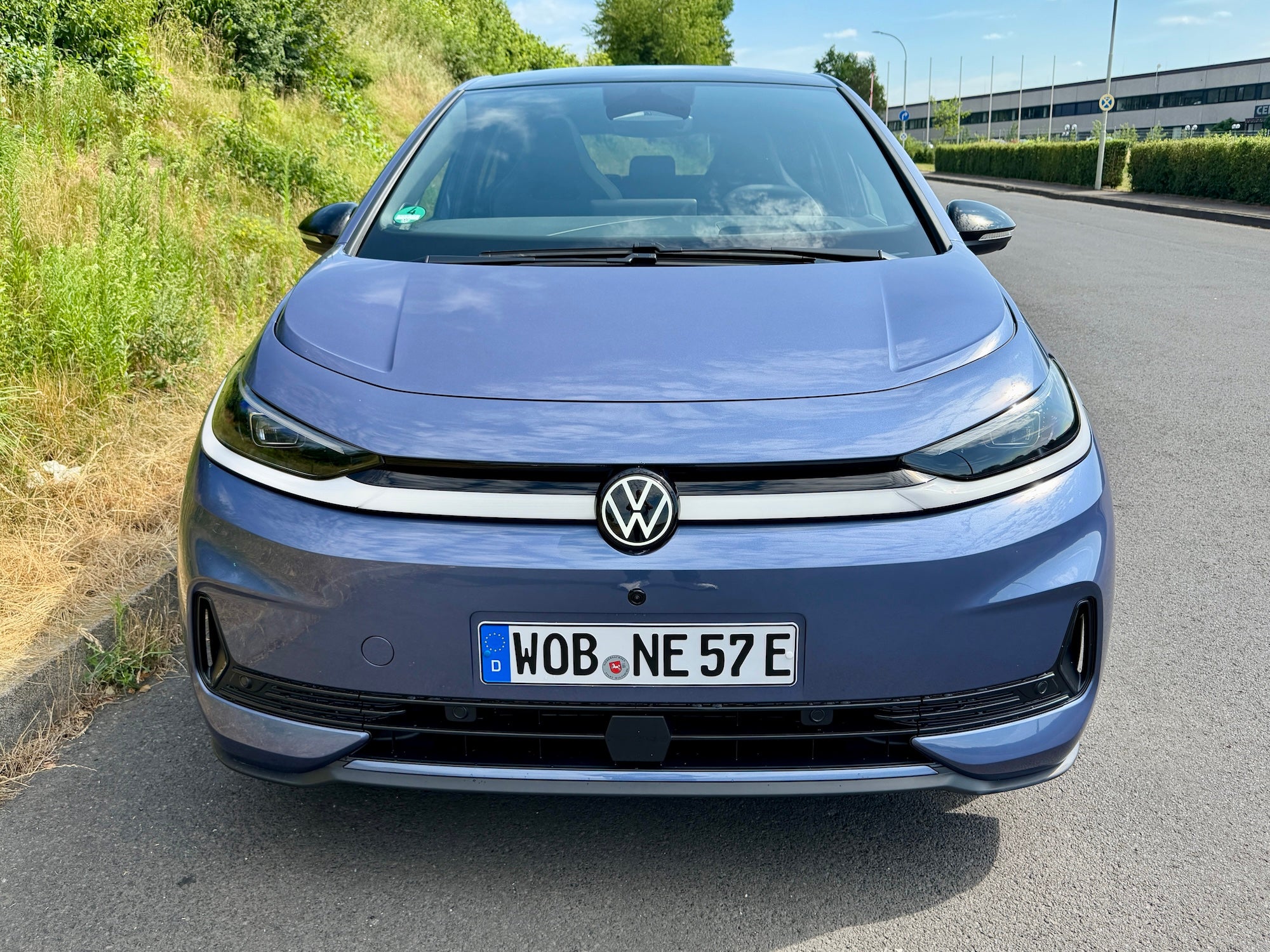
The car I tested was the range-topping Style with the biggest 79kWh battery and 228bhp. Volkswagen claims up to 391 miles of range, which is a seriously useful number for a family hatchback and gives the ID.3 Neo the sort of long-distance ability that should make it easier to use as an only car.
The smallest 50kWh battery is claimed to offer up to 259 miles, while the 58kWh version has a claimed range of up to 307 miles. The largest battery also gets the strongest rapid-charging performance, with up to 183kW DC charging. Volkswagen says a 10 to 80 per cent charge can take around 26 minutes in the right conditions. The smaller battery versions charge at up to 105kW DC.
The new motor is noticeably efficient, but it is also quick. In fact, this version perhaps feels a little too quick not to have a GTI badge on its tailgate – that’s coming, apparently. Put your foot down hard and the rear-mounted motor gives the ID.3 Neo a proper shove.
Driven more gently, it is a very easy car to get along with. The power delivery is smooth, the response is immediate and the whole thing feels more relaxed than before. One-pedal driving is now standard, allowing the driver to slow the car through the accelerator pedal alone, while the optional Connected Travel Assist can react to traffic lights and bring the car to a halt at a red light.
The driving changes are not dramatic because there was never much wrong with the old ID.3 dynamically. The Neo is simply more polished. Ride comfort is really good, handling feels safe and secure (although I hope a GTI version adds a little more pizazz to the handling), and the car feels impressively quiet at speed. On the German Autobahn, it settled into high-speed cruising with very little fuss and noticeably less noise than before.
Interior, practicality and boot space
The biggest improvement is inside. The original ID.3’s cabin had some clever ideas, but it never felt particularly Volkswagen-like. The ID.3 Neo changes that immediately.
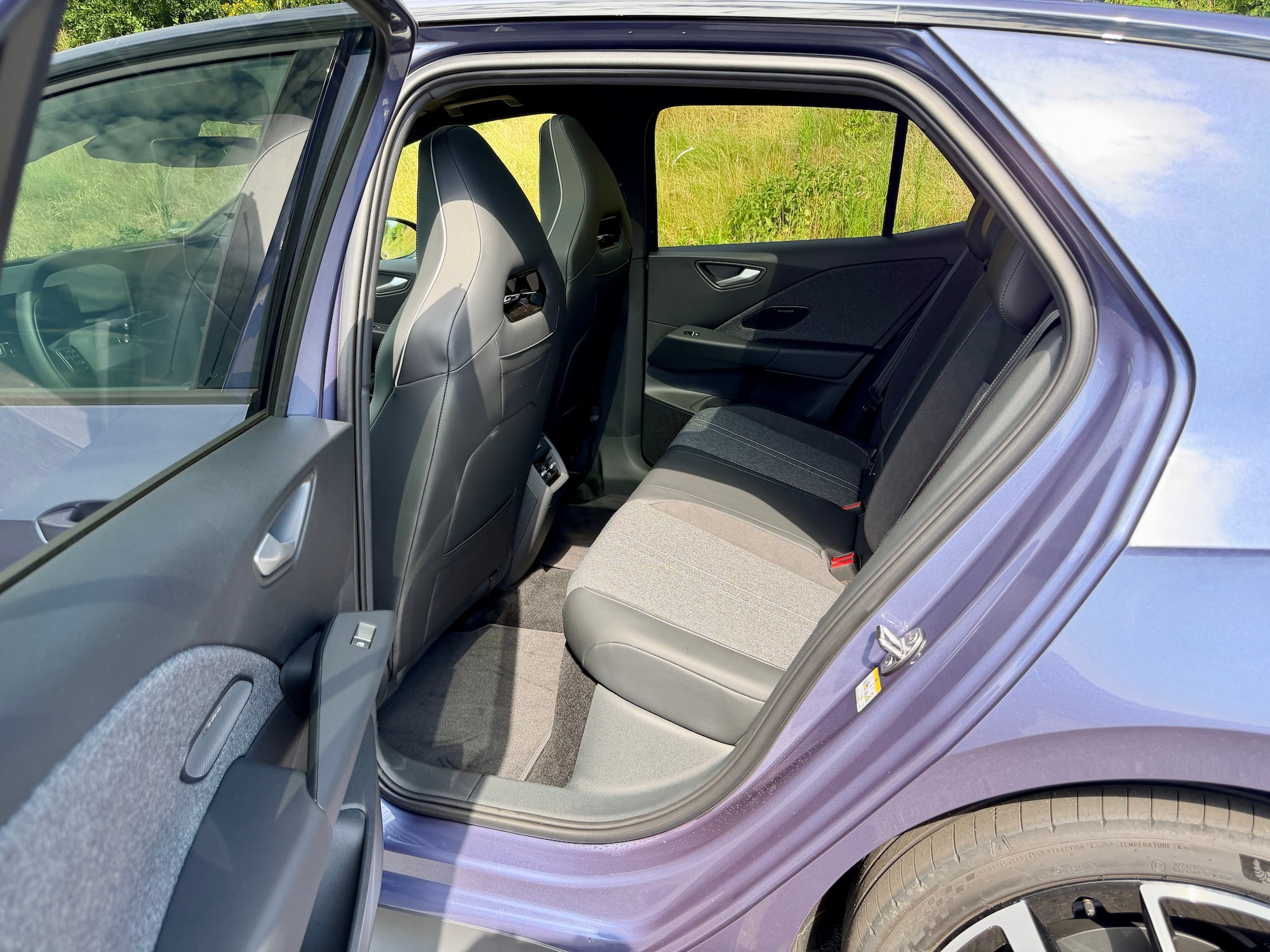
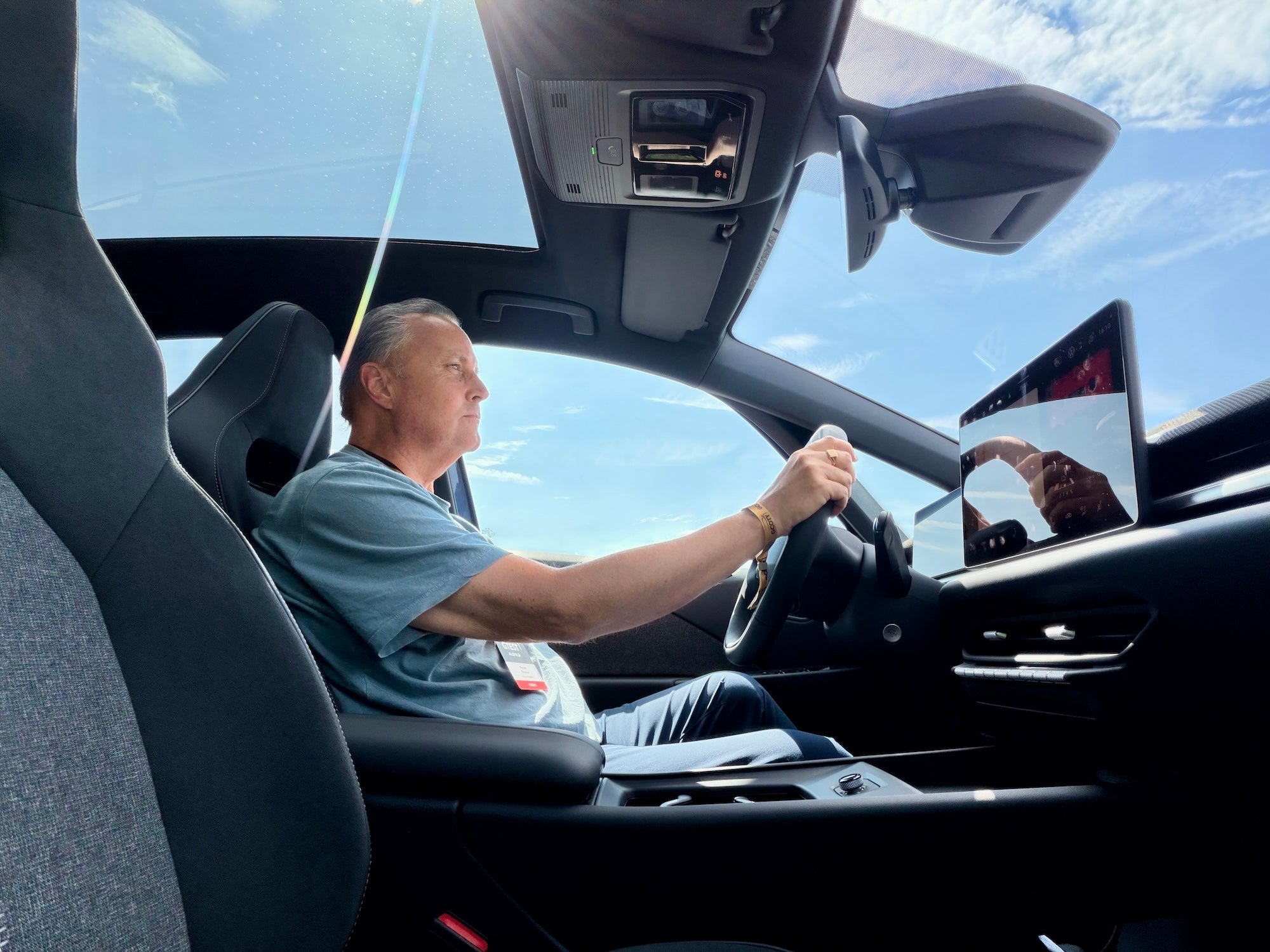
There is a new dashboard with a much cleaner, more horizontal layout, while the material quality has taken a big step forward. There is fabric across the dashboard, a smart speckled material across the strip beneath the air vents and more soft-touch plastics around the cabin. It all looks better, feels better and generally gives the car the more premium character that the ID.3 had been missing.
Just as importantly, Volkswagen has brought back proper controls. The old arrangement for operating the front and rear electric windows was one of those ideas that made everyday life more complicated than it needed to be. That has gone. The Neo gets proper window switches that feel high quality and are much more straightforward to use.
The new steering wheel is slightly odd-looking, with a top edge that is flatter than the already flattened bottom section, but it works perfectly well. More importantly, it now has proper buttons rather than the frustrating touch-sensitive controls of earlier ID models.
The driving position remains good, visibility is generally strong (although the back window is a bit shallow) and there is plenty of space for a car of this size. The ID.3 Neo is 4,287mm long, 1,809mm wide and 1,554mm tall, with a 2,764mm wheelbase, meaning it remains a sensibly-sized family car rather than something that has become too bulky for urban driving.
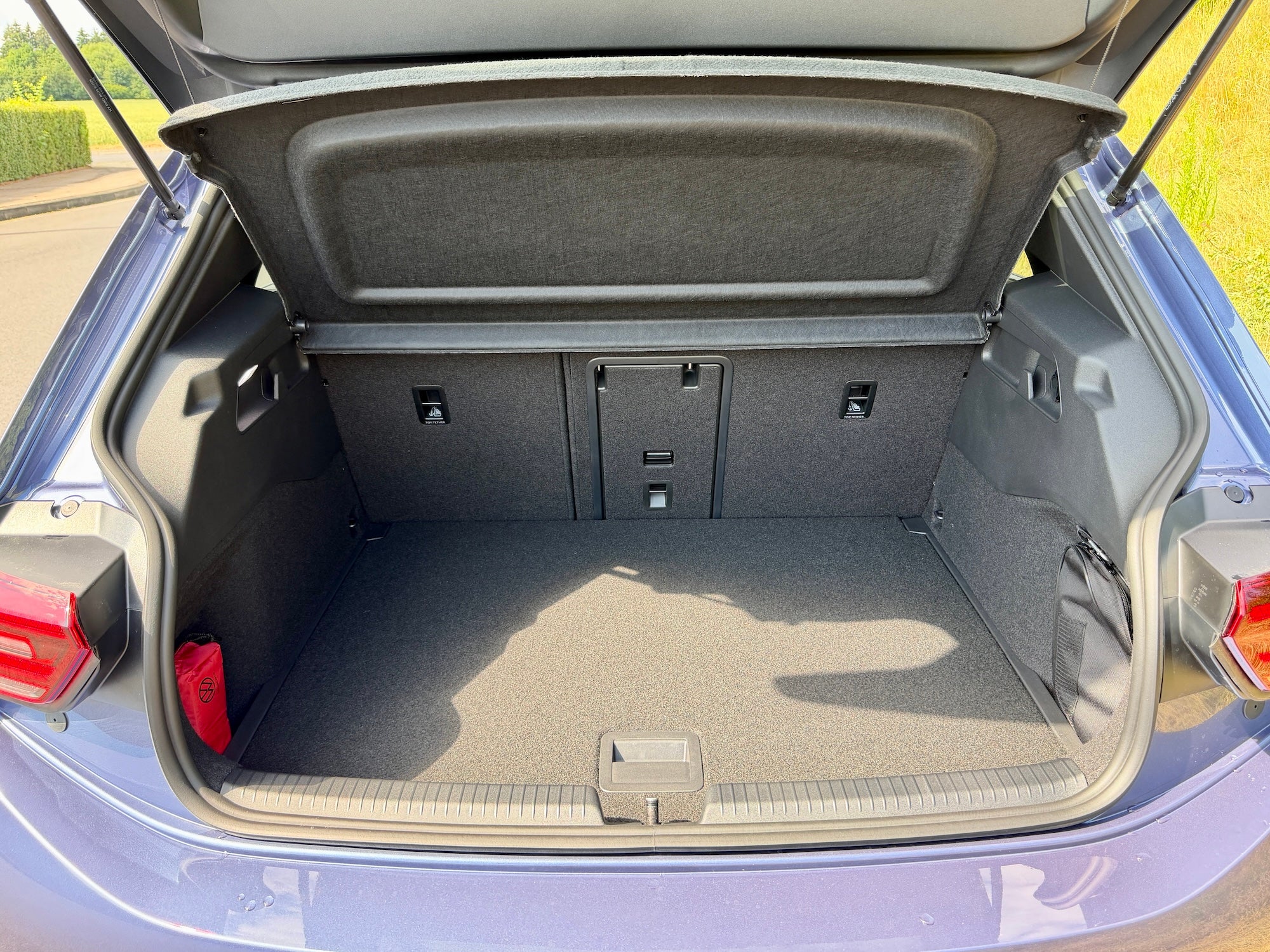
Rear-seat space is one of the ID.3’s long-standing strengths, with enough room for adults to sit comfortably behind similarly sized adults in the front. Boot space remains unchanged at 385 litres with the rear seats in place, expanding to 1,267 litres when they are folded down. That’s not class-leading, but it is useful enough for most family duties. Volkswagen also offers an optional mounting point for a bike carrier, with a maximum load of 75kg.
Technology, stereo and infotainment
The ID.3 Neo’s new touchscreen and infotainment system are a huge step forward. Volkswagen calls it Innovision, and it replaces the old Discover system with a new 12.9-inch central display that is clearer, faster and much easier to use.
The interface is superb. The menus are cleaner, the graphics are sharper and the system feels far more intuitive than before. It is the kind of upgrade that makes a difference every time you use the car rather than simply looking good on a specification sheet.
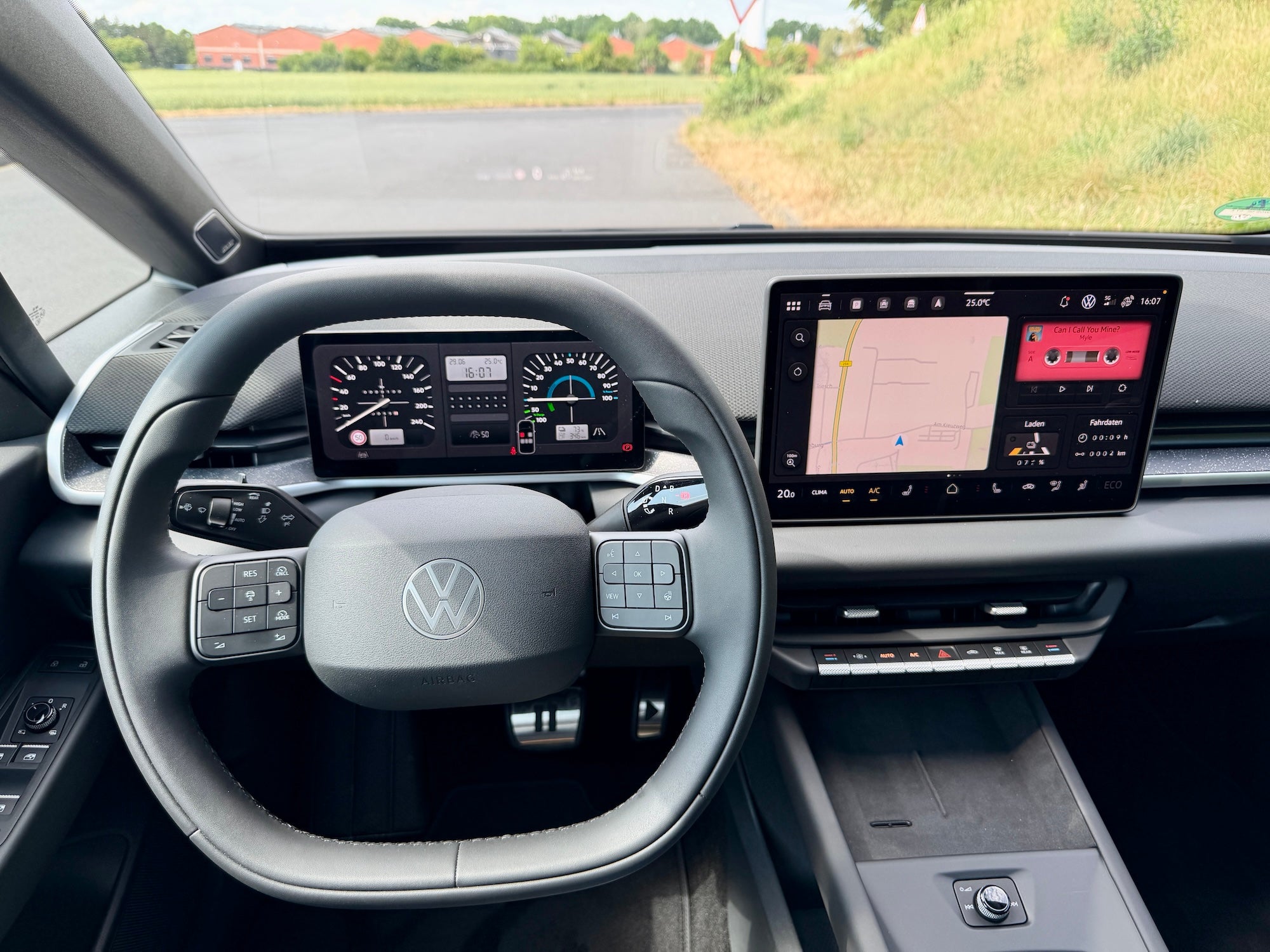
Ahead of the driver is a new 10.25-inch digital instrument display. It is clearer and more versatile than the old screen, with several layout options including a map view. There is also a retro setting inspired by the dials of a late Golf Mk1, with a traditional-looking speedometer on one side and a power meter on the other.
It is a lovely bit of theatre, even if the more modern display is probably easier to read day to day. Volkswagen has also added an optional retro-style infotainment setting, with a tape player graphic for music and a 1970s-style television look for the navigation display.
The ID.3 Neo gets a new app store, allowing owners to add services for audio, video streaming, parking, charging and gaming. VW Connect is included for ten years from first delivery and brings navigation services, remote functions, a digital vehicle key and the IDA voice assistant, which can work with ChatGPT.
Physical controls are now where they should be. There is a proper strip of buttons for climate control, a classic rotary volume control between the phone tray and cupholders and those buttons on the steering wheel.
The Style adds IQ.Light LED matrix headlights, a lit VW badge, Dynamic Light Assist, 30-colour ambient lighting, ID.Light, navigation, heated seats and steering wheel, premium sport comfort seats and an illuminated Volkswagen logo on the steering wheel. Options include a panoramic roof, 360-degree camera system, augmented-reality head-up display, Harman Kardon sound system, massage and memory front seats and Park Assist Pro with a memory function.
Prices and running costs
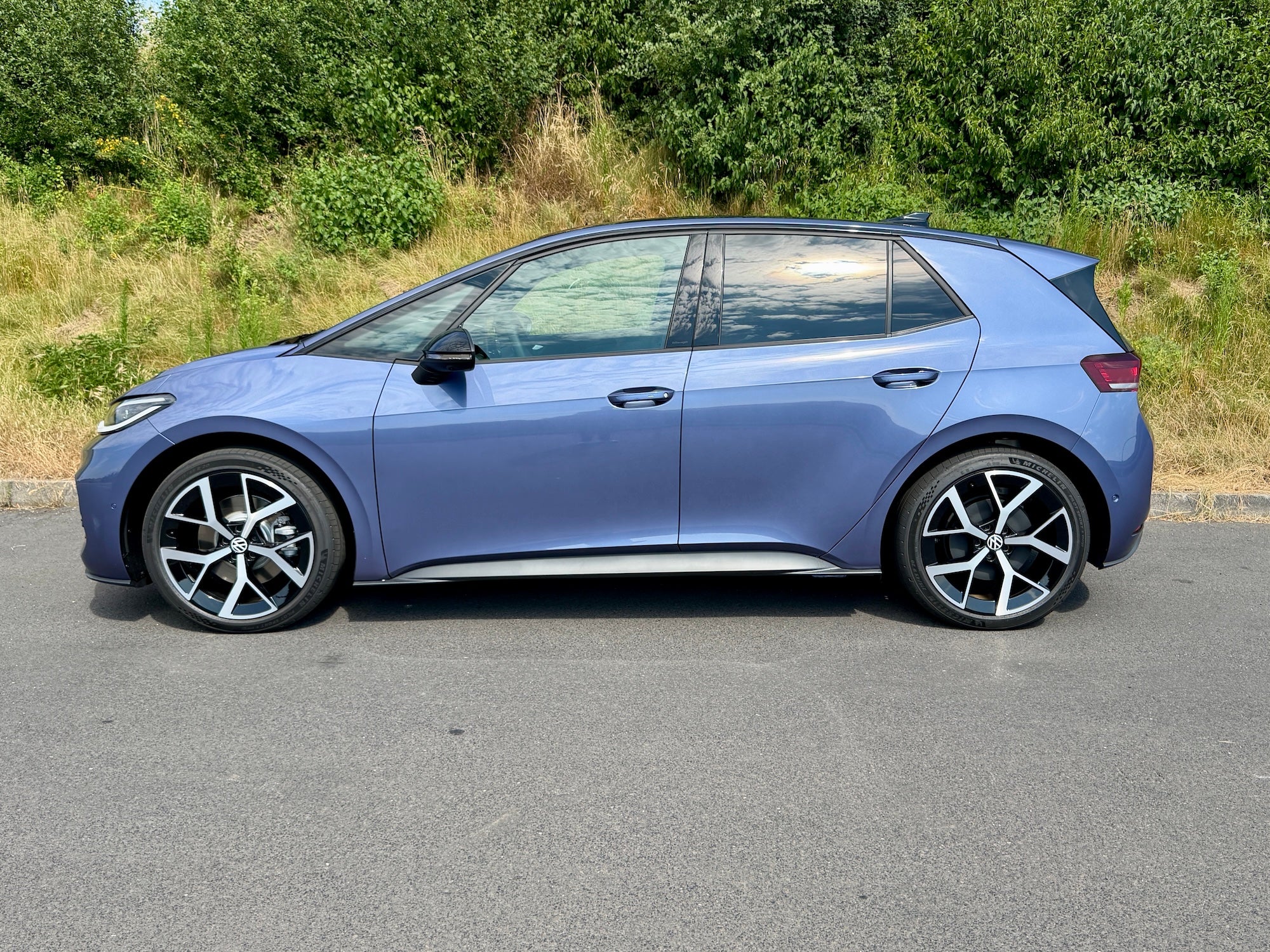
Volkswagen has not confirmed UK pricing for the ID.3 Neo, but I’d hope it’s not too far away from the existing ID.3 which starts at just over £30,000 and runs up to just under £40,000 for the mainstream cars, with a sportier GTX costing £46,000. Some models are currently eligible for a £1,500 discount as part of the government’s electric car grant, which should still apply to the ID.3 Neo.
The range structure should make it easy for buyers to choose according to budget and usage. The 50kWh version offers a claimed 259 miles, the 58kWh car up to 307 miles and the 79kWh version up to 391 miles.
The Style 79kWh I tested is likely to be the most expensive version of the revised line-up, but it also combines the strongest range, fastest charging and highest output.
The verdict: Volkswagen ID.3 Neo
Volkswagen has tackled the ID.3’s biggest weaknesses head-on, delivering a much more polished, premium and easy-to-use electric family hatch that now feels far more deserving of its Volkswagen badge. It’s now a compelling choice in the competitive EV hatch space and could even be the best in class, as long as VW prices it right.
Volkswagen ID.3 Neo rivals
FAQs
How long does it take to charge?
The Volkswagen ID.3 Neo with the 79kWh battery can charge at up to 183kW on a rapid charger. Volkswagen says a 10 to 80 per cent charge can take around 26 minutes in suitable conditions. The 50kWh and 58kWh versions charge at up to 105kW DC and take around 26 to 29 minutes for the same 10 to 80 per cent charge.
How much does the Volkswagen ID.3 Neo cost – is it worth it?
UK pricing has not yet been confirmed in the information supplied for this review. The current ID.3 runs from just over £30,000 and up to just over £46,000. The government’s £1,500 Electric Car Grant currently applies to the ID.3, so I’d expect it to carry over to the ID.3 Neo.
Does Volkswagen replace batteries for free?
Volkswagen covers the batteries on its EVs for up to eight years, in addition to the standard three-year coverage on the rest of its cars.
Why trust us
Our team of motoring experts have decades of experience driving, reviewing and reporting on the latest EV cars, and our verdicts are reached with every kind of driver in mind. We thoroughly test drive every car we recommend, so you can be sure our verdicts are honest, unbiased and authentic.