



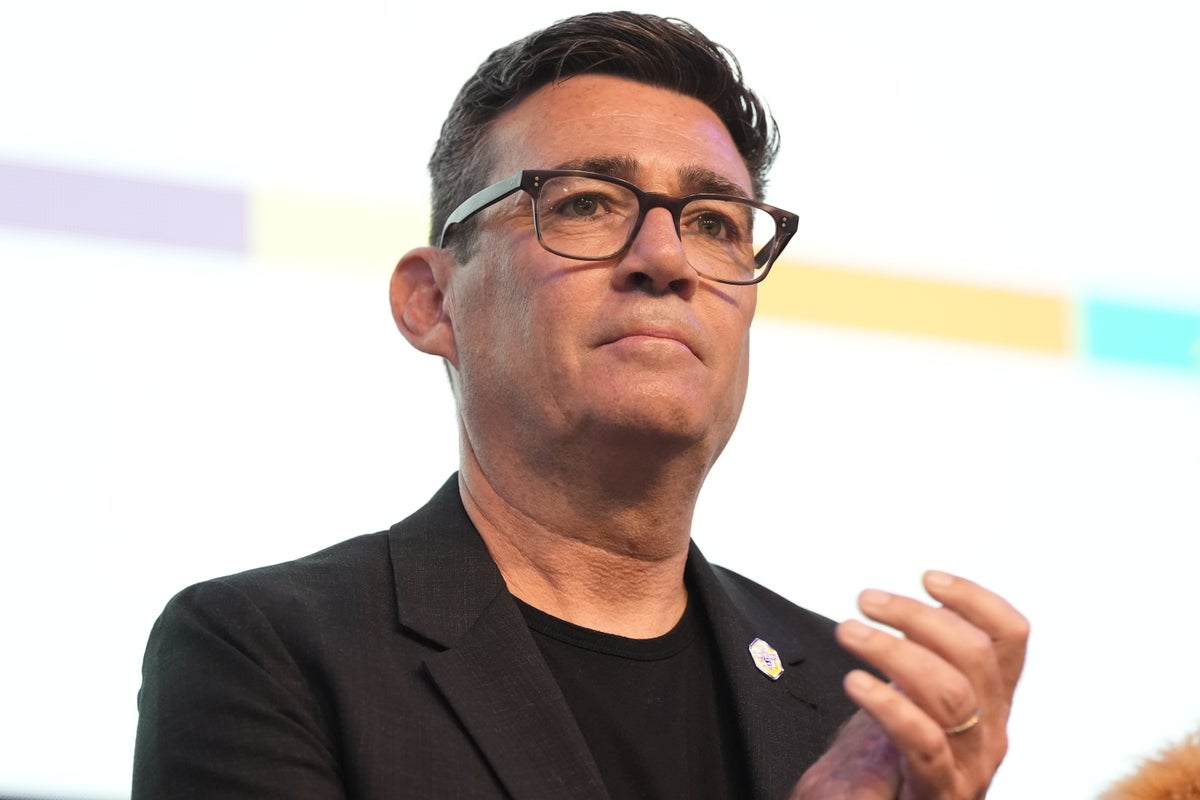
When, as now seems inevitable, Andy Burnham goes to see the King on 20 July to be confirmed as His Majesty’s fourth prime minister in four years, he will have a huge to-do list waiting for him back in Downing Street.
And he won’t need to be reminded by King Charles that the first duty of government is the defence of the realm.
The latest revelation by experts at the International Institute for Strategic Studies (IISS) that Russia used drones to spy on NATO bases in Europe only underlines what a nightmare situation the new PM will be inheriting from Sir Keir Starmer.
NATO allies had already been warned that they need to be ready for an actual war with Russia by 2030 – meaning Britain needs to be ready right to now to fight the threat of the Kremlin.
But Sir Keir’s long-awaited and much dithered over Defence Improvement Plan (DIP), unveiled this week, was £13bn short in terms of what was needed, according to experts, to get the UK’s armed forces in shape. Perhaps even worse, of the more limited pot made available, almost £5bn is still unfunded.
John Healey and Al Carns, who last month resigned as defence secretary and armed forces minister respectively in a row over the funding, feel fully vindicated for their decisions to quit a Labour government that is failing to take the gravity of the situation seriously enough.
In effect, Mr Burnham may need to find as much as £18bn more to give the UK a chance to be ready for the oncoming threats as well as deal with the massive instability in the Middle East – and Vladimir Putin’s war in Ukraine. Never mind what might happen with China in the Pacific.
On top of this, the US – whether Donald Trump is in charge or not – is on a trajectory of abandoning the defence of Europe and making demands that European allies pay their way.
The idea that the UK will hit 3.5 per cent of GDP on defence in decade seems like a far-fetched dream under the current circumstances, but nevertheless that is the promise.
But already, asThe Independent revealed, the very people who have forced Sir Keir out and have been the cheerleaders of Mr Burnham to replace him – the left of the party – are now warning him that he cannot touch welfare to fund defence.
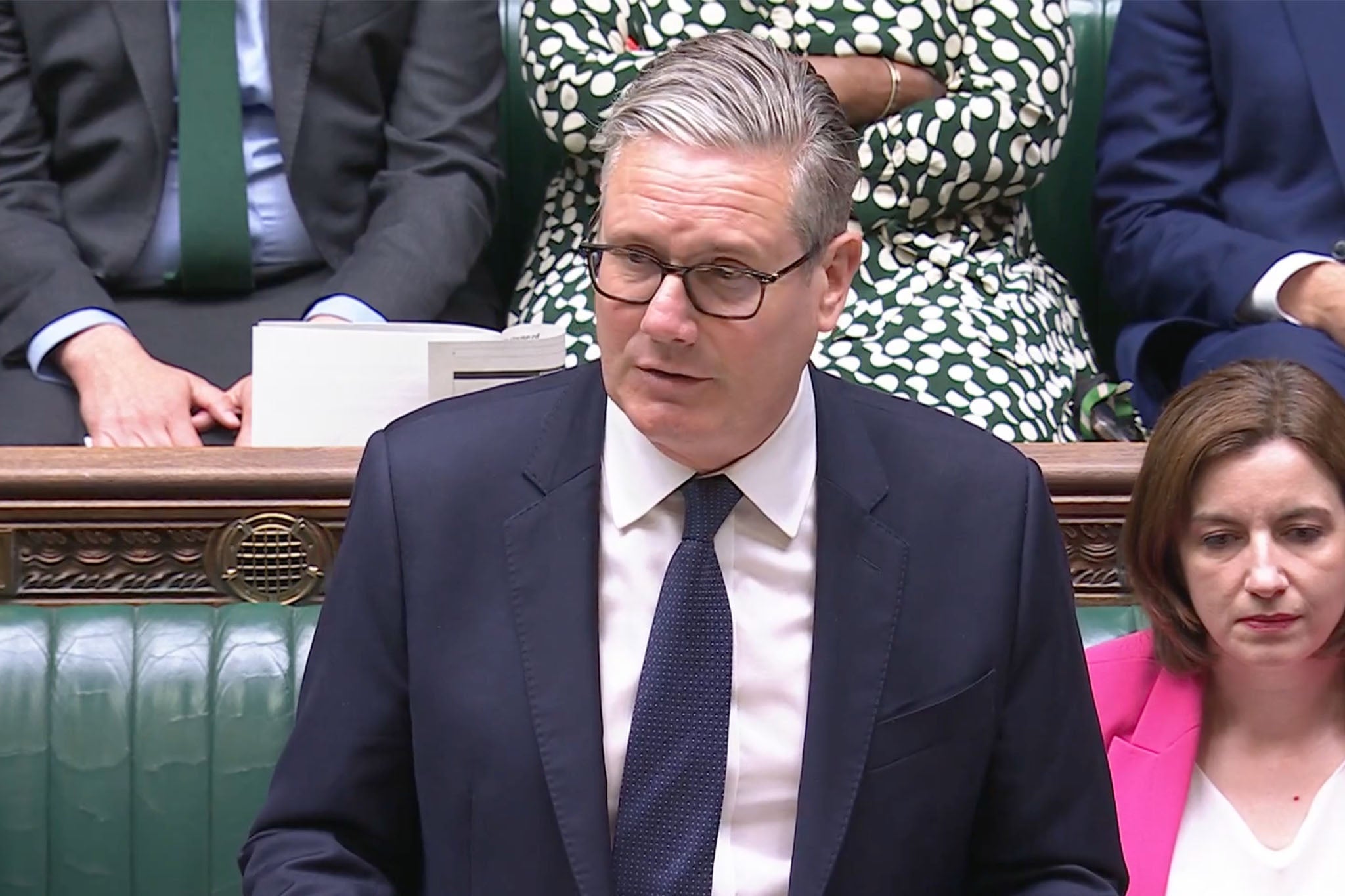
It seems that, if he tries, Mr Burnham will be facing the same sort of backlash and rebellion that drained Sir Keir of his authority last summer when he attempted to merely curb the welfare bill by £5bn.
So, not only does Mr Burnham have to find a solution to the defence funding issue at a time when Labour MPs are already complaining about road projects being cancelled to pay for the current DIP proposals – but he will have to muster all his leadership skills to persuade his party that there is no choice.
The problem with defence spending is that it is rarely popular. Because it is an insurance policy, it does not produce the results that help win votes – like a new hospital or a new school or road improvements.
But when things go wrong – and the insurance policy is not good enough – then it is a complete catastrophe.
Some are already making comparisons to the 1930s when Winston Churchill’s calls for the governments of Stanley Baldwin and Neville Chamberlain to rearm Britain fell on deaf ears until the latter part of the decade.
At the time, a bit like now, the government was trying to deal with the aftermath of an economic crisis following the 1929 Wall Street Crash while coming under pressure to massively invest in social housing and public health and education services.
It meant that, when war broke out with Hitler’s Nazi Germany in 1939, Britain only narrowly avoided total catastrophe in the retreat from France.
The problem with history is that it has a nasty habit of repeating itself – along with repeats of all the mistakes made for similar reasons.