



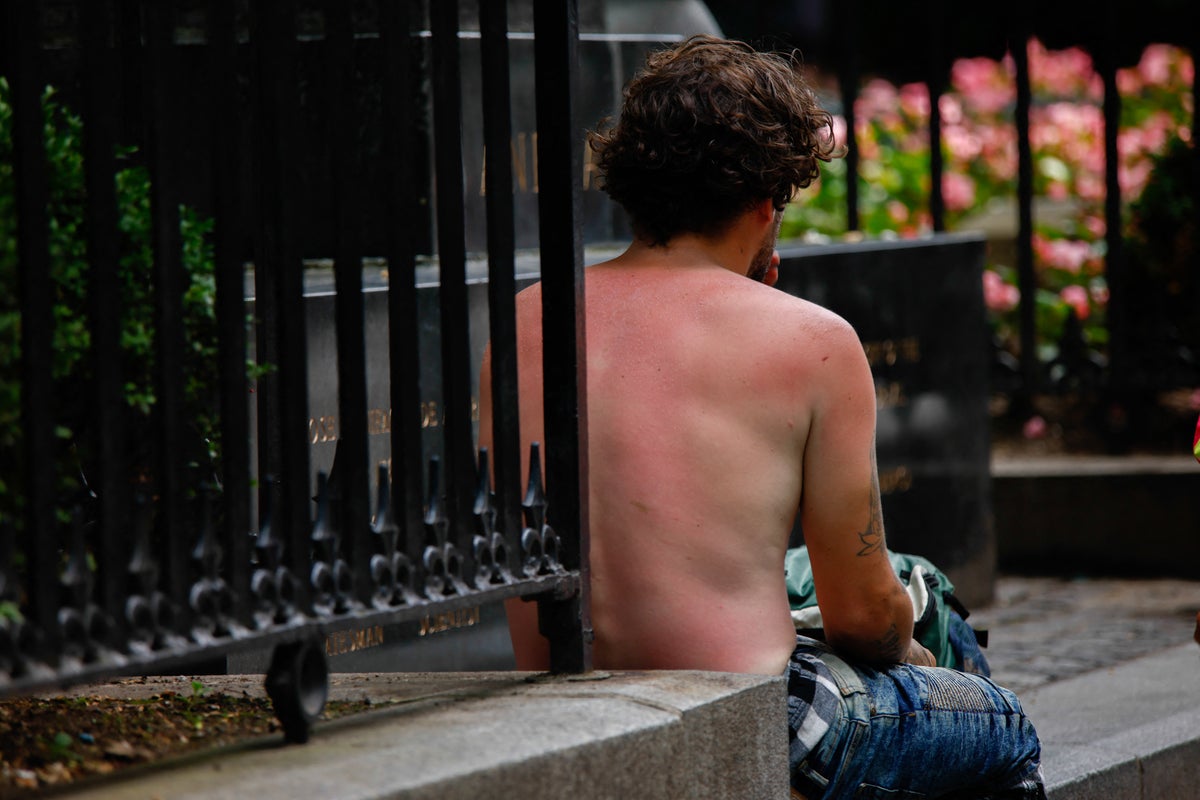
It only takes minutes to get a damaging sun burn that can change your life.
Sun burns raise the risk of developing deadly skin cancer known as melanoma, which kills over 9,000 Americans each year, federal data shows.
Just five or more sunburns of any severity can double that risk, according to the Skin Cancer Foundation. That’s because the sun’s ultraviolet rays damage the skin’s cells, causing DNA mutations that lead to cancer.
“Every intense sunburn adds to your skin’s lifetime DNA damage,” Dr. Michelle Henry, of New York City’s Skin & Aesthetic Surgery, recently told The New York Post.
“We don’t have one exact threshold where researchers can say, ‘This one burn changed everything,’ but we do know the risk increases with both the severity and number of burns.”
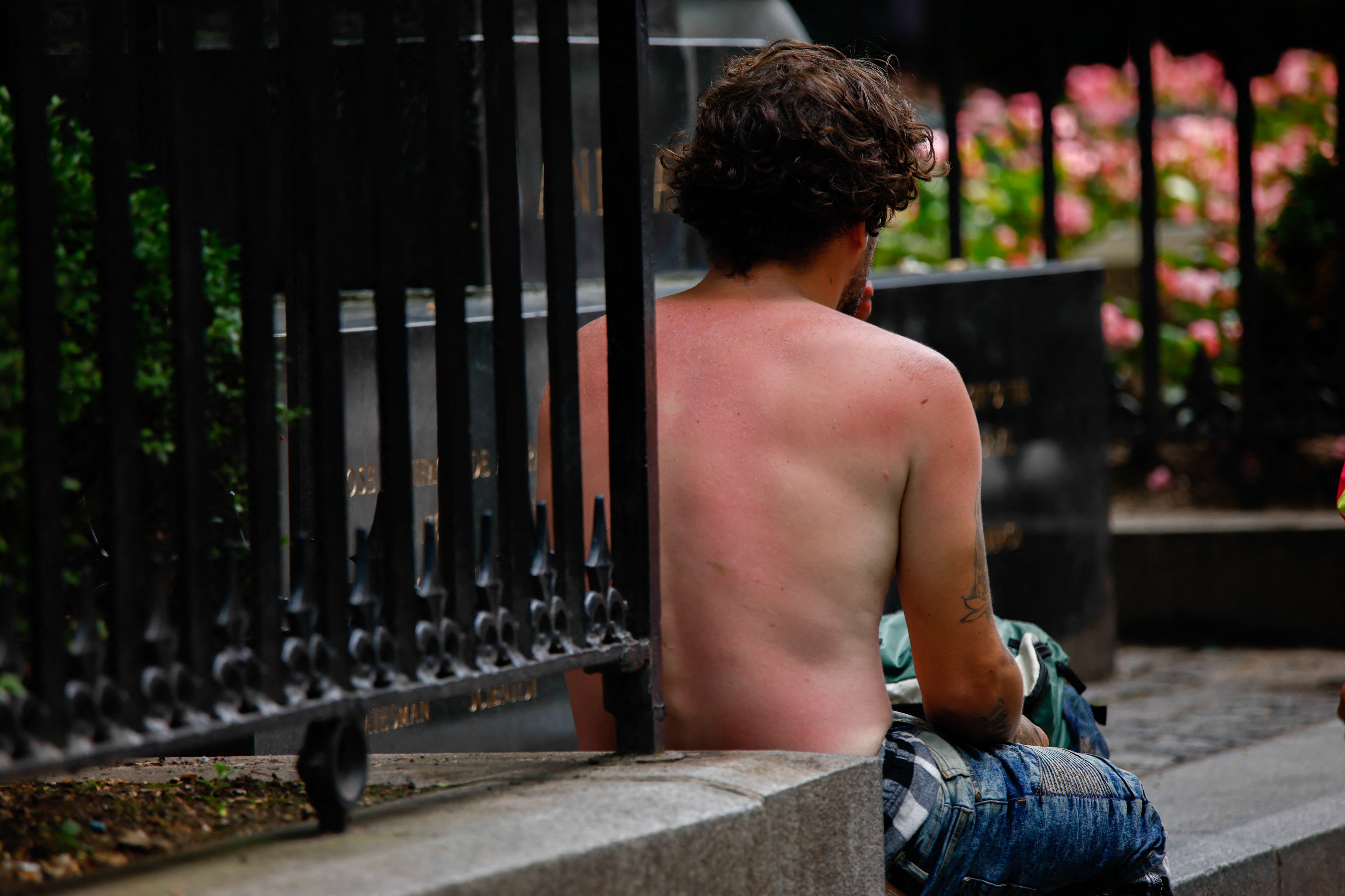
But it’s not only the number of sunburns that matter for your risk. An individual’s age and the severity of burns are also important.
The majority of sunburns are first-degree burns and damage the skin’s outer layer.
But bad second-degree burns are fairly common, too. These burns harm the middle layer of the skin and can lead to blisters and a trip to the hospital, according to the Cleveland Clinic.
Blistering or severe sunburns in childhood are associated with developing the second-most common form of skin cancer later in life, known as squamous cell carcinoma. Squamous cell carcinoma deaths are rare but still number in the thousands, according to the American Cancer Society.
Getting five or more blistering burns between the ages of 15-20 increases melanoma risk by 80 percent as well, the American Academy of Dermatology Association says.
Peeling only occurs with first-and second-degree sunburns, as the body tries to get rid of the damaged skin cells.
Very rarely, a person may develop a third-degree sunburn. These sunburns damage all layers of the skin, and can destroy nerve endings. They may appear white and charred and require emergency treatment.
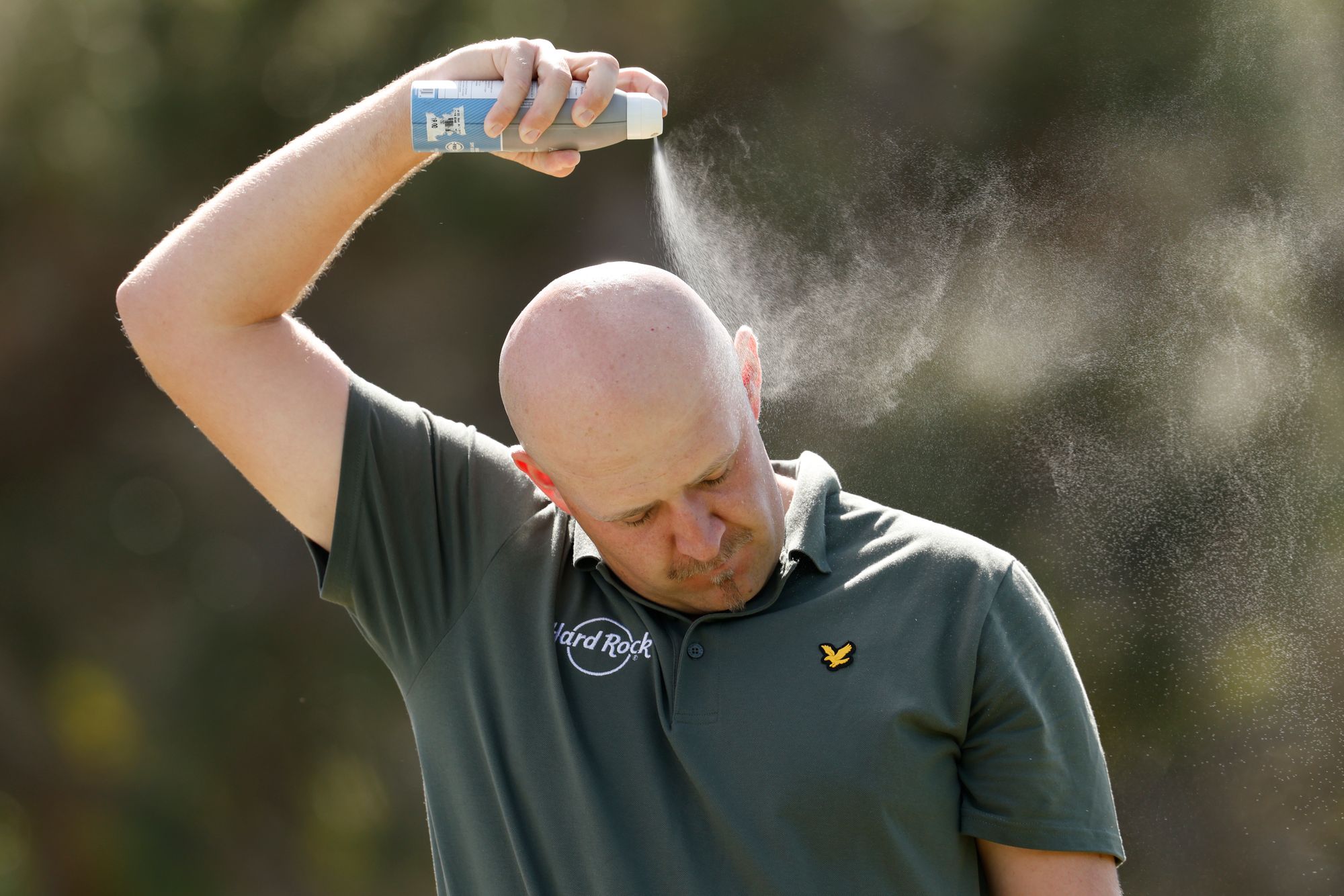
More than 88 million U.S. adults experience a sunburn each year, including nearly 19 million who had four or more sunburns, a 2024 national survey found.
While there are no established techniques to reduce cancer-causing damage after a sunburn, experts say preventative measures are key to ensure people don’t raise their risk.
The first is just to cover up, wearing a long-sleeved shirt and pants, a wide-brimmed hat or sunglasses with UV protection.
The second is to ensure sunscreen has been generously applied and rubbed into any exposed areas, applying at least 30 minutes before heading outside reapplying around every two hours.
“You’ll start to notice when your skin no longer has the protection it needs,” family medicine specialist Dr. Amanda Valdes told the Clinic. “The key is to act on it. Don’t ignore the signs.”

.jpg?trim=0,0,0,0&width=1200&height=800&crop=1200:800 "New Trump book has sold 300,000 copies with more being printed, publisher says – UK Times")