



A deadly, record-breaking heatwave has suffocated western Europe this week, killing hundreds and forcing millions to ditch their daily routines.
Now, with an inquisition into the continent’s stark lack of preparedness set to begin as the weather front shifts eastwards, top scientists say we have passed a threshold where the threat of climate change is no longer an abstract future – but a “concrete, present, disruptive feature of daily life”.
The impact has been devastating. At least 55 deaths linked to the heatwave have been reported in France alone, where temperatures surpassed 40C in Paris.
Several children have died after becoming trapped in cars, dozens have drowned as they try to cool off, and hospitals across the continent have become inundated with heat-related issues, with French medics describing “apocalyptic” scenes.
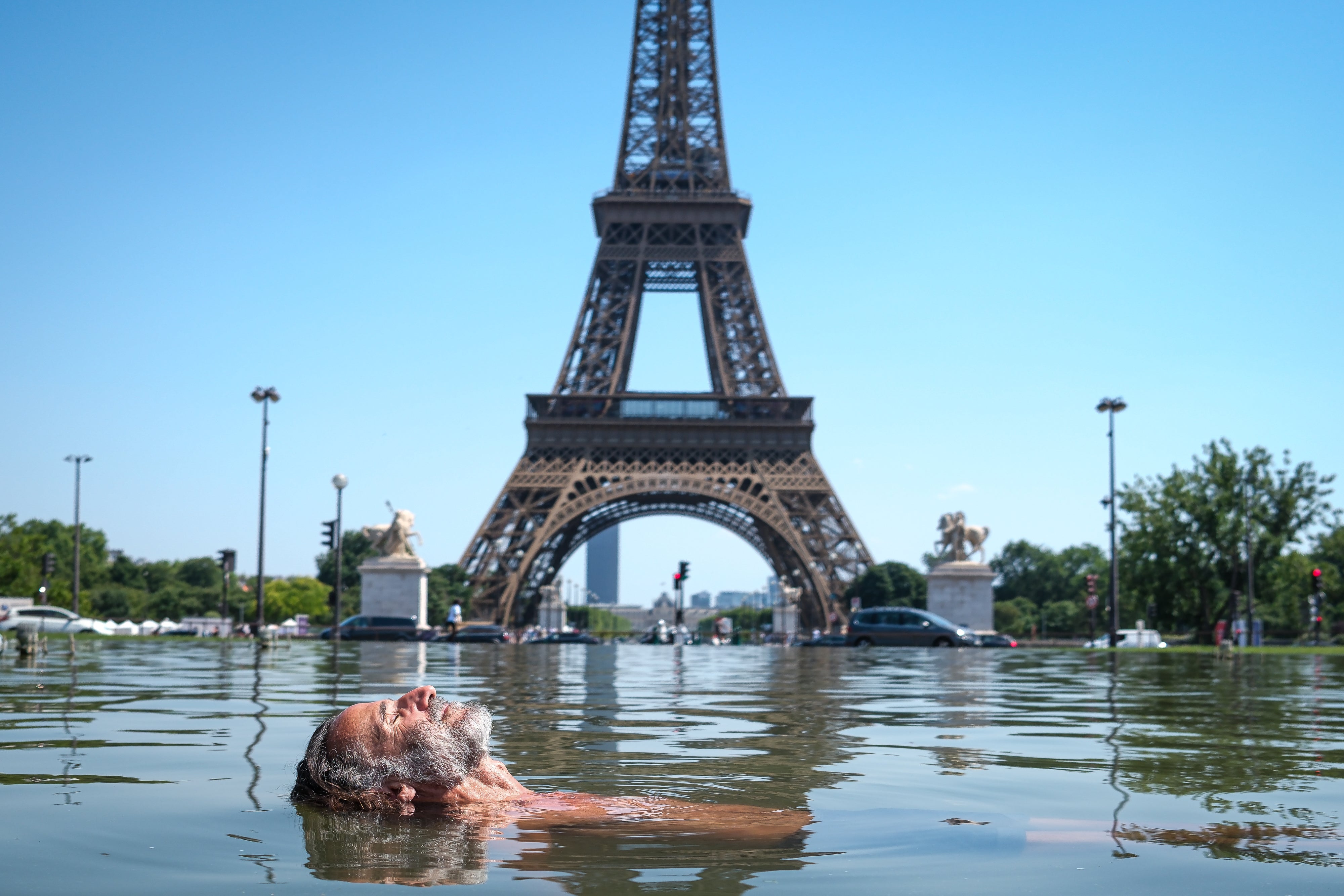
Transport and tourist infrastructure has been heavily impacted, while thousands of schools have been closed across the continent.
“We are at the transition point where climate change shifts from being an abstract, statistical, future problem, to a concrete, present, disruptive feature of daily life,” says Dr Samantha Burgess, deputy director of the Copernicus Climate Change Service.
“Something that closes your child’s school. Shuts down the train you need to commute on. Forces a nuclear reactor offline. Tells you not to go outside at certain times of day. My view is that we have crossed this threshold in Europe, over the last three years and the evidence is overwhelming.”
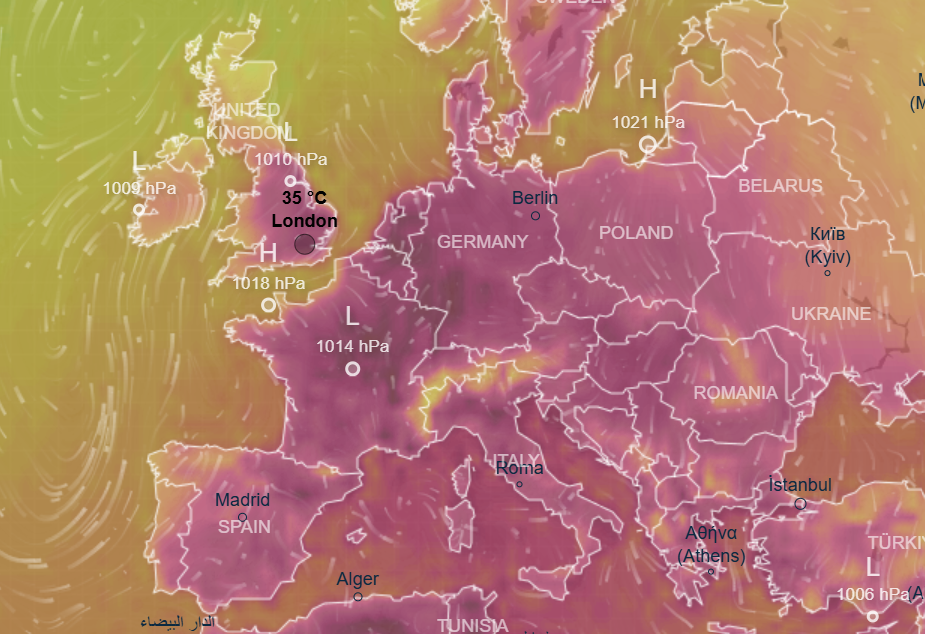
Questions were already mounting over Europe’s failure to develop infrastructure able to cope with extreme heat, despite knowing for decades that average temperatures were rapidly rising in the world’s fastest heating continent.
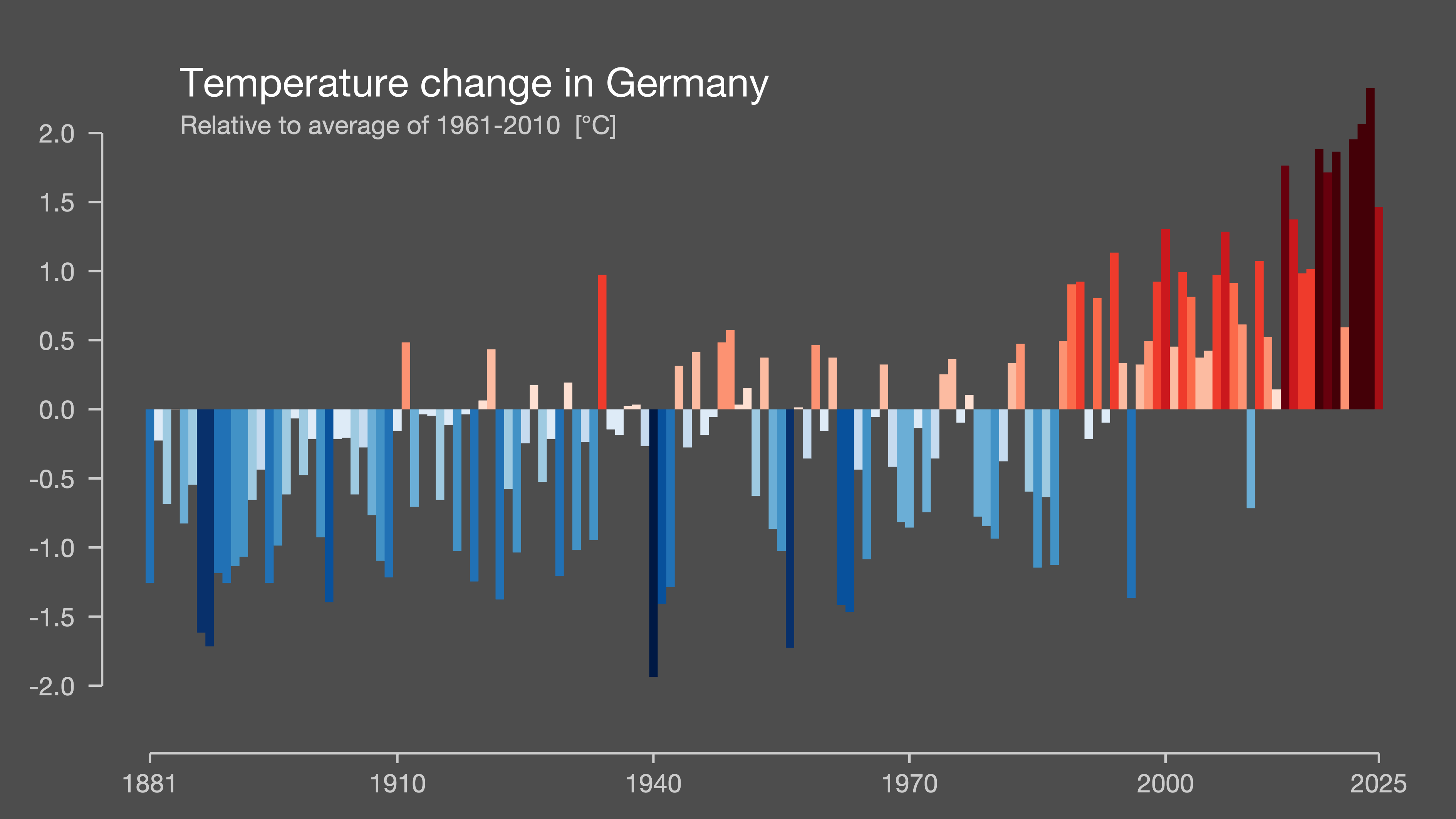
Since the 1980s, Europe has warmed at twice the global average, inflicting losses on the European Union to the tune of €822 billion while 441,000 died, the European Environment Agency (EEA) says. A quarter of the financial losses were recorded between 2021 and 2024, a clear warning that the impact of rising temperatures is rapidly intensifying.
Dr Burgess says the impact of the June heatwave is the result of decades of building infrastructure for a climate that no longer exists.
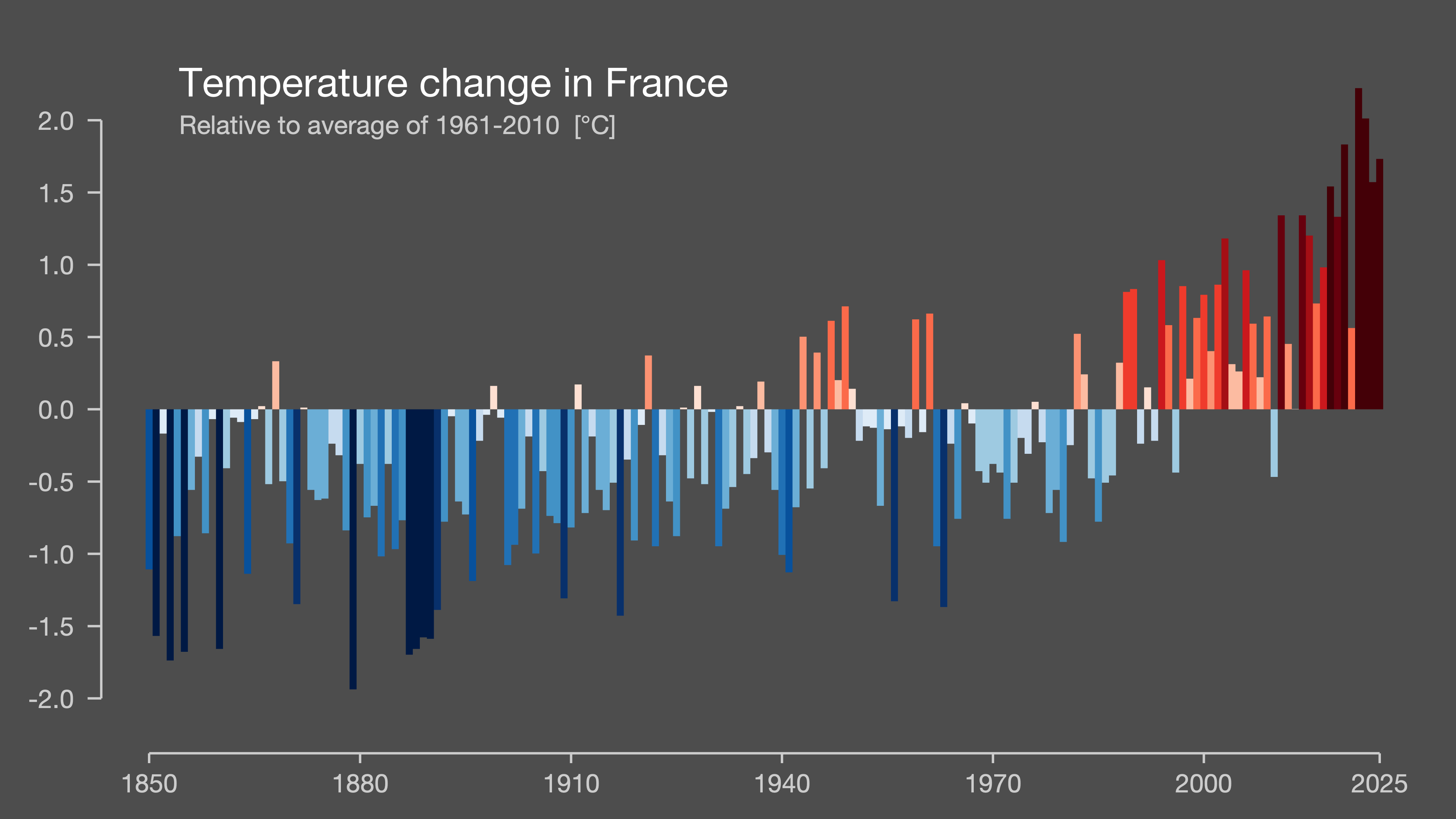
“What we’re watching is not a freak event breaking an unprepared continent, it’s a structural mismatch between infrastructure built for one climate and the climate that now actually exists,” says Dr Samantha Burgess, deputy director of the Copernicus Climate Change Service.
“That gap is widening every year.”
She says that the “solutions are known” but “what is missing is the urgency to implement them”.
Deaths mount as infrastructure strains
Across the continent, cultural landmarks have been forced to close, major events have been cancelled, and restrictions have been put on everyday life.
Paris police asked organisers of major events, including the Solidays music festival, to cancel them. Organisers of the Pride festival said they would reschedule to September.
French authorities announced a ban on drinking alcohol in public on Friday, when France were due to play Norway in Boston in the soccer World Cup.
Health authorities remain on high alert, as heat-related incidences skyrocket. “The impact on the mental health of healthcare workers is enormous,” said Wilfrid Samut, spokesperson for the Association of Emergency Room Doctors of France. “It’s apocalyptic.”
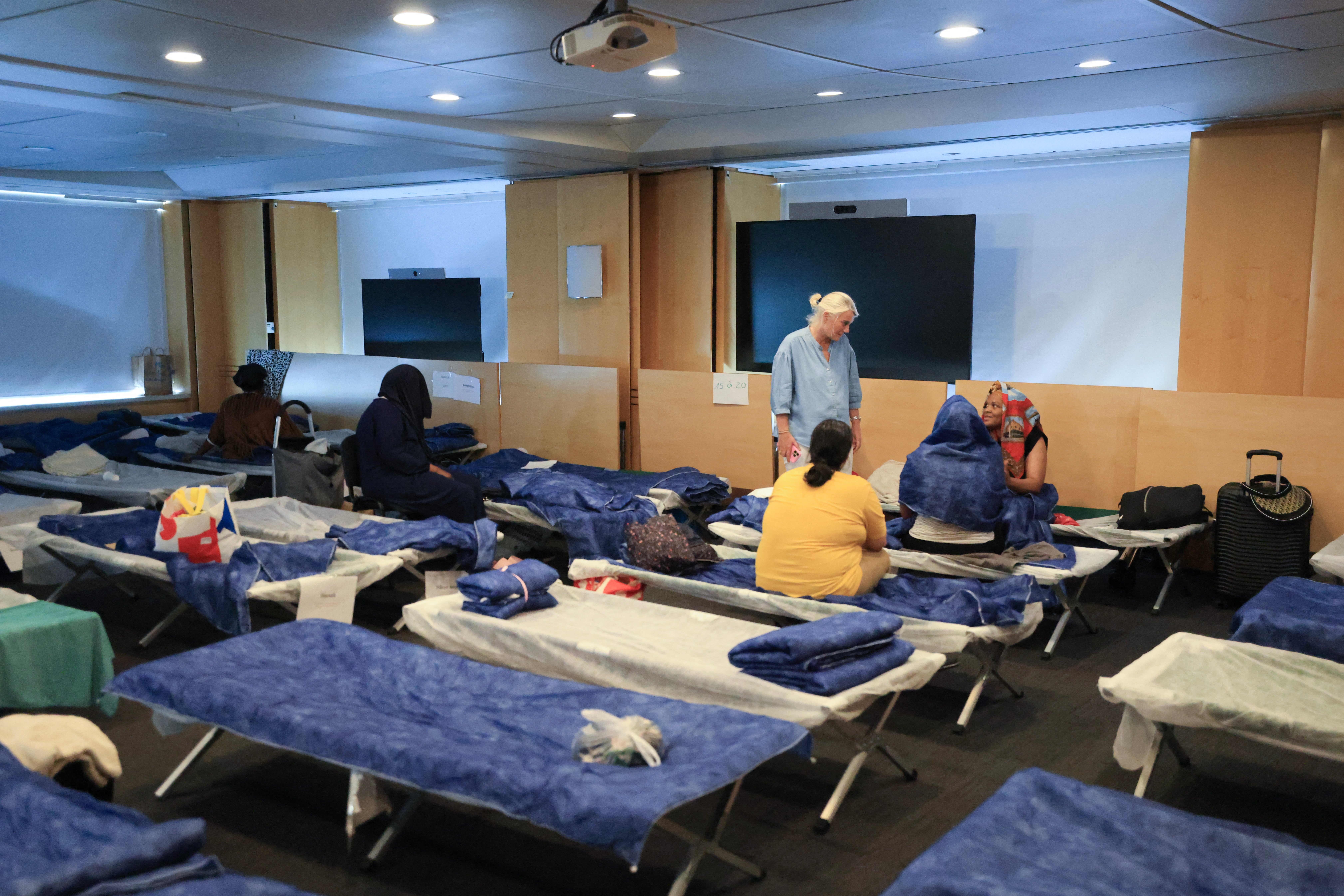
Earlier in the week, the Eiffel Tower and other venues in Paris set up misting stations as authorities looked to minimise risks for tourists.
France’s state-owned energy giant EDF even shut down several nuclear reactors as a precautionary measure, abiding by strict environmental controls for nuclear power plants.
Meanwhile in Germany, in just one example of the impact of the heat on transport infrastructure, the surface of the A2 motorway in eastern Germany buckled and ruptured over several lanes on Thursday evening, according to the BZ newspaper. Up to 30 vehicles were damaged as a result, leaving two people with minor injuries and forcing the highway to be closed.
Extreme heat can cause thermal expansion and deformation, meaning rails can buckle, roads can melt or soften, leading to speed restrictions, failures, and major disruptions across transport networks.
In the UK, where only 40 per cent of the capital’s tubes and trains are air-conditioned, an investigation by The Independent found temperatures hitting as high as 39.4C underground.
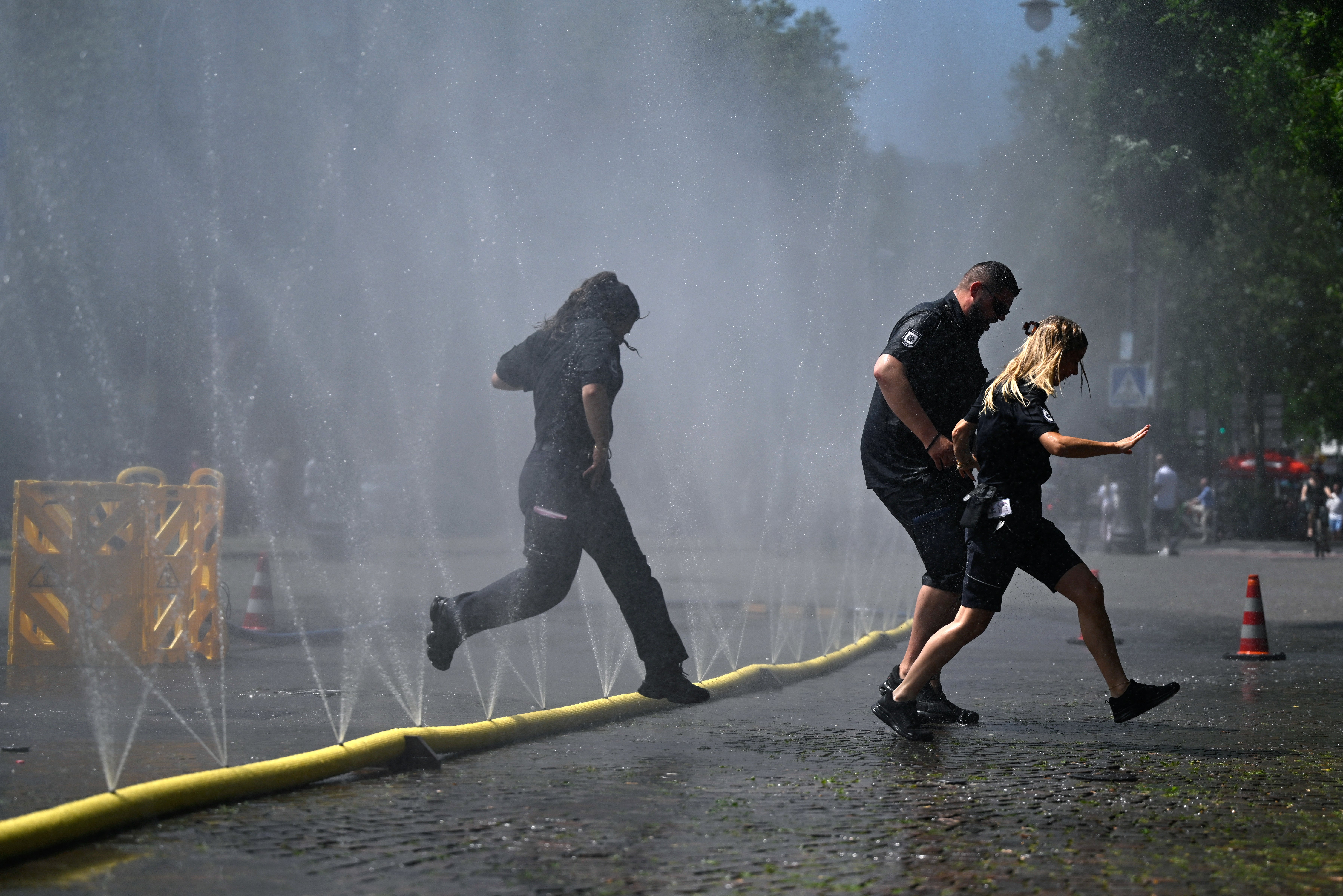
Five hospital trusts declared a critical incident today, with the Royal Devon and Exeter Hospital the latest to declare that the extreme heat and humidity is affecting its ability to deliver services.
The EEA told The Independent that around 16,000 European schools experience temperatures above 30C during the school year – with this number projected to rise sharply.
Europe must make radical changes to match new reality
On Friday, the World Weather Attribution group of climate scientists said the ongoing heatwave would have been “virtually impossible” without human-caused climate change – which made this week’s soaring night-time temperatures 100 times more likely than they would have been just two decades ago.
Extreme heat is “pushing infrastructure beyond its design limits”, the EEA says.
Going forward, European governments need to carry out dramatic upgrades to create climate resilient infrastructure at a much faster pace. This month’s heatwave has laid bare the urgency of this, scientists say.
“Roads, railways, energy systems, and buildings must be redesigned or retrofitted to withstand higher temperatures,” the EEA said.
Climate considerations must be at the centre of urban planning, it said, by expanding green spaces, reducing heat islands and redesigning cities to manage heat stress.
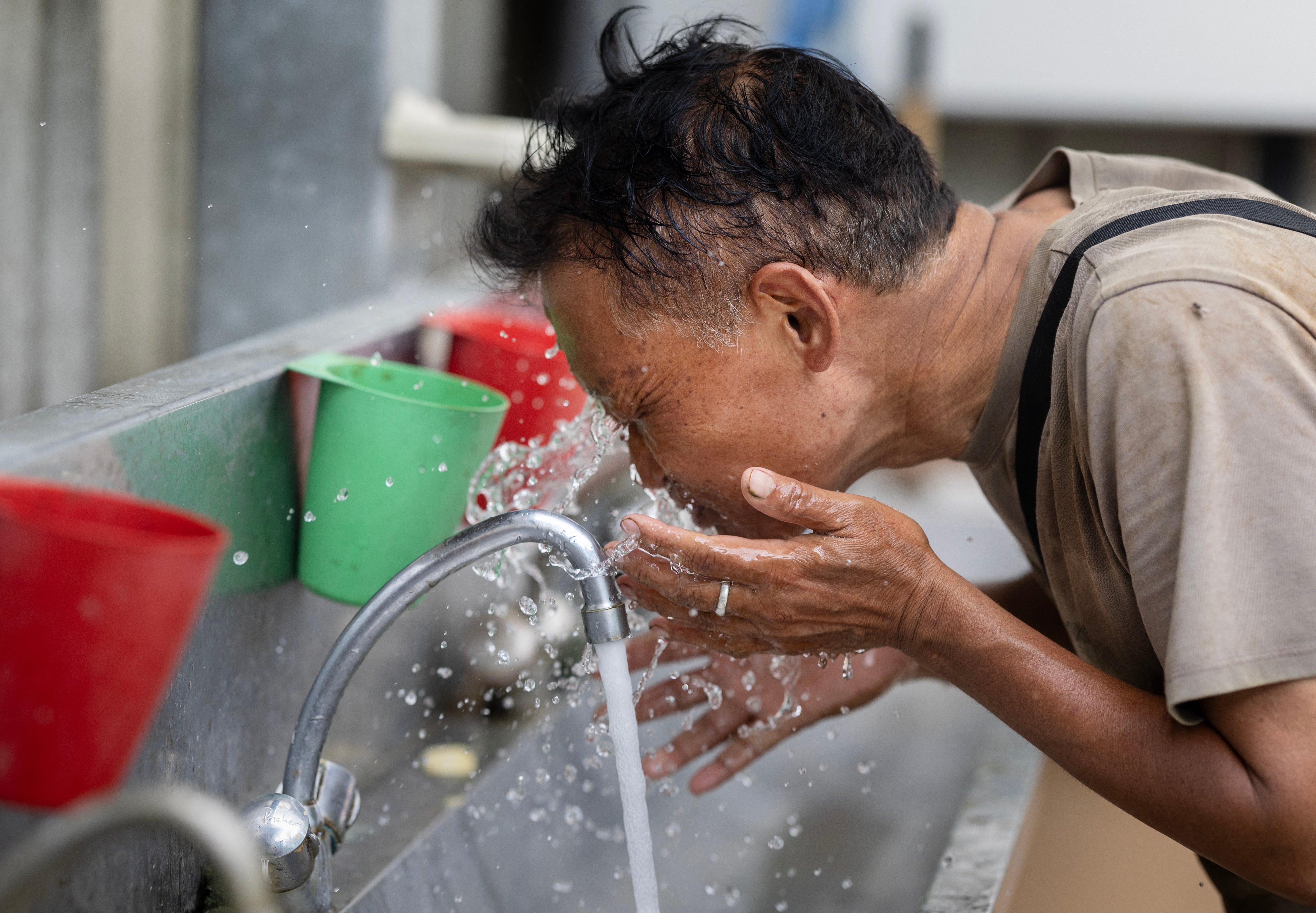
Increasing tree cover can be one such measure, something which has been adopted by London mayor Sadiq Khan, who has set a target to increase tree cover by 10 per cent of current levels by 2050.
In all other areas of planning and investment, climate risk must be a central consideration. Failure to do this would reproduce the same problems of the past; locking in vulnerable infrastructure that cannot cope with high temperatures, and therefore increasing long-term costs.
Heat-health plans should also be scaled up, the EEA says, to ensure the protection of vulnerable groups.
