



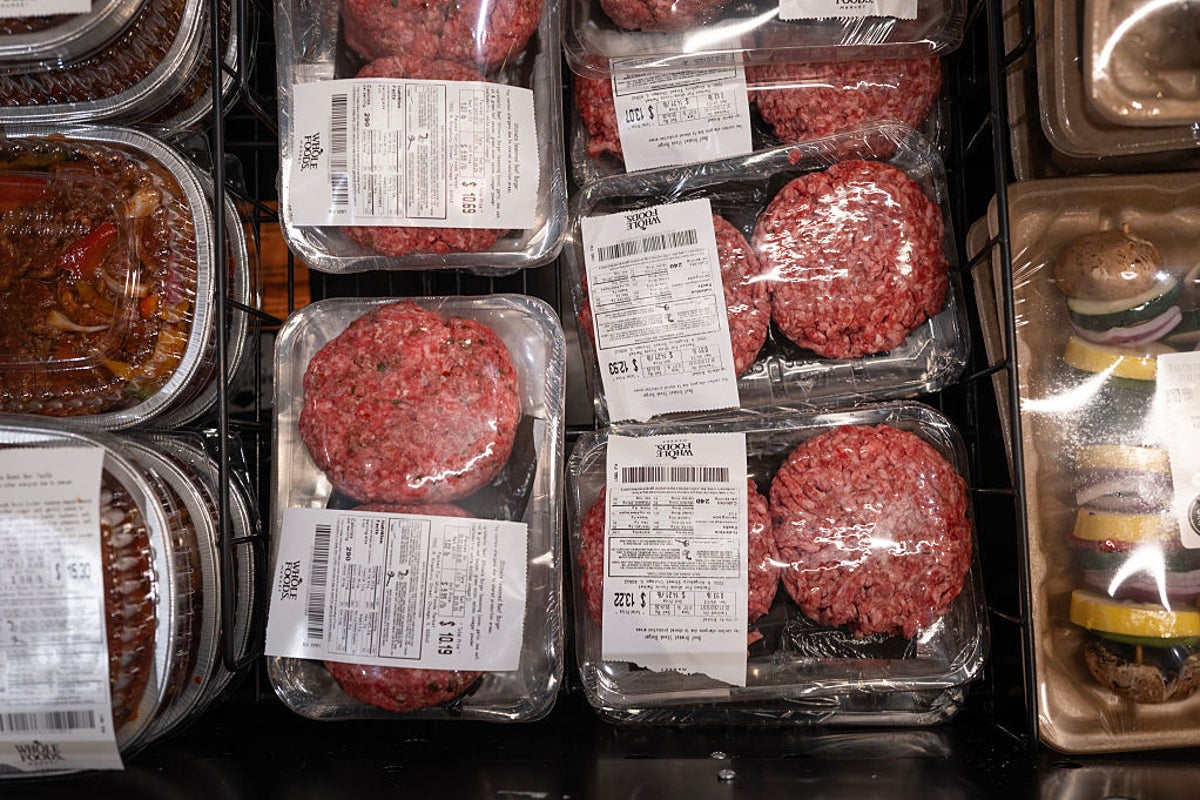
It’s summer grilling season, but for many Americans, surging prices mean beef is no longer what’s for dinner.
The cost of beef, having spiked since early 2025, is coming under even more pressure. The most recent is the screwworm outbreak that hit cattle in Mexico and has now spread to the United States, where the cattle herd has already fallen to levels not seen since the 1950s, due in part to drought.
Meanwhile, potential trade disruptions loom. Just before U.S. and Mexican trade negotiators began meeting on June 16-17, 2026, to discuss the long-standing deal binding North America, President Donald Trump warned that Washington may not renew the agreement, which was negotiated during his first term, and instead potentially withdraw from it altogether.
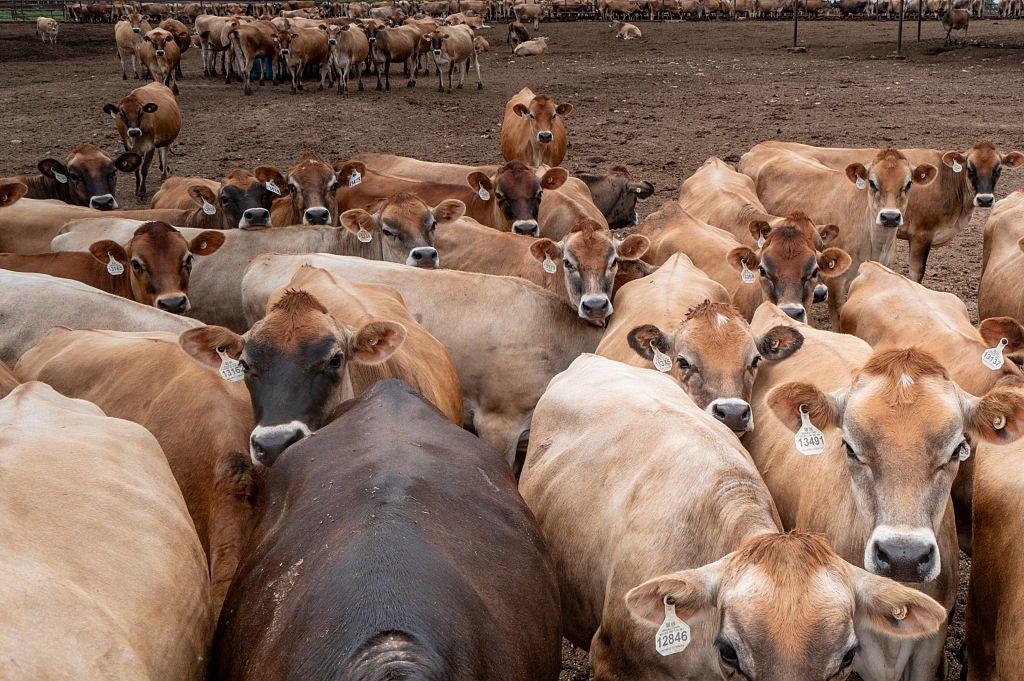
As international trade and livestock economists, we have studied how North American trade has deeply integrated cattle and beef markets, influencing production, prices and the movement of animals and meat products across Canada, Mexico and the United States. And because beef is both a top agricultural import and export for the U.S., the industry is especially vulnerable to any disruptions to the existing trade deal. As one example, the cost of ground beef is up by more than 20% just since January 2025.
Current trade uncertainty, reflecting Trump’s more fragmented, bilateral approach to negotiations, couldn’t come at a worse moment for inflation-weary consumers. The growing turmoil in the North American beef market risks further tightening supplies and raising prices.
A harmonized market
Cross-border trade was anchored in 1994 by the North American Free Trade Agreement, which established free trade between the U.S., Canada and Mexico. It remained in place until Trump replaced it with the United States–Mexico–Canada Agreement, which came into force in 2020.
Unlike NAFTA, that deal must be jointly reviewed every six years and includes a 16‑year sunset clause. Beef, like other goods covered by the agreement, was exempted from the tariffs that Trump imposed on those trading partners in 2025.
Formally, all three countries must decide by July 1, 2026, whether to extend the deal for another 16 years or let it revert to a series of annual reviews until the full expiration in 2036. But Canada, whose relationship with Trump is especially fraught, is so far sitting out the talks.
Instead, U.S. and Mexican negotiators are meeting by themselves and have now turned to agriculture, with beef as one of the key sectors.
Beef prices, production decisions and supply are closely tied together across the three countries, effectively creating a single North American beef market. Cattle and beef products move seamlessly across borders, thanks to the lower tariffs and harmonized regulations that resulted from the 1994 and 2020 trade deals.
The U.S. imports young “feeder” cattle to be fattened for slaughter from Mexico, as well as mature, or “fed,” cattle ready for slaughter from Canada, both of which ultimately go to U.S. packing plants. To help meet consumer demand in Mexico, the U.S. also exports beef products and fed cattle.
This integration is also important for maintaining the United States’ own beef supply. Almost all U.S. cattle imports are from Mexico and Canada, amounting to around 2.1 million head in 2024, valued at more than US$3 billion. That number may look small against the total number slaughtered in the U.S. that year – around 32 million head – but having a steady flow into the U.S. from Mexico and Canada helps stabilize supplies and manage prices.
The importance of that relationship became clear in 2025, when live cattle imports plunged by more than 50%. That decrease continued into 2026, as young cattle imports from Mexico collapsed by more than 80% due to the screwworm outbreak. The parasite has now been discovered in cattle in south Texas and New Mexico, which prompted Canada to slap bans on live cattle from the region.
Where’s the beef?
The current trade talks go beyond the beef sector, and agriculture more broadly, to encompass issues such as rules of origin, labor and environmental standards, digital trade and investment provisions that shape North American supply chains. At the same time, U.S. trade negotiators are bringing the Trump administration’s more protectionist and transactional approach to the table.
Beef is among the vital trade relationships at stake if negotiators fail to conclude the review. In 2025, Mexico was the third-largest market for U.S. beef exports, exceeding $1.3 billion, while Canada was the fourth-largest market at $874 million. On the flip side, Canada and Mexico ranked second and third, respectively, among countries exporting beef to the U.S., with more than $5 billion combined.
Trump’s threat notwithstanding, the U.S. has a lot to lose if it quits the 2020 deal altogether. Since the U.S. Supreme Court ruled against Trump’s sweeping emergency tariffs earlier this year, the administration has a stronger incentive to keep its other tools in trade talks. And U.S. farm groups, a key Trump constituency, are strongly lobbying the Trump administration to keep the deal.
If the U.S. exits the pact, North American trade would likely revert to more basic international rules, which would free Mexico and Canada to impose their own tariffs, raising costs for producers, processors and, ultimately, consumers.
The two trading partners would also have a freer hand with nontariff barriers, such as requiring stricter inspections, more paperwork and potential quotas on U.S. exports, all of which could slow down trade. Because cattle often cross borders multiple times during production, even small delays can create significant disruptions.
The result would likely be less efficient supply chains, fewer imported cattle, tighter U.S. supply and, in the end, higher prices. And some U.S. ranchers are already bracing for a worst-case scenario, like what soybean farmers have already seen when a key export market disappears.
“We can’t lose demand for our products,” one rancher told us. “Look what happened with soybeans last year when China quit buying.”