
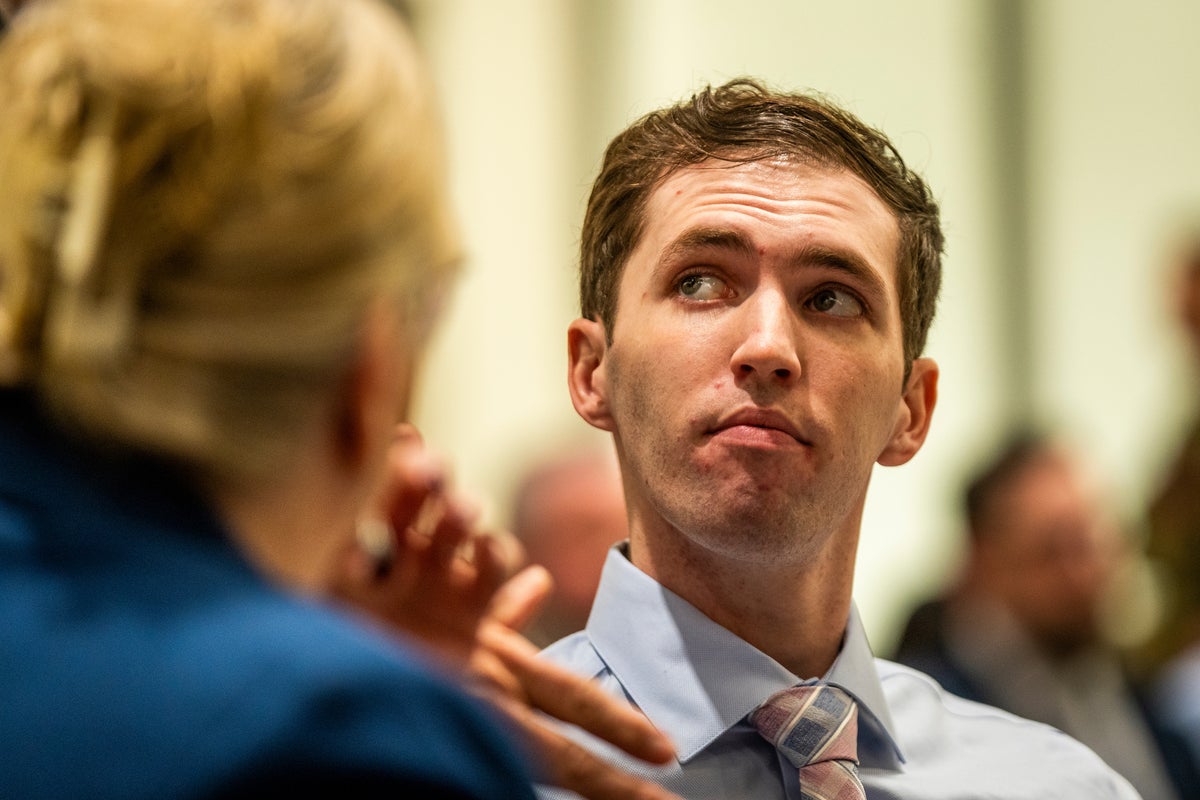
Attorneys for the man accused of killing Charlie Kirk asked a judge on Friday to block prosecutors from seeking the death penalty, citing comments prosecutors made in the media about a bullet fragment recovered from Kirk’s body.
The remarks were made in response to speculation that the fragment could exonerate the defendant, Tyler Robinson. That speculation has also fueled unsubstantiated conspiracy theories suggesting a second shooter or that Kirk’s death was staged.
Prosecutors have said they intend to seek the death penalty if Robinson is convicted. The 23-year-old from southwestern Utah is charged with aggravated murder in the September 10 killing of Kirk, a conservative activist who was shot in the neck while speaking at Utah Valley University. Robinson has not yet entered a plea.
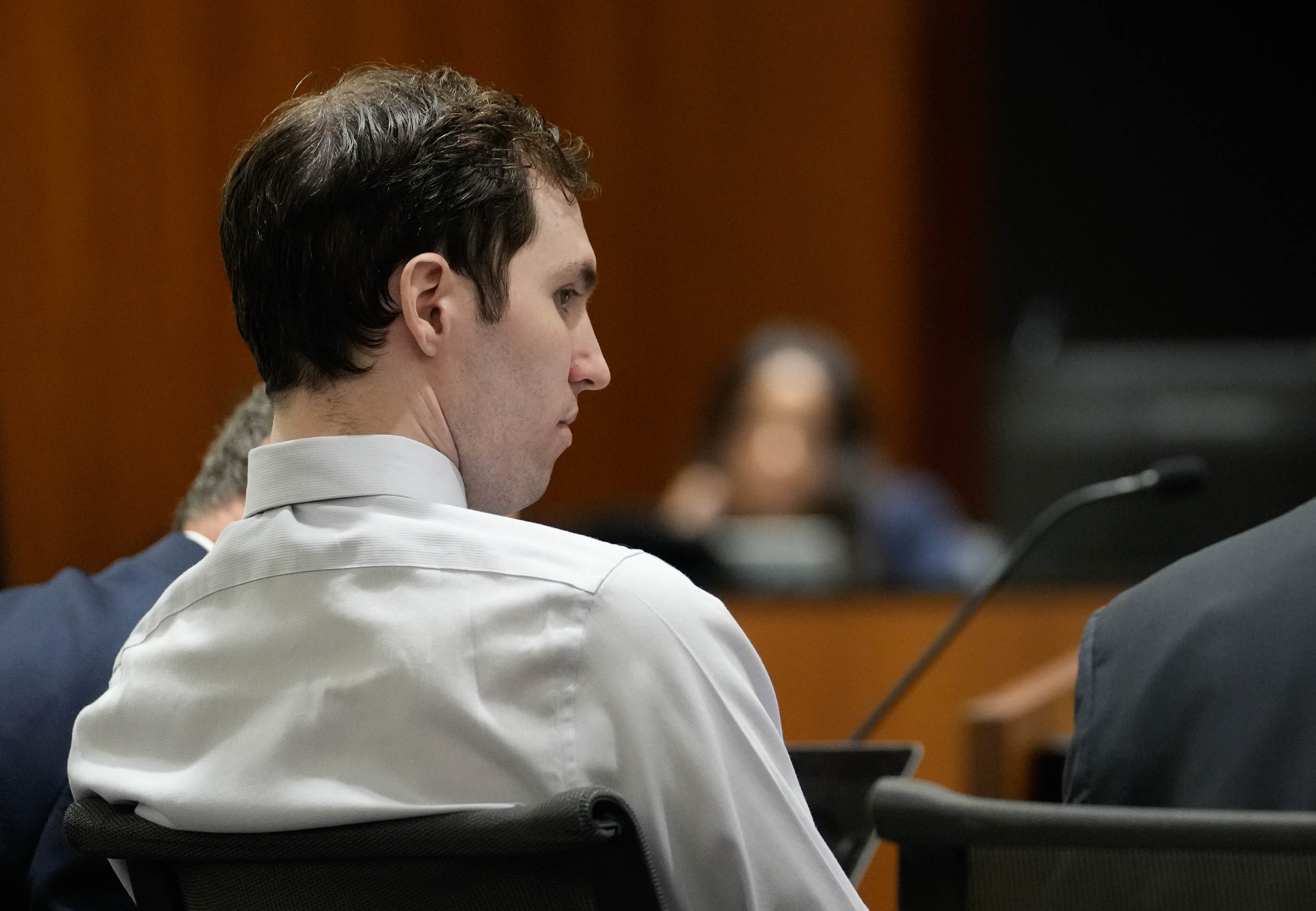
Robinson’s attorneys accused prosecutors of going on a “media tour” to discuss expert reports about the bullet fragment, violating the judge’s restrictions against speaking about the case outside court.
Prosecutors countered that they had a right to speak to the press to correct misinformation about a preliminary finding by ballistics experts. Those experts’ initial tests did not match the bullet fragment with a gun that investigators believe was used to kill Kirk.
In court filings, defense attorneys made public a federal agency’s failure to conclusively link the bullet fragment with the rifle. They said it appeared to be “exculpatory evidence” — information that tends to absolve a defendant of guilt — without noting that the finding was preliminary and that further testing was planned.
That spurred stories by some publications raising questions about the prosecution’s case: A March 30 headline in the U.K.-based Daily Mail reported that the bullet that killed Kirk “did NOT match” the rifle investigators say was used to kill Kirk.
Authorities have said DNA consistent with Robinson’s was found on the trigger of the rifle, the fired cartridge casing, two unfired cartridges and a towel used to wrap the rifle.
“The rules expressly allow lawyers to set the record straight,” Deputy Utah County Attorney Christopher Ballard wrote in a court filing.
Ballard argued Friday that he didn’t speak to the media about case specifics and only spoke generally about how ballistics testing can be inconclusive. He said his goal “was to respond to the substantial undue prejudicial effect of the media stories.”
Defense attorney Richard Novak disagreed, saying Ballard did not speak to the media using general terms and tried to “influence public perception” of the case.
“What was going on here was an attempt to influence the jury pool,” Novak argued.
State District Judge Tony Graf said he will issue his decision about the contempt allegation on June 22.
Earlier Friday, Graf declined a defense request to halt the proceedings while they appeal a June 1 order in which the judge declined to bar cameras from the courtroom.
The ruling comes ahead of a key hearing scheduled to begin July 6, when prosecutors must show they have enough evidence to warrant a trial. That would mark the most significant presentation of evidence to date in the case, which has so far focused on matters of media access.
Before Friday’s hearing, the defense team pointed to another criminal case in which prosecutors were accused of contempt and suggested that one potential remedy would be to bar the state from seeking the death penalty.
While the judge in that earlier case disagreed that an order barring the death penalty was merited, Robinson’s attorneys noted that “the court did not conclude that such a remedy was beyond its authority where the facts support it.”