



The Independent was not involved in the creation of this sponsored content.
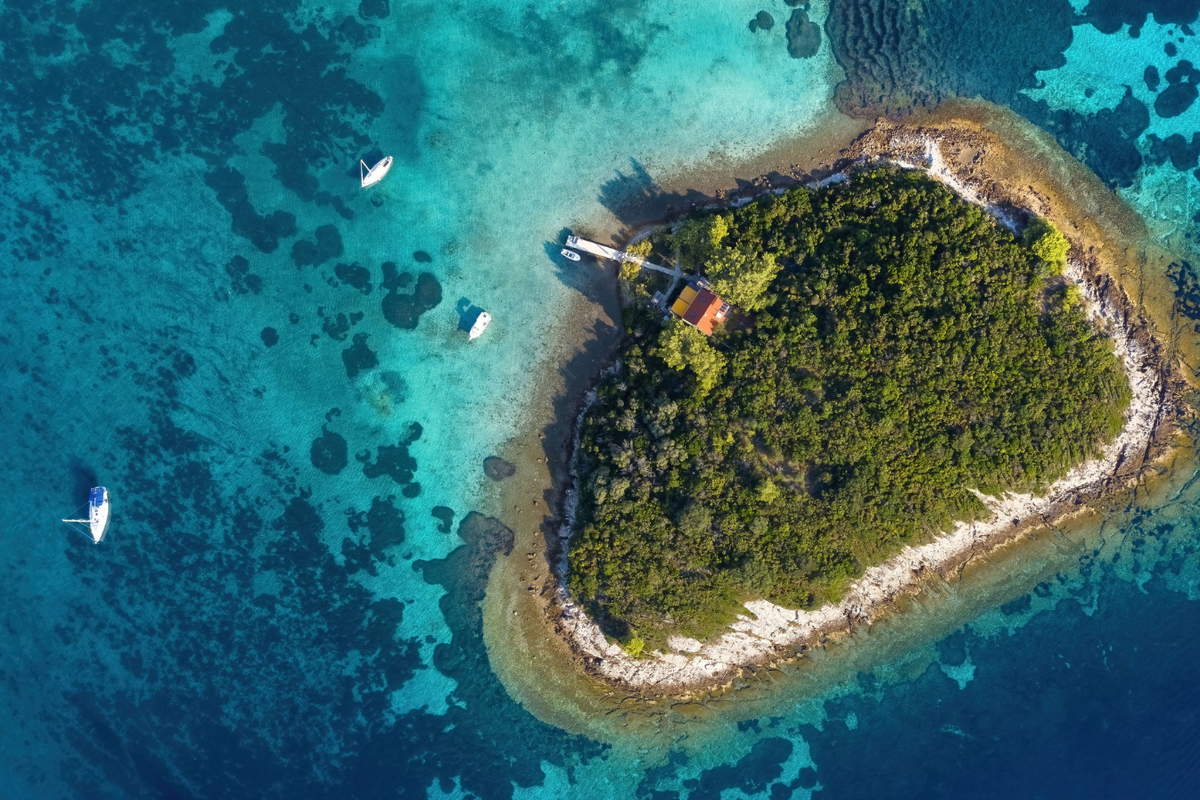
Croatia has more versions of itself than most visitors get to see. The one most people know runs between Dubrovnik and Hvar, and it’s widely popular with travelers. But the country’s range goes further: inland wine estates with Michelin-starred restaurants, national parks where the geology did things that seem impossible, Istrian coastal towns with hotels that rank among the world’s best, and Adriatic sailing routes that end on islands producing wines grown almost nowhere else on earth.
Croatia has always been difficult to compress into a single journey. The distances are short, the variety is genuine, and every region makes a case for more time than you have. This route highlights five places that can be worth building a 2026 itinerary around.
Wake up refreshed inside Plitvice Lakes National Park
Plitvice Lakes National Park sits roughly midway between Zagreb and the coast, and is a must-visit on that road. Made up of 16 terraced lakes, connected by waterfalls and linked by wooden walkways and a small electric boat, it’s one of the places almost any visitor has on their Croatia bucket list.
At 78 metres, Veliki Slap is the tallest waterfall in Croatia, and the sight of it is like something you would see in a nature documentary. This national park is one of the few in Europe where you can enjoy nature for longer, all thanks to the hotels within the park itself. Anyone who wants a full experience should visit one of its restaurants, serving local Lika cuisine. Roast lamb, fresh trout, and sheep’s cheese from the surrounding region are the things to order.
Sixteen lakes, 92 waterfalls, and a limestone canyon that has been forming for 10,000 years: some numbers earn their reputation.
Taste Croatia’s finest small-batch wines at Korak Winery
.png)
In Zagreb’s vicinity, you’ll find Plešivica, a place most people drive past on the way to the coast. The ones who stop can quickly understand the appeal. Korak Winery is an organic wine estate with a Michelin-starred restaurant and some of the most unique wines in the country. Over five hectares of vineyards, producing some of the best wines in small batches, using old techniques, and following family traditions. Their approach is intentionally minimal: healthy soil, hand-harvested grapes, and as little intervention as possible.
This family-run estate brings more than just wine; it brings a unique philosophy to gastronomy. Led by Chef Bernard Korak, the restaurant earned a rare accolade: both a Michelin star and a Green Star simultaneously. The first is for Bernard’s precise, season-locked cooking, the second for the way the estate grows, forages, and sources everything that reaches the table.
Some stops may be worth adjusting your itinerary for. Korak Winery is one that often makes the list.
Dine at two Michelin-starred restaurants at the Grand Park Hotel Rovinj
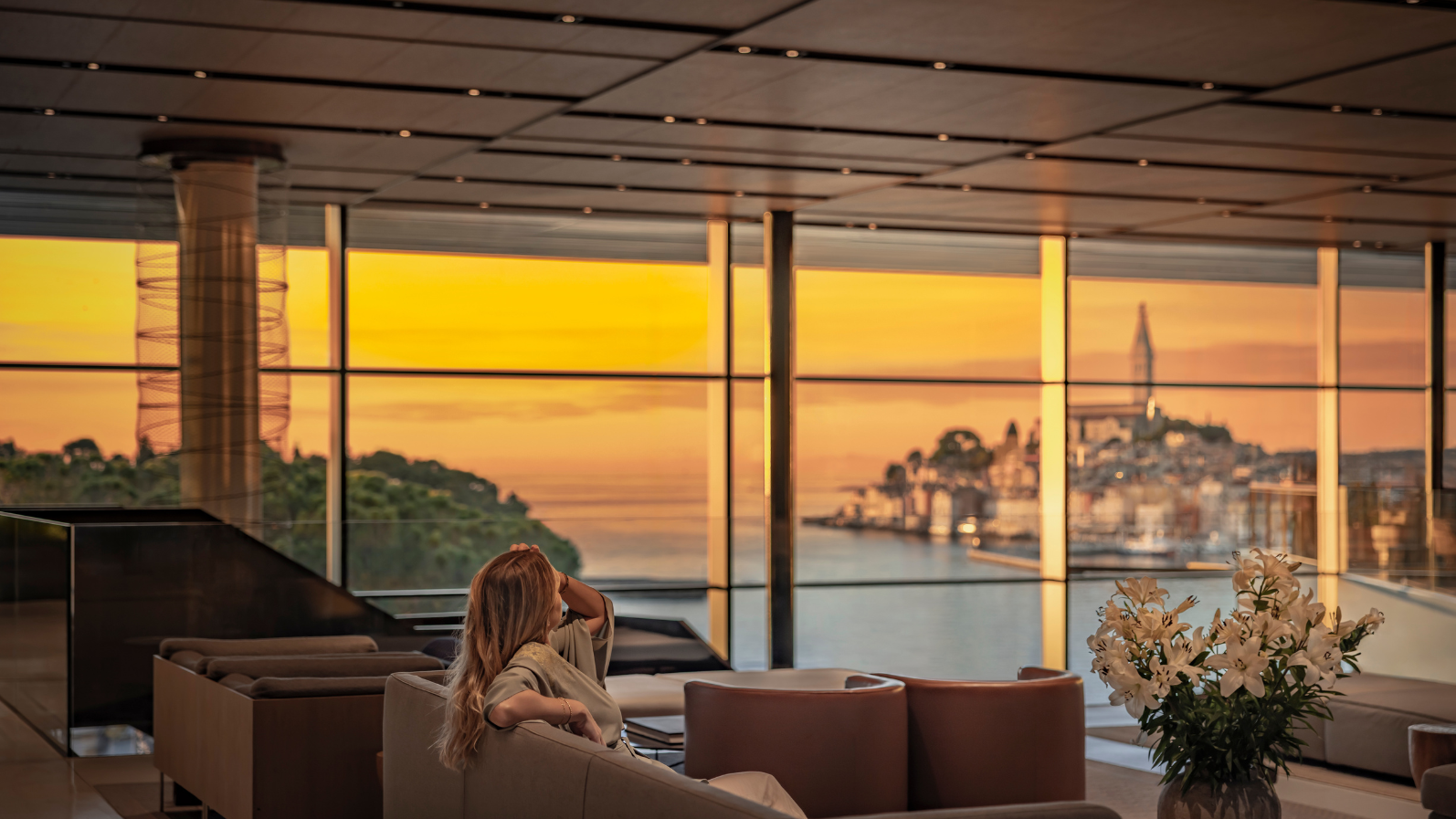
From Plešivica to the seaside, the route leads you to the coastal town of Rovinj, one of the Adriatic’s most photogenic places and home to the Grand Park Hotel Rovinj. Sitting at the entrance to the Golden Cape Forest Park, its 209 rooms and suites all overlook the old town and the Adriatic.
The hotel is a unique gastronomy destination. Its two restaurants, Cap Aureo and Agli Amici, both hold Michelin stars, with Agli Amici being the only Croatian restaurant awarded two. Cap Aureo earned its star in 2025 and offers three tasting menus inspired by seasonal flavours and local ingredients; Agli Amici offers menus combining Italian fine dining with the Istrian coastline and hinterland.
There’s no doubt why it’s on the World’s 50 Best Hotels list, but one thing is for sure. It’s the kind of place that can easily become the highlight of the trip.
Sail the Dalmatian Coast with Master Charter
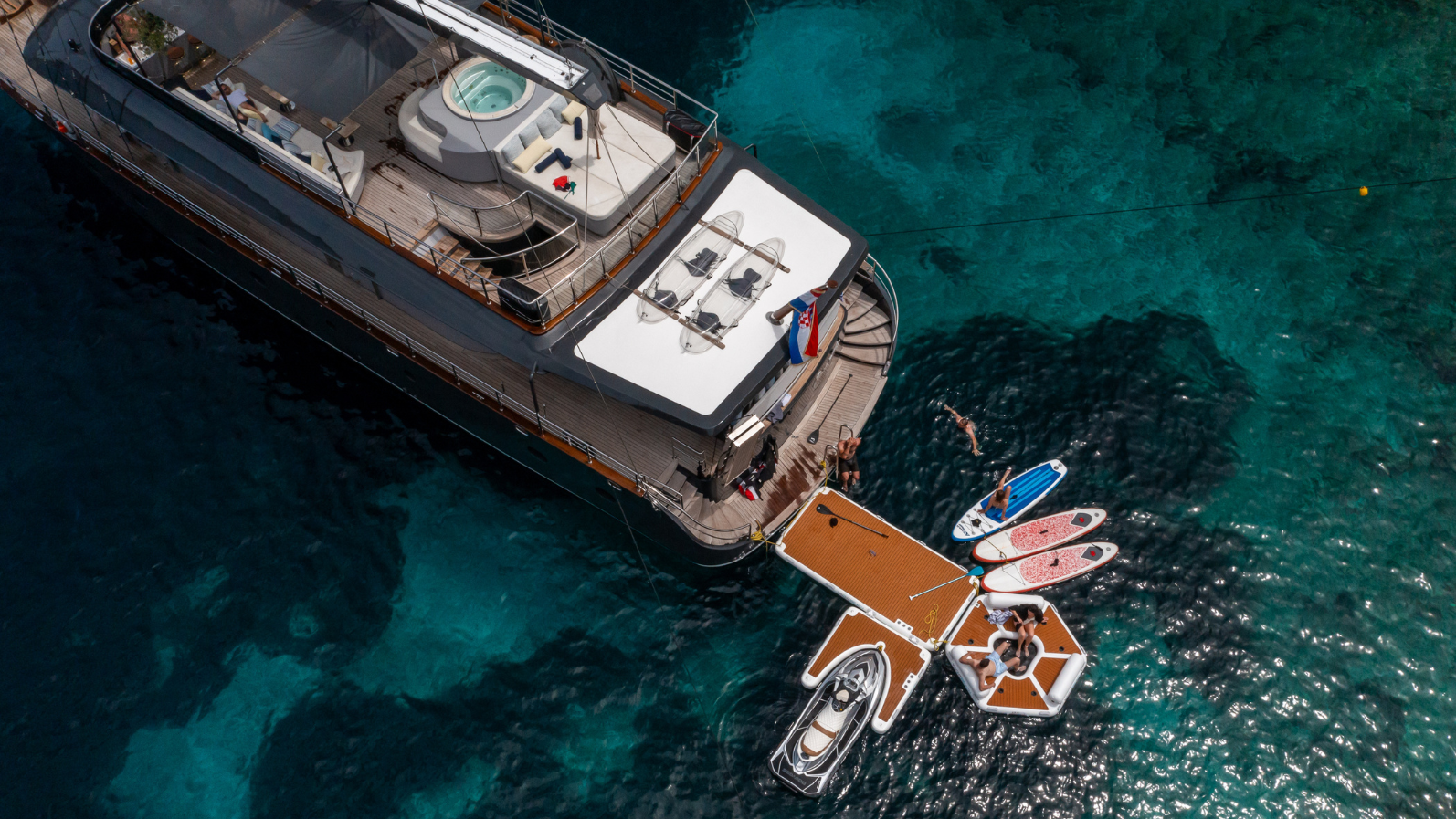
The route continues to the Dalmatian coast, moving from land to water. Master Charter has over 20 years of luxury experience, arranging bespoke sailing itineraries across the Adriatic. Unique in its kind, it boasts an expansive fleet of Croatian-built vessels: sailing yachts, gulets, and motor yachts ranging from intimate six-cabin boats to luxury superyachts.
Many of the vessels in the fleet are captained by their owners, something not often seen with charters, which stands as a testament to the quality of both the vessels and the experience. Itineraries are planned around the group rather than a fixed schedule. Routes shaped by the season, the weather, and what guests want to find. Everything from vessel selection to onboard logistics is handled by the company, giving you a chance to enjoy it completely. A week on the Adriatic with an experienced local crew can make your Croatian Eurosummer as fulfilling as it gets.
Drop anchor at Korčula and stay longer than you planned
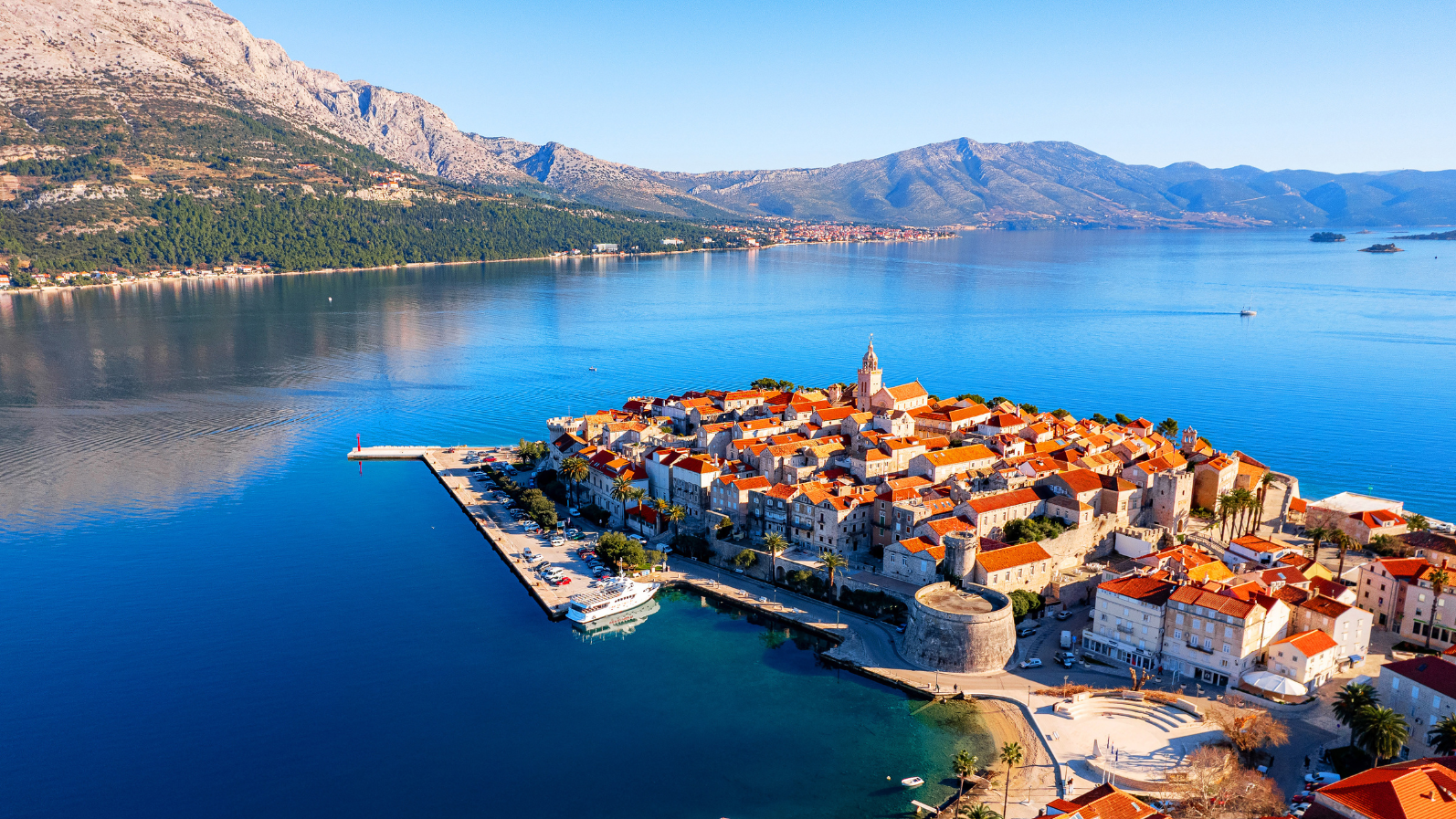
As you approach the walled town of Korčula, several stunning things catch your eye: pine forests above the rooflines; stone towers above the waterline; the Pelješac Channel glittering behind you. Once ashore, you understand why so many locals return here every year. The old town is compact, its herringbone streets cool even in summer, and the surrounding sea is among the cleanest in Europe.
There is no agenda here beyond your own. The konobas will feed you on whatever the sea gave: black risotto, fresh fish, makaruni, a hand-rolled pasta found nowhere else… all of it finished with locally-pressed olive oil. The wine is reason enough to stay longer: Pošip from the inland villages and Grk from the vineyards of Lumbarda, with both varieties existing almost exclusively on this island.
The feeling here is unlike anywhere else. Korčula is the kind of place that asks only what you want from it, confident it has plenty to offer.
A route through Croatia’s best-kept version of itself
The route from Zagreb to the Adriatic covers more ground than the map suggests. A Michelin-starred winery 30 minutes from the capital. A national park where the geology has been at work for ten thousand years. A hotel on the Istrian coast with two of Croatia’s finest restaurants under one roof. A week on the open sea aboard a vessel whose captain built it.
By the time the boat reaches Korčula, these things have accumulated into something that feels less like a holiday itinerary and more like an education in what Croatia actually is — a country that has been quietly getting on with being extraordinary while everyone else wasn’t looking.
The route is there. All that’s left is to follow it. Discover your story at croatia.hr
