Two Indian sailors died and one was reported missing after the US military struck an oil tanker in the Gulf of Oman, prompting India to lodge a strong protest with Washington and demand accountability for the incident.
The vessel, identified as the Palau-flagged oil products tanker Settebello, was carrying oil from Iran when it came under attack. The strike is the latest escalation in a US-led blockade targeting Iran-linked shipping routes.
According to the US military’s Central Command (Centcom), American forces targeted the tanker after it allegedly ignored repeated instructions.
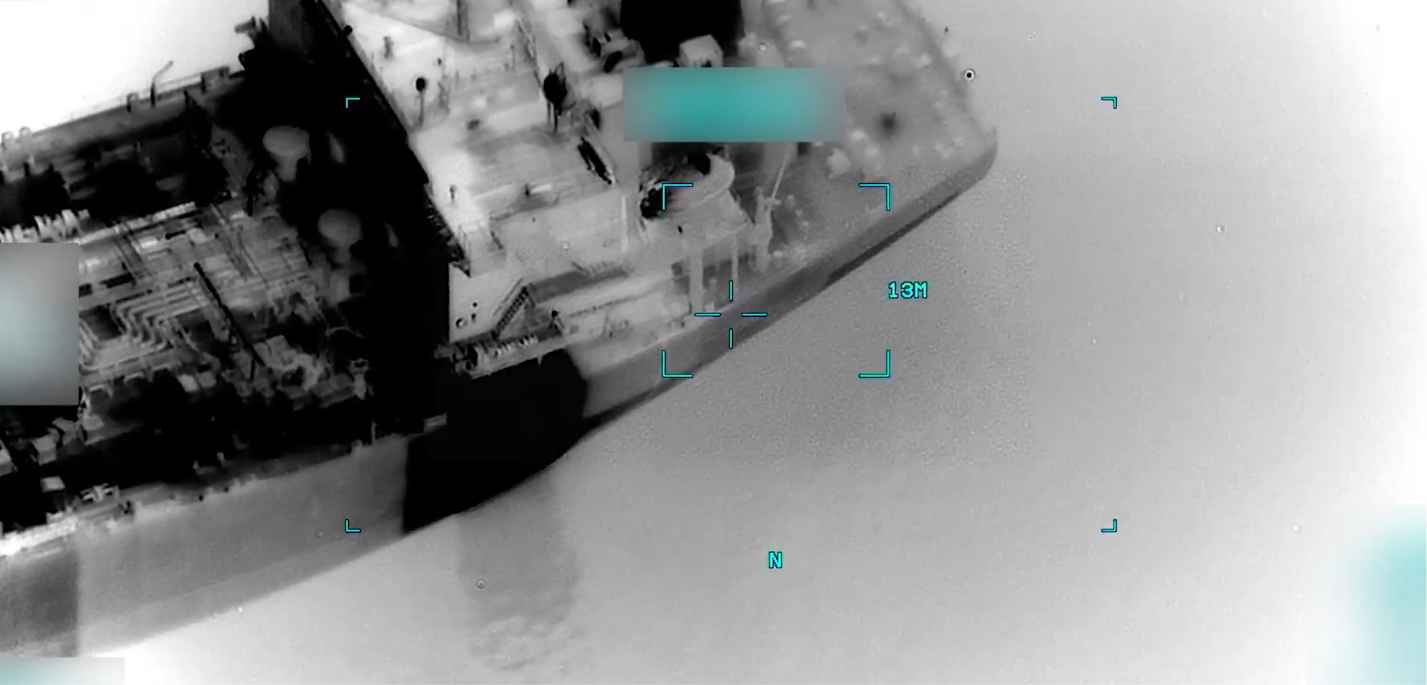
A US aircraft “fired precision munitions into the ship’s engine room after the crew repeatedly failed to comply with directions from American forces”, Centcom said.
The US military said it “disabled” the vessel while it was sailing through the Gulf of Oman and accused it of violating “the ongoing blockade by attempting to transport oil from Iran”.
India reacted strongly to the strike. Two Indian sources familiar with the matter told Reuters that New Delhi summoned the US deputy chief of mission and conveyed a “strong protest” over the incident on 10 June.
India’s Ministry of External Affairs earlier condemned what it described as an “attack on the commercial vessel Settebello”.
“Our embassy in Oman is closely monitoring the situation and proactively coordinating with the Omani authorities in the ongoing search and rescue operation,” the ministry said in a statement.
The ministry added that 21 Indian crew members had been rescued, while efforts were continuing to locate the missing seafarer.
“The targeting of commercial shipping and civilian infrastructure in the region must end,” it said.
The tanker reported an engine room fire about 20 nautical miles northeast of Oman’s Sohar port, according to the United Kingdom Maritime Trade Operations (UKMTO) agency.
The Omani Navy responded to the distress call, according to British maritime risk management group Vanguard.
Data from ship-tracking platform MarineTraffic showed that the tanker was partially loaded and was last recorded off the Omani coast on 1 June.
The attack comes amid a broader US campaign against Iran-linked shipping. The blockade began on 13 April after Iran sharply restricted maritime traffic through the Strait of Hormuz, one of the world’s most important oil and gas routes.
Centcom said its forces have disabled eight vessels since the blockade began. It said 134 ships had changed course after complying with US instructions, while 42 vessels carrying humanitarian supplies were allowed to continue.
The military said there had been no reported deaths linked to previous blockade operations.
Just two days before the Settebello incident, US forces disabled another tanker, the Marivex, after it allegedly attempted to sail to an Iranian port in violation of the blockade.
The campaign has targeted both Iranian vessels and so-called shadow fleet tankers. These are generally older ships that transport sanctioned oil, often sailing under different national flags and without Western insurance in an effort to conceal ownership and cargo movements.
The latest incident has drawn concern from the international maritime community.
“I strongly condemn any act from any party that endangers the lives of seafarers and the safety of international shipping. This is simply unacceptable,” Arsenio Dominguez, secretary-general of the UN’s shipping agency the International Maritime Organization said.
“My thoughts are with the families of the three missing seafarers and with all those awaiting news of the crew members.”