



A proposed revamp of the Federal Emergency Management Agency would raise the bar for declaring major natural disasters, making federal relief harder to access, an advocacy group has warned.
In May, the FEMA Review Council — whose members were appointed by President Donald Trump — recommended sweeping changes to the nation’s primary disaster relief agency in a 75-page report. The proposals included cutting what it described as “bureaucratic bloat” and shifting more responsibility for disaster response away from federal officials and to state and local governments.
“At the end of the day, we know FEMA is broken and it needs to be fundamentally transformed,” former Virginia Governor Glenn Youngkin, who sits on the council, said last month.
However, a new report from the progressive advocacy group Sabotaging Our Safety, obtained by CBS News, argues the floated changes — many of which would require congressional approval — would significantly raise the threshold for major disaster declarations.
The threshold, known as the “per-capita indicator,” compares estimated disaster damage to a state’s population to determine whether it is severe enough to warrant federal assistance.
If the council’s proposed changes are enacted, the figure required to merit federal help would shift from $1.94 in damages per person to $2.99. Under that framework, 29 percent of the approvals between 2012 and 2025 would not qualify, resulting in roughly 16 fewer declarations each year.
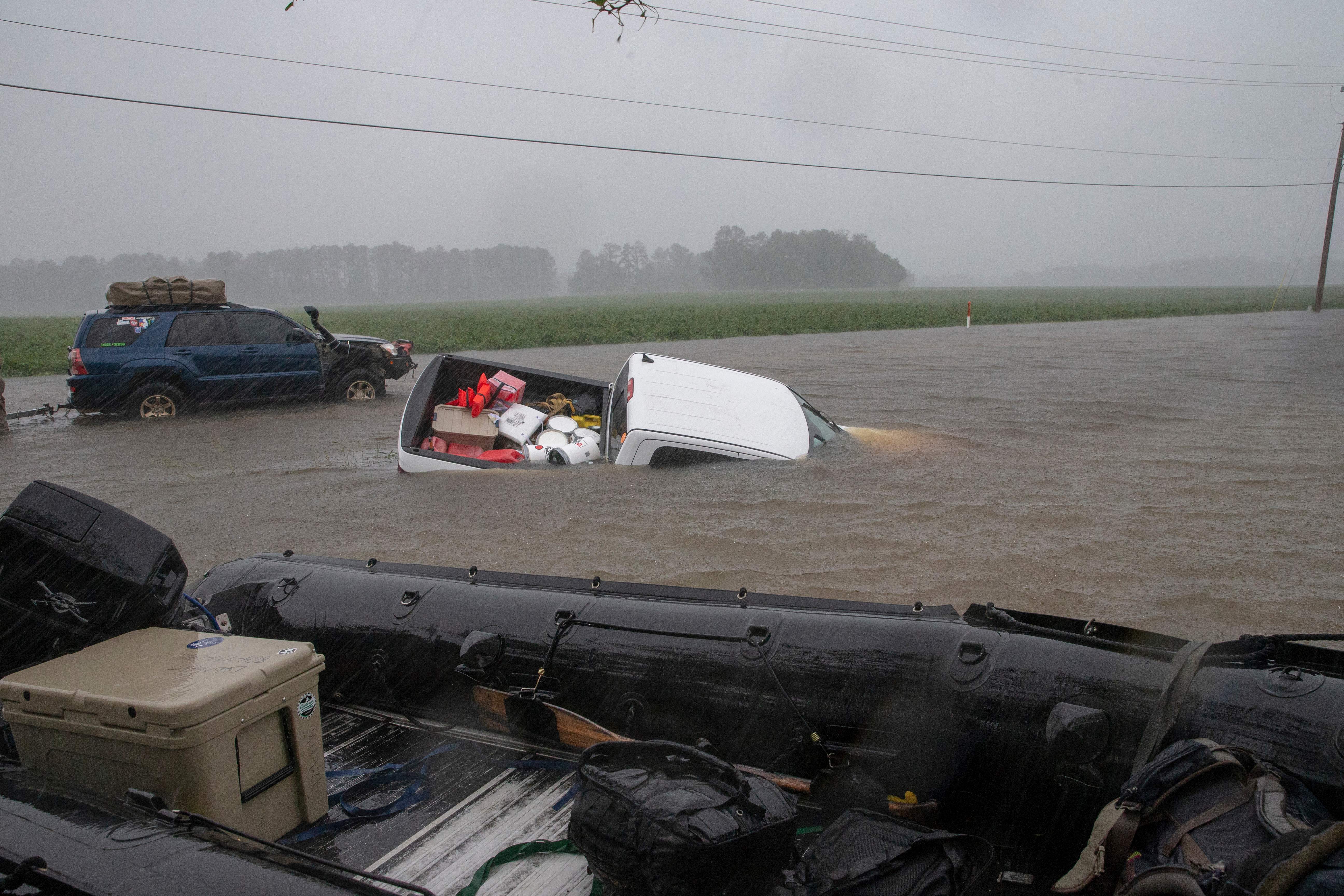
Among the disasters that garnered federal assistance in recent years were Hurricane Helene and Tropical Storm Debby.
“The impact, the group suggests, would make rural communities especially vulnerable because disaster thresholds are calculated against statewide population,” CBS News reported. “As a result, extreme damage in a small rural county may not generate enough statewide per-capita impact to qualify for federal aid, even if the local damage is devastating to families.”
At the same time, disaster survivors would face fewer avenues for relief under the proposal, according to the group, which is advised by officials, organizers and labor leaders. The current system offers 15 categories of assistance, but the overhaul would consolidate them into a single capped payment — potentially limiting support for housing, funeral costs, medical care and vehicle repairs.
The Independent has reached out to FEMA and DHS for comment on the report.
Further, Sabotaging Our Safety cautioned that the proposed revamp could lead to higher insurance premiums for flood-zone households, putting coverage increasingly out of reach for low-income families.
Among the “most consequential” changes floated is the replacement of FEMA’s Public Assistance program – which helps local and state governments pay for debris clean-up and infrastructure repair — with a one-time grant determined by a formula.
“The cost of rebuilding a school, a water system, a county road network, or a hospital depends on local construction costs, infrastructure age, code requirements, and supply chain conditions that the pre-set formula doesn’t even attempt to capture,” the report states, according to CBS News. “Basing payments off the expected magnitude of a disaster, rather than the cost of damage sustained, creates an inherent gap borne entirely by states and localities.”
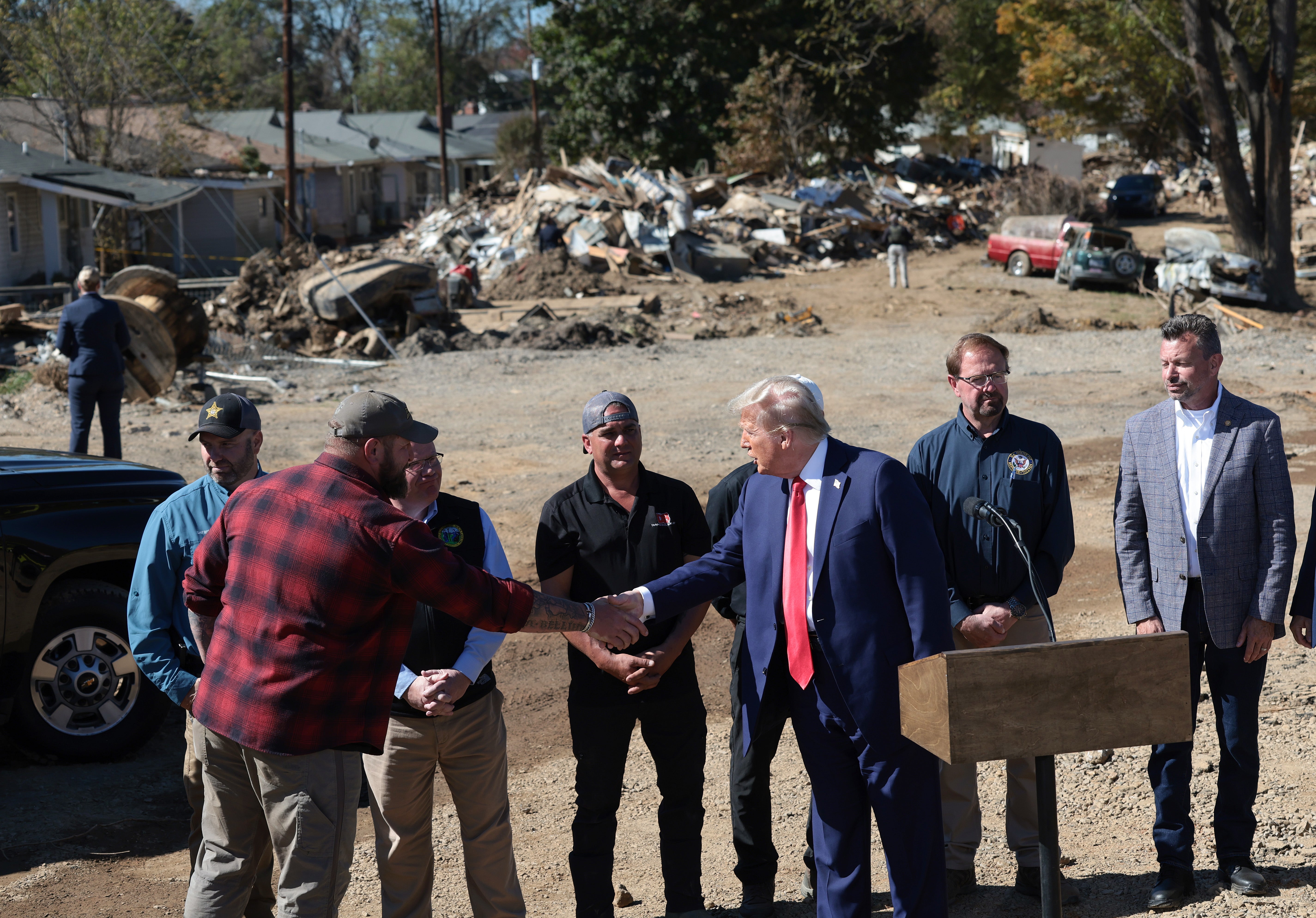
When reached for comment by the outlet, a spokesperson for the Department of Homeland Security, which oversees FEMA, said the council’s report constituted “an important milestone in this Administration’s ongoing efforts to strengthen FEMA’s mission, operations and accountability.”
“With Secretary [Markwayne] Mullin at the helm, we look forward to continuing to enhance our operations and engage with our state partners to best provide the federal support they need during disasters,” the spokesperson added.
For years, Trump has proposed dismantling or radically overhauling FEMA, stating he wants to “wean” states off reliance on the federal government. His administration has also claimed that disaster response has been “bogged down by red tape, inefficiency, and a one-size-fits-all approach that left too many Americans waiting for help that came too late.”
FEMA spent an average of $12 billion each year on disaster relief between 1991 and 2021, according to the Congressional Budget Office. Its funds are replenished annually by lawmakers, and it generally splits the cost of relief with affected states.
