



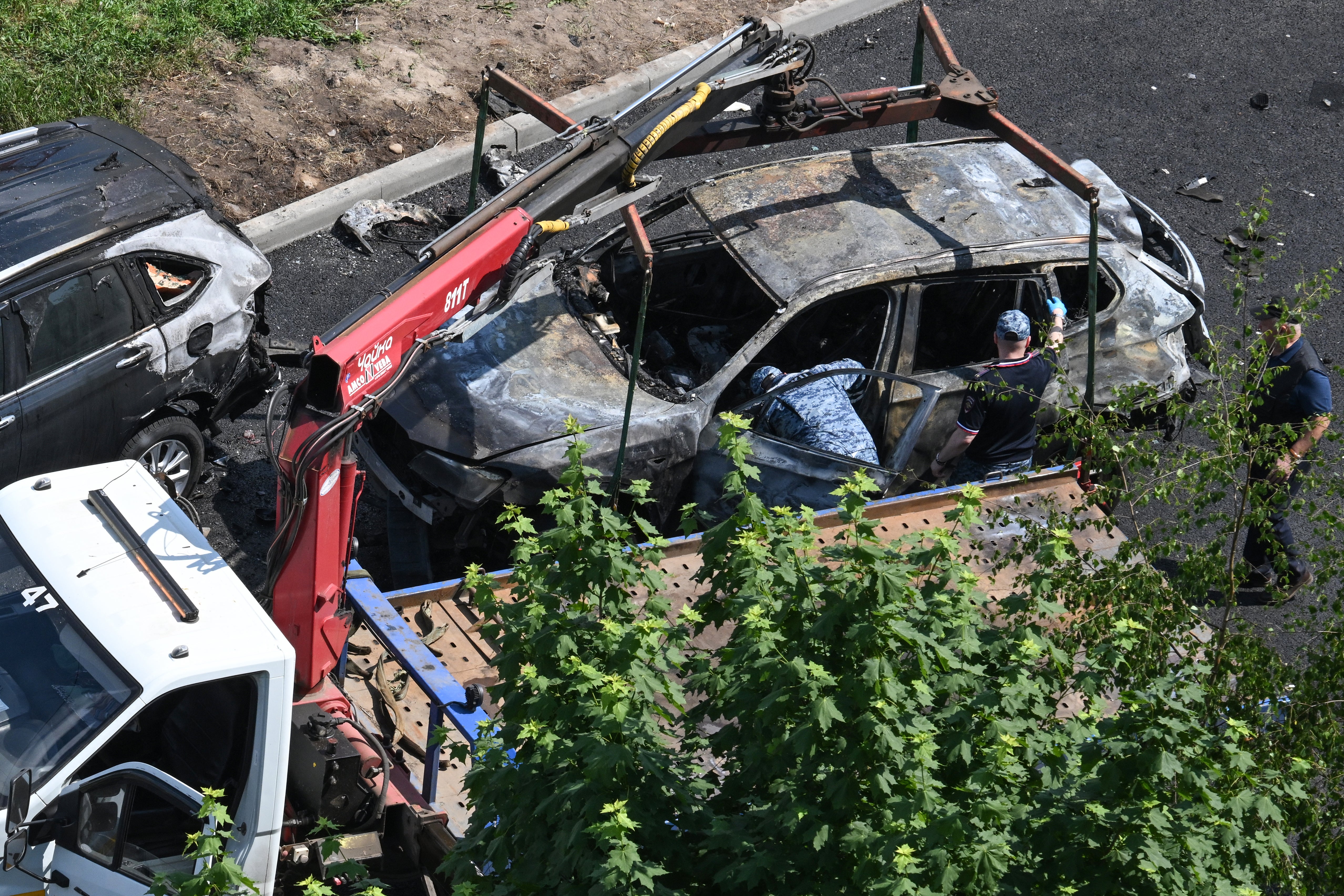
The luxury BMW 3 series burst into flames as it pulled out of its parking spot at 5.30am on a Russian dawn. Locals rushed to drag the dying driver from behind the wheel.
But General Damir Davydov soon perished. This was the destruction of a keystone of the Kremlin’s military architecture in an ongoing wider operation to collapse Vladimir Putin’s power.
With no choice but to box clever against a bigger more muscled opponent, Ukraine has combined assassinations with bombing attacks in a bid to break the logistical spine of Russia’s war effort.
Although Ukraine has yet to formally claim responsibility for this attack, General Davydov, head of the Kremlin’s missile and artillery wing in the ministry of defence, was a prized trophy for Kyiv’s covert operators.
“Hard targeting” the Russian general is also a triumph of psychological operations – reinforcing the already well understood feeling that none of the Kremlin’s nomenklatura are safe.
Now into the fifth year of a full scale invasion of its neighbour, Russia has failed in its aim of toppling the Kyiv government. Putin has also failed in his ambition to restore Ukraine to the Russian imperium.
And a lot of his senior officers must now be very anxious whether they are serving near the front lines or deep inside the security bubble of the Kremlin’s secret services, protected by air defences and a vast air force.
As they watched footage of the charred carcass of Davydov’s German SUV being lifted away from the street where he burned, they must have wondered whether this war has been worth it.
Kyiv wants Putin’s most important generals to ask themselves whether half a million dead, widespread political oppression, economic isolation and global sanctions have been worth it.
They know that European vehicles can be smuggled in through Georgia to replace burned BMWs – but for how long can the luxuries of the West be afforded?
How long before the ermine wrapped wives of Putin’s chief flunkies will have to suffer the indignity of settling into the back of a Lada?
British, American, French and other intelligence agencies helped Ukraine target Russian generals in the early stages of the renewed conflict in 2022 – that year Ukraine killed at least eight Russian generals and many other colonels and senior field officers.
Another four were killed the following year, also in Ukraine, where western signals intelligence – combined with special forces advice – enabled Ukraine to try to achieve strategic success when its allies were simultaneously denying them the use of any weapons inside Russia itself.
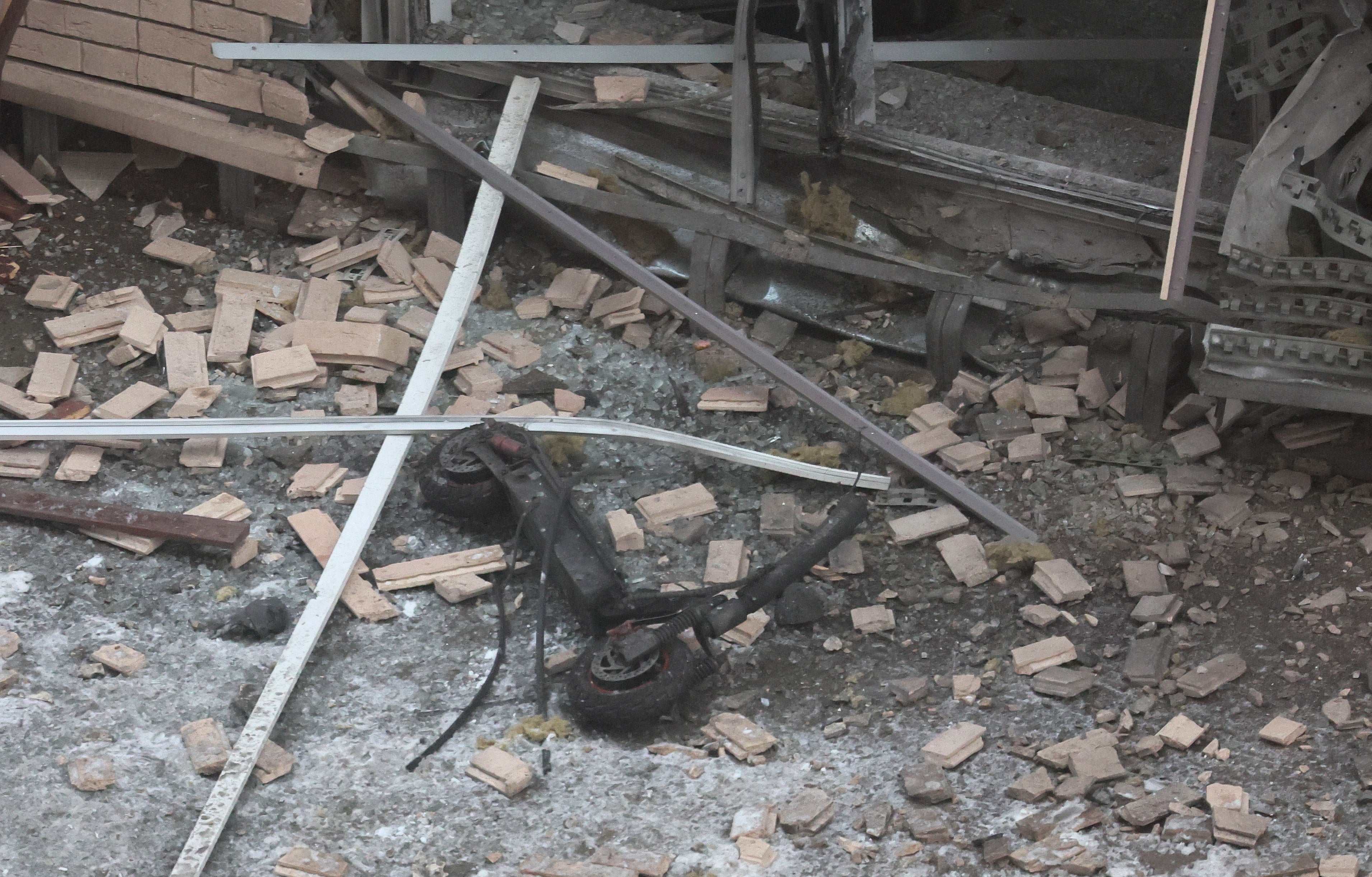
In December 2024, Ukraine’s intelligence services said it had killed Lieutenant General Igor Kirillov, head of Russia’s Radiation, Chemical and Biological Protection Troops, who had been indicted by Ukraine for alleged use of chemical weapons. He was blown up by a bomb hidden in an electric scooter.
The following year Lieutenant General Yaroslav Moskalik, deputy chief of the General Staff’s Main Operational Directorate, was killed in an explosion in Balashikha, the Moscow suburb where Davydov died this week. A car bomb destroyed his Volkswagen Golf.
Vice admiral Mikhail Gudkov, deputy commander-in-chief of the Russian Navy, was killed alongside at least six other officers in Russia’s Kursk region.
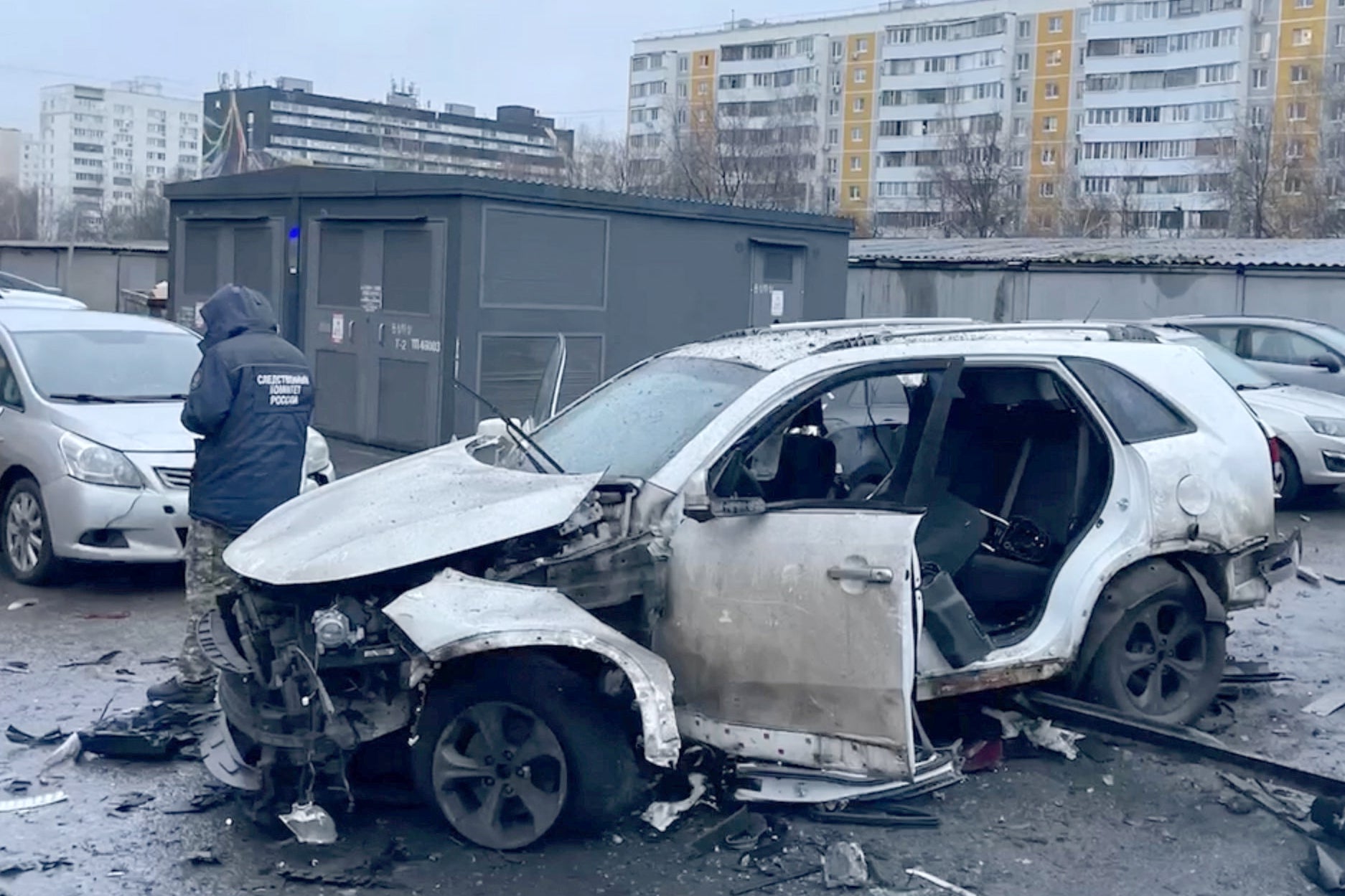
And in December 2025, Lieutenant General Fanil Sarvarov, head of the Operational Training Directorate of the Russian Armed Forces’ General Staff, was killed when an explosive device detonated beneath his Kia Sorento in the Yasenevo district of southern Moscow as he travelled to work.
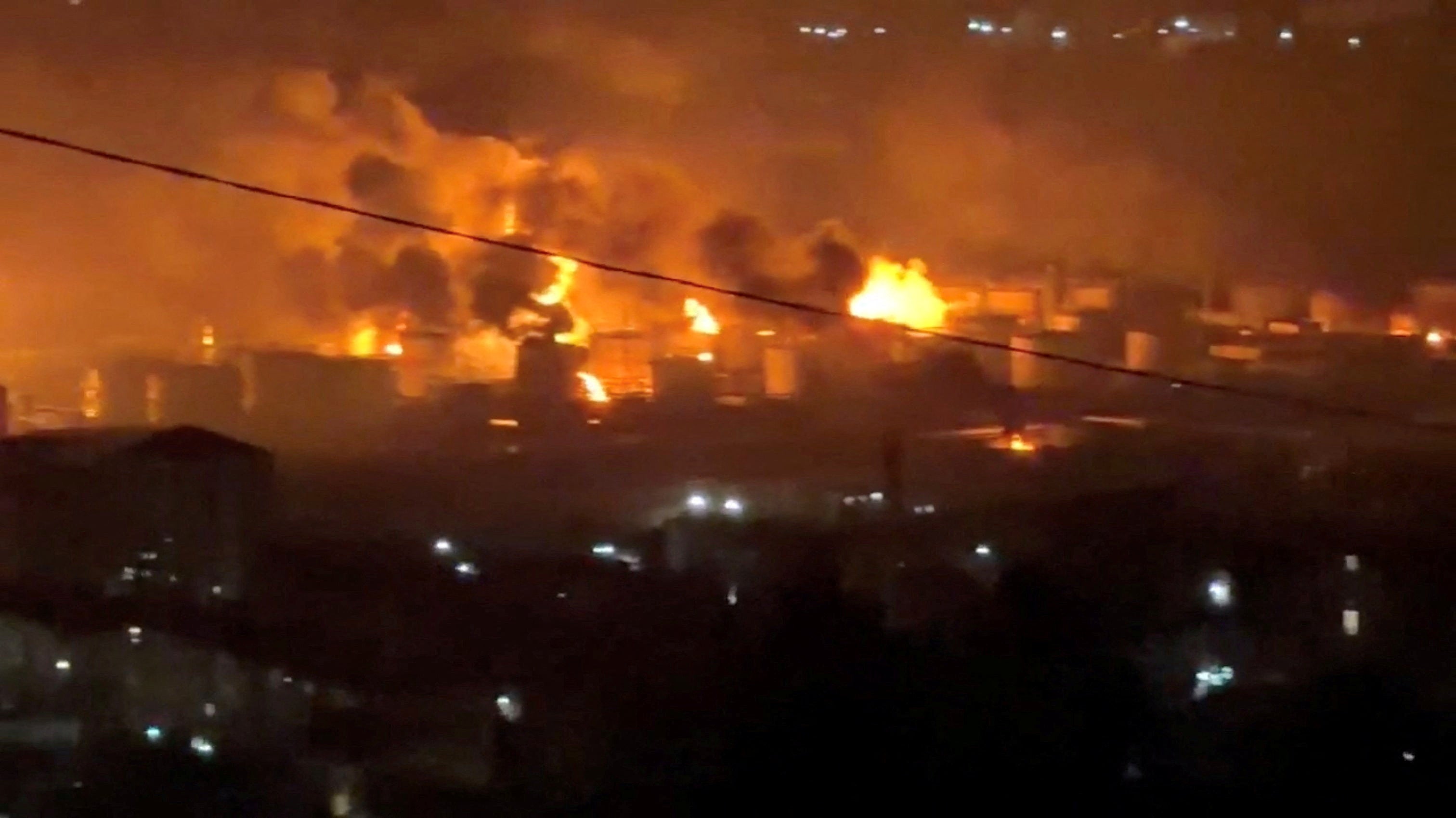
Meanwhile Ukraine has been able to step up its domestic production of long range weapons and systematically target Russia’s logistics network with special attention paid to its capacity to, literally, fuel its war against Kyiv.
Ukraine has carried out more than 200 long range attacks against Russia’s refining and other fuel installations in the last 18 months, causing a collapse in production of about 20 per cent and losses of around $13 billion.
Most of these operations have been carried out using home-made long range guided missiles costing a fraction of the western equivalent Stormshadow or Tomahawk cruise missiles.
Russia’s economy has had a boost of at least £10 billion from a surge in oil prices caused by the US-Israeli war against Iran.
And Europe, including the UK, has imposed piecemeal sanctions on the Kremlin’s economy – announcing another raft this week targeting banks, crypto currencies, oil and gas companies.
But the reluctance of Europe, India and China, to sever imports of Russian fuel has kept Putin’s war afloat on a sea of petrodollars in an attempt to keep pump prices down at home.
But it is Ukraine’s targeting of the Russian oil infrastructure that means that Kyiv is gaining the upper hand and could break the Kremlin’s hold on its economy.
Breaking its hold on the military has been an ongoing campaign. With the death of General Davydov, the clear intention is to make sure that Russia’s generals wonder not “if” they’re at risk but “when?” will Kyiv strike next.
