


British car buyers have spent an estimated £1.3 billion more on electric cars in the 100 days since the Iran conflict began, compared to last year, as rising fuel prices appear to have accelerated the UK’s shift towards battery-powered motoring.
New figures from motoring analysts New Automotive show sales of fully electric cars rose by 23.9 per cent in the 100-day period to June 7, with 32,384 more EVs sold than during the same period last year.
The analysis suggests that concerns over volatile petrol and diesel prices have prompted many drivers to take a closer look at electric cars, helping to drive a significant increase in spending on new EVs.
According to New Automotive, buyers have invested around £1.3 billion more in electric vehicles than they did during the same period in 2025, even after accounting for discounts available in the market, particularly to company car drivers and fleet buyers.
The figures come as motorists have already spent an extra £307 million on petrol and diesel since the conflict began three months ago, according to the analysis.
For years, one of the biggest arguments against electric cars has been the higher upfront purchase price. But that picture is beginning to change, too.
According to Auto Trader figures, the average new electric car now costs £42,620, compared with £43,405 for a petrol equivalent, meaning EVs are cheaper to buy on average than petrol cars for the first time.
That removes one of the biggest barriers that has traditionally put some buyers off making the switch, particularly as the number of electric models on sale continues to grow and competition between manufacturers intensifies.
“The Middle East conflict has done in 100 days what years of incentive policy struggled to achieve – it’s made the running cost argument undeniable for a new wave of buyers,” CEO of New Automotive, Ben Nelmes, said.
“Capital is shifting – in the first 100 days of the war, around an extra £1.3 billion has been invested in electric vehicles. When petrol prices rise, interest in electric cars follows,” he added.
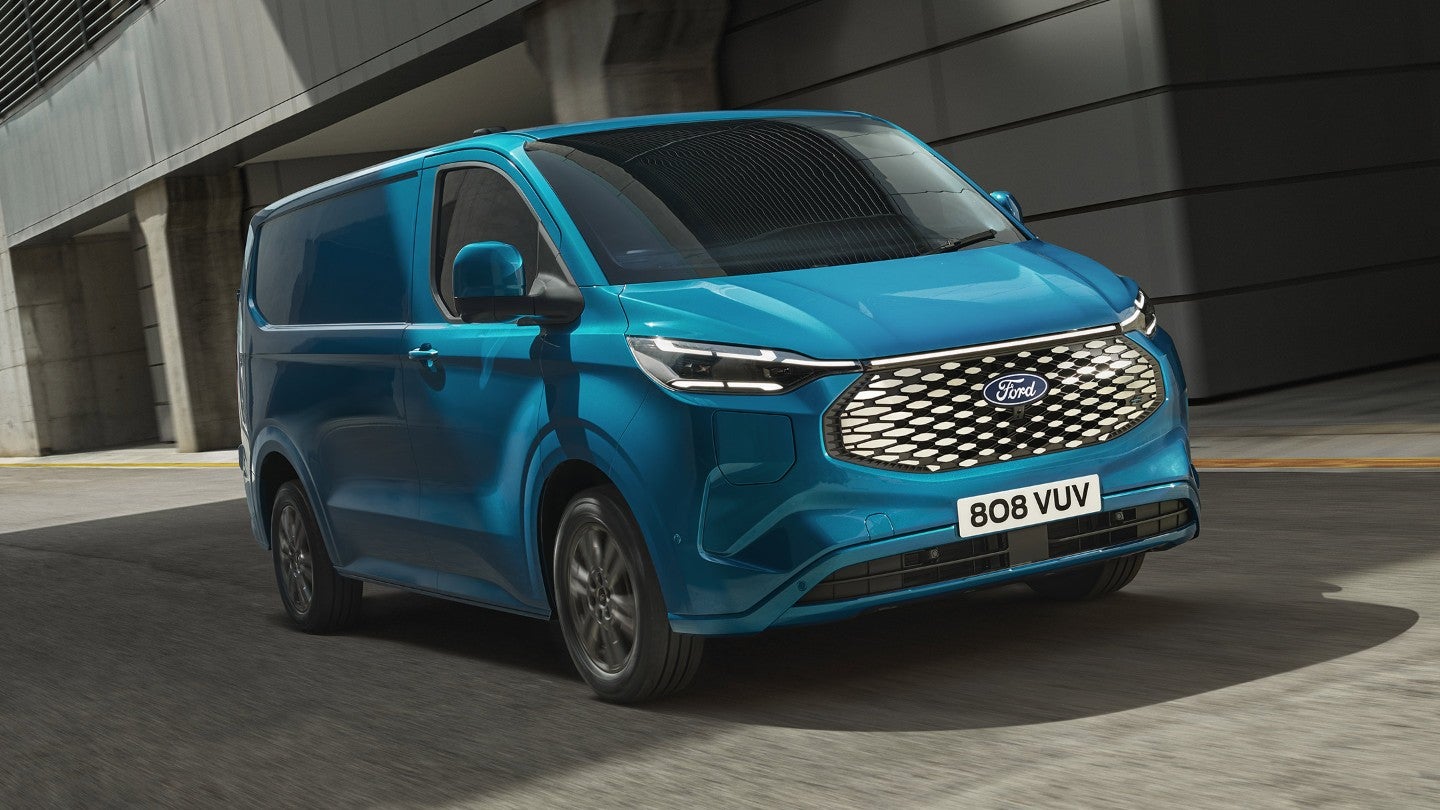
The trend is not limited to passenger cars. During the same period, sales of electric vans rose by 4.8 per cent year on year, suggesting businesses are also responding to changing fuel costs.
Industry figures suggest many buyers are now looking beyond the initial purchase price and taking a broader view of vehicle ownership costs. For drivers able to charge at home or at work, running costs can often be significantly lower than those of a petrol or diesel equivalent.
Tanya Sinclair, CEO of Electric Vehicles UK, said: “This data reflects what drivers have been telling us for months. When fuel prices become volatile, the economics of switching shift quickly.
“Far from a stop-start market, the UK EV sector is a multi-billion-pound contributor to UK growth. It’s creating jobs, attracting investment and driving economic growth across the country. And with more than 94 per cent of drivers choosing another EV after making the switch, this isn’t a passing trend. It’s a lasting transformation in how Britain moves.”
The figures arrive at a time when wider energy markets continue to feel the effects of global instability. According to the analysis, UK natural gas prices are now 38 per cent higher year on year, while heating oil prices have risen by 80 per cent.
Separate research from the End Fuel Poverty Coalition suggests that concern about energy costs is influencing behaviour more broadly. The organisation found that 19.3 million UK adults have become more interested in home energy-saving technology since the conflict began.
For the car industry, however, the most immediate impact appears to be at the showroom rather than in the home. Electric vehicle sales in Britain have been growing steadily for several years as manufacturers launch more models and charging infrastructure continues to expand. However, the latest figures suggest that fuel price concerns may now be providing an additional incentive for buyers who were previously undecided.
The timing is significant for car makers, many of which are under pressure to increase sales of zero-emission vehicles under the UK’s Zero Emission Vehicle mandate. The mandate states that a third of all new car sales this year must be fully electric, yet the latest official figures from the Society of Motor Manufacturers and Traders (SMMT) shows that only 27.3 per cent of cars sold so far this year are all-electric.
There remain challenges, though, including the availability and cost of public charging, concerns over used electric car values and the fact that not all drivers can charge at home. But the latest data suggests those concerns are increasingly being weighed against the reality of higher fuel bills. But for many car buyers, the decision may be becoming a straightforward financial calculation.
