




The death toll from the 7.8-magnitude earthquake that struck off southern Philippines on Monday has risen to at least 37, authorities said.
The tremor caused widespread damage across Mindanao island and left nearly 480 people injured.
The earthquake, the strongest to hit the country since 1976, struck at 7.37am local time. Its epicentre was in the sea off Mindanao, about 32km southwest of the town of Maasim in Sarangani province, at a depth of 33km, according to the Philippine Institute of Volcanology and Seismology.
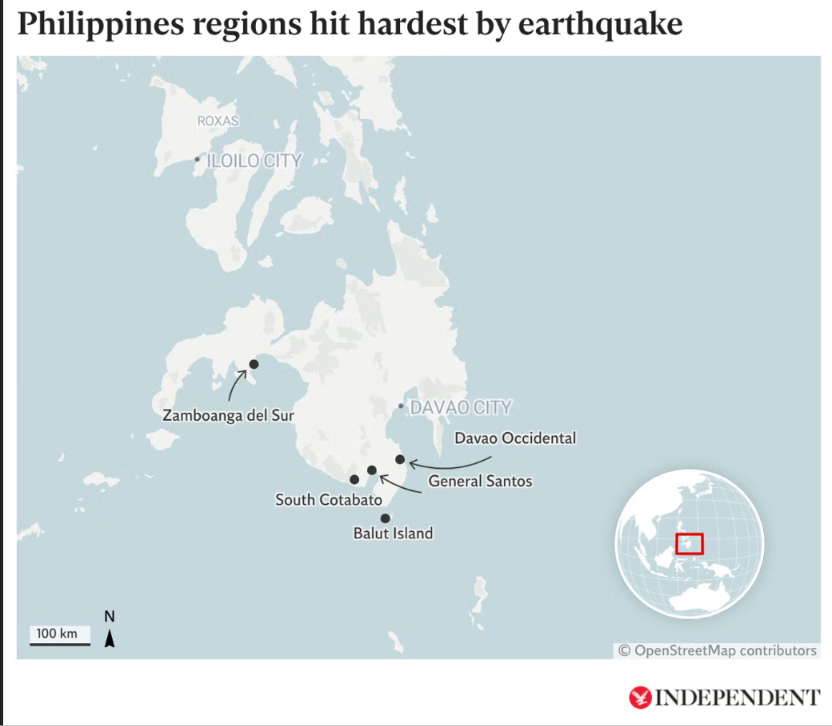
Many of the deaths were caused by collapsing buildings and falling debris. Authorities said a landslide triggered by the earthquake killed 13 people in the municipality of Glan in Sarangani province. Several people also died when structures collapsed in South Cotabato, Davao Occidental and on Balut Island, according to Rappler.
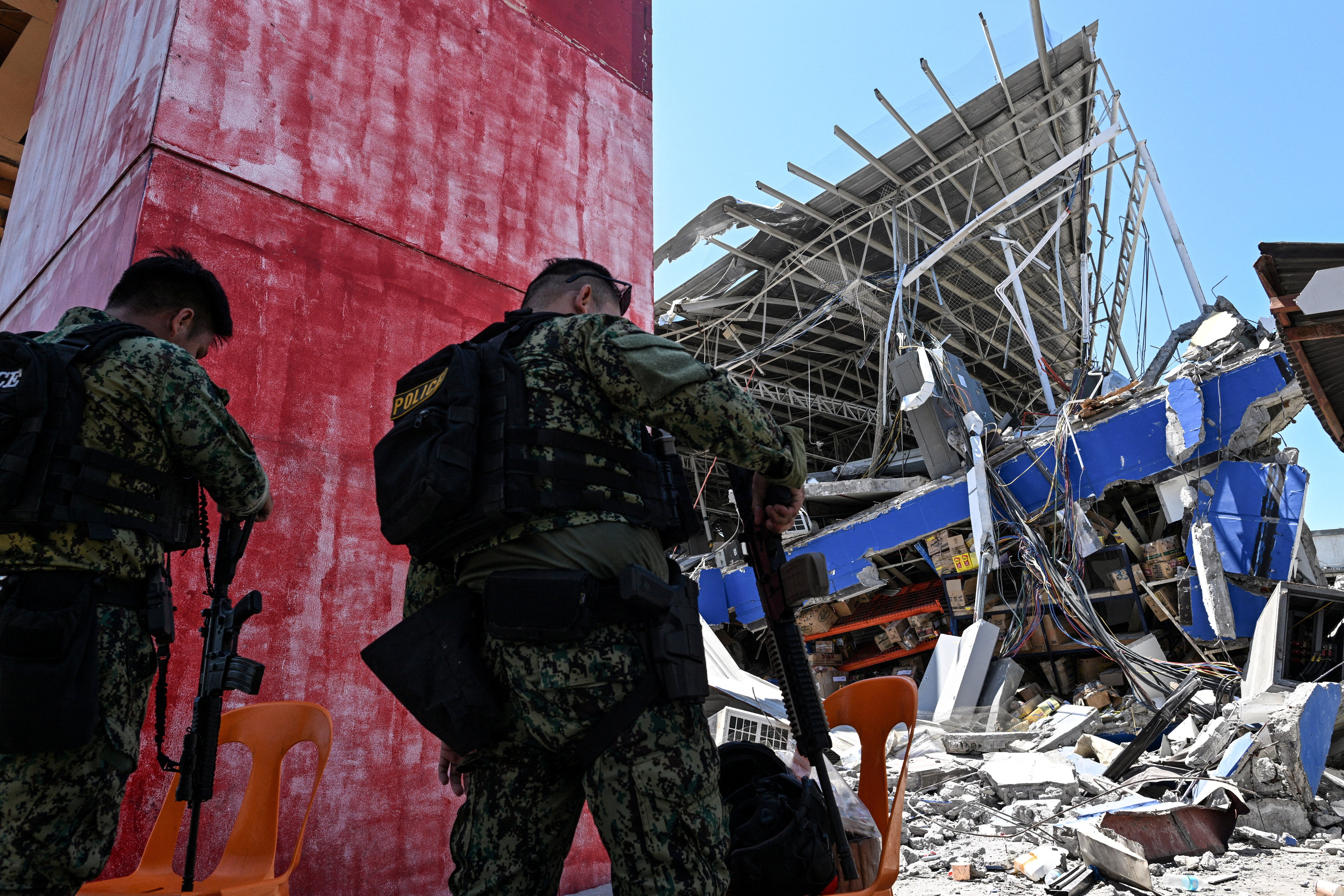
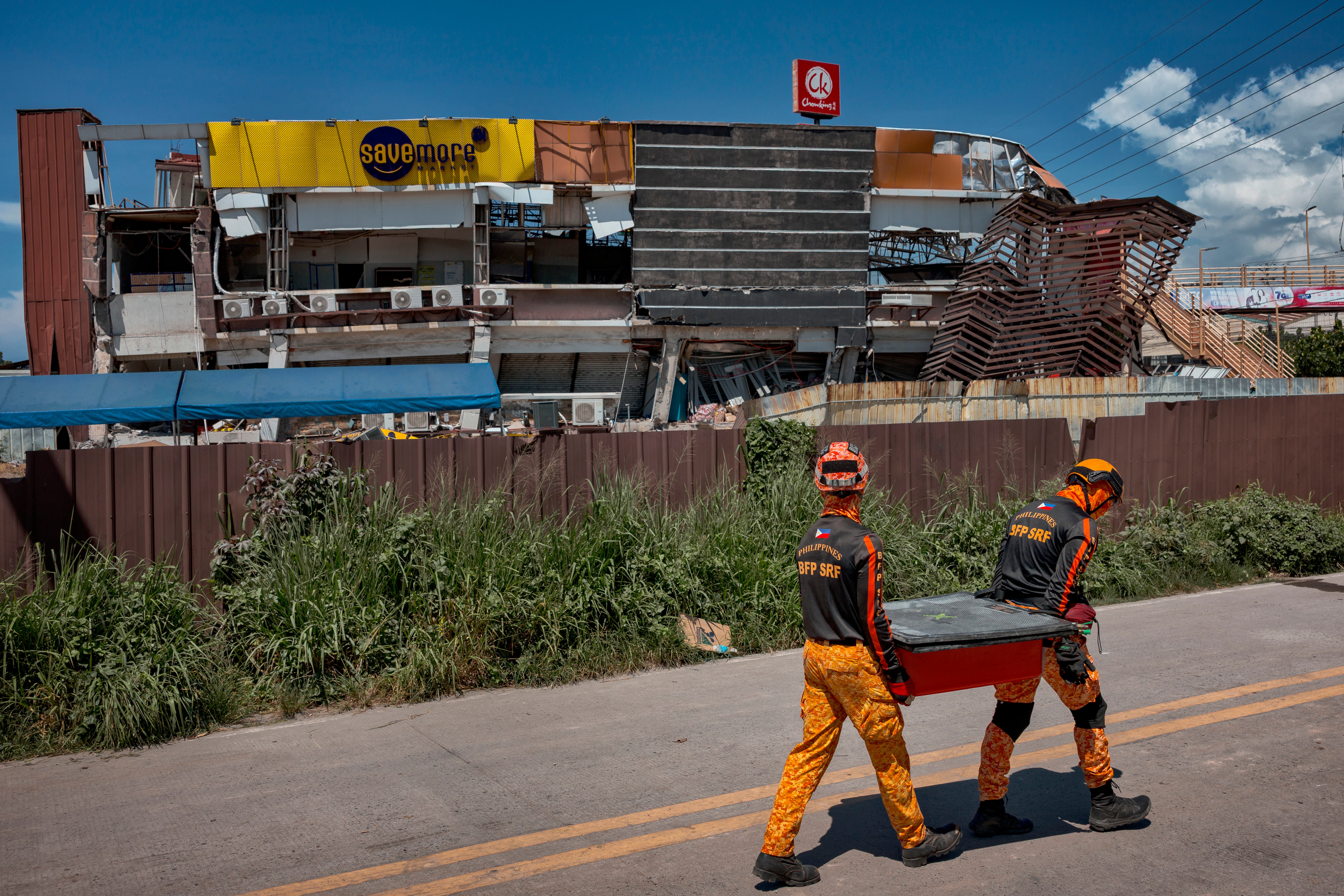
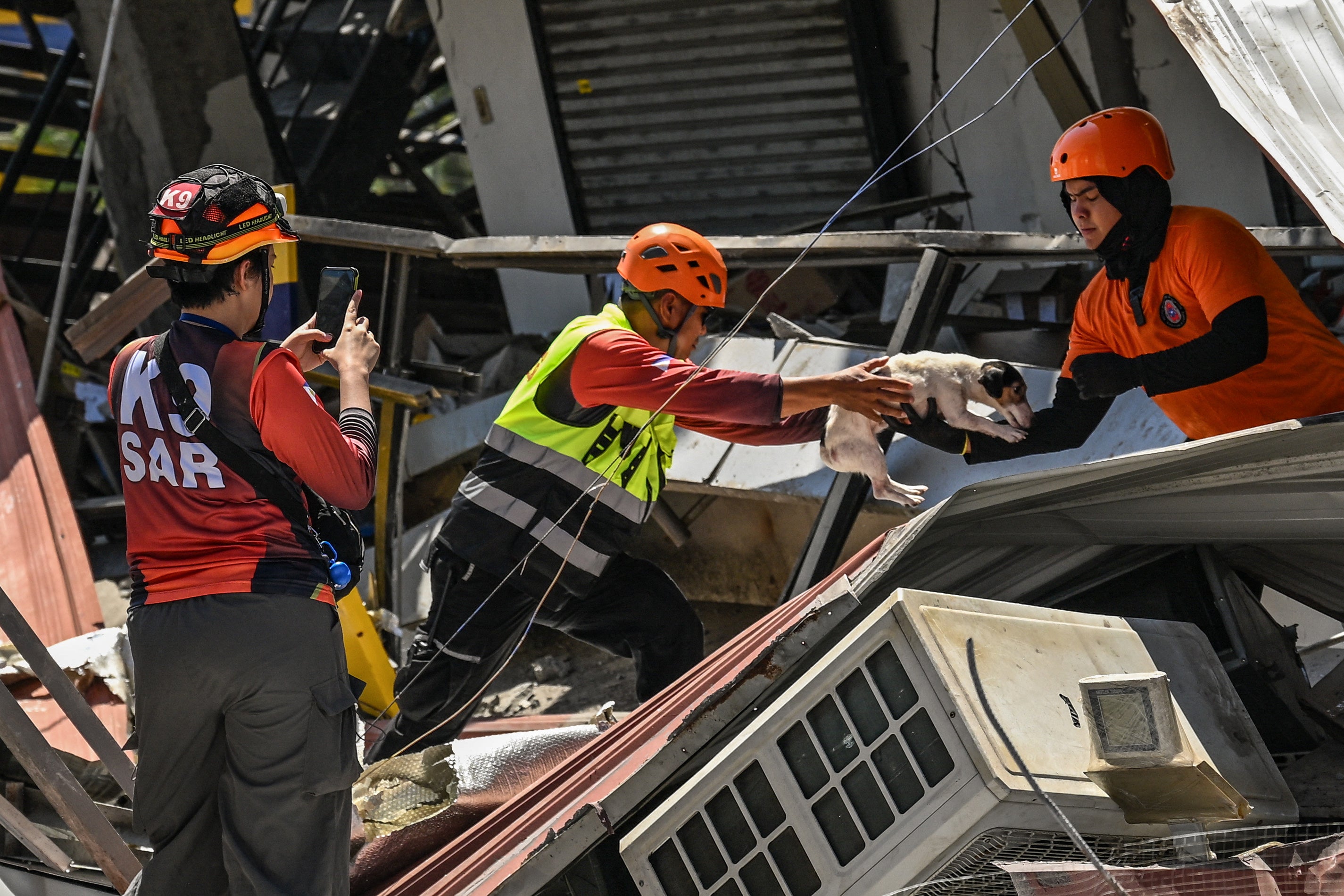
The hardest-hit area was the city of General Santos, a major port and tuna-export hub with a population of over 700,000. Several low-rise buildings collapsed or suffered damage and rescue teams were searching for people believed to be trapped inside damaged structures, including a supermarket, warehouse and school.
At least four people remained missing late on Monday.
The earthquake triggered tsunami warnings in the Philippines, Indonesia, Japan, and Australia. The alerts were later cancelled or downgraded.
In the Philippines, tsunami waves of up to 1.4m were recorded in Kiamba town in Sarangani. Smaller waves were also detected in Indonesia, Palau and Japan.
A coastal village in Zamboanga del Sur reported damage to several homes built on stilts after strong waves reached the shoreline.
The earthquake was followed by more than 1,100 aftershocks, according to the seismology institute, ranging in magnitude from 1.3 to 6.7. Aftershocks were expected to continue for more than a month.
The earthquake struck on the first day of the new school year following a two-month summer break and there were scenes of panic at several schools, according to local media reports.
At Mahayahay Elementary School in Davao Occidental province, students were attending a flag-raising ceremony when the ground began to shake. A video shared on social media showed children screaming and crying as buildings around them rattled.
“Their excitement on the first day of school turned to trauma,” school principal Rosavel Cachuela said.
Some school structures were damaged, but no injuries were reported.
“We cannot force the immediate reopening of schools because we have to ensure the integrity of the buildings,” senior official Rafaelito Alejandro of the Office of Civil Defence said.
President Ferdinand Marcos Jr ordered classes suspended in affected areas, and directed emergency agencies to start relief and rescue operations. “The national government is moving and we’ll not leave Mindanao behind,” he said.
Authorities warned residents to avoid entering damaged buildings until they had been inspected.
Teresito Bacolcol, the director of the Philippine volcanology agency, cautioned that aftershocks could cause weakened structures to collapse.
The disaster left more than 20,000 families displaced, authorities said, adding that they were still assessing the full scale of the destruction.
The US said it was coordinating with the Philippine government and stood ready to assist recovery efforts. Malaysia, France, Japan, and New Zealand also expressed support.
The Philippines regularly experiences earthquakes as it sits on the Pacific Ring of Fire, a seismically active zone where tectonic plates frequently interact.
