


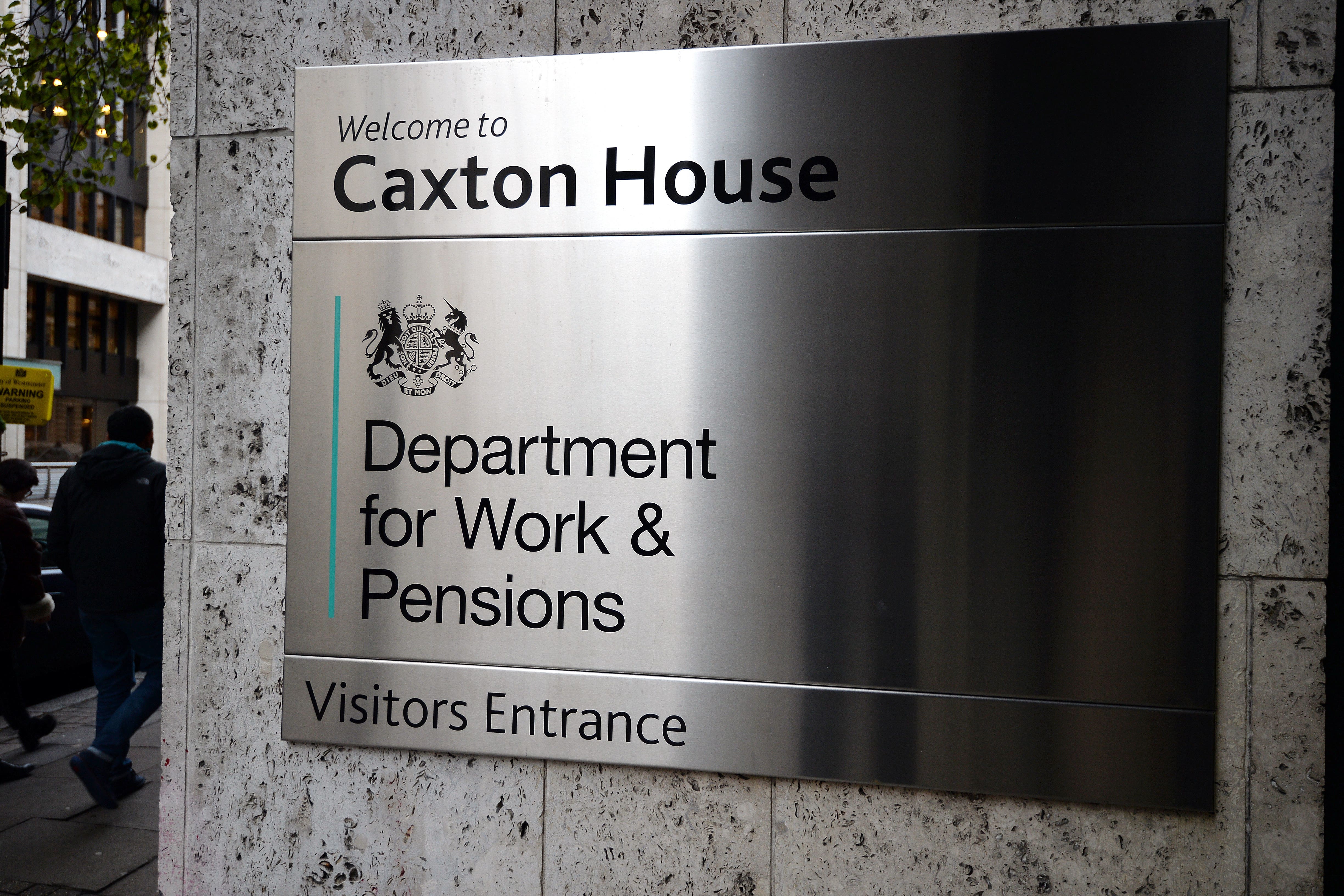
The Department for Work and Pensions (DWP) has confirmed that it has begun trialling a new system for assessing claimants for the personal independence payment (PIP) after a whistleblower expressed concerns over the plans.
Under current rules, healthcare professionals such as nurses, paramedics and physiotherapists are tasked with carrying out functional assessments and awarding a claimant points based on the extent of their ability limitations. These are spread across two categories, daily living and mobility, with a maximum entitlement of £194.60 a week for high points in both.
It is understood that the pilot will see part of this workload shifted away from assessors and towards DWP case managers to decide how to allocate points based on the information provided by the assessor. As before, this case manager is the final decision maker.
The trial will initially affect 4 per cent of PIP claimants, equating to around 150,000 individuals, the DWP has confirmed. If successful, it could be rolled out to the separate DWP assessment that is used to test eligibility for the health-related element of universal credit.
Disability campaigners have called the plans “absolutely astonishing”, arguing that the trial will result in more inaccurate decisions and diminish the importance of human engagement in face-to-face assessments.
The anonymous DWP whistleblower, who leaked the existence of the pilot, said: “Decisions on complex, fluctuating, and especially mental health conditions require clinical insight and direct assessment experience.
“Removing health professionals from the decision-making process will strip out essential medical nuance, leading to poorer quality, less accurate, and less fair outcomes,” they told charity Disability Rights UK.
“Many vulnerable claimants will face wrong decisions, increased stress, financial hardship, and unnecessary appeals.”
The report comes as disability minister Sir Stephen Timms continues his review into PIP which, at four million claimants, is the UK’s most claimed health and disability-related benefit. It was announced following a threatened backbench rebellion of Labour MPs last July over ministers’ plans to cut spending on the benefit by tweaking its eligibility.
The government has said that the review will be meaningfully co-produced with disabled people, and that it will not revisit plans to change the PIP points system at least until the minister publishes his findings in the autumn.

Fazilet Hadi, Disability Rights UK’s head of policy, said it was “absolutely astonishing” that the new trial was being rolled out while this review continues its work.
She added: “Stopping health professionals from making recommendations on the basis of their assessment and requiring them to solely pass information to DWP case managers to make the determination, is a recipe for disaster, which will result in thousands of poorly informed and inaccurate decisions.
“Claiming PIP is intensely personal; we have to talk about the impacts of our impairments and health conditions, in ways many of us find emotionally and practically difficult.
“At least we have some chance of our individual needs and circumstances being understood, when the recommendations are being made by the people we have actually spoken to.”
A DWP spokesperson said: “Case managers already make all final PIP decisions – that has not changed.
“This small-scale trial is about re-balancing roles so that assessors focus on what they do best, freeing up capacity by reducing duplication, and empowering case managers to apply their own judgement based on all the evidence.”
The changes come after the DWP told The Independent last month that it is changing PIP assessments to set all award reviews at a minimum of three years for new claims, rising to five years at their next review if the claimant remains entitled.
This will increase the amount of time between reviews in most cases, a move welcomed by campaigners who have said that re-assessments can be ‘distressing’. However, the change does not include claimants aged 24 and under, which disability charities have called “deeply concerning”.