

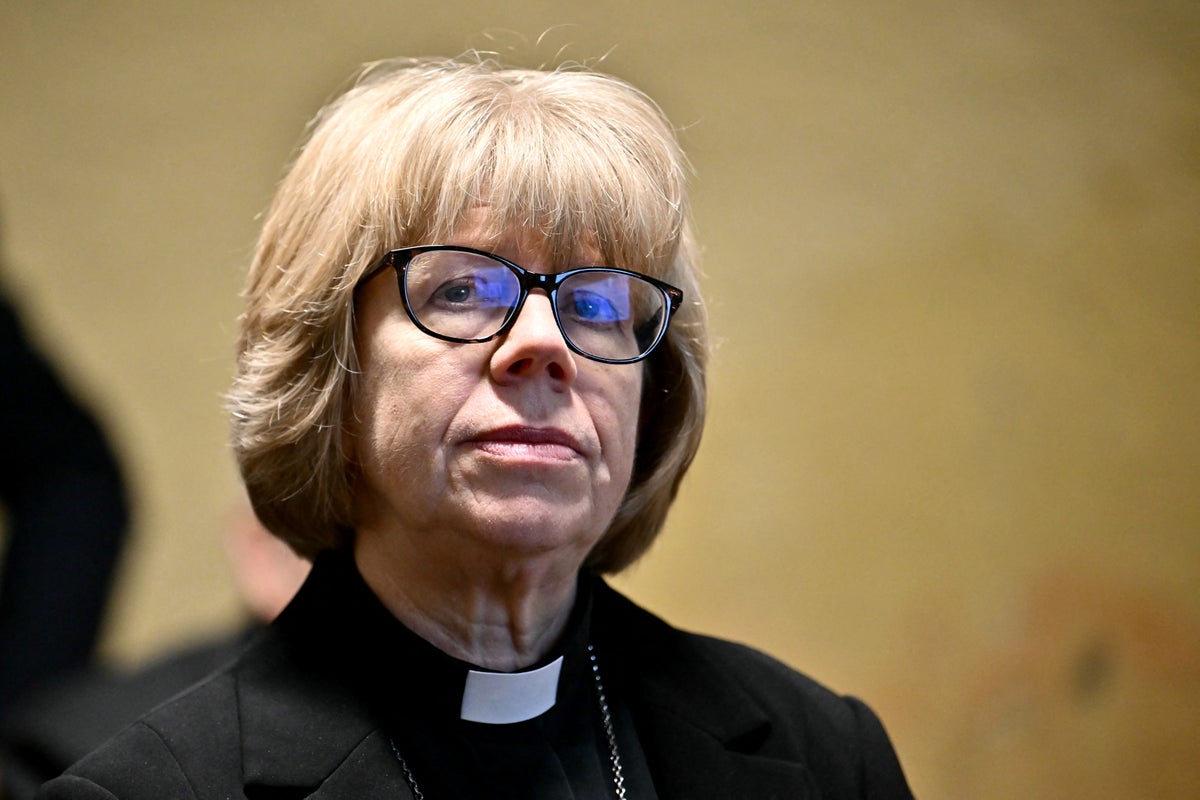
Current regulations governing artificial intelligence are “wholly inadequate” to prevent significant harm, the Archbishop of Canterbury has warned Parliament.
Dame Sarah Mullally highlighted concerns that chatbots are facilitating roleplays of rape and child sexual abuse, a development she fears risks normalising and legitimising such abhorrent acts.
Speaking at the outset of an AI debate in the House of Lords, a topic she personally selected, Dame Sarah advocated for a “pro-human framework” for AI development.
She cited a recent report from Durham University, which presented “evidence that chatbots are now facilitating violence against women and girls: allowing roleplays of incest, child sexual abuse and rape with few safeguards, risking the normalisation and the legitimisation of such abuse.”
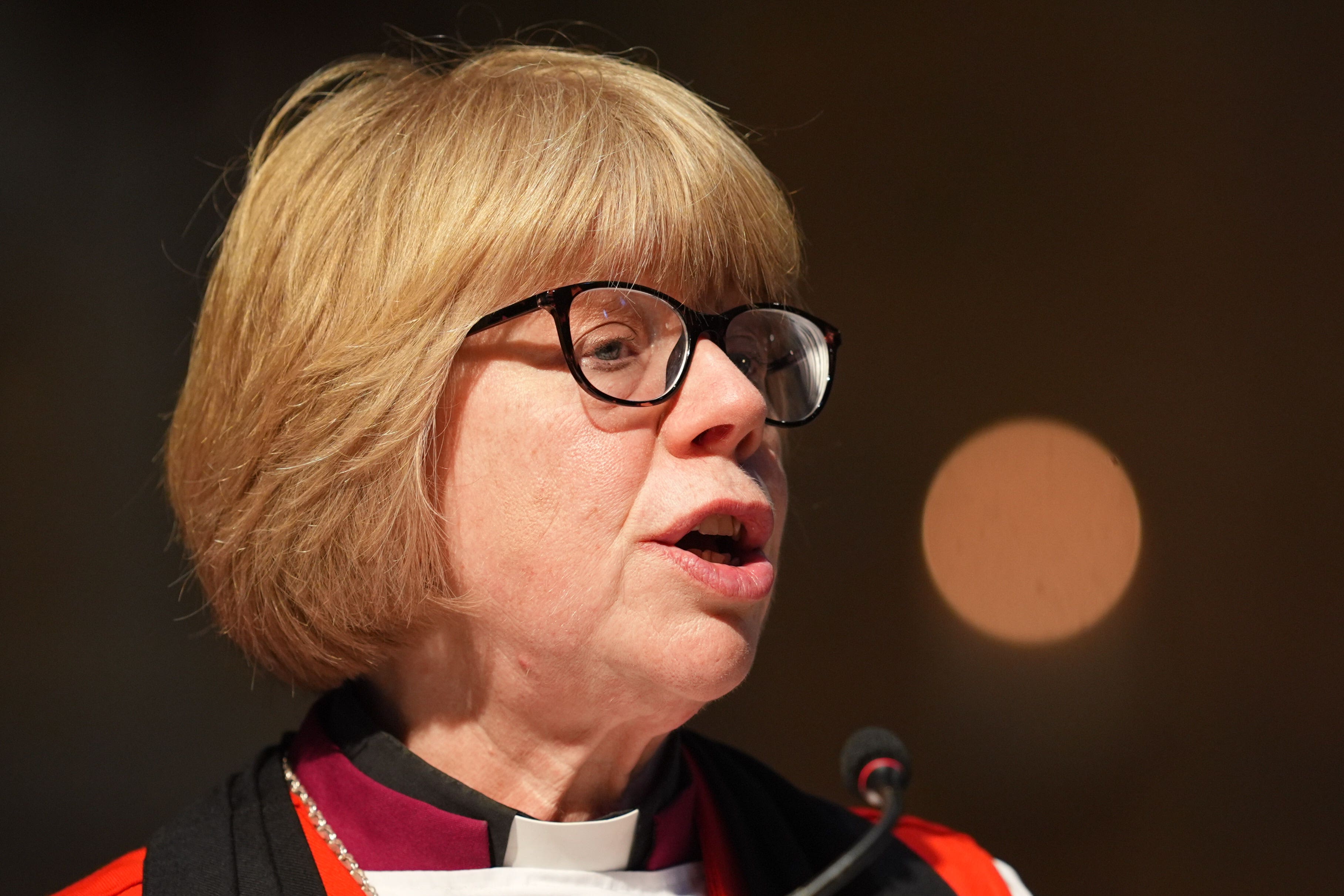
The Archbishop stressed that “These harms are not simply the result of user misuse – AI platforms design choices, policies and governance failures are encouraging and enabling them, and existing regulation is wholly inadequate to prevent them.”
While acknowledging AI’s potential benefits in fields like science, medicine, and nursing – areas where, as a former nurse, she noted “the value for human dignity is visible in some of the most tangible, practical ways” – Dame Sarah cautioned against its darker applications.
“There are sadly other uses of AI today which, rather than enhancing human dignity, are providing new ways of degrading it or violating it,” she told peers, urging that “We need to ensure that AI is being designed, built, regulated and used to serve our glorious humanity and not to diminish it.”
The Archbishop’s intervention follows similar calls from Pope Leo XIV, who addressed AI in his first encyclical letter, Magnifica Humanitas. Both Christian leaders underscored the imperative for AI to serve humanity and the public good.
Dame Sarah concluded her remarks by stating: “We must put people ahead of our profit, convenience or technology progress at all costs, to ensure that we harness AI to serve humanity, to be an extraordinary tool in creation of a more just, abundant and hope-filled world.”
Echoing the urgent need for robust AI regulation, Baroness Kidron, a long-standing online safety campaigner, questioned why the government has “repeatedly rejected measures designed to secure democratic oversight, accountability and sovereignty.”
The independent crossbench peer argued that “Every technology reflects decisions about who benefits, who bears the risks, and who gets to decide.”
She drew parallels with other heavily regulated sectors, from pharmaceuticals to aviation, noting that “every other industry… is regulated to ensure that private gain is balanced against the public good.” Yet, she observed, “the tech sector has spent 30 years arguing that it should be the exception, and it continues to make that argument about AI.”
Baroness Kidron warned of the tangible costs of this “tech exceptionalism,” citing its impact “on the bodies and minds of our children, in our public discourse, our deserted high streets, and the weakening trust in our democratic institutions.”
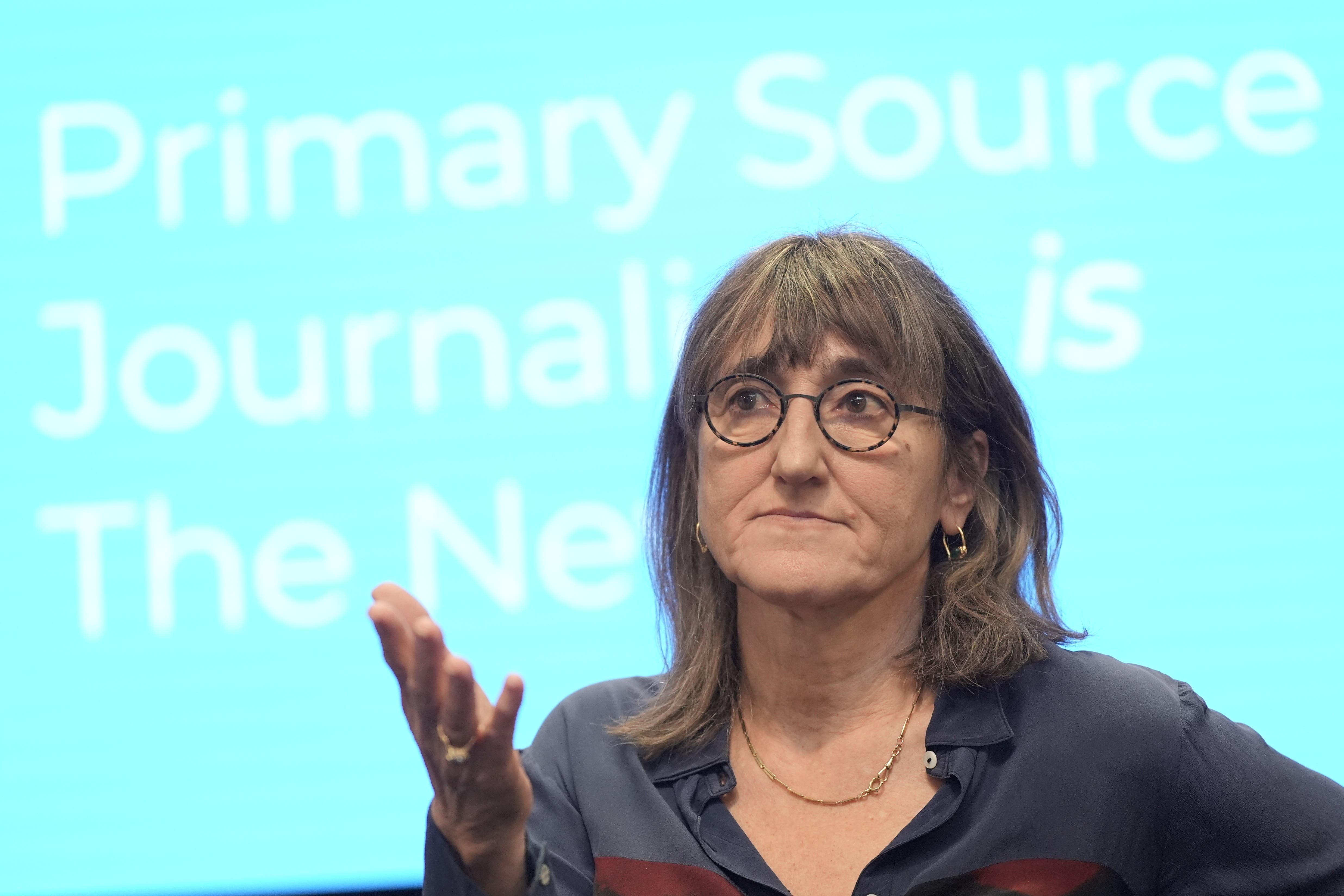
She asserted that: “Those outcomes were not technical errors, they were predictable consequences of a business model designed to maximise engagement, capture markets and minds, and become indispensable if unreliable intermediaries to all aspects of human life.”
She added that these systems “were aligned perfectly. They did exactly what they were designed to do, but they were aligned with commercial incentives rather than the public interest, or as Pope Leo would put it, the common good.”
Highlighting AI’s pervasive influence, she stated: “AI is already shaping our economy and society. It influences what we see, what we believe, and increasingly what opportunities are available to us.”
Furthermore, she pointed to a significant transfer of wealth and power: “it is already transferring huge sums of money from the UK to Silicon Valley, while concentrating control over increasingly essential infrastructure in the hands of a very small number of corporations.”
Baroness Kidron dramatically described the current situation as “an extraordinary moment in which perhaps the greatest technological opportunity in human history is also becoming one of the greatest transfers of power and wealth in history. A heist in plain sight.”
She concluded by reinforcing the message from religious leaders: “Our religious leaders are asking us to judge artificial intelligence not by what it can do, but by whether it serves human dignity and common good, and that sounds simple, but it is truly radical.”