
The government has failed to commit to maintaining the current level of aid spending – which has already been cut by 40 per cent – the chair of parliament’s International Development Committee has said.
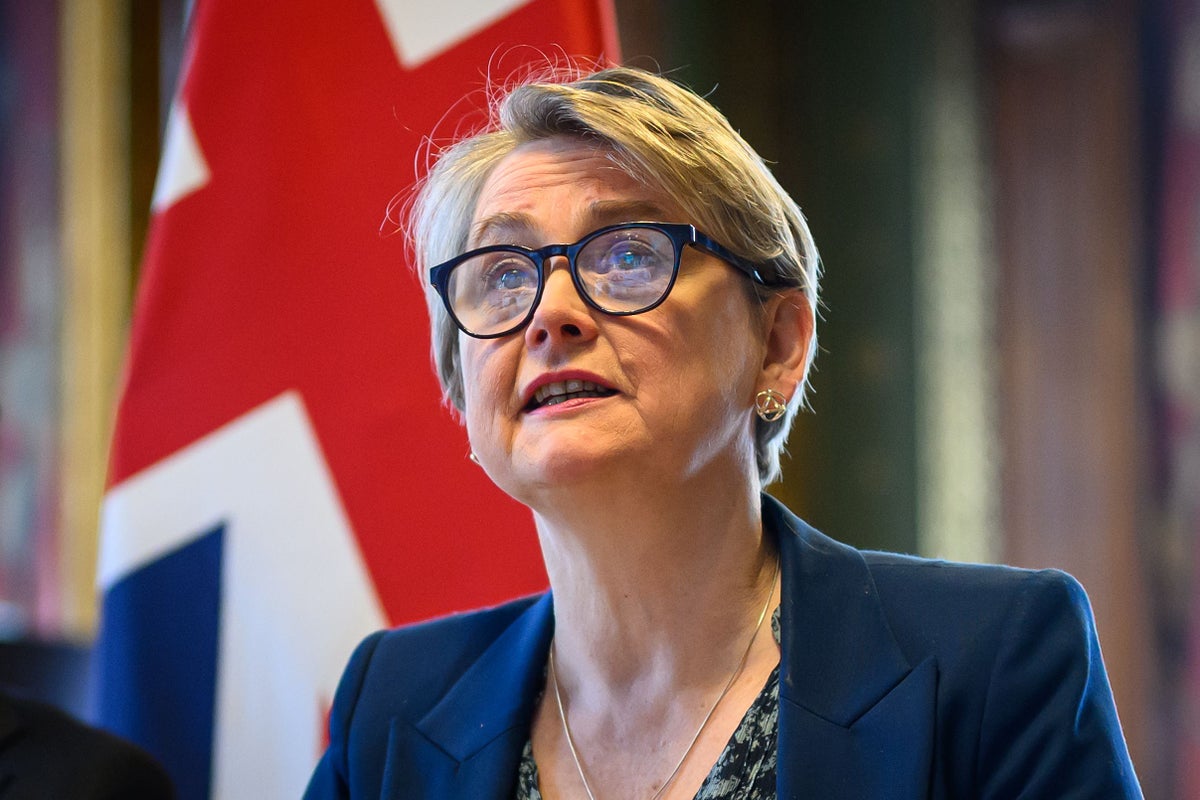
Last year, Keir Starmer announced that UK aid spending would be reduced from 0.5 per cent of Gross National Income (GNI) to 0.3 per cent GNI, a cut of 40 per cent. Where those cuts would land were laid out by the foreign secretary, Yvette Cooper, in March – with total spending expected to fall from £10 billion in 2026-27 to £8.9bn the following year, before increasing slightly to £9.4bn in 2028-29.
The Labour chair of the International Development Committee, Sarah Champion, wrote to Ms Cooper seeking reassurance that the government would not reduce that further by 2028-29. In her reply, Ms Cooper stated that “[The government’s] commitment to international development is as important as ever” and that “we have been able to set three years of allocations, providing teams with the predictability required to effectively manage the transition to 0.3 per cent of GNI”.
But Ms Cooper added: “All future plans are subject to revision as, by its nature, the department’s work is dynamic. Programme allocations are continually reviewed to respond to changing global needs, including humanitarian crises and other ODA allocation decisions.”
Releasing her letter, and the foreign secretary’s response, Ms Champion said: “Having written to the foreign secretary seeking reassurance on aid spending, this response does not fill me or my committee with confidence.
“The minister rightly states that international aid both supports those in extreme poverty and boosts our security at home. However, I’m disappointed that that she could not go further and explicitly say that the government is committing to spending at 0.3 per cent of GNI for the duration of the spending review period.”.
The aid cuts will see bilateral support for African countries fall from £1.3bn a year to £677m over the next three years – a drop of 56 per cent – while countries such as Afghanistan, Yemen and Myanmar will also face severe reductions. Meanwhile, climate funding will fall from £11.6bn across the five years to 2026 to £6bn over the next three years, a drop of almost 15 per cent. Funding for key multilateral funds supporting global health, including the Pandemic Fund and Global Polio Eradication Initiative, will also be cut.
Last month, the foreign secretary laid out Britain’s new approach to international development at the Global Partnerships Conference in London, co-hosted by the UK and South Africa. Speaking during a keynote address, Ms Cooper warned that the world was “more volatile, more contested, more unstable than ever,” with the Iran war in the Middle East one of a myriad of threats that wealthy nations need to be able to better address.
Ms Cooper said that “bold new approaches” to international development are now needed – with the UK’s new strategy of prioritising aid for fragile and conflict-affected countries, while building new investment partnerships with more stable developing countries, exemplifying this.
However, Ms Champion said the lack of reassurance about the UK’s aid spending in Ms Cooper’s letter to her does not back up that message.
“This ambiguity sits awkwardly with what I was hearing at last week’s Global Partnerships Conference,” she said. “The foreign secretary spoke purposefully about how global partnerships can drive international development to prevent crises in the first place and we saw a new Compact setting out how we will strengthen international cooperation to meet the global challenges that lie ahead.
“Aspects of this new approach are welcome but if the UK is to deliver on it, to help world’s most vulnerable people and to preserve our international reputation then we must ensure that spending does not drop below 0.3 per cent,” Ms Champion added.
The Foreign, Commonwealth and Development Office has been contacted for comment
This article has been produced as part of The Independent’s Rethinking Global Aid project