


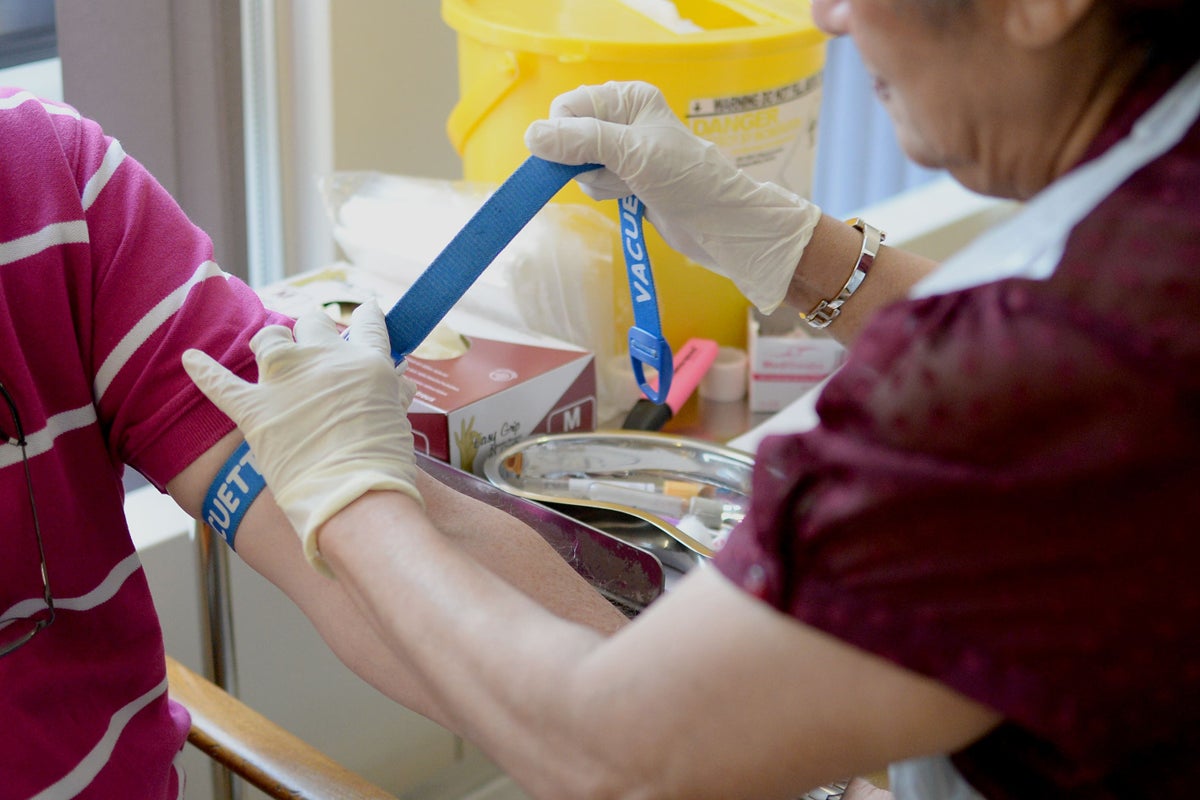
An annual blood test designed to detect multiple cancers before symptoms appear is “feasible at scale” on the NHS, experts have said.
The Galleri test works by identifying DNA shed by cancer cells in the bloodstream, offering early indications of the disease.
Results from the trial, involving 142,942 people in the UK aged 50 to 77 with no cancer symptoms, are being presented at the American Society of Clinical Oncology (Asco) annual meeting in Chicago.
The NHS-Galleri trial, which is exploring the test’s effectiveness, failed to meet its primary objective of significantly reducing later-stage cancer diagnoses.
Despite the setback, experts said that the findings “still offer genuine hope” for deadly cancers that currently lack screening options, including ovarian and pancreatic cancers.
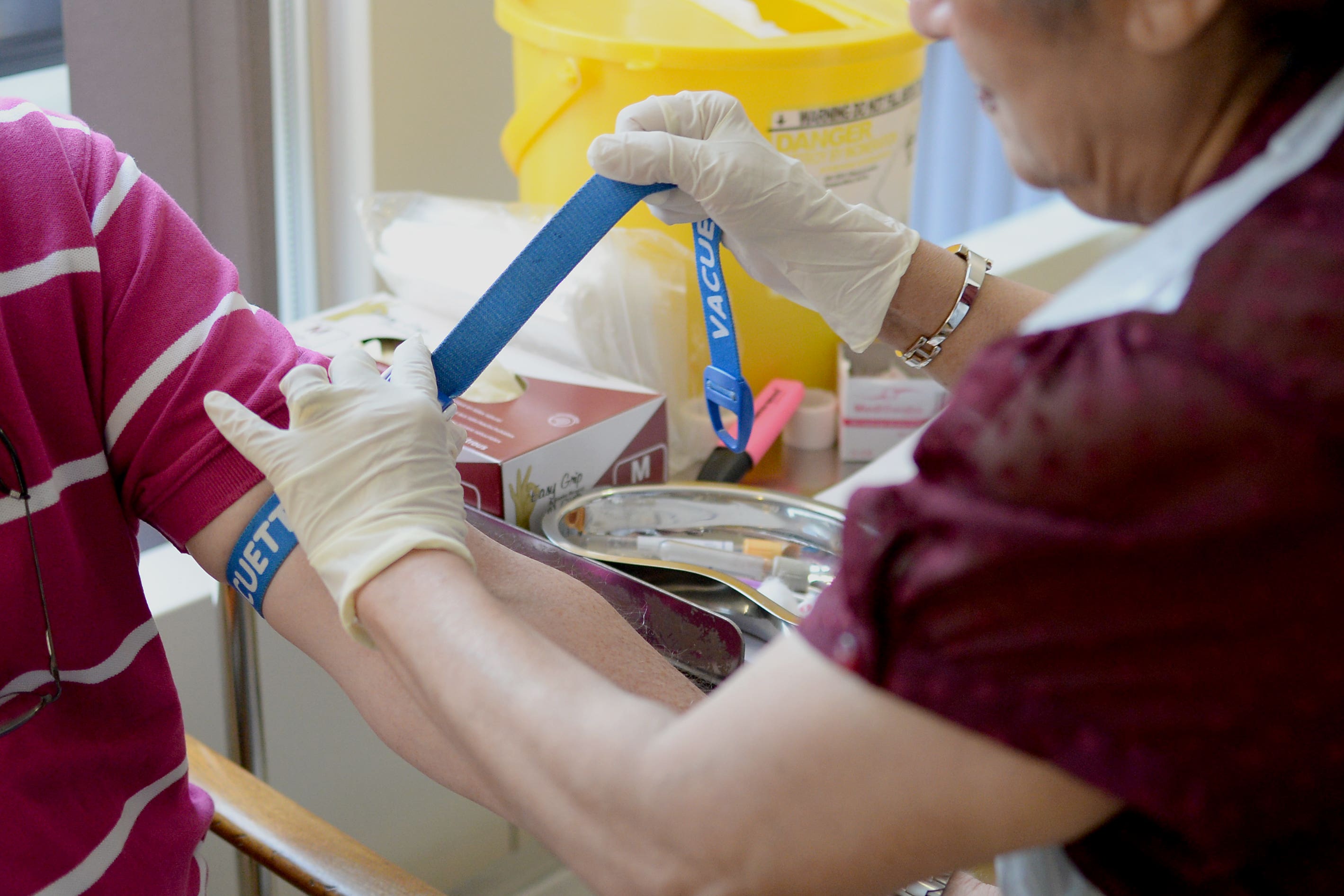
Participants provided annual blood samples for three years, with half being tested using Galleri.
The findings being presented at Asco show that the test, when used alongside NHS screening programmes, reduced diagnoses of the most advanced cancers by more than a fifth in the second and third years of screening.
There was a 9 per cent reduction in the first screening round, with falls of 22 per cent and 26 per cent in the second and third round respectively, in analysis focused on 12 pre-specified cancer types.
These 12 cancer types are responsible for two-thirds of cancer deaths in England, and many of these types do not have screening programmes and are usually found late, according to Grail.
Overall, the trial found there were 14 per cent fewer cancers diagnosed at stage 4, and 19 per cent more found at stages 1, 2 and 3.
The test also improved how cancers were detected, Grail said, with four times more people diagnosed as a result of screening and 25 per cent fewer patients diagnosed in emergency settings.
Professor Charles Swanton, lead study author of The Francis Crick Institute and University College London Cancer Institute, said: “This is the first randomised controlled trial of a multi-cancer early detection test to report results, and it represents a landmark achievement for participants and the UK’s National Health Service.
“The trial demonstrates that annual multi-cancer early detection testing is feasible at scale within a national health system and can increase the number of cancers detected through screening, including many for which no organised programme currently exists.”
Julie R Gralow, Asco chief medical officer and executive vice president, said: “While the Galleri-NHS study results show some encouraging trends toward tumour downstaging, it is important to recognise that the trial did not statistically reduce late-stage cancers by its predefined primary endpoint.
“Nevertheless, these findings still offer genuine hope for deadly malignancies that currently lack screening options, such as ovarian and pancreatic cancer.”

Ms Gralow said that longer-term follow-up and the results of the Reach study, which will trial Galleri on about 50,000 US patients, would “provide the critical additional information” to weigh-up the benefits and risks of early detection blood tests.
Reacting to the findings, Professor Richard Houlston, head of the division of genetics and epidemiology, at the Institute of Cancer Research, London, said “the researchers have presented their findings far more positively than the overall results justify”.
“The study’s main goal was to show a reduction in late-stage cancers overall, and this primary endpoint was not met,” he said.
“While some secondary findings are encouraging, in so far as a possible reduction in the most advanced cancers after repeated screening rounds, these results remain uncertain and should be interpreted cautiously.”
Dr Ian Walker, executive director of policy at Cancer Research UK, said: “At this point, we do not know if the test could reduce cancer deaths in people without symptoms and will need to analyse the data to assess if and how the test could be used in the NHS in future.
“These results do, however, illustrate the need to support a wide range of multi-cancer tests that have the potential to detect cancer earlier.
“If multi-cancer tests are deployed in the health service in future, the number of people referred for suspected cancer could rise.
“It is therefore vital that the Government fully implements the National Cancer Plan for England alongside substantial investment in staff and kit, to tackle the persistent shortages that already exist within cancer services.”