


Cancers originating in smaller cells packed densely with genetic material may lead to worse illnesses and poorer outcomes, according to new research.
Cancer is caused mainly by cell replication errors that alter the number of chromosomes.Most of the body’s cells are diploid, meaning they contain two copies of each chromosome, one from each parent.
But replication errors may produce an abnormal number of chromosomes, which is a hallmark sign of cancer.
Some cells may end up with four full sets of chromosomes, a condition known as tetraploidy. And smaller cells with tetraploidy may cause larger cancerous tumours and poorer prognosis in mice, according to researchers from Virginia Tech in the US.
“The presence of even a small fraction of these tetraploid cells can promote the recruitment of extra non-cancerous cells that support further tumour progression,” said Megan Sweet, an author of a new study published in the journal Cancer Research.
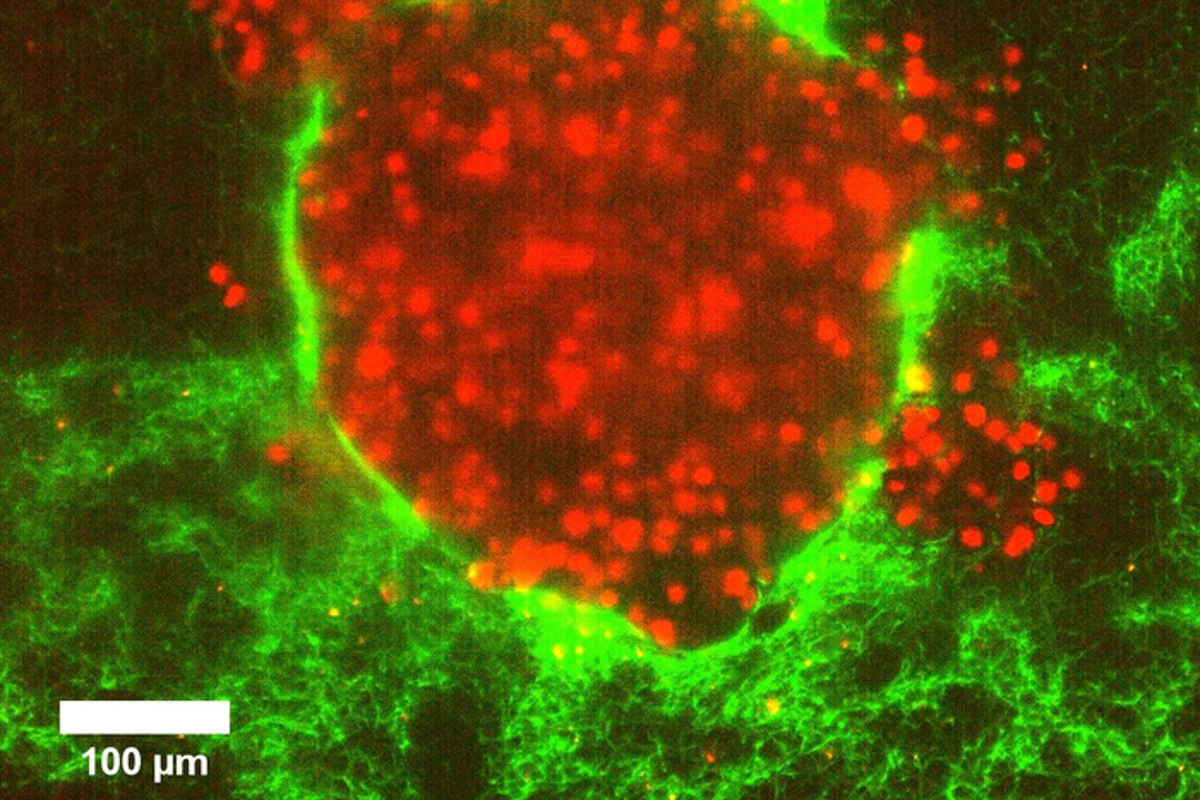
The researchers found that smaller tetraploid human cells grown in a lab, about 25-30 per cent tinier than normal, were more likely to produce tumours than larger ones.
They also confirmed that smaller cells with four sets of genetic material were more likely to grow into tumours in mice, even in the case of breast and bowel cancer.
“We already knew that tetraploidy can make cells more tumorigenic but now we know that if you incorporate the size of the cells, it can be more predictive of tumorigenic potential,” cell biologist Daniela Cimini said.
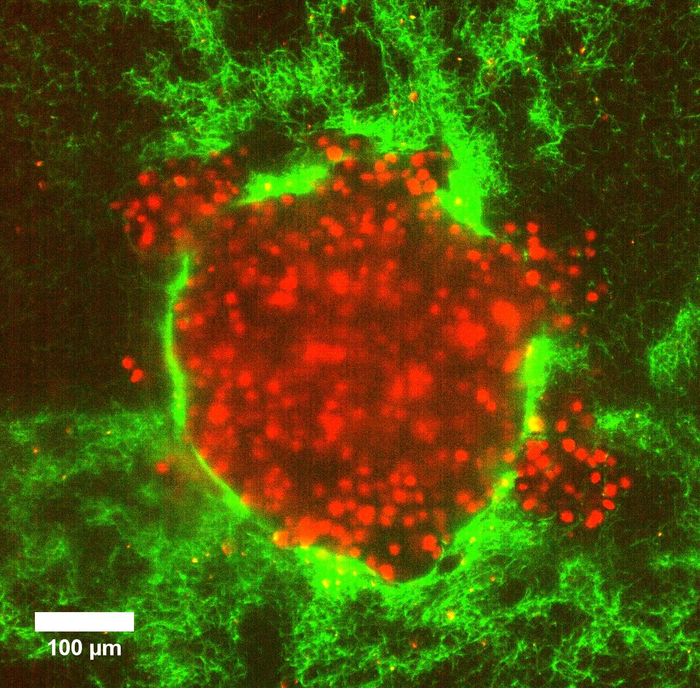
“The smaller clones are more aggressive. They grow faster, are more invasive, and more tolerant of common anti-cancer and stress-inducing drugs,” Mat Bloomfield, an author of another cancer study published in PNAS, said.
This implies the size of a cell and of its nucleus, where the genetic material is housed, may be an important indicator of its tumour-generating potential.
In further research, scientists hope to better understand the mechanisms behind these findings.
The researchers suspect the more compact nature of small cells makes cellular processes like nutrient uptake, gene expression and protein interactions more efficient.
The findings, they said, could “reveal new genetic targets and size-specific dependencies” that, in turn, could help improve diagnosis and treatment.