
If I were to play the association game and the other player said “Barcelona”, I’d reply with “water pistol”.
In 2024, the Catalan capital made news when locals soaked visitors as a protest against overtourism. Some called it the inappropriate actions of the few. I thought it was clever: simultaneously innocuous and forthright; no one was hurt and the message went viral. And the residents have good reason to be frustrated.
Last year, Barcelona drew 16 million tourists into a city of 1.6 million. Tourism accounts for a fifth of the economy, but it’s also pushing residents out. The housing market has taken the hit, with more than 10,000 apartments currently licensed as short-term tourist rentals.
As an ex-Londoner who watched short-term lets and rising rents reshape the city, I recognise the pattern. But Barcelona still pulls me back with its progressive politics, thriving and authentic food scene, and the electric late-night culture that underpins the city.
Read more: The best things to do in Barcelona in 2026
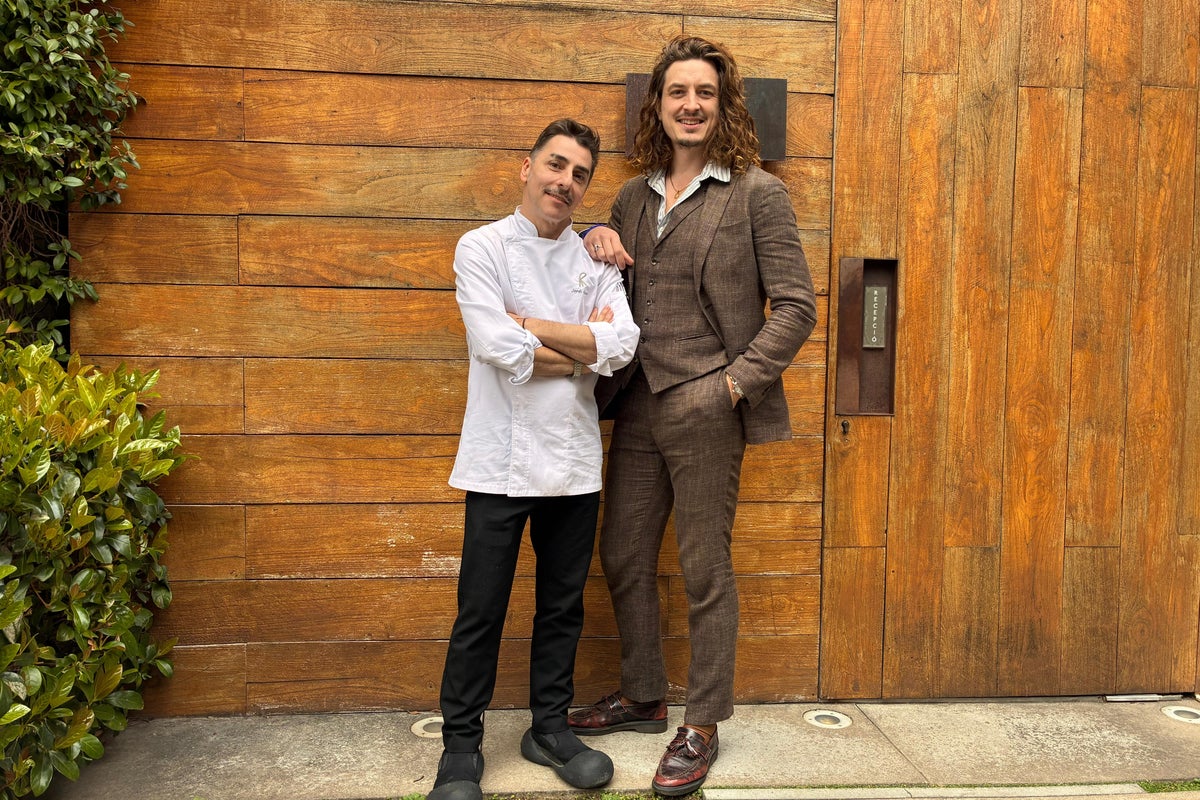
So where is the real Barca? I visited recently to meet Catalan-born Jordi Roca – the world-famous pastry chef behind Girona’s three-Michelin-starred El Celler de Can Roca – and asked him to take me on a tour of the authentic Barcelona restaurants, bars and hangouts he loves most.
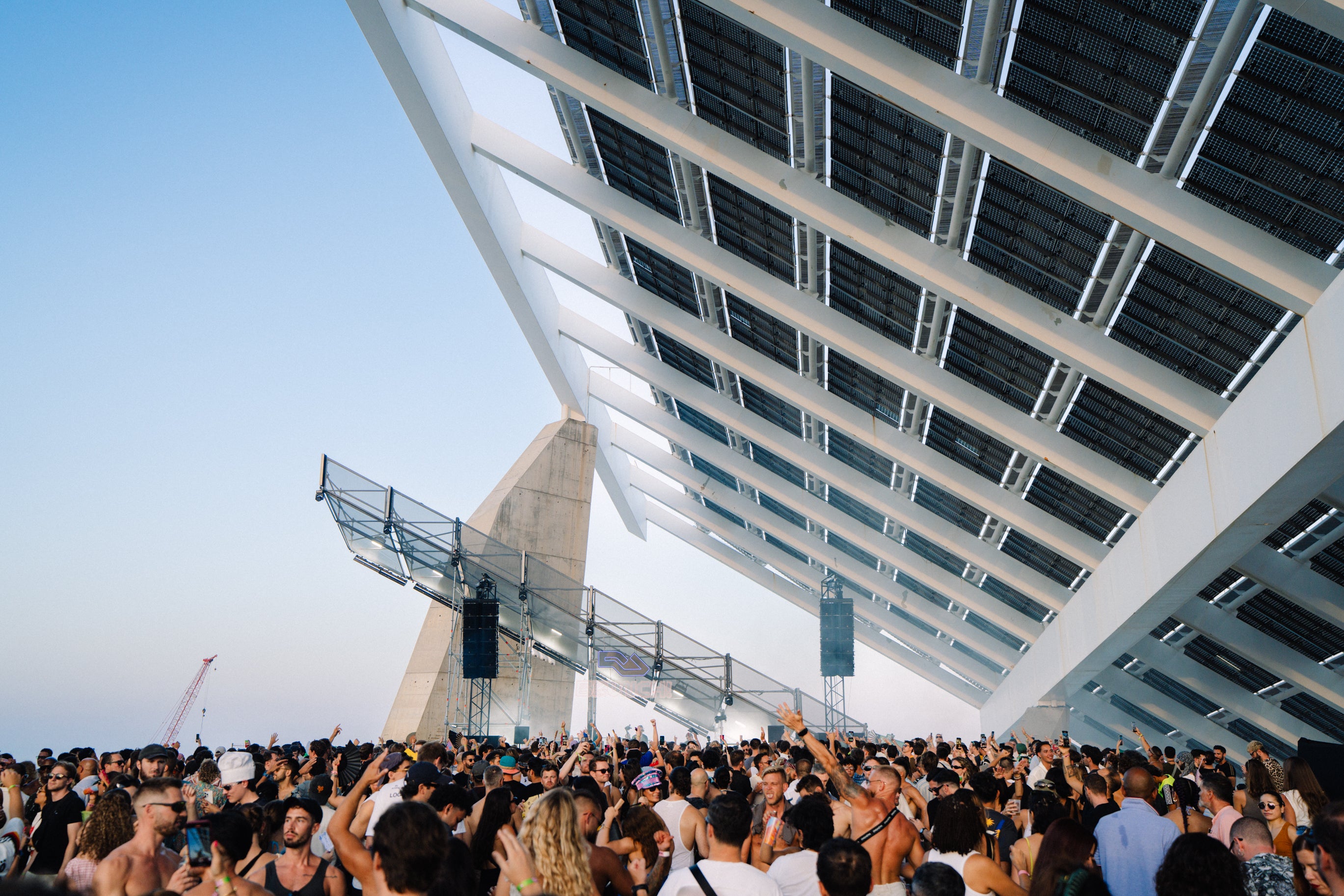
The tour would end at Brunch Electronik, a dance music event loved by locals that started as a daytime summer festival and now runs indoor parties through the year. “It’s a place to feel connected with Barca’s spirit and rhythm,” he tells me.
Things didn’t start promisingly. We met in Paradiso, a bar in the touristy Gothic Quarter. While it was a pleasing 90-second walk from my hotel, the swanky Kimpton Vividora, it didn’t feel “on brief”, so I challenged him. “You first have to look where you least expect it,” he said, with a Dali-esque mischief.
Paradiso has more medals than a despot and was named best bar in the world in 2022. The branded uniforms are a distraction, but the drinks are made with precision and are surreal in appearance – concocted in a lab next door. As it was poured, my truffle martini froze and formed a Gaudian stalagmite in the glass. The bartender told me he had learnt the technique from Roca himself.
A few days before, I dined at El Celler de Can Roca – the three-Michelin-star restaurant Roca runs with his two brothers in Girona – and can confirm that he cooks with the curiosity of an alchemist. Paradiso made sense. But dinner, he said, would go the other way.
We walked from Paradiso to nearby Bar Super, which sits opposite Santa Caterina Market. “Super… Market,” said manager David Garcia, as he opened a cloudy Galician white he’d been saving for a friend. He stuck around as Roca and I sipped and reported “apples and a farmyard whiff” back to him. He nodded approvingly and poured more.
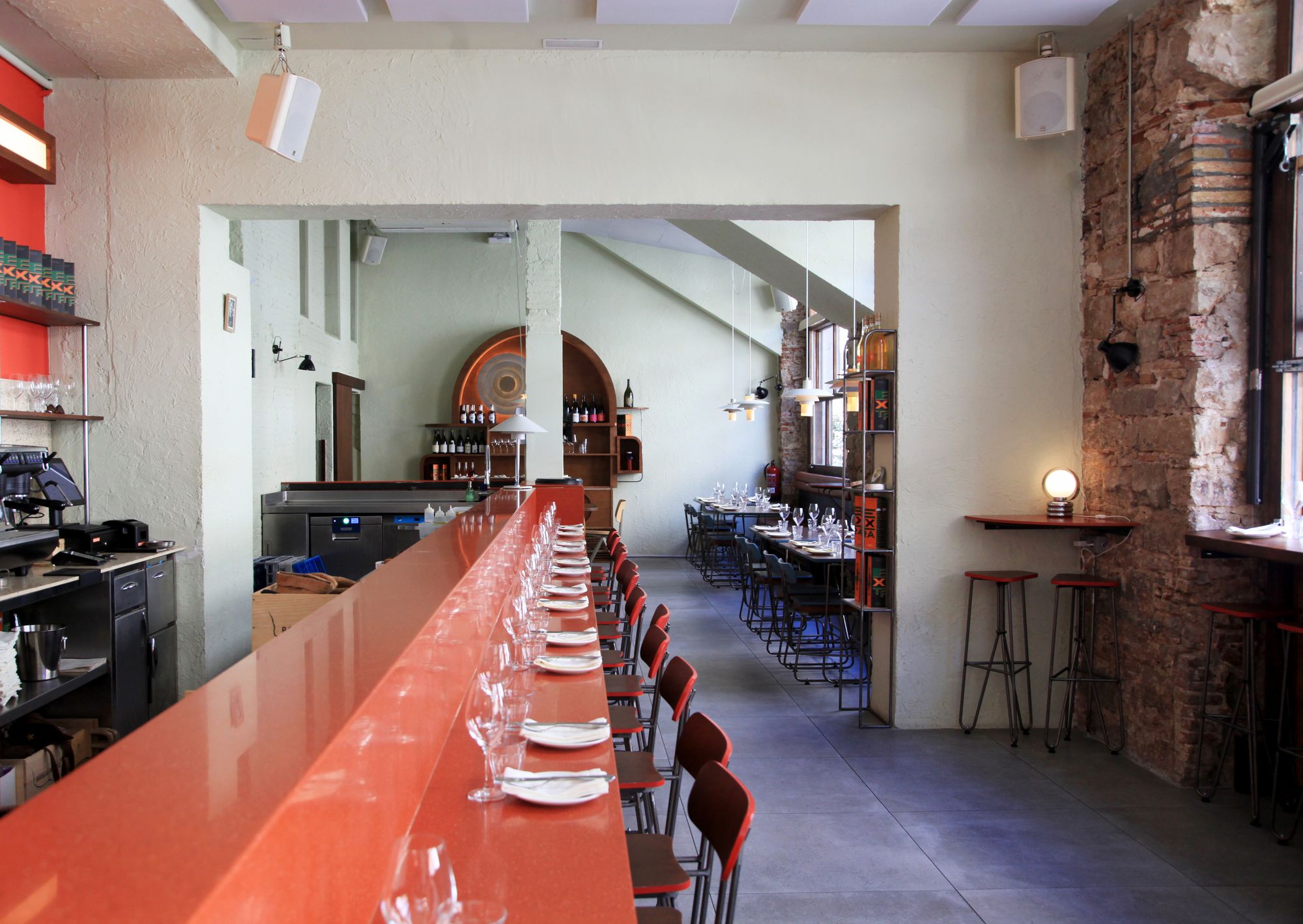
As the anchovies with smoked butter came out, I realised I hadn’t heard a word of English since we’d sat down. “A good sign, no?” Roca said, smiling. Plates followed without commentary, including a magical headline mackerel, cooked simply over a yakitori grill. “I feel connected with this place,” Roca said. “It’s very authentic.”
And that was the last time I saw Jordi Roca. He couldn’t join me the next day, but gave me a treasure map that started with Oaxaca Cuina Mexicana near the Old Port. Again, it didn’t appear to fit the brief. “Barcelona loves its past, but it absorbs other influences, too,” he said, the night before. “This place has the best tacos in Spain.”
Read more: On the trail of Picasso in Barcelona, Catalonia’s art-loving capital
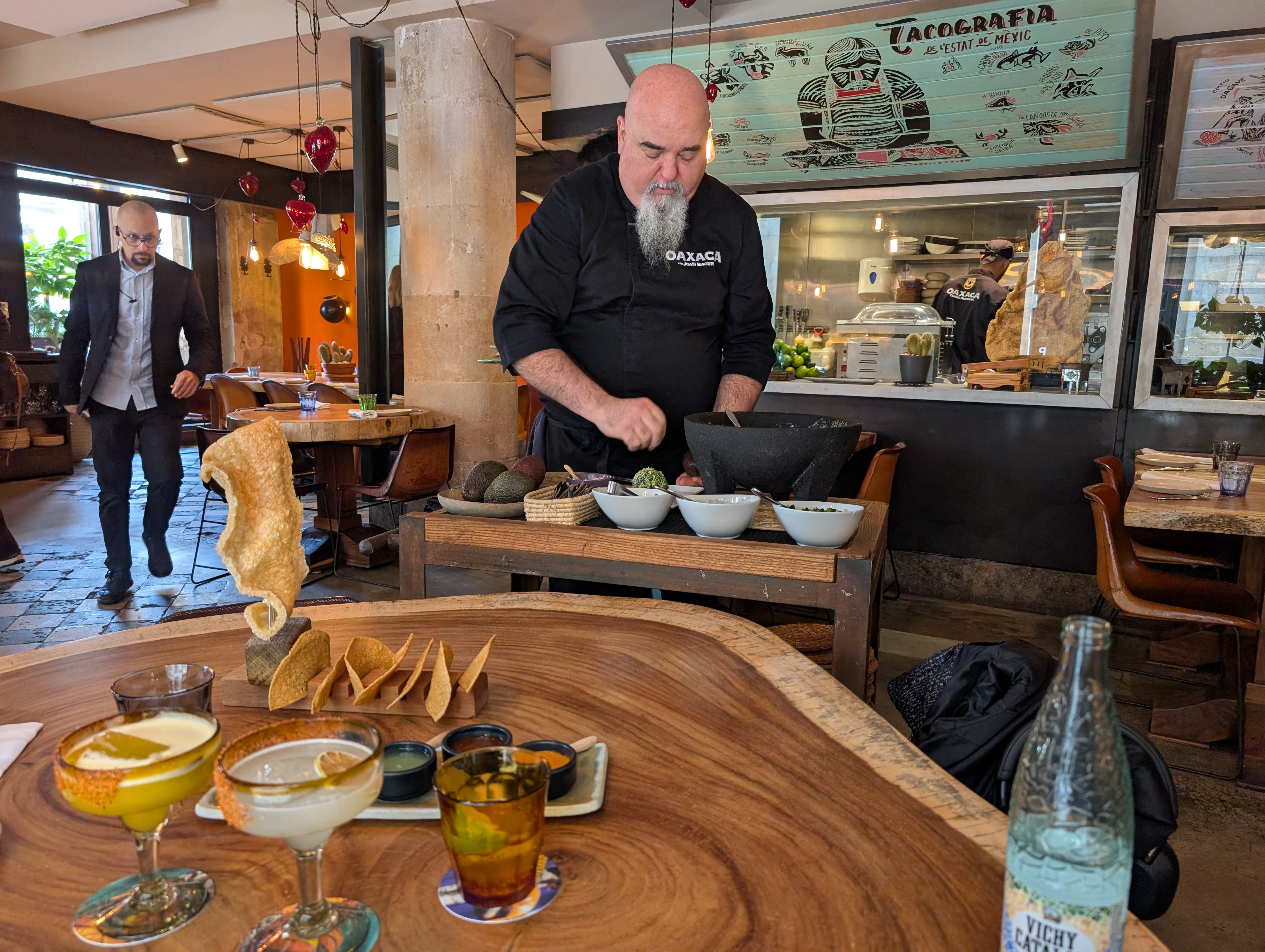
Head chef Joan Bagur – a local who trained in Mexico – came out to say hello and promised me a good time, which meant an avalanche of dishes. First a rainbow trio of oysters, fried crickets and ants, a mortar of guacamole and some giant puffy chicharrón. Then it was red tuna tostadas, whole soft-shell crab tacos, and a perfect cube of Oaxaca-style chicken, slicked over with black mole.
I wanted to lie down afterwards, but my friend Paul, an expat of 10 years, met me and insisted we go somewhere “so achingly local you’ll walk out with a Catalan accent”.
That meant 112-year-old Quimet y Quimet in Poble-sec, a standing-only restaurant with no kitchen. Everything comes from tins and jars and is assembled to order. I snarfed smoked salmon with yoghurt and honey on toast, standing shoulder-to-shoulder with my fellow scoffers.
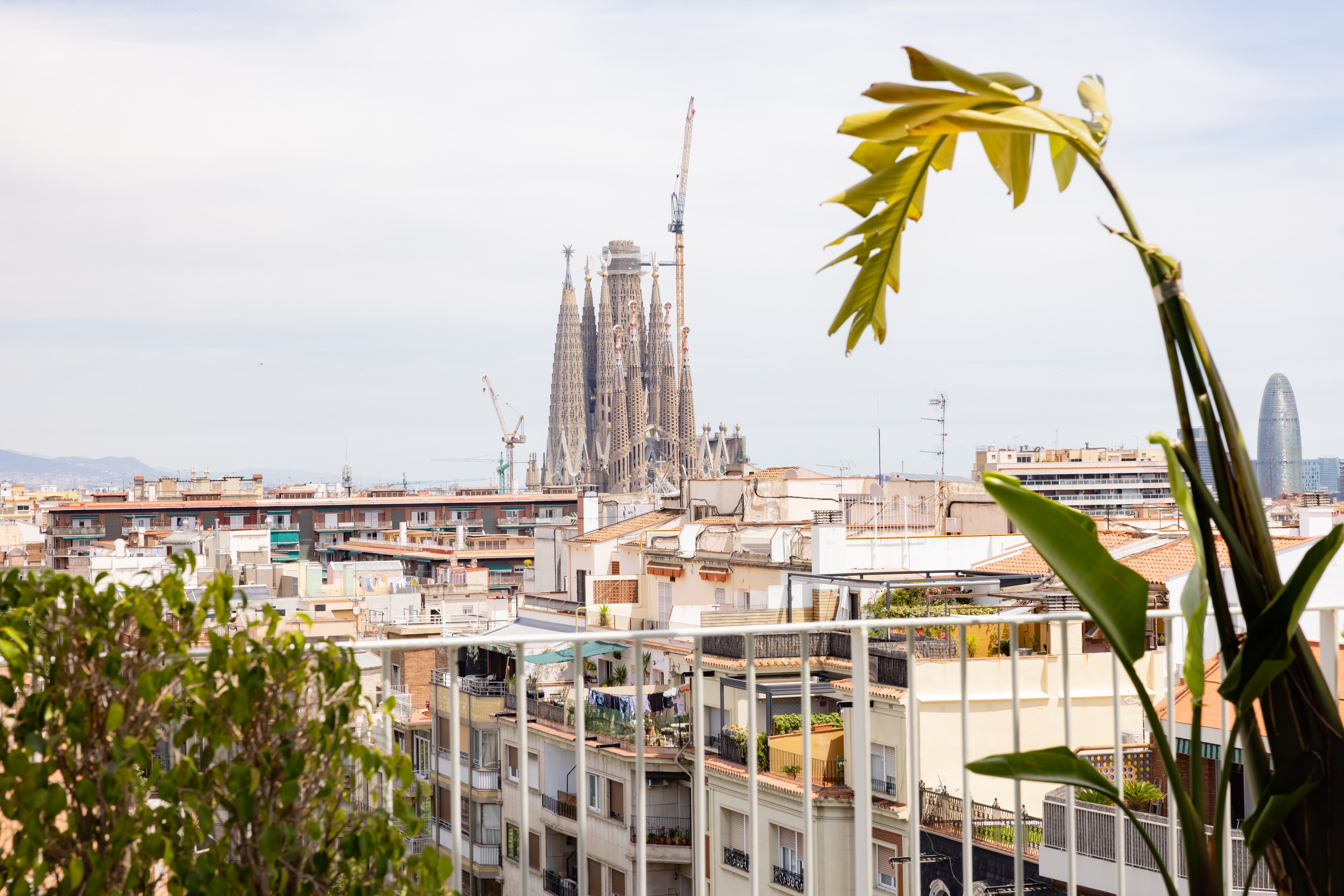
We were kicked out at 4.30pm, so I went back to the hotel and found a lounger by the rooftop pool. I usually loathe these spaces for their Dubai-adjacent vibe, but when you’re 4,000 calories into a Barca food safari, lying prone on something soft in the late-winter Spanish sun is like manna from heaven.
After a shower, shave, and with a new shirt on, I was bound for another of Roca’s favourite haunts, Oblicuo Hi-Fi Bar. A room where the decor channels 1980s-style minimalism, built around a sound system that the city’s audiophiles clearly approve of – it was packed and I was lucky to get a seat.
With the hazy tones of hip hop vinyl playing, I sat and had a drink with its Neapolitan landlord, Ivanmaria Vele, who told me Barcelona is the best place to live in Europe: “Everything is close. Your life improves immediately.” Then he looked around and added: “But you need a little bit of an edge. Otherwise it’s boring, right?”
A group at the next table pulled me in and, not long after, we were in a taxi heading to Input, a night club on the edge of town. It’s set in Poble Espanyol, a slightly surreal mock village with replicas of Spanish architecture. Indoors, though, was a functional space for black-clad ravers to get their fix. I bought a pricey gin and tonic before tipping my head back and letting the megatron sound system massage my chest for a few hours.
What was supposed to be an early night finished in the early hours. I left at dawn, had a few more precious hours at Kimpton before checking into Generator, an upmarket hostel in Gràcia. Expat Paul described the area as “stubbornly local”, so it felt like the right place to spend my final day.
In a loose nod to Roca’s DJ sideline, things began, mid-afternoon, at the aptly named Ultra Local Records, where I found a dusty press of a Smashing Pumpkins LP I’ve been hunting for for years. Then it was over to L’Atelier. “It’s where I go for pastries”, Roca previously told me, for the signature pistachio-cream croissant. More dessert than breakfast or lunch, but artful and decadent. Very Roca.
A Madridian food critic I met in the buzzing bar at Generator (what are the chances?) suggested I try to get a spot at “Barcelona’s best restaurant right now”. I arrived at nearby Gresca without booking, took the only seat left at the bar, and nibbled my way through a “Gresca bikini” – molten Comté and truffle – a plate of red prawns off the plancha and crispy slices of veal sweetbread. The critic and I agreed.
And finally to nightclub La Luz de Gaz, in Sarrià-Sant Gervasi, for the Brunch Electronik event I had been waiting for all week. Expat Paul and I arrived at midnight but it wasn’t yet open, so we went back to Oblicuo before returning an hour later to a packed room. Input’s functional darkness had been replaced with the gilt swirls of a fin-de-siècle theatre.
The crowd was more chic and surprisingly approachable, which matched the smiley house music. I made a friend. A master’s student and Brunch Electronik regular, she showed me how my dance moves could be improved before giving an eloquent potted history of Barcelona’s dance music scene.
“You need to come back for the summer festival!” she said. “That’s where you’ll find the real Barcelona.” Apparently, I still have more searching to do.
Read more: Best budget-friendly hotels in Barcelona
Five more of Jordi Roca’s favourite Barcelona spots
Mantequerías Pirenaicas, Sant Gervasi
This narrow deli brings a permanent crowd to its counter, where thick wedges of tortilla are cut to order and eaten standing up.
Bar Cañete, El Raval
At a long stainless-steel counter, cooks work in front of you and plates of razor clams, jamón croquetas and grilled seafood land as soon as they’re ready. barcanete.com
Bar Brutal, El Born
Here, wine boards are hand-written, tables are tightly packed, and bottles are opened and passed around without much ceremony. barbrutal.com
Bodega La Palma, Gothic Quarter
At this tiled-wall bar vermouth is poured straight from the cask into small glasses.
Origo Bakery, Gothic Quarter
You’ll find trays of dark-crusted loaves behind the counter at this buzzing bakery, and laminated pastries stacked by the till. Beware: queues form early.
Damien was a guest of Kimpton Vividora and Generator Barcelona.
Where to stay
Rooms at Kimpton Vividora Barcelona – a central five-star hotel with a rooftop pool tucked into the Gothic Quarter – start from £190.
Doubles at Generator Barcelona – a lively design-led stay popular with younger creatives in Gràcia – start from £100.
Brunch Electronik tickets start from €35 (£30).
How to get there
Multiple daily flights from London Gatwick, Heathrow, Luton and Stansted to Barcelona–El Prat Airport take around two hours and 10 minutes, with fares from roughly £35 return on Ryanair and Vueling.