

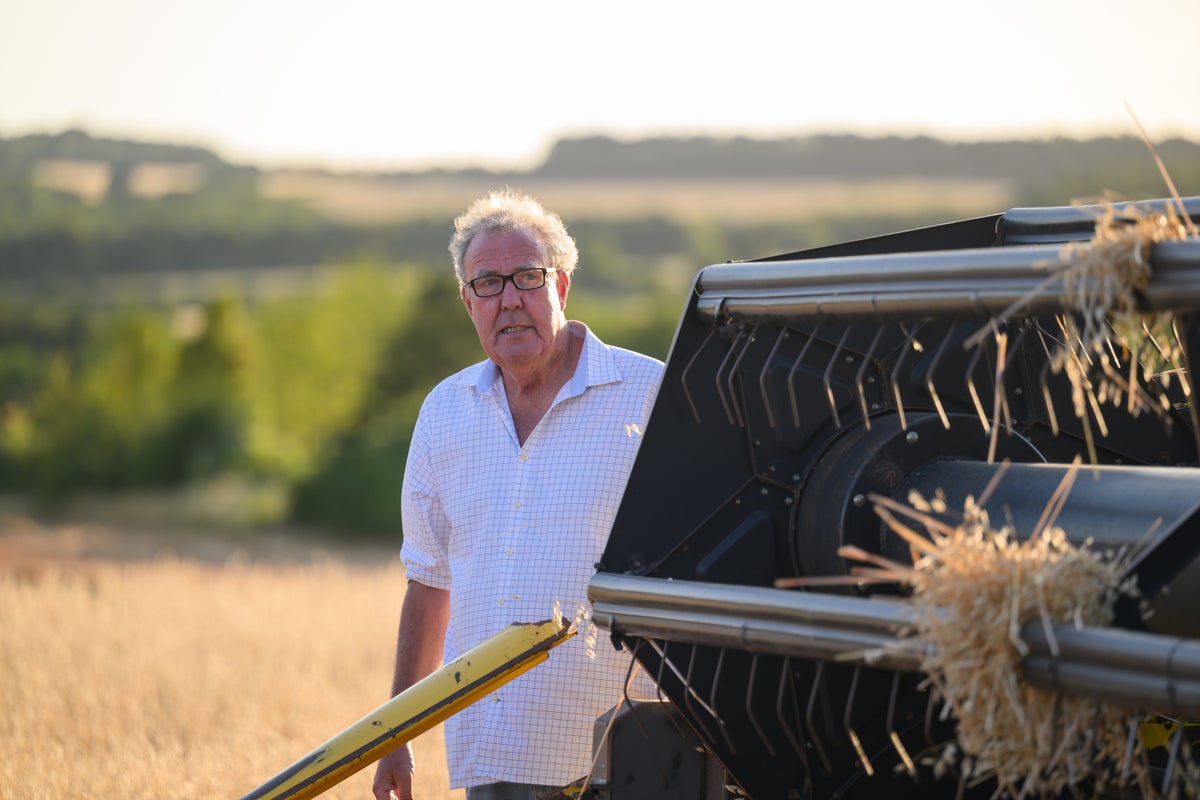
Jeremy Clarkson’s popular series, which invites cameras onto his 1,000-acre Cotswolds farm, has been widely praised for its candid portrayal of the British agricultural industry.
It has illuminated the genuine financial and bureaucratic struggles faced by farmers, alongside the critical need to adapt to climate change.
This exposure, particularly through the dynamic between Clarkson and his 27-year-old farm manager, Kaleb Cooper, is credited with sparking a significant surge in young people joining agricultural groups.
Beyond the screen, Clarkson, also known for hosting Who Wants to Be a Millionaire?, has actively engaged with policy.
In May 2024, he challenged government planning reforms, advocating for farmers to convert agricultural buildings into homes and shops.
The upcoming fifth series of Clarkson’s Farm promises further drama, as Clarkson faces a major health scare, prompting instructions to reduce his workload.
This directive, however, clashes with the farming community’s protests against the government’s budget, making a step back difficult.
Clarkson also decides to welcome EasyCare sheep, a new breed requiring minimal shepherding and veterinary care, which even shed their own fleece in the summer.

Watch Apple TV+ free for 7 day
New subscribers only. £9.99/mo. after free trial. Plan auto-renews until cancelled.
Try for free
ADVERTISEMENT. If you sign up to this service we will earn commission. This revenue helps to fund journalism across The Independent.
Watch Apple TV+ free for 7 day
New subscribers only. £9.99/mo. after free trial. Plan auto-renews until cancelled.
Try for free
ADVERTISEMENT. If you sign up to this service we will earn commission. This revenue helps to fund journalism across The Independent.
He also upgrades Diddly Squat Farm with hi-tech gear, and takes a rather baffled Cooper on his first-ever trip abroad to see how it’s done.
Leaving robot tractors in charge, all is well for a while, until things turn dark, chaos erupts, and bad luck strikes from every direction.
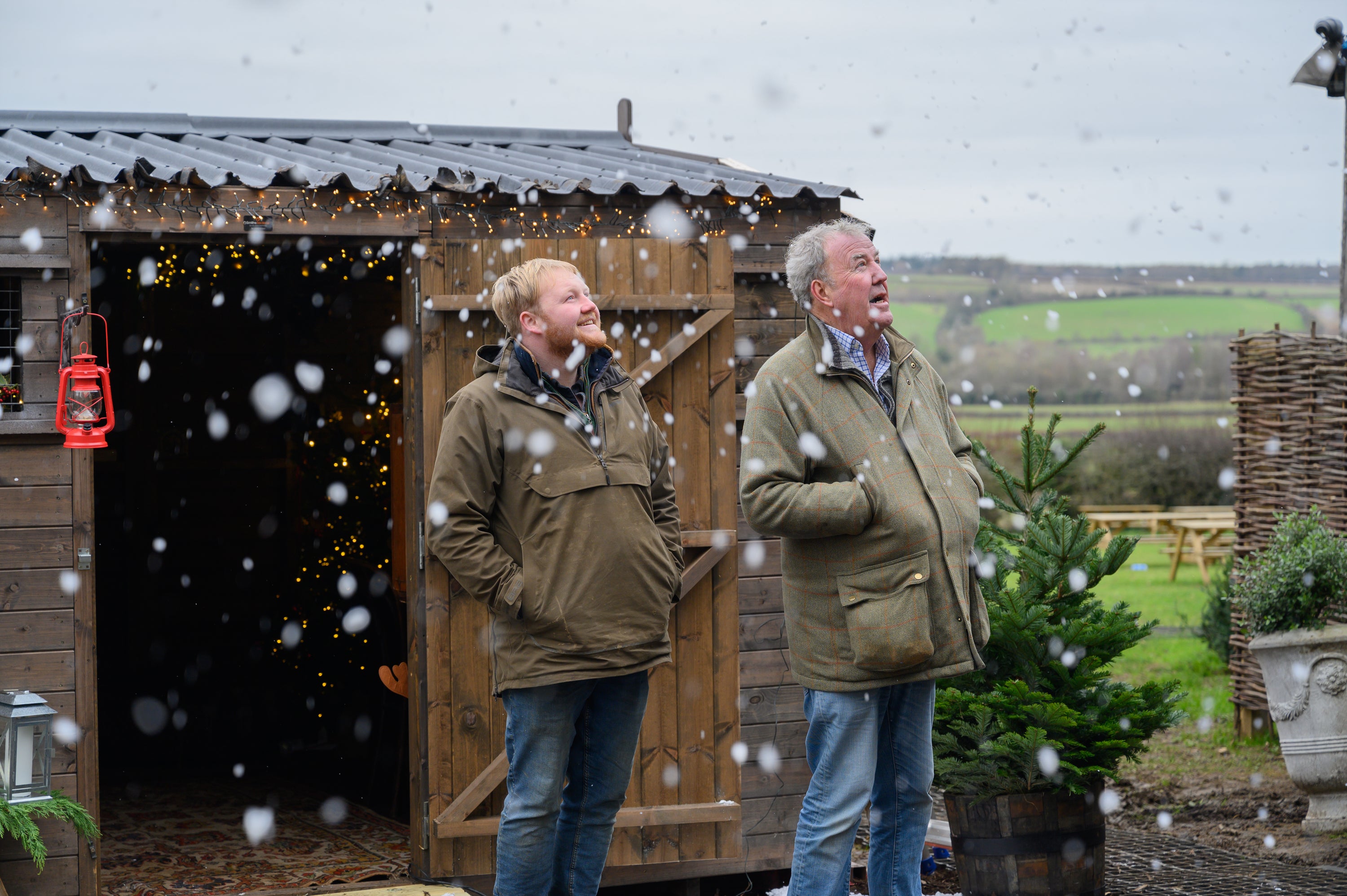
Ahead of the release, Clarkson and Cooper discuss how the farm has evolved.
DO YOU THINK THE SHOW HAS GIVEN AUDIENCES A BETTER UNDERSTANDING OF THE REALITIES OF FARMING?
JEREMY CLARKSON: I like to think Clarkson’s Farm has altered the way people think about farming. I think more people now appreciate just how difficult it is and just how badly paid it is. For that reason alone, I think the programme has been a good thing.
Obviously, things like the government budget have fed into that wider conversation across UK farming, and Clarkson’s Farm reflects that.
WHAT COULD MAKE FARMING EASIER?
JEREMY CLARKSON: If we had predictable weather and a sensible government, farming would be easy, but because we have neither, it isn’t.
It’s the same all over the world. We have farmers coming to the pub and the shop from everywhere. Australia, America, South Africa, Poland, Finland. They all say the same thing. Weather and government are the two problems.
WHAT HIGH-TECH UPGRADES DID THE FARM RECEIVE?
JEREMY CLARKSON: There was the autonomous driverless tractor, which Kaleb really didn’t like. He said it was going to put him out of a job, which made me smile.
Then there was the FarmDroid, which plants onions and beetroot completely autonomously, which is very clever.
But above both of those was the underground soil mapping. We now know, to the square foot, where the soil is good and where it isn’t. That means we can fertilise according to need, rather than just coating the whole farm with fertiliser and sprays. That system is incredibly helpful, and it saves a fortune.
WHAT WOULD SURPRISE VIEWERS THE MOST ABOUT YOUR FARMING?
JEREMY CLARKSON: After six or seven years of farming, I still can’t attach anything to the back of a tractor. I can’t remember the sequence of buttons, I can’t line anything up properly, and I don’t know where the hydraulic hoses go.
It disappoints me that I still have to get Kaleb to help. Anything practical, I can’t do. It’s annoying in everyday life, but on a farm, it’s absolutely infuriating.
KALEB, IN THIS NEW SERIES YOU TRAVEL ABROAD FOR THE FIRST TIME. WHAT WAS THAT LIKE?
KALEB COOPER: It was my first time abroad, so I didn’t know what to expect. And I just got very nervous about going under the Channel and, of course, everything was new to me.
WHAT DID YOUR TRAVELS TEACH YOU ABOUT HOW TECHNOLOGY IS BEING USED ON FARMS GLOBALLY?
KALEB COOPER: There was so much information there. From what I experienced, they’re much further ahead than UK farmers, as you’ll see in the series. I got thrown with all the information about how they farm, which is amazing, because they’re much more high-tech than we are in Britain.
I think they step up and aren’t scared to change their farming practices, whereas I think here we can be a bit stuck in our ways.
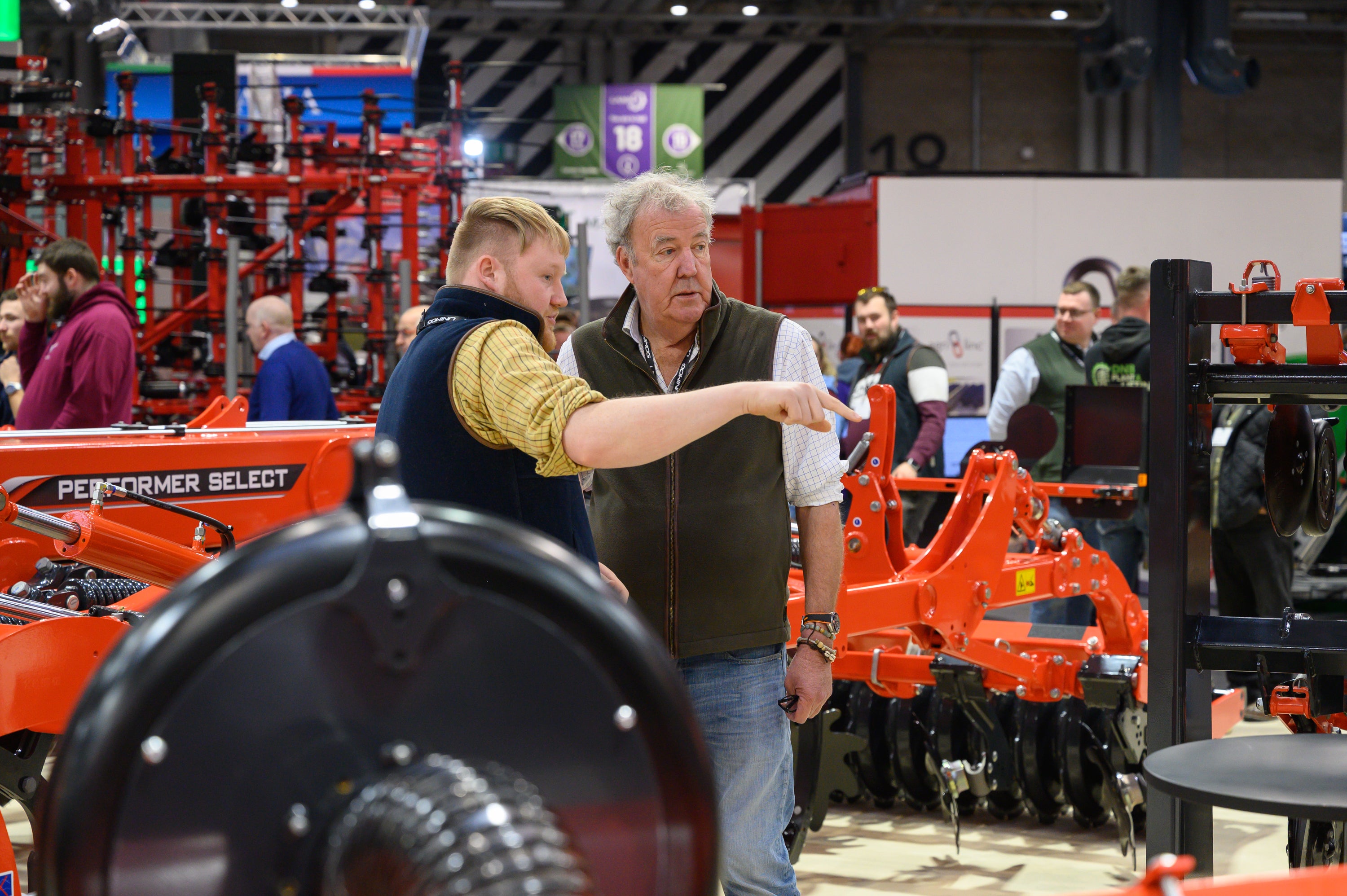
WHAT WAS YOUR EXPERIENCE ATTENDING THE LAMMA [UK’S FARM MACHINERY SHOW] WITH JEREMY?
KALEB COOPER: We just walked around and looked at kit – I love looking at all that. I was like a kid in a sweetshop, where Jeremy was more like, “What is that?”, and “What is this?”. It was frustrating.
After six years, you would think he’d know what it is, but actually, he didn’t understand what stuff was still.
But it was great to walk around and see lots of dealer boots [work boots] and wellies and actually have a conversation about farming with lots of farmers from around the world.
I think Jeremy and I have got a whole new dynamic now, in terms of us working together. He’s got a much bigger understanding of the whole job, so he’s getting there.
IN THIS SERIES, YOU INTRODUCE A BREED OF EASYCARE SHEEP. HOW DID THAT GO?
JEREMY CLARKSON: In the first series, I was with the sheep constantly during lambing, terrified there’d be a breech birth or something awful. EasyCare sheep just get on with it.
Kaleb was absolutely furious when I bought them and spent weeks saying I’d got it wrong. They’re hard to round up and incredibly strong. But then I noticed the other day that he’s quietly bought 30 for himself.
Clarkson’s Farm returns to Prime Video on Wednesday, June 3