


Scrolling through social media, it feels as though “indie sleaze” never went away. Grainy flash photography, smudged eyeliner and a soundtrack of early 2000s indie music are once again dominating feeds.
This revival is more of a reworking than a straightforward comeback. Today’s indie sleaze – exemplified in the music video for Charli XCX’s new track, Rock Music – is an algorithmically curated version of a once messy, participatory subculture. Its renewed appeal seems to lie partly in this aesthetic of imperfection, partly in its connection to earlier digital platforms and partly in what it evokes – a specific cultural moment associated with pre-social media digital life.
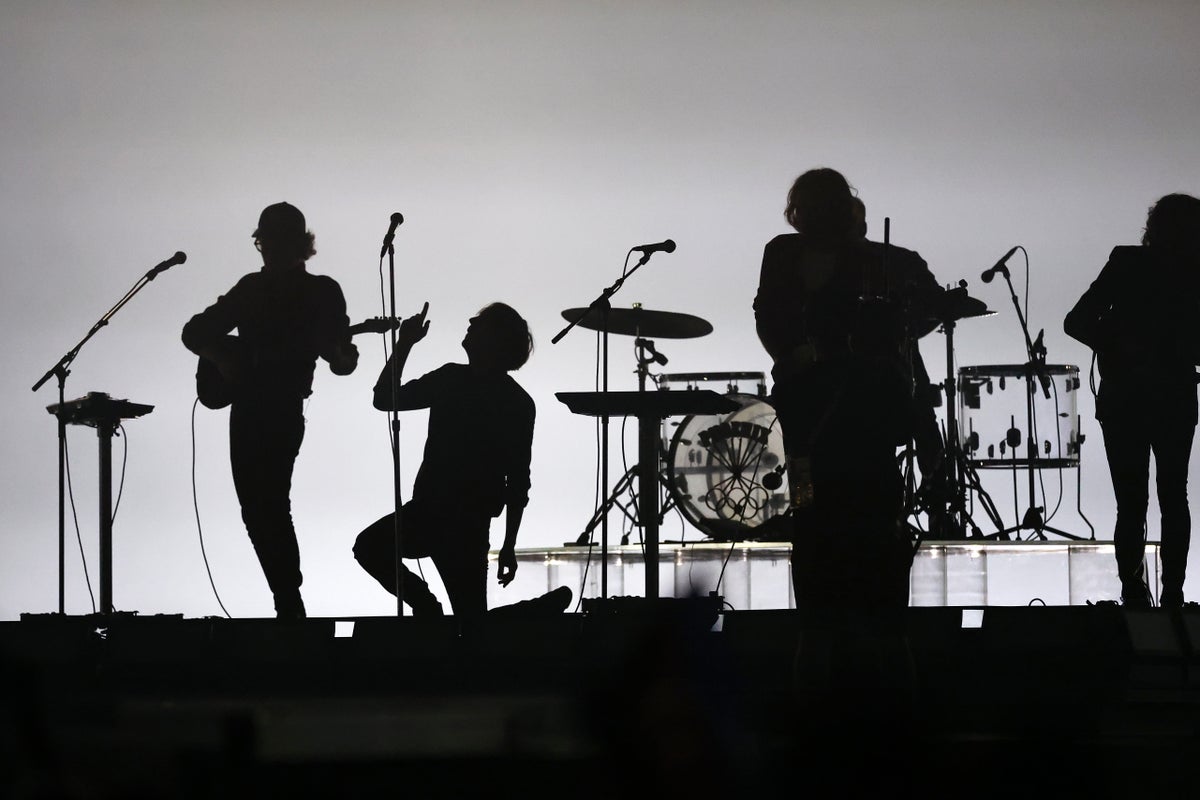
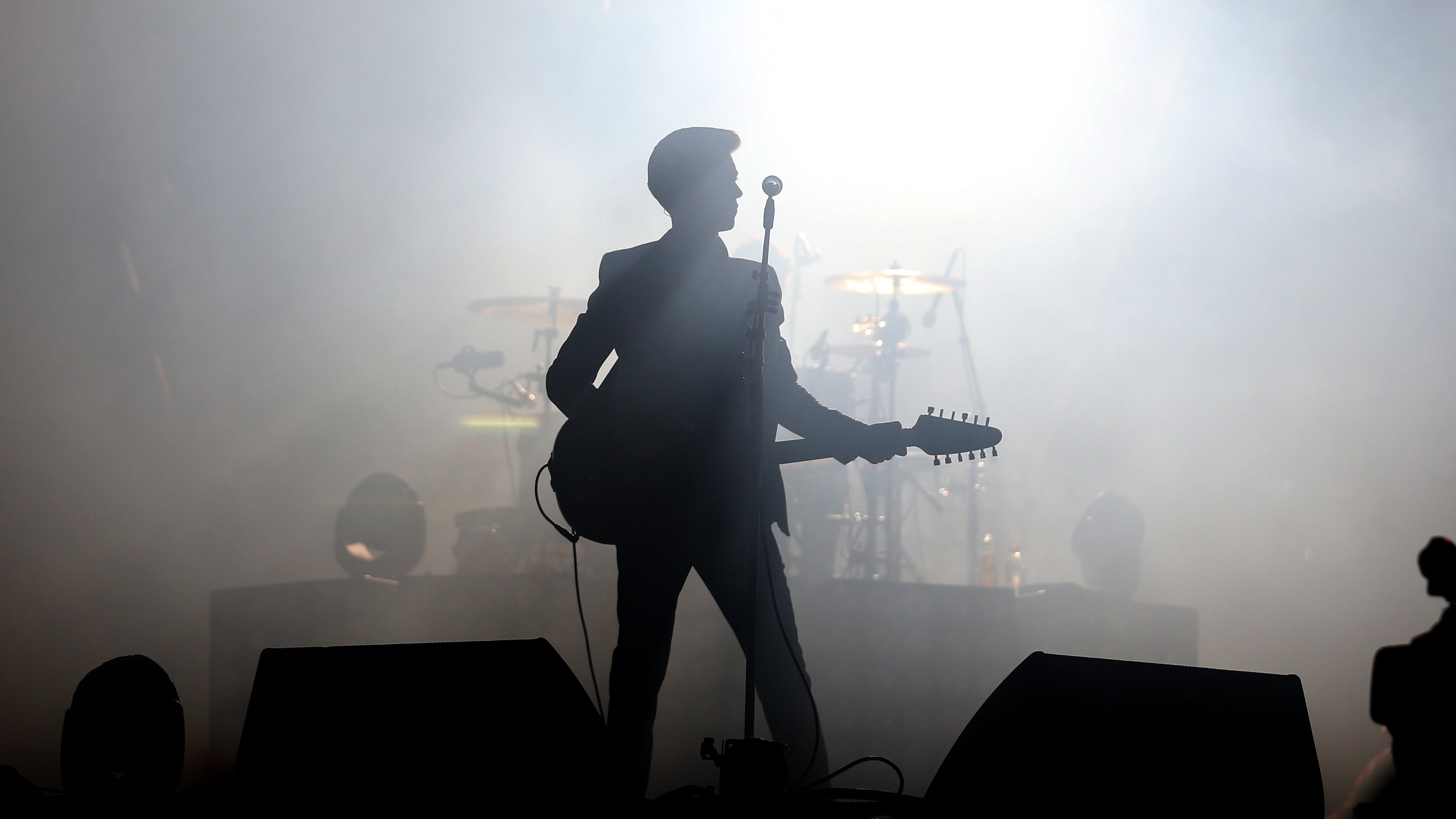
The original “indie sleaze” moment emerged in the early-mid 2000s, connecting with music, fashion, nightlife and online culture. It coalesced around a wide mix of genres, including electro and “indie” rock, particularly bands from New York such as The Strokes and Yeah Yeah Yeahs, and in the UK The Libertines, Long Blondes, Arctic Monkeys and Franz Ferdinand. However, it was more than just the music – the visuals and lifestyle played a core part.
No one’s 20s and 30s look the same. You might be saving for a mortgage or just struggling to pay rent. You could be swiping dating apps, or trying to understand childcare. No matter your current challenges, our Quarter Life series has articles to share in the group chat, or just to remind you that you’re not alone.
Equally important were the digital platforms that enabled new forms of fan participation and visibility. Sites like MySpace, LiveJournal and later Tumblr, allowed fans, bloggers and photographers to document and curate the scene in real time.
These platforms operated differently from today’s social media environment. They were less centralised or driven by algorithm recommendation, allowing different music scenes to emerge more gradually and at times unevenly across networks of different users.
As media researcher Henry Jenkins has argued, spaces like these foster forms of participatory culture, in which audiences actively shape and circulate media, often connecting with their own personal pleasures. Indie sleaze deeply connects with this, being a scene produced as much through fan practices such as blogging, photographing and sharing, as through the music itself.
What’s changed
The current revival can be traced back to a viral TikTok trend forecast in 2021, which predicted that the scene would be returning and gave it its specific name and coherence. Nobody was describing the scene as “indie sleaze” during its original heyday.
Since then, TikTok “indie sleaze” content has circulated through recognisable formats such as “get ready with me” videos styled for nights out or themed parties, slideshows of grainy flash photography, makeup tutorials and nostalgic edits imagining early 2000s club culture.
This is supplemented by accounts such as the curated @indiesleaze on Instagram, which highlights the importance of earlier platforms such as Flickr in documenting the scene. It allows followers to contrast the media we had then and its dynamics, with what we have now.
What stands out about this revival is its relationship to nostalgia. Many of the TikTok users producing indie sleaze content now were too young to have experienced the original scene. Instead, they engage with it through fragments such as archived images, music playlists and viral videos that reconstruct the past as a particular aesthetic and feeling. As a result, what circulates is not the lived reality of mid 2000s nightlife, but a stylised and selective memory of it.
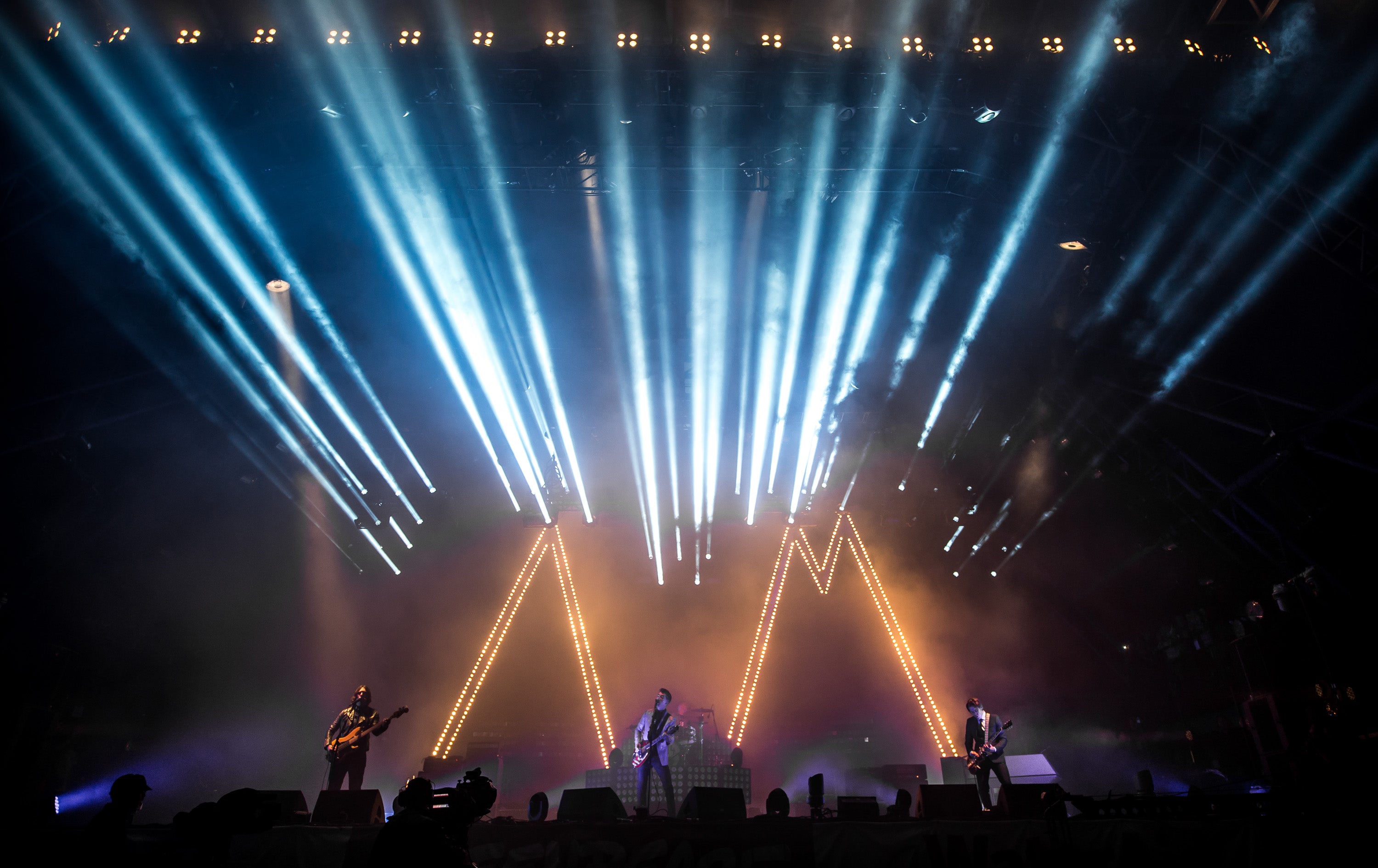
For some music fans, this nostalgia is about a different experience of digital culture – one that feels less dominated by platforms, filters, AI and algorithms. For those who lived through indie sleaze, this revival may also produce a different kind of nostalgia that rests on memory.
On platforms like TikTok, “indie sleaze” has become a template that others can engage in through a set of visual cues and references that can be easily reproduced and widely circulated. This suggests that it is precisely indie sleaze’s messiness that makes it appealing and draws some people in. Its grain, blur and imperfection offer such a stark contrast to the polished, filter heavy and increasingly AI-mediated environments that characterise much of our contemporary social media.
There is also a sense of irony here. While indie sleaze is often appealing because of its rawness and imperfection, some of these visuals are now recreated through the very technologies they seem to resist. Filters and editing apps can add effects to smartphone images, digitally reproducing the look of older cameras and online photography. In this sense, the messiness associated with indie sleaze is no longer entirely spontaneous, but increasingly stylised for social media platforms.
Similar dynamics were at play in the reception of Charli XCX’s Brat album in 2025, which also resonated with audiences through its deliberately bold, messy, self aware aesthetic.
Music is often used by fans to connect to another time, whether through memory, or imagined pasts, bringing a sense of these moments into the present. In this sense, the return of indie sleaze is not simply a revival of a past musical movement, but a nostalgic reworking of it in the present.
As I have explored in previous research with Rafal Zaborowski on the resurgence of Kate Bush on TikTok, such revivals are often shaped by the logics of the platforms through which they circulate, connecting with forms of affect or nostalgia. What emerges then is not a faithful reconstruction or revival, but instead a version of the past that is made visible, shareable and open to reinterpretation in new ways and to new generations.
Ultimately this revival tells us as much about the present as it does about the past, raising broader insights about how digital platforms are reshaping not just what music fans remember, but the ways in which those memories are formed and shared.