Gas prices in the United States are expected to remain volatile heading into Memorial Day weekend as the Trump administration continues to try to work out a deal with Iran that would alleviate tensions in the Strait of Hormuz.
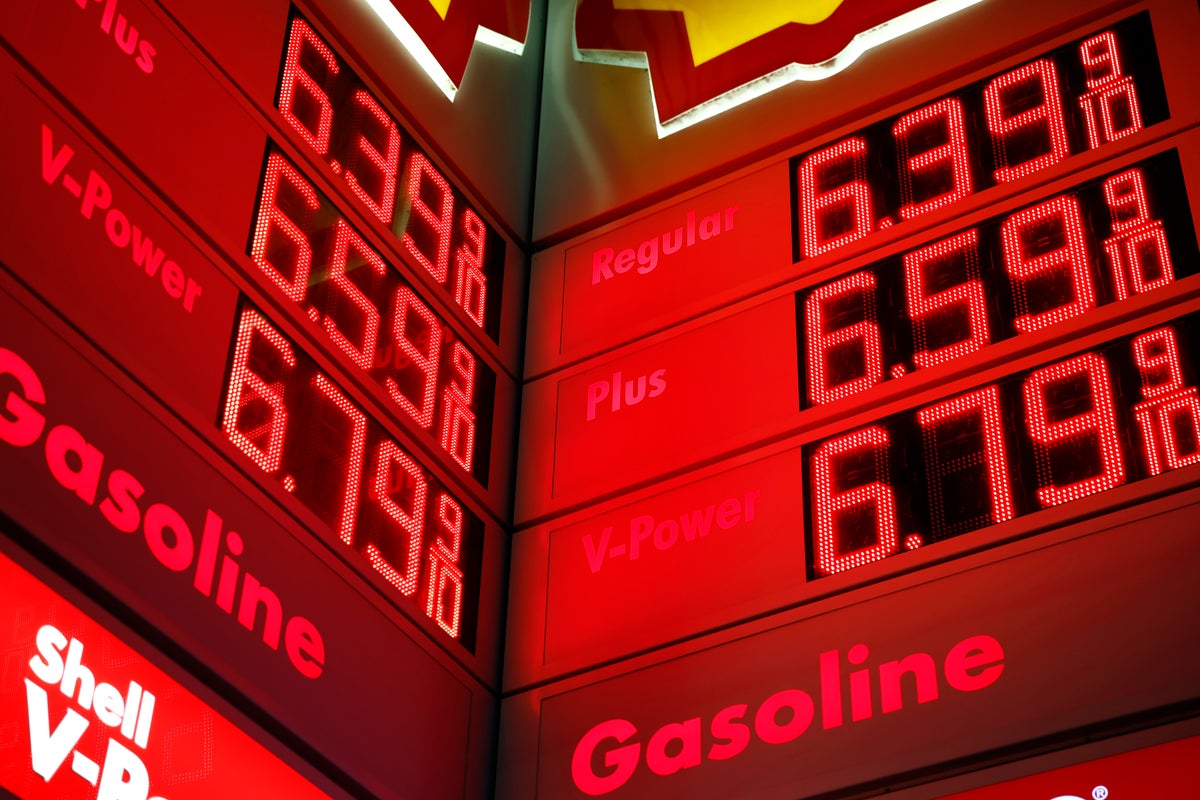
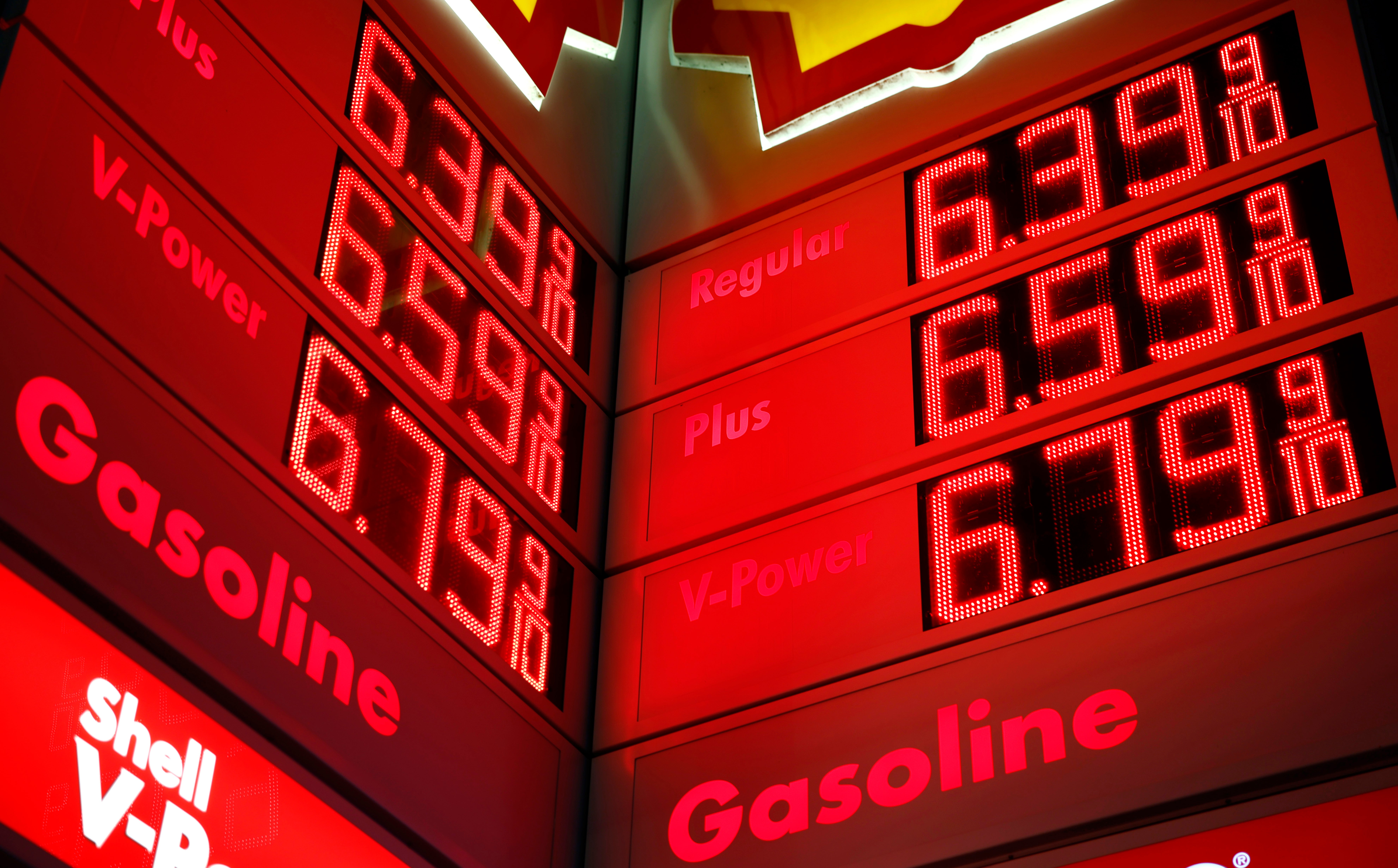
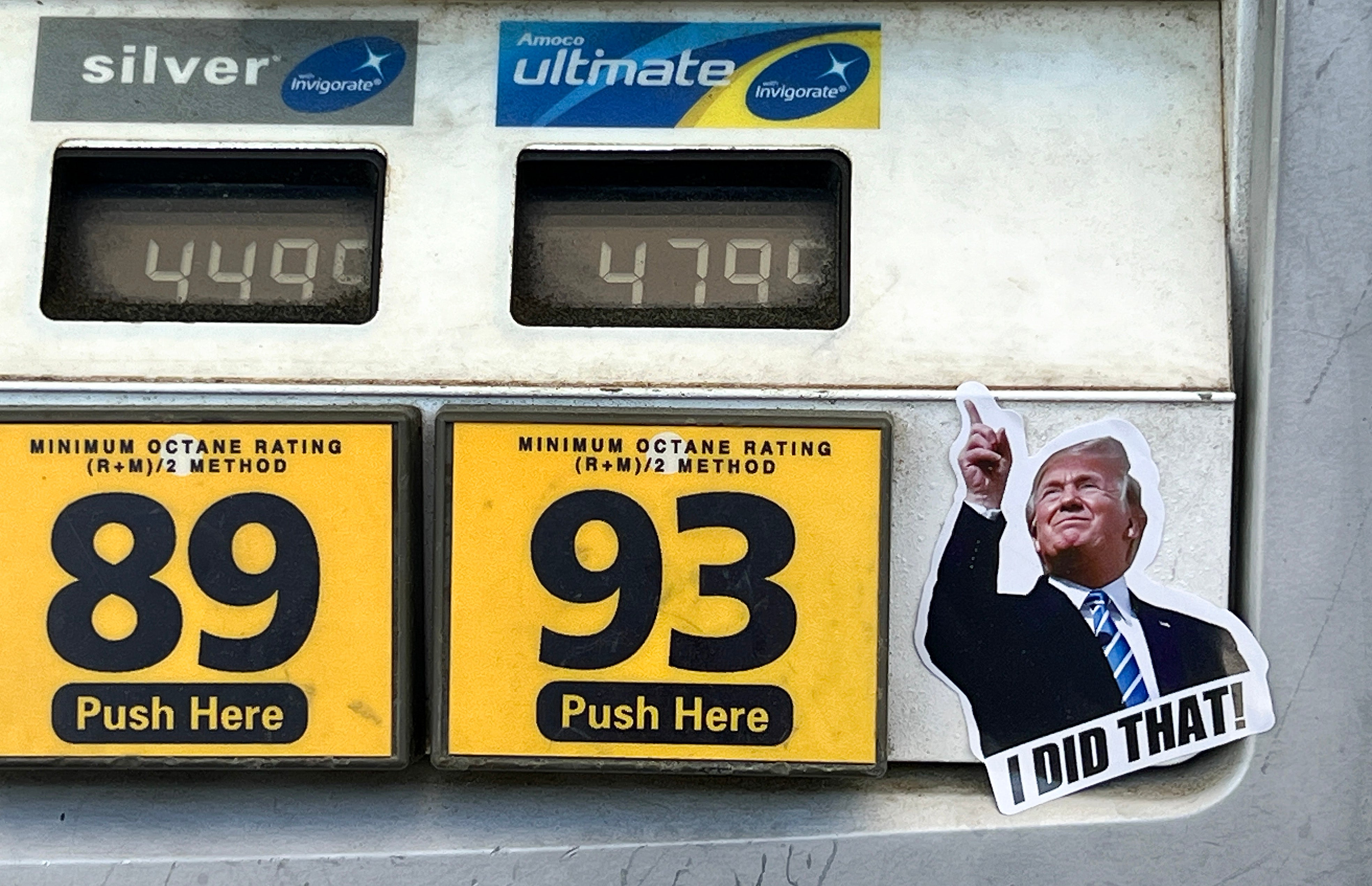
Though the average price of a gallon of regular gasoline fell by 1 cent over the last week, the national average is $4.47, as of May 18, according to GasBuddy, a tech company that compiles the price of gas across North America.
Now, as millions of Americans prepare to hit the road to kick off summer this upcoming weekend, they can expect to find gas prices still exceeding $4 per gallon, with little relief in sight due to the constantly shifting geopolitical tensions.
“As a result, gasoline and diesel prices are likely to remain volatile, and with Memorial Day approaching, any sustained increase in oil prices could begin pushing retail fuel prices higher again in the weeks ahead,” Patrick De Haan, the head of petroleum analysis at GasBuddy, said in a press release.
That means any developments between the U.S. and Iran that lead to more tensions in the Strait of Hormuz could push prices even higher before the weekend.
De Haan pointed to oil markets responding to President Donald Trump’s meeting with Chinese President Xi Jinping as an example of how sensitive they are to shifting geopolitics.
Oil prices had been steadily declining since the beginning of May, but spiked last week after Trump’s meeting with Jinping appeared to yield little resolution to the ongoing war in Iran.
Another analysis from AAA found that drivers could be facing the highest Memorial Day gas prices since 2022.
Gas prices have been heavily impacted by the ongoing war due to disruptions in the Strait of Hormuz, where roughly 25 percent of the world’s oil is transported. Iran closed the Strait of Hormuz and began attacking ships in retaliation for U.S.–Israel strikes that began at the end of February.
Although the U.S., Israel and Iran implemented a temporary ceasefire, the strait is subjected to constant openings and closings due to a standoff between the U.S. and Iran over a blockade on Iranian ports.
With few tankers able to pass through the strait, people have begun worrying about oil supplies, pushing oil prices up and thus, gas prices.
That’s been made worse by the back-and-forth between Trump and Iran over a peace deal. After a first round of negotiations failed to produce a deal, the two countries have been at an impasse, unable to compromise on their demands.
“A re-opening of the Strait of Hormuz anytime soon remains highly uncertain,” Ritterbusch & Associates, an oil trading advisory firm, noted to the Wall Street Journal Monday.
Voters in the U.S. have grown increasingly disgruntled with Trump’s war in Iran, which has dramatically increased gas prices and led to higher consumer costs in general. Trump’s approval rating has hit a new low in his second term, with most voters expressing frustrations toward his handling of the cost of living and economy, according to a new New York Times/Siena College poll.