

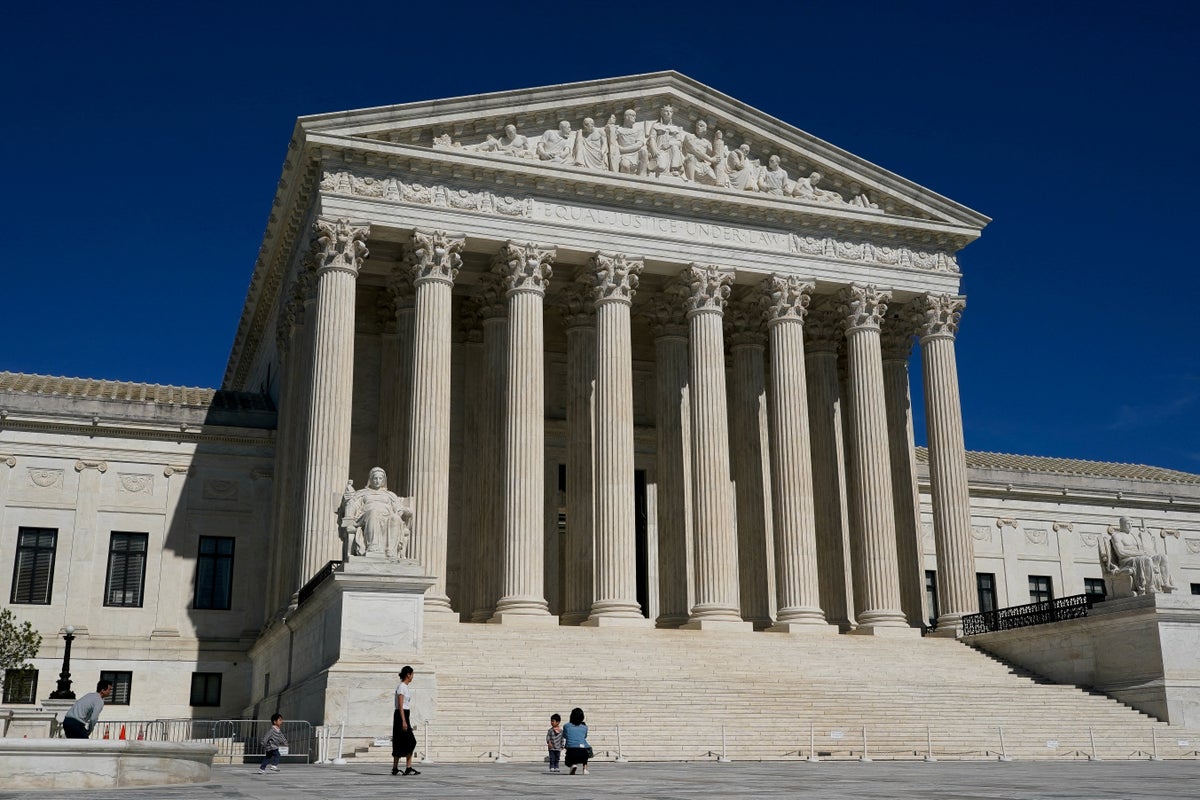
The Supreme Court on Friday rejected Virginia’s attempt to reinstate a congressional map, a move that would have potentially secured four additional seats for Democrats in the closely divided House of Representatives.
This decision marks the latest development in the ongoing, nationwide mid-decade redistricting competition.
The contentious process was initiated last year when President Donald Trump encouraged Republican-controlled states to redraw their electoral lines. It gained further momentum following a recent Supreme Court ruling that significantly weakened the Voting Rights Act, thereby creating more winnable seats for the Republican Party.
In recent days, the justices have sided with Republicans in Alabama and Louisiana, who are also seeking to redraw their congressional maps to establish more GOP-leaning districts in the wake of the court’s voting rights decision.
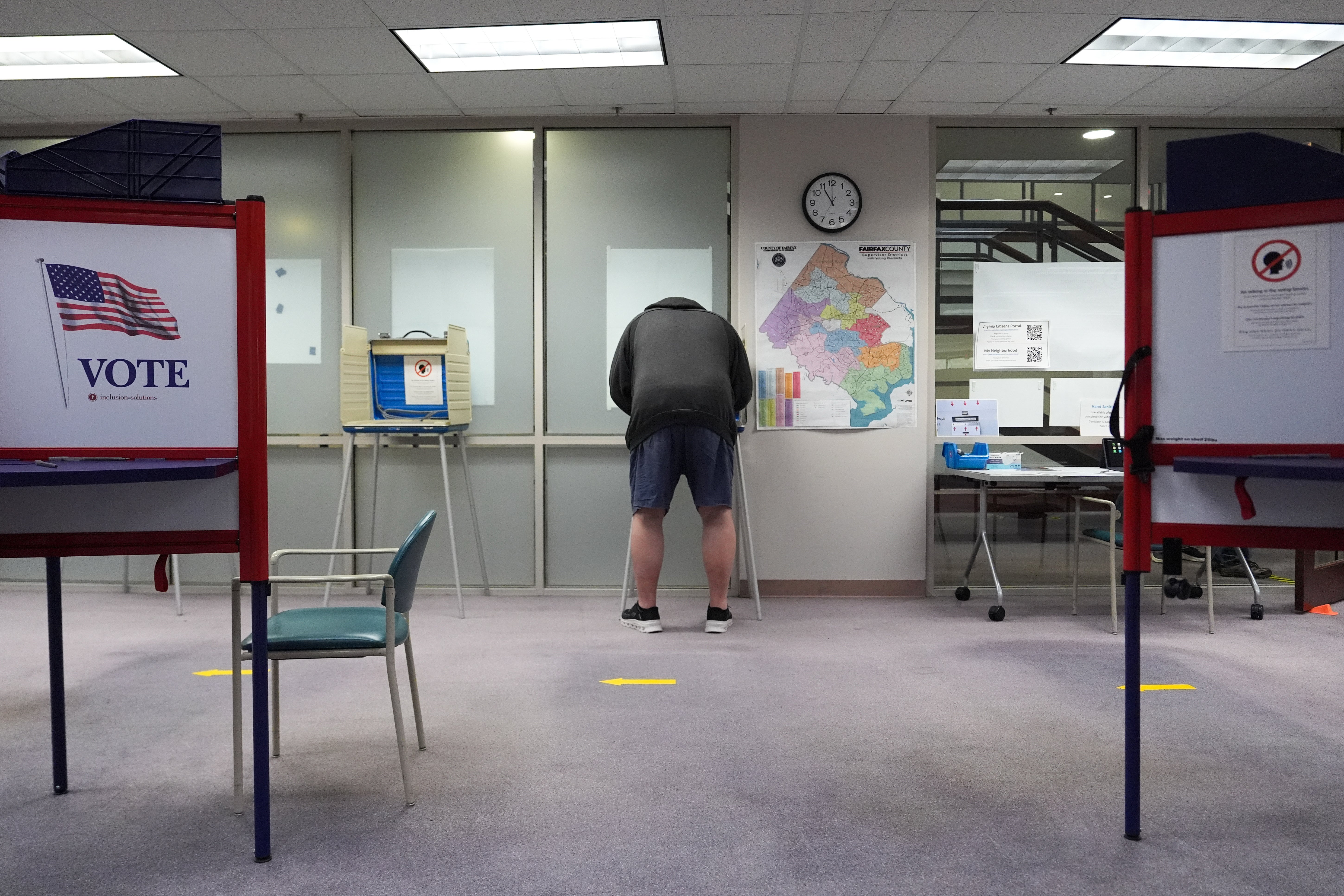
But the Virginia situation was different, stemming from a 4-3 ruling by the Virginia Supreme Court that struck down a constitutional amendment that voters narrowly passed just last month.
The state court found that the Democratic-controlled legislature improperly began the process of placing the amendment on the ballot after early voting had begun in Virginia’s general election last fall.
The Supreme Court typically doesn’t intervene in state court proceedings unless they present an issue of federal law. Virginia Democrats had hoped to persuade the justices that the Virginia court misread federal law and Supreme Court precedent that hold that, even if early voting is underway, an election does not happen until Election Day itself.
Virginia’s amendment had been intended as a response to Republican gains in Texas, Missouri, North Carolina and Ohio, and to blunt a new map in Florida that just became law. Once the Virginia amendment passed, it briefly turned the nationwide redistricting scramble into a draw between the two parties.
That was unraveled by the Virginia Supreme Court’s decision.
It’s possible Democrats could use the high court’s rejection of their bid, while also blessing Republican efforts in Alabama and Louisiana, in election-year messaging about a partisan Supreme Court.
The state’s top Democrats disagreed about whether it was even too late for help from the Supreme Court. “Time grows short, but it is not yet too late,” lawyers for the Democratic leaders of the legislature as well as the state told the justices in a brief filed Friday.
A day earlier, the office of Democratic Gov. Abigail Spanberger already had confirmed that the state will hold this year’s elections under the current districts established in 2021. Last month, Virginia Commissioner of Elections Steve Koski said a court order was needed by this past Tuesday to set the district lines for primary elections on Aug. 4.