
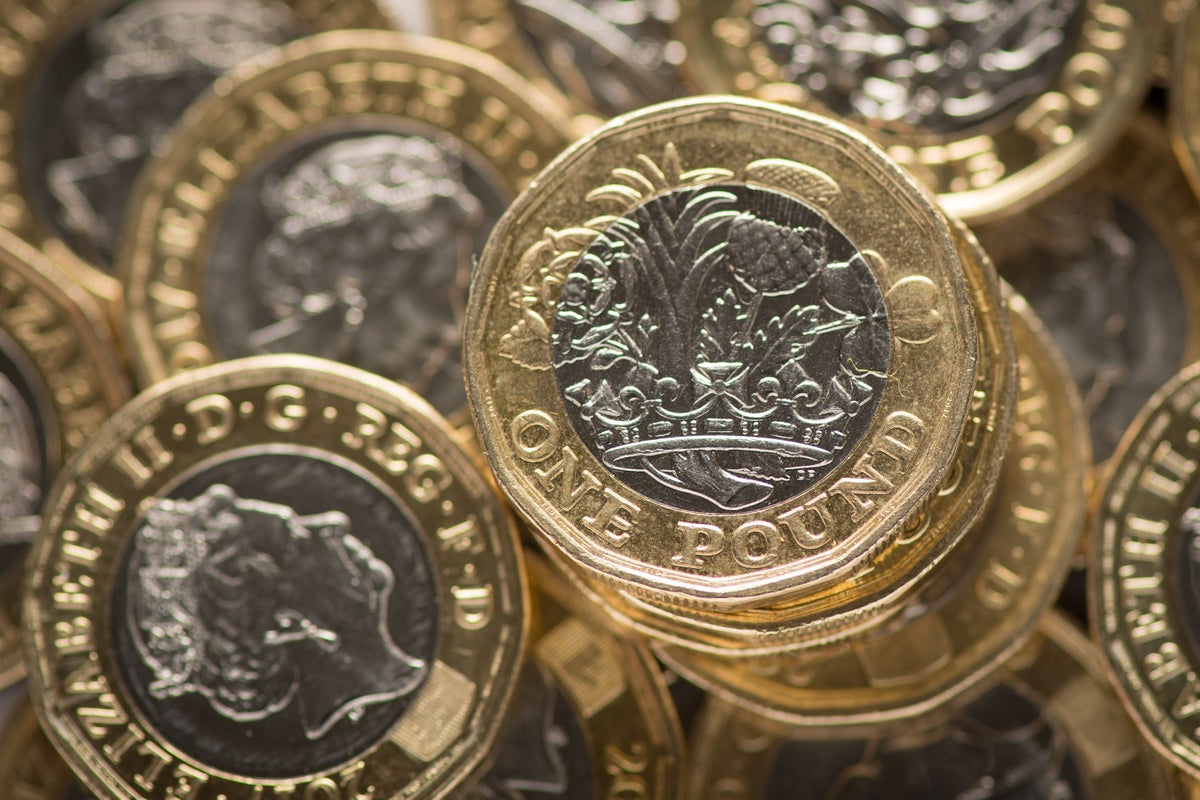
Some people are storing items such as physical cash, torches and tinned goods at home so that they could turn to them in the event of an emergency, according to a survey for cash access and ATM network Link.
The research found that items are being stashed in homes that could be used in the event of a major disruptive event such as a cyber attack, a natural disaster or an IT failure.
When asked specifically what people do to prepare for this type of major event, alongside the 17% of people who said they have a stash of cash at home, nearly half (49%) have a battery-powered torch, 47% have a supply of tinned goods and 37% have a charged power bank in the house to keep their phone going.
The survey, carried out in March, also asked people about their cash use in the previous two weeks.
Around six in 10 (61%) people surveyed said they had used cash in the previous fortnight.
The proportion has fallen from 69% in 2025 and 73% in 2024, Link said.
The latest research found that contactless cards (42%) and using a phone (30%) are the preferred methods for people making day-to-day payments in-store.
Link also found that 10% of people said they are “fully cashless”.
But more than one in 10 (13%) people still said they prefer to pay in cash, including 16% of people surveyed who are aged 55-plus.
Among those who had used cash in the past two weeks, supermarkets, convenience stores, cafes and pubs were the most common places where they had used coins or banknotes, along with giving money to friends and family.
But since the last time similar research was carried out, in June 2025, there has been a drop-off in people saying they used cash at convenience stores in particular, Link said.
Some 45% of people surveyed said they find not accepting cash inconvenient.

Get a free fractional share worth up to £100.
Capital at risk.
Terms and conditions apply.
Go to website
ADVERTISEMENT
Get a free fractional share worth up to £100.
Capital at risk.
Terms and conditions apply.
Go to website
ADVERTISEMENT
The majority (56%) of people surveyed do not expect to go cashless in the next 12 months.
When asked why people will not go completely cashless, more than six in 10 (61%) said that low-value payments and person-to-person payments are still important and 56% said cash is vital in the event of digital payment outages.
Graham Mott, director of strategy at Link, said: “Cash continues to play an important role in the UK’s payment landscape.
“While digital payments, like cards or increasingly, using your phone, are now the first choice for many, millions of people still rely on cash, not just for budgeting and day‑to‑day purchases, but also because they value choice, privacy and control.
“What’s interesting to see in the latest data is the growing role of cash in resilience planning.
“With rising public concern about threats like power outages, cyber attacks and disruption to card payments, more people are prepping by keeping some emergency cash at home.”
Link commissioned YouGov to survey more than 2,100 people across the UK in March.