
Senior doctors across England’s NHS are being balloted on potential strike action, a significant development initiated by the British Medical Association (BMA).
This move follows a government pay offer of 3.5 per cent for these crucial medical groups, prompting a strong reaction from the professional body.
The BMA has commenced an eight-week voting period for both consultants and specialist, associate specialist and specialty (SAS) doctors.
The ballot, which began on Monday, is set to close on 6 July, determining the appetite for industrial action among these key healthcare professionals.
The consultants’ committee within the BMA has articulated a clear set of demands. They argue for increased protected time, which they deem essential for fostering innovation, mentoring junior colleagues, and enhancing overall patient services.
Furthermore, the committee is advocating a reduction in working hours and improved recognition for demanding out-of-hours shifts, measures they believe are vital to combat burnout and improve staff retention within the health service.
Concurrently, the BMA’s SAS committee is campaigning for substantial improvements in career progression pathways for its members, highlighting another key area of concern for these medical professionals.
It also wants reform of how SAS doctors are recognised and compensated for their time, “particularly for extensive anti-social working hours”, and more annual leave so doctors do not lose out compared to other medics.
The BMA said both groups have seen their pay fall by around a quarter in real terms since 2008/09.
BMA consultants’ committee co-chairs Dr Shanu Datta and Dr Helen Neary said: “When you or your loved ones go to hospital, a consultant is the most senior and skilled doctor in the department, in overall charge of your care.
“They are also responsible for improving services and designing new ones, as well as training the doctors of the future.
“Yet the failure to value this expertise, and support and protect consultants from the demands of the job, means we risk losing them when patients need them most.
“Left unaddressed, the impact of this is early retirement, quiet quitting, and consultants leaving the profession in the UK, resulting in doctor shortages and even worse wait times for care.
“BMA consultants and SAS doctors in England are standing together and demanding better.”

The pair said industrial action “is a last resort”, but medics feel they have been left with “no choice”.
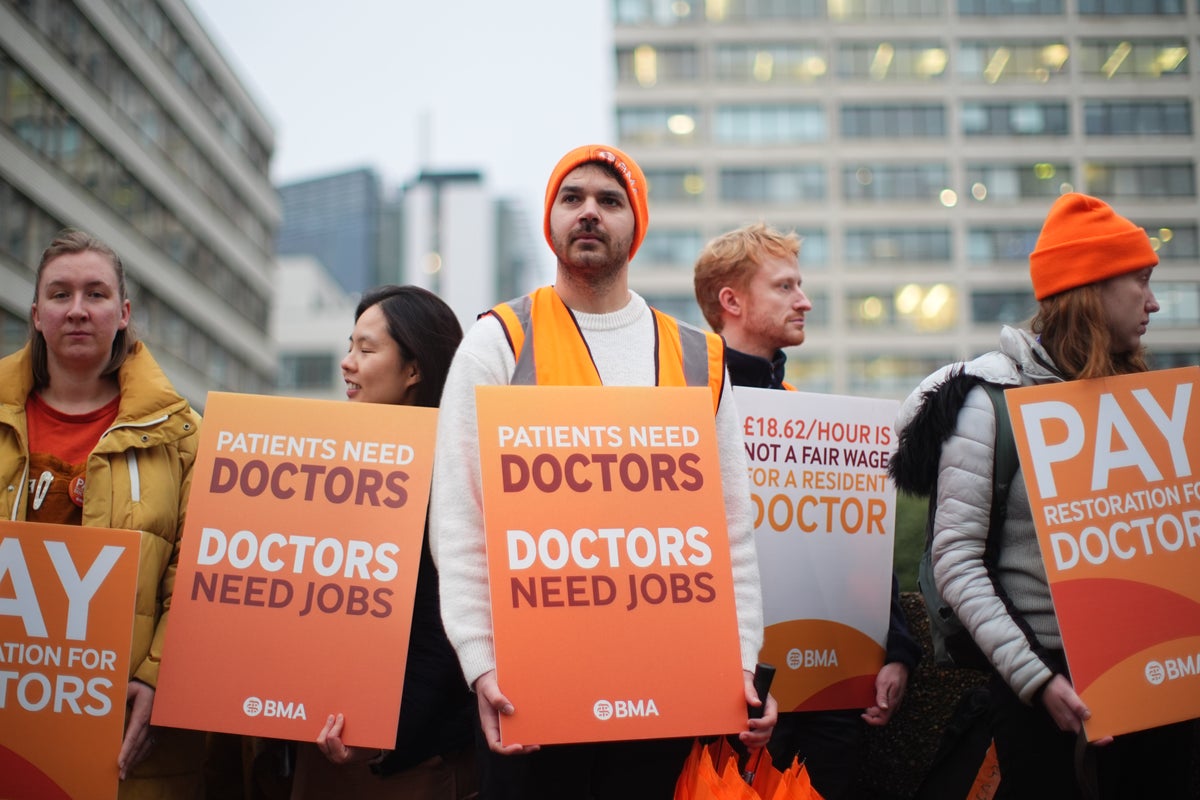
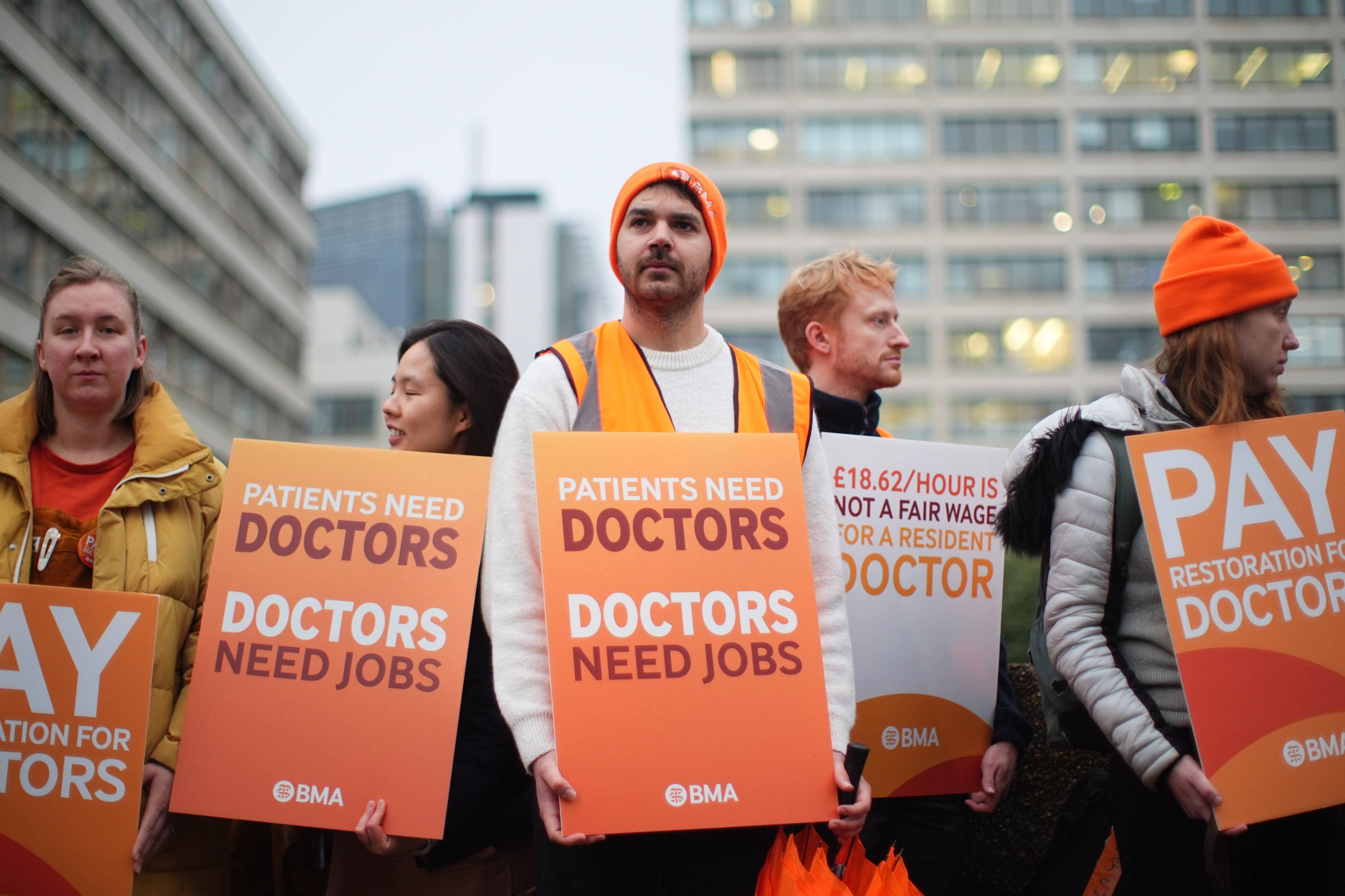
The ballot comes after resident doctors in England walked out for six days in April over jobs and pay.
Tens of thousands of resident doctors, formerly known as junior doctors, took strike action during the Easter holiday, when the NHS said many other staff had booked time off with their families.
Health secretary Wes Streeting had offered a 4.9 per cent increase in average basic pay from 2026 to 2027.
According to Mr Streeting, this would have left resident doctors 35.2 per cent better off than four years ago.
The proposal also included an offer of 1,000 extra training places, although that was taken off the table due to increasing strike costs to the NHS.
Dr Jack Fletcher, chairman of the BMA’s resident doctors committee, accused the government at the time of “quietly” watering down the deal on offer to resident doctors.
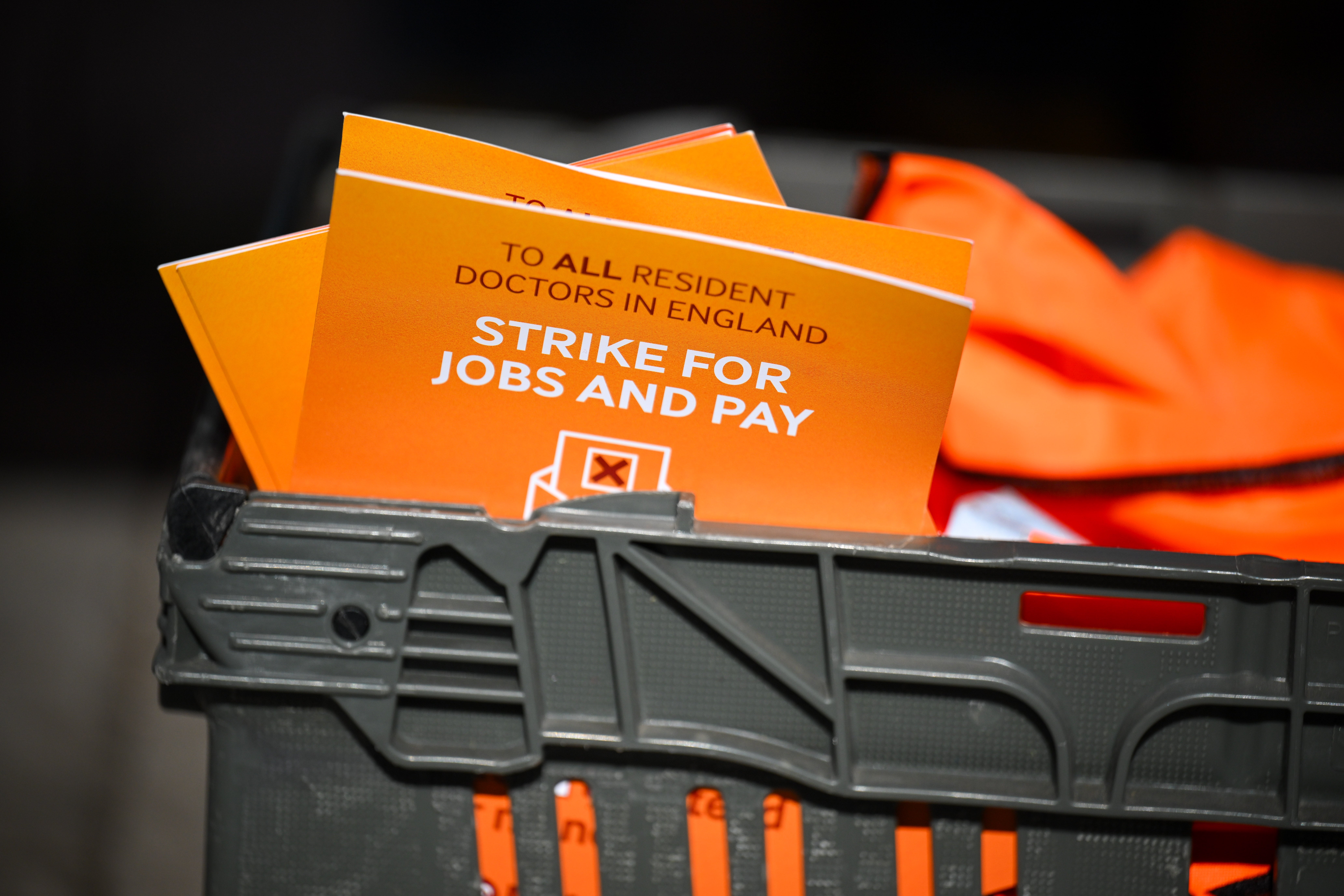
The strike was the 15th walkout by resident doctors in England since 2023.
A Department of Health and Social Care spokesperson said: “Consultants and specialist, associate specialist and specialty (SAS) doctors are highly skilled and much valued NHS staff, who have repeatedly stepped in over recent months to maintain high-quality patient care during resident doctors’ strikes.
“As some of the best-paid workers in the country, consultants and SAS doctors have seen their starting basic pay go up by around 28.5 per cent over the last four years.
“We want to continue to work with senior doctors to improve their working lives.
“We urge consultant and SAS doctors to see the BMA’s unreasonable and unnecessary bid for industrial action as the distraction it is from our shared endeavour of rebuilding our NHS and making it fit for the future.”