



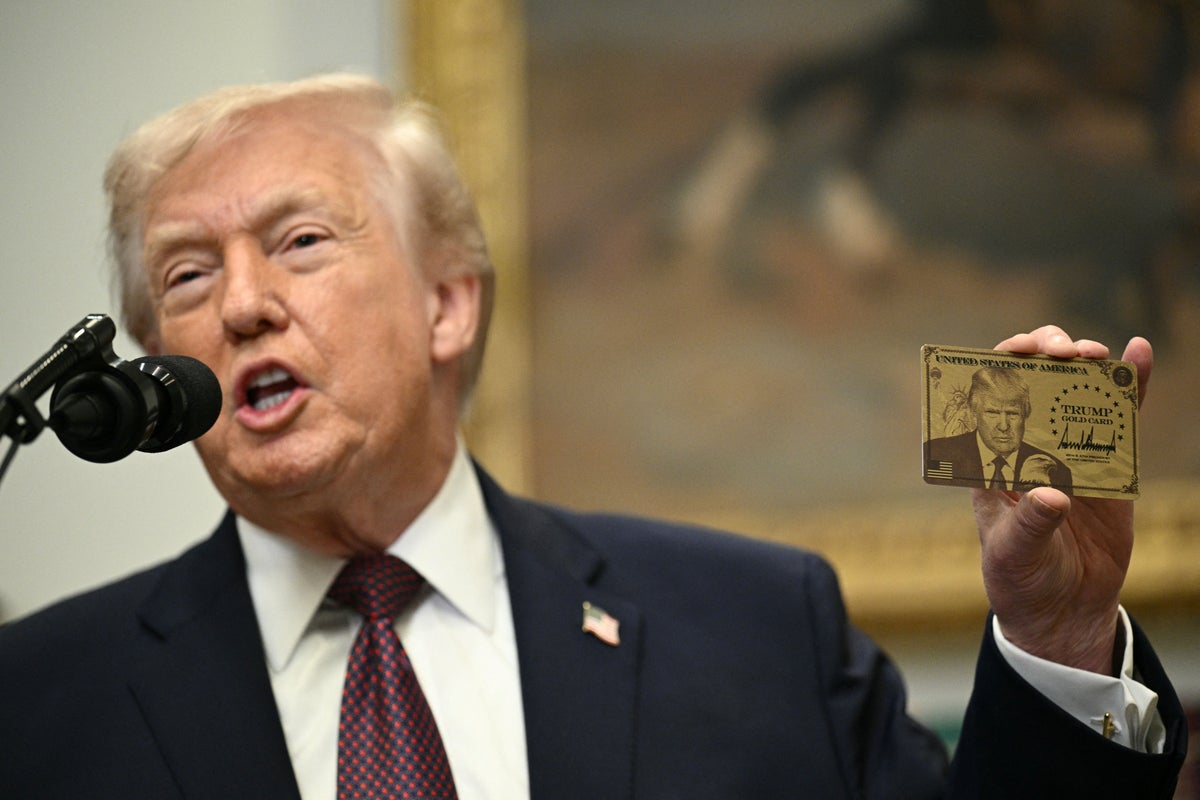
Donald Trump’s “Gold Card” visa program has only received a few dozen applications in several months, and immigration attorneys are actively warning prospective applicants from using the program, according to a new report.
The Washington Post found that more than a half dozen immigration attorneys whom the paper said specialized in the wealthy clientele eyed by DHS and the White House as potential buyers were advising clients against applying or actively refusing to work with those who did.
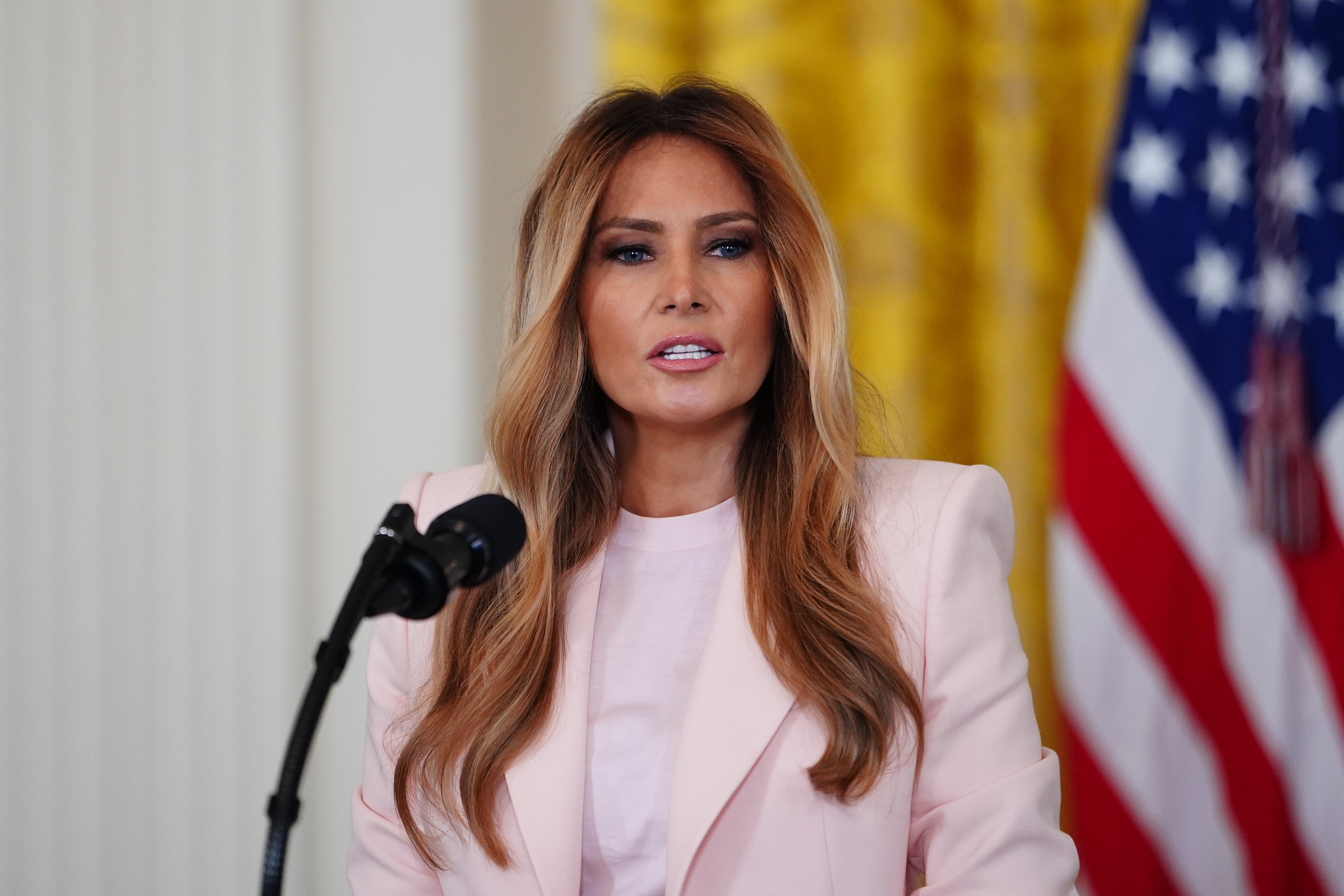
One of those who refuses to engage with the program is Michael Wildes, the attorney who represented first lady Melania Trump when she immigrated to the U.S. in 1996. The first lady originally began working in the U.S. under an H-1B visa.
Wildes and others told the Post that the program did not have enough legal grounding for his office to assist with applications for such clients: “It would be unethical of me to retain them,” he said.
According to the attorneys, the program’s reliance on existing visa programs instead of originating as an act of Congress establishing a new form of visa rendered the program’s future unclear. The Trump administration has already been sued by a handful of groups over the “Gold Card” program, including the American Association of University Professors.
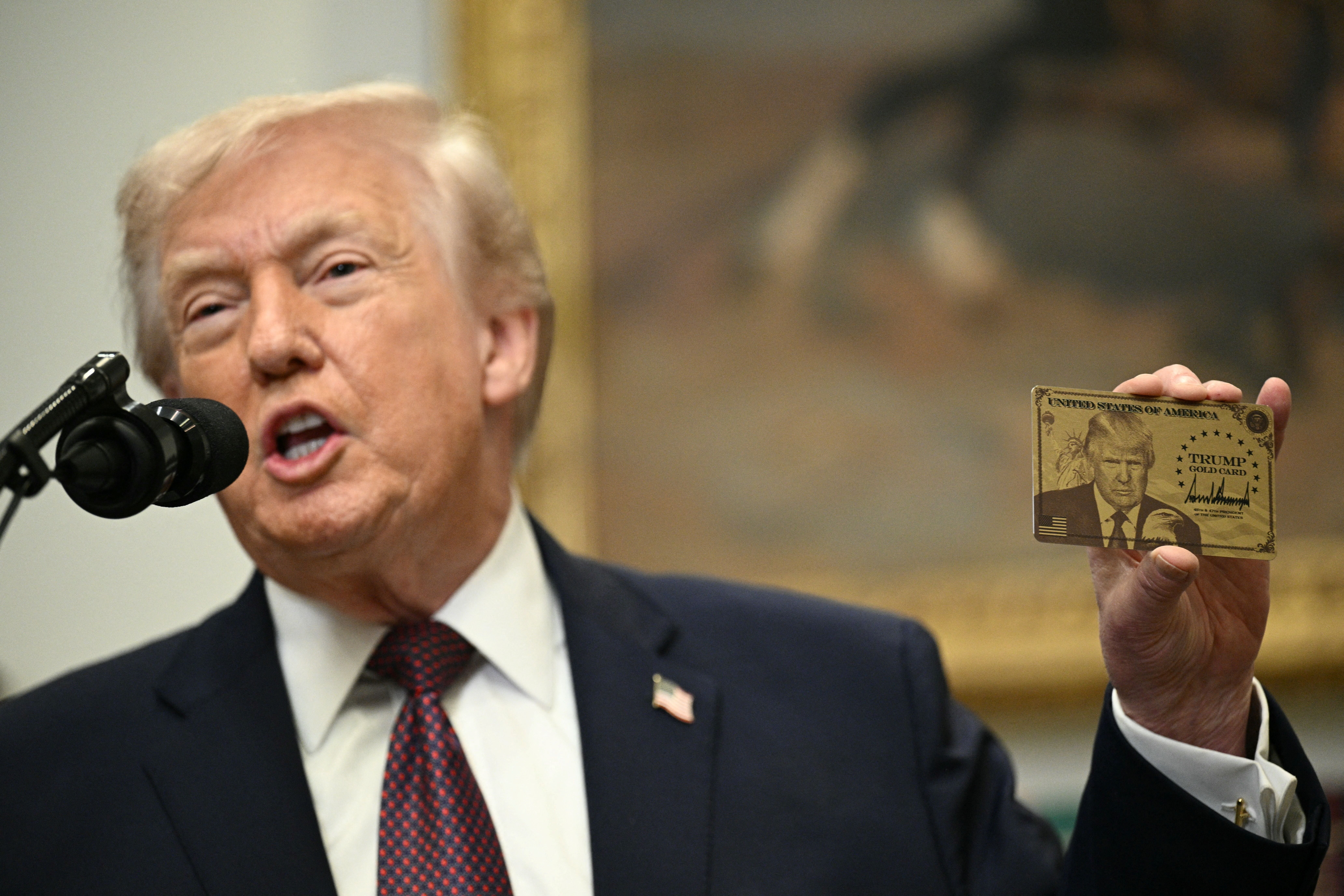
The visa uses two existing visa classes, E-B1 and E-B2, and allows applicants to supply a $1 million donation to the federal government in exchange for bypassing the “extraordinary ability” requirements of those two visa types. By law, the visas must be accepted or denied in the order they were filed, and the administration is limited to a certain number every year. Critics of the administration say that the program violates the legal intent of the existing visa classes, and is therefore illegal.
Trump’s push to bring wealthy immigrants to the United States comes as his administration is seeking to expel millions of undocumented immigrants from the country. A massive surge of immigration enforcement has been carried out in numerous American cities under Trump’s first year, leading to the deaths of two Americans in confrontations with those agents during one surge in Minneapolis earlier this year.
The Post reports that in one of those court filings over the program’s future, the Trump administration revealed that fewer than 60 people had supplied paperwork to the Department of Homeland Security to go ahead with applications for the program. The program was activated in June of last year. Last month, it was revealed that just one person has been approved for a visa under the program — but it hasn’t been revealed who that person is.
“The workload from the Gold Card program is quite small,” one DHS official wrote in a note contained in the court filing.
Trump unveiled his “Gold Card” program at the White House in December, and DHS rolled out a website to begin accepting applications. “Trumpcard.gov” promises applicants legal U.S. residency “in record time” assuming interested persons pass a background check from U.S. Citizenship and Immigration Services, submit a $15,000 processing fee to the Department of Homeland Security, and then make a $1 million payment to the government.
The president told reporters that the program was aimed at retaining talent after foreign students graduated from U.S. schools following the conclusion of their degree programs.
“They graduate from college, they have to go back to India, they have to go back to China, they have to go back to France, they have to go back to wherever they came from,” he said. “It’s ridiculous. We are taking care of that. The companies are going to be very happy.”
Commerce Secretary Howard Lutnick claimed to a House committee in April that there were “hundreds” more in line to apply for the program.
“This is a new program, and they’ve just set it up, and they wanted to make sure they did it perfectly,” he told the House Committee on Appropriations. “It’s a DHS program done with a rigorous, rigorous vetting.”
But immigration experts agree that the plan holds very little legal water without an act of Congress to validate it.
“I’m very dubious it can be done without an act of Congress,” said a former DHS official under Trump’s first term, George Fishman, who is now senior legal fellow at the Center for Immigration Studies.

.png?trim=0,0,0,0&width=1200&height=800&crop=1200:800 "Love is coming to the Las Vegas Strip in the shape of a new heart-shaped hotel – UK Times")
.png?trim=0,0,0,0&width=1200&height=800&crop=1200:800 "Diarrhea parasite ruined newlyweds’ honeymoon after Cyclospora sent bride to the ER – UK Times")