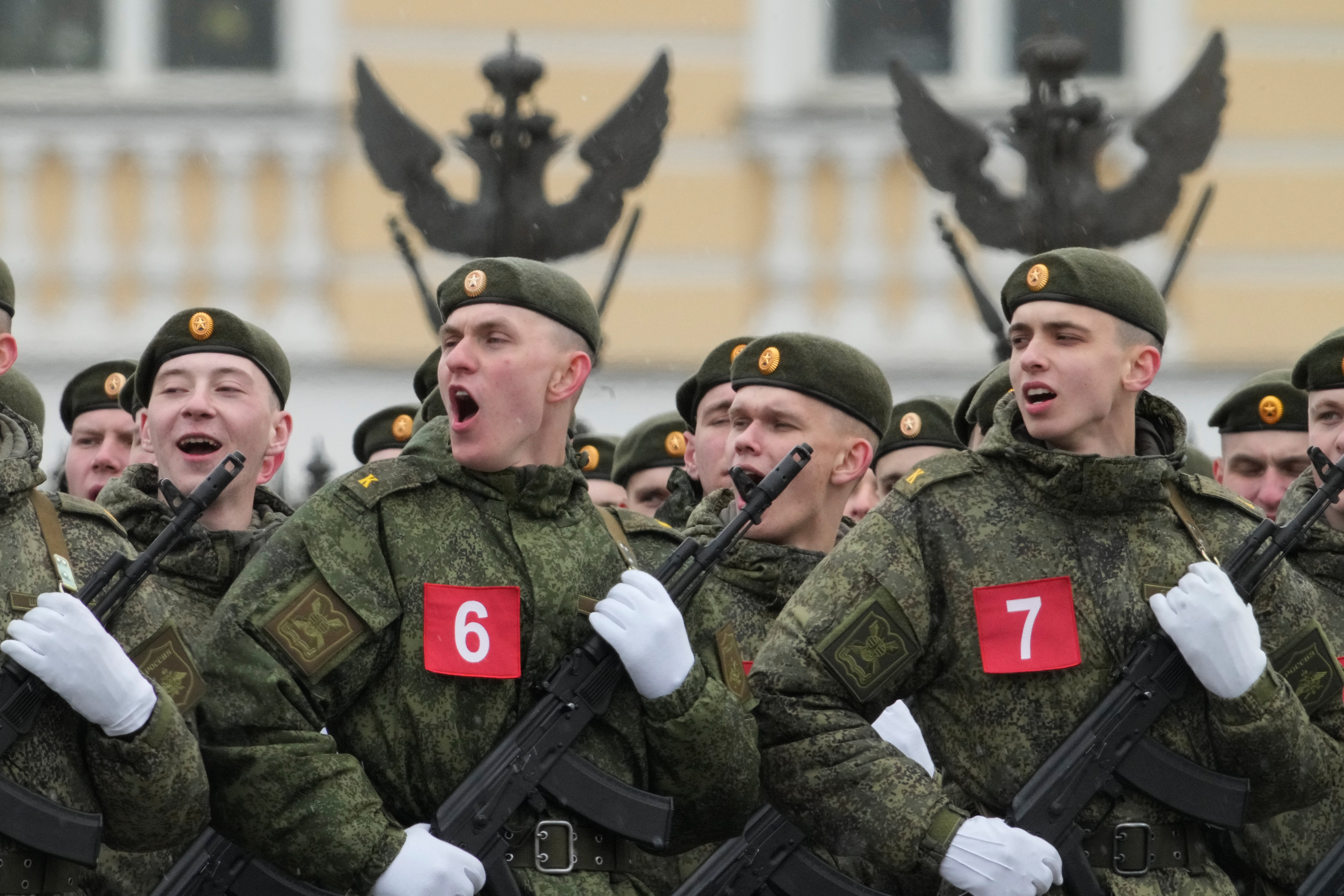
On 9 May 2022, Vladimir Putin stood grandly at a podium in Moscow’s Red Square, surveying a legion of armoured military vehicles for the country’s annual Victory Day parade, held in honour of the moment Russia joined forces with the West to defeat Nazi Germany.
Weeks earlier, he’d invaded his neighbour Ukraine, sparking a conflict that has ground on for more than four years. During a defiant speech on that day, the Russian president launched an attack on Nato, Ukraine and a host of western countries.
Surrounded by military hardware, he insisted that Russia was “fighting for the motherland, for her future, and so that nobody forgets the lessons of World War II”.
But this year things are different. For the first time in nearly two decades, those celebrations will be scaled back dramatically without any showy and heavy military hardware, amid new fears of long-range Ukrainian drone strikes that have been hitting deep inside Russia.
Volodymyr Zelensky has been unequivocal about the fact that Ukraine’s “victory plan” entails hitting targets deep within Russia and his country’s technological and military capabilities are advancing rapidly.
His strategy will be helped by a new €90bn loan from the EU, recently released after Hungary’s prime minister Viktor Orban was ousted from office, unblocking the funds.
For Russia, a country that prides itself on its demonstrations of military might, the lack of fanfare at the parade will be out of character.
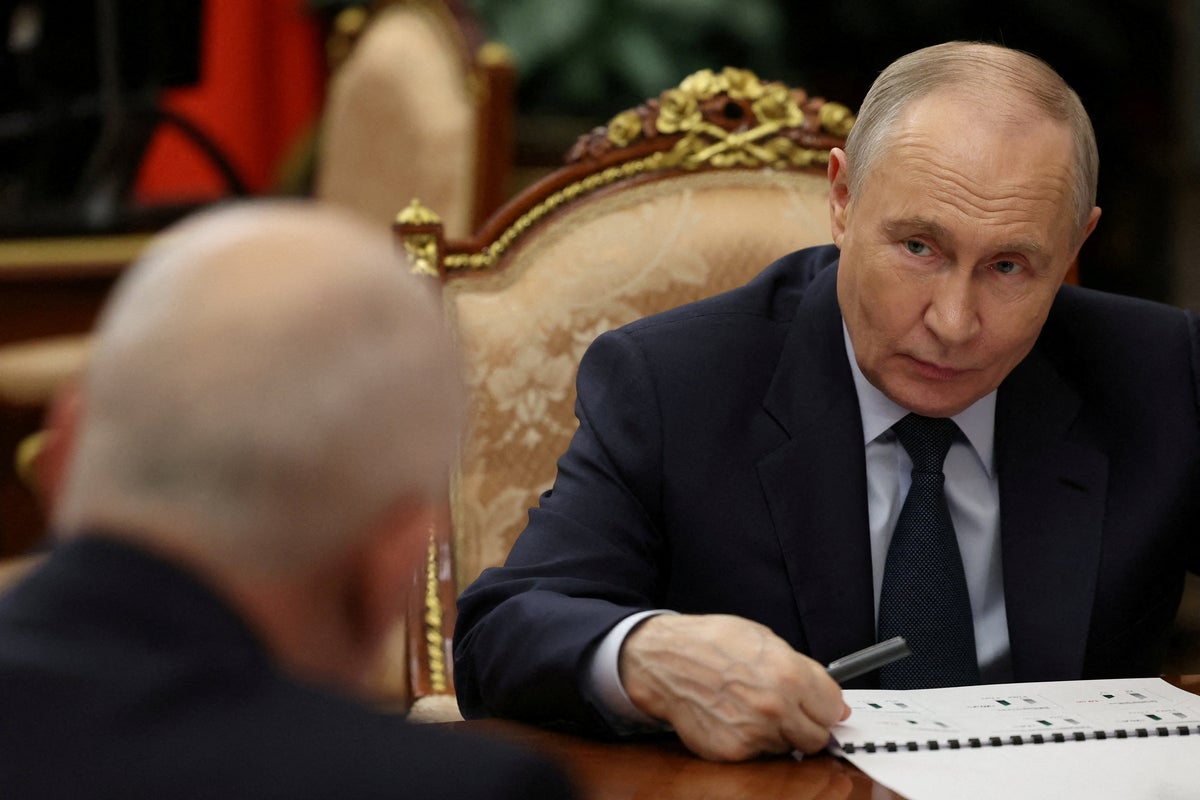
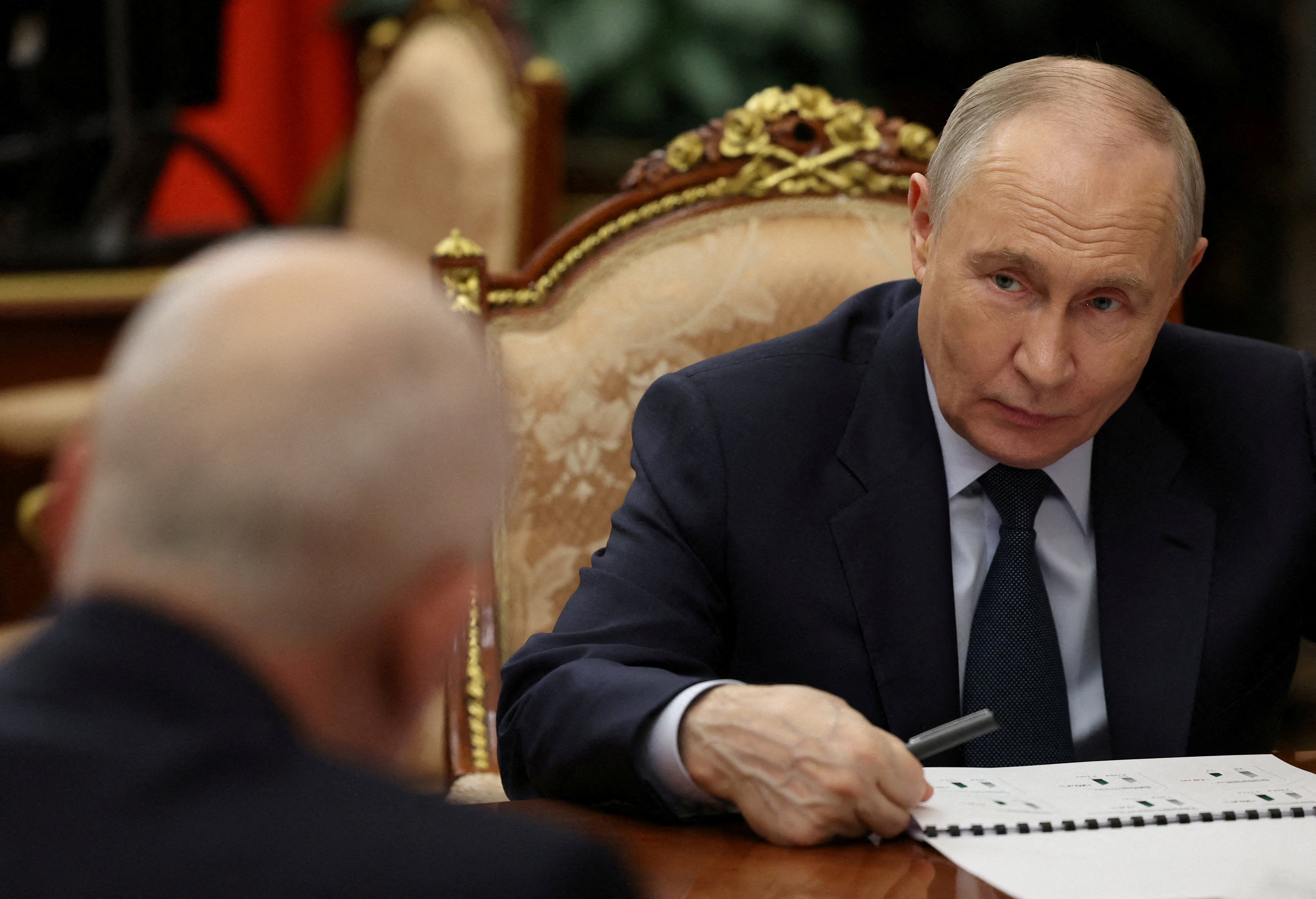
This year, Putin remains more paranoid and isolated than ever before. Security has been tightened across the capital of Moscow, with unprecedented military presence including checkpoints, snipers and machine-gun crews.
It comes amid a leaked European intelligence report claiming that Putin’s increasing paranoia over his personal safety has led him to spend weeks in underground bunkers, screening staff and banning cell phones for personal cooks and bodyguards.
On top of that, internet shutdowns have been reported across the country, and social media channels replaced by the state’s own intelligence-monitored versions.
“Within the wider context it shouldn’t come as a surprise,” says Jaroslava Barbieri, a research fellow at the Ukraine Forum at Chatham House.
“That’s how dictators usually end up feeling when they feel like power is slipping away. There is an interesting dynamic there with the slipping image of Russia as a military superpower and the slipping image of Putin as a strong man.”
She says this is also reflected in Putin’s drop in opinion polls, even those which have been traditionally pro-Kremlin as the economic effects of sanctions and general fatigue with the war takes hold.
“These are signs that he’s kind of losing his grasp,” she explains.
Last week it was reported that his approval rating among the general public had dropped for the seventh consecutive week, according to Russian state-owned polling institution All-Russian Public Opinion Research Center (VTsIOM).
While Putin’s paranoia is not new – he is widely known to be a germaphobe who hunkered down hard following the Covid pandemic, taking some extreme measures to avoid catching the illness – there have been a number of events in recent months that are believed to have contributed to his sense of vulnerability.
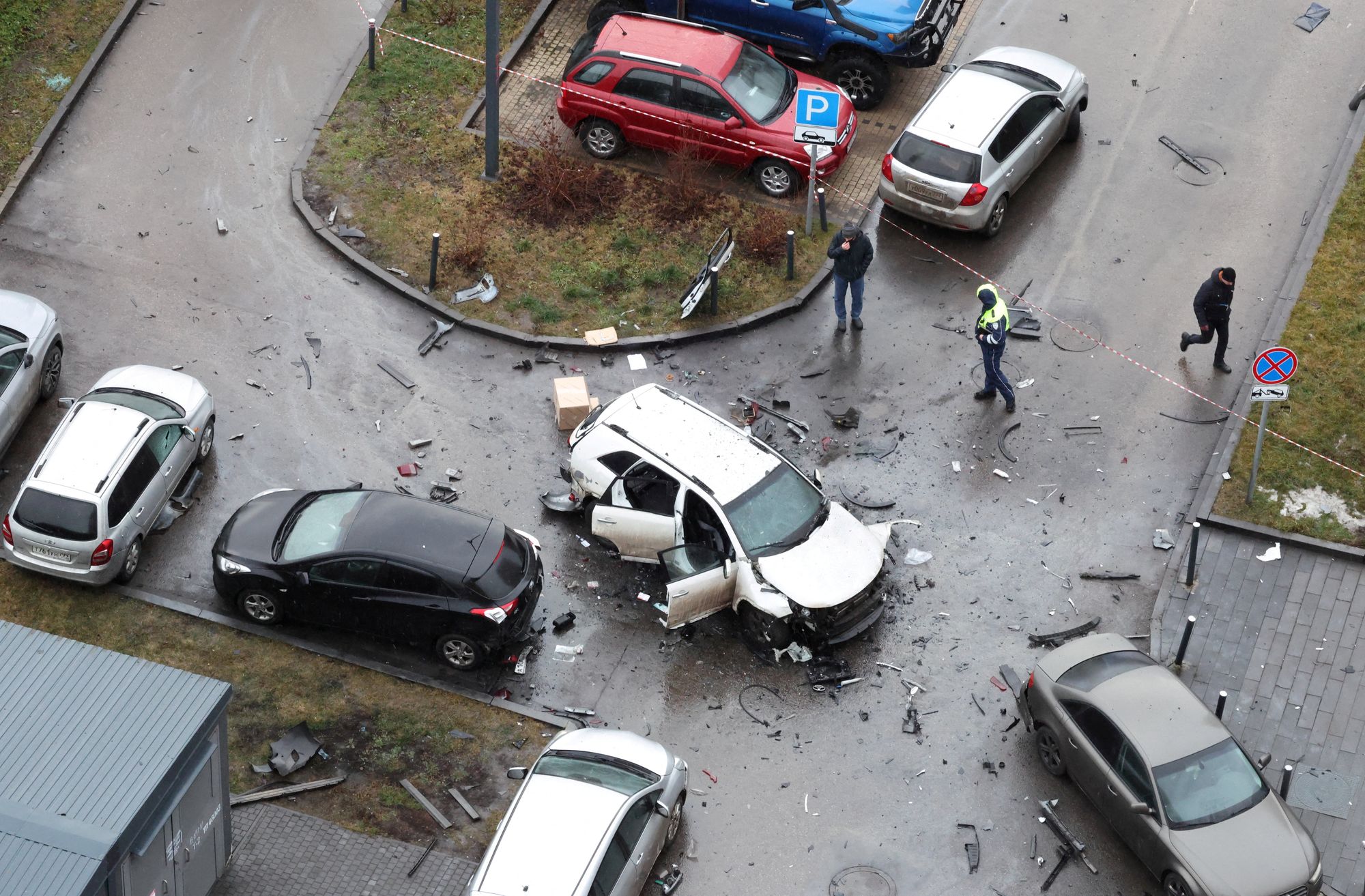
In December 2025, his top general Lt Gen Fanil Sarvarov was killed after a bomb planted under his car detonated as he drove out of a Moscow car park at around 7am in the morning.
The 56-year-old was rushed to hospital with multiple shrapnel wounds, severe leg injuries, a facial fracture and concussion, but did not survive. Seven other vehicles were reported to be damaged in the blast.
In February this year, Lieutenant General Vladimir Alexeyev was shot and injured in an alleged assassination attempt. Several other senior officials have been killed since Russia launched its invasion in 2022.
Last year, unverified claims surfaced that Ukraine had attempted to target the Russian president at his personal residence in the Novgorod region. US intelligence found the claims not to be true and Kyiv denied the allegations.
But Putin does not want to be seen as weak – and the need to appear powerful is compounded by the 9 May celebrations, which Barbieri says is crucial to Russia’s understanding of itself as a country.
“It has been a hallmark of Russia’s identity building and nation-building processes under Putin and underlying this image is always this sense that they liberated Europe from fascism, that they’re unbeatable and always on the right side of history.
“He had a kind of distorted understanding of the reality on the ground, but inevitably he feels pressure to try and sell domestically an image of victory.”
But cracks are widening in the perception of Putin’s administration as a unified bloc as elite bureaucrats and middle-class businesspeople grow uneasy with restrictions and the economic effects of the war, which continues to take up 70 per cent of Putin’s time and has become his “obsession”.
Barbieri explains that within the Russian elite there are figures such as Sergey Kiriyenko who are more akin to bureaucrats, who are increasingly concerned “that the current total investment in the war effort is creating a number of economic problems for the country”.
Then there is the security and military bloc, which is more passionate about the country’s war aims but has also become increasingly critical, including the Siloviki (”men of force” that include Russian officials from security, military, and law enforcement agencies such as the FSB, defence ministry and National Guard) as well as Z-bloggers.
Putin thought the war would be over in weeks, and the fact that it has continued for nearly half a decade is a shock to him and the establishment, says Barbieri.
“As it has lasted longer, it has started to become more difficult to isolate the country from information about casualties and the impact of sanctions. They’re trying to control the narrative but it’s becoming harder to isolate the population from a conversation abut the actual failures.”
Internet outages have affected businesses with customers unable to contact their clients, causing more frustration.
Russians are also feeling shaken by military strikes that have hit them hundreds of miles beyond their border. On Friday, Zelensky said a Ukrainian drone strike hit one of Russia’s largest oil refineries in Yaroslavl, a city situated more than 700km from its border.
Despite these attacks, Russia is determined to continue with the Victory Day commemorations.
“It’s quite unusual for a country to be having these parades,” says Christina Hayward at the Institute for the Study of War. “Ukraine does not have these kind of events, and they haven’t for years because of the risk of Russian strikes attacking concentrations of people.
“It’s interesting to see that Russia is now feeling that same wartime fear. It’s showing the effect that the increased Ukrainian strikes are having on Russian planning and that they aren’t confident in their ability to have enough air defences to protect these events should they choose to have them.”
But despite Putin’s fear of being attacked, experts say that Russia’s history shows a far more sobering and terrifying reality.
“Regime consolidation has put in place an authoritarian system that operates like a police state,” she says. “Russia’s history shows that if it were changed it would most like be through a violent and sudden way rather than a gradual decline.
“The cracks within the regime are widening but the big question now is what is going to happen. Once these cracks become too wide to be covered, historically change in Russia has always happened suddenly and violently. Among the expert community, the expectation is that if such a change were to happen, most likely it’s going to come from inside.”