


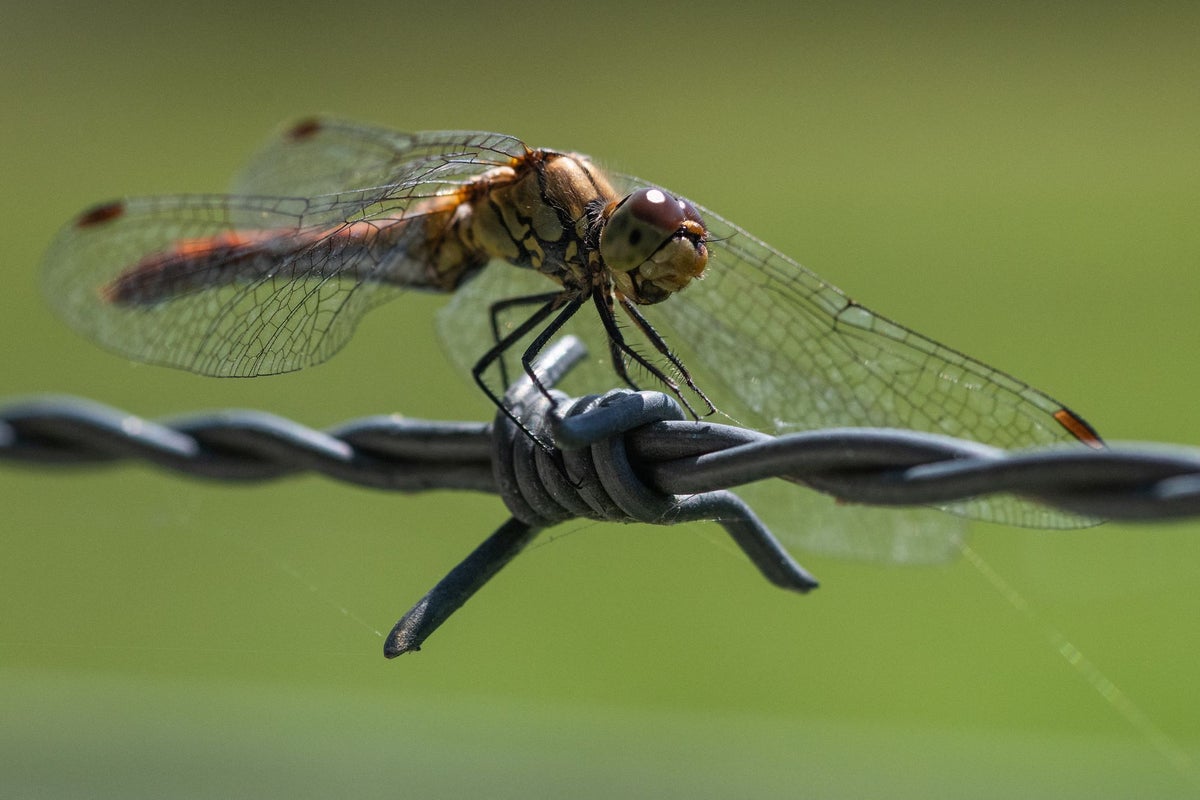
About one-third of India’s known dragonfly and damselfly species could have gone extinct due to rapid urbanisation in recent years, a first-of-its-kind survey reveals amid an alarming decline in global insect populations.
The landmark two-year survey across India’s pristine Western Ghats points to a worrying trend in the region, considered one of the world’s biodiversity hotspots.
Researchers warn that the likely local extinction of dragonfly and damselfly species is particularly alarming, as such species are sensitive to environmental changes, depending on freshwater ecosystems for reproduction.
The missing dragonflies and damselflies, also known as odonates, indicate that other groups of animals could also be under threat in this region.
These species are widely regarded as “indicator taxa” as they have a relatively short life cycle and quickly respond to changes.
Their absence in the Western Ghats directly reflects the ecological health of water bodies, scientists say.
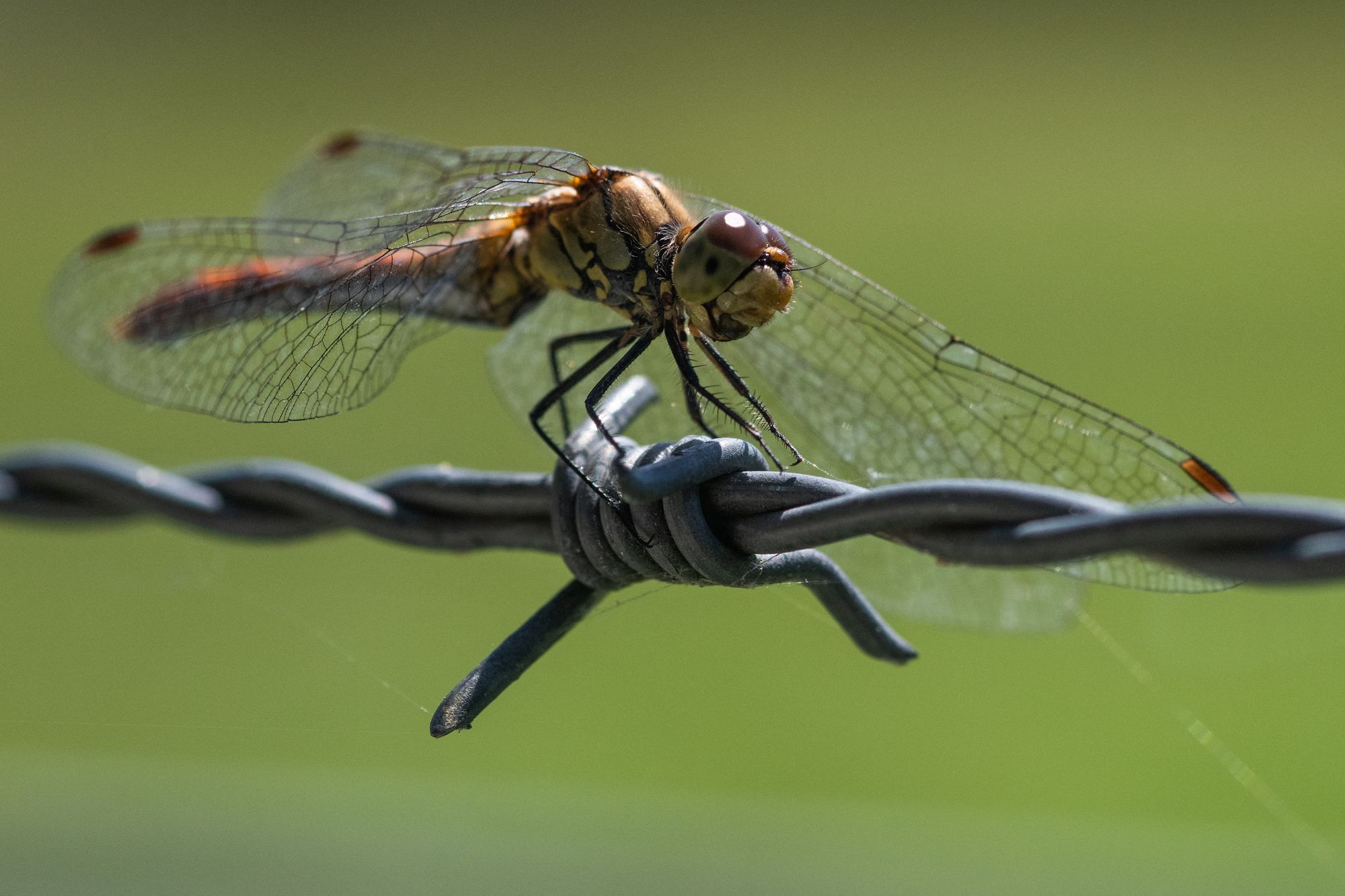
In the study, scientists from the Maharashtra Institute of Technology-World Peace University in the western district of Pune conducted rigorous fieldwork between February 2021 and March 2023.
They surveyed odonates in the region, covering a wide range of freshwater habitats, including rivers, streams, waterfalls, ponds, lakes, and dams.
Many of these locations were remote areas, with difficult terrains posing extreme logistical challenges.
Researchers recorded 143 distinct odonate species, including 40 species endemic to the Western Ghats.
However, they found that this represented only around 65 per cent of the species historically known from the region.
The survey points to a potential “35 per cent missing” or undetected dragonfly and damselfly species in the Western Ghats, a 1,600km mountain chain along India’s west coast.
This suggests there’s an alarming species decline, habitat degradation, and deeper ecological stress in the region.
“This study is a result of one of the most extensive Odonata surveys across Western Ghats,” said ecologist Pankaj Koparde, an author of the report.
“Our survey could recover only 65 per cent of known Odonata fauna of the Ghats, indicating a plausible loss of species and habitats,” he told local news.
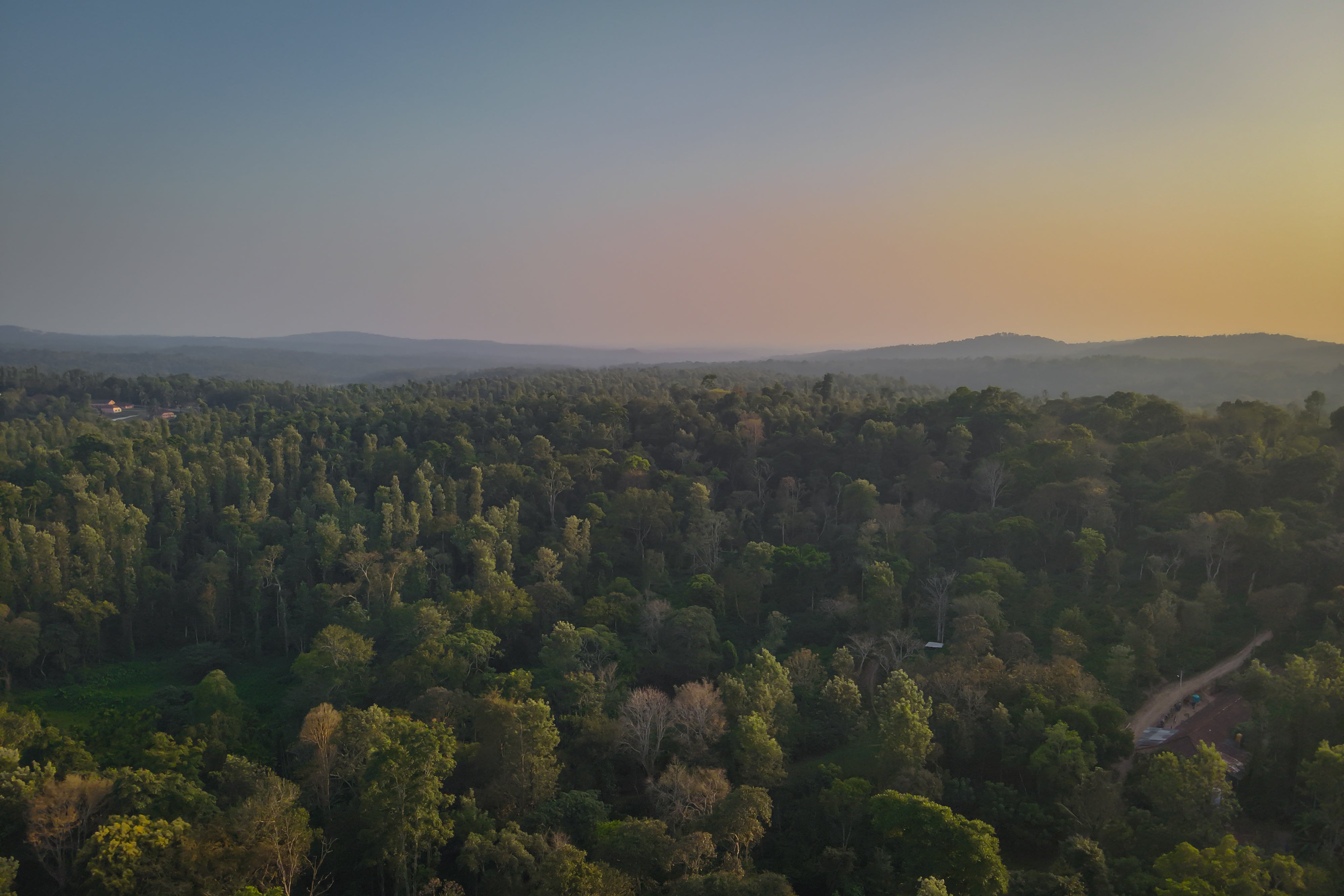
The findings, according to researchers, point to multiple, intensifying threats to wildlife across the pristine Western Ghats, including infrastructure development, hydropower projects, severe pollution, and large-scale land-use changes.
Unregulated tourism, recurring forest fires and climate change are also fragmenting and degrading these ecosystems, they say.
Recent studies from the region also point to this trend, revealing a decline of freshwater animals in the area, aggravated by competition from thriving invasive non-native species.
The latest finding also comes amid a trend of rapid global decline in insect populations of about 1–2 per cent annually, with 40 per cent or more of species threatened by extinction.
