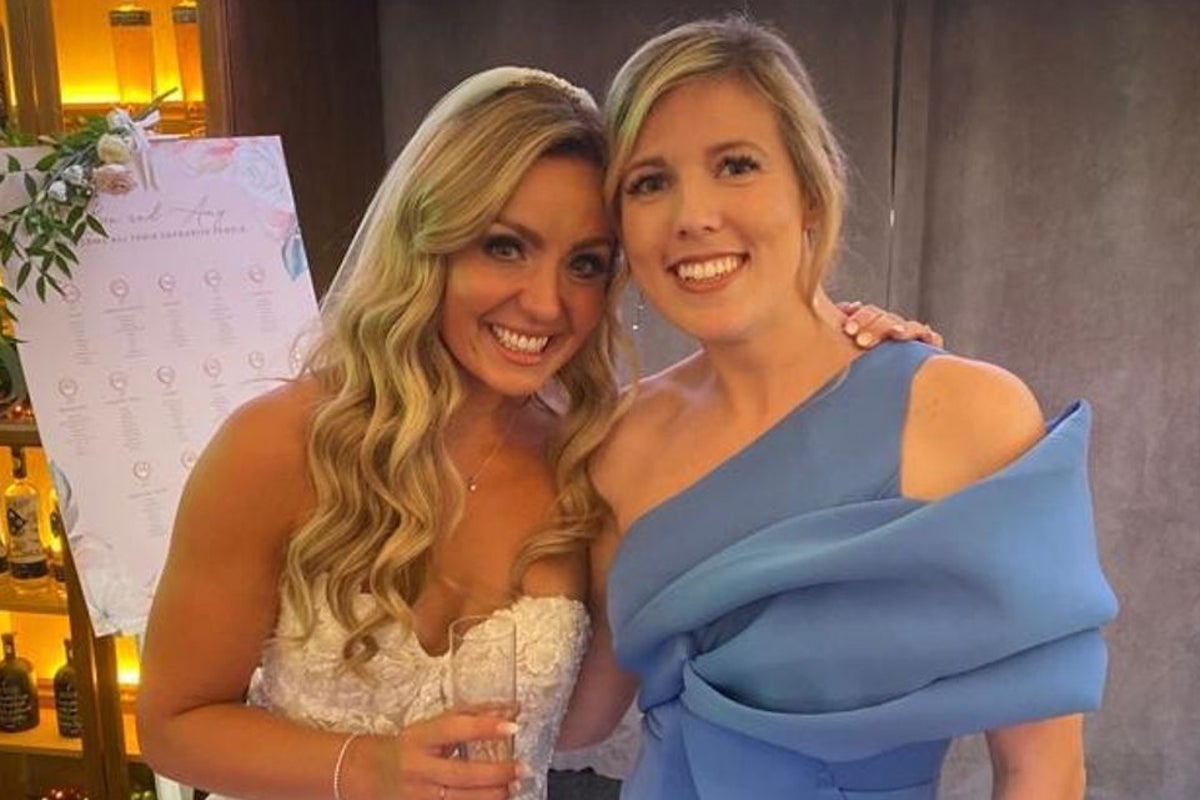



The nightmare that unravelled the lives of Sally Lane and John Letts started with a single phone call more than 12 years ago.
The British-Canadian parents had initially been relieved when their eldest son, Jack, showed a natural proficiency in Arabic.
Their introverted teenager, with an apologetic smile, had been struggling with severe Obsessive Compulsive Disorder at school in a quiet middle-class neighbourhood of Oxford. He converted to Islam and asked to spend part of his gap year studying Arabic in Kuwait.
Just a few weeks into the course, in August 2014, he called home. “Mum I’m in Syria,” he said before the crackly line went dead.
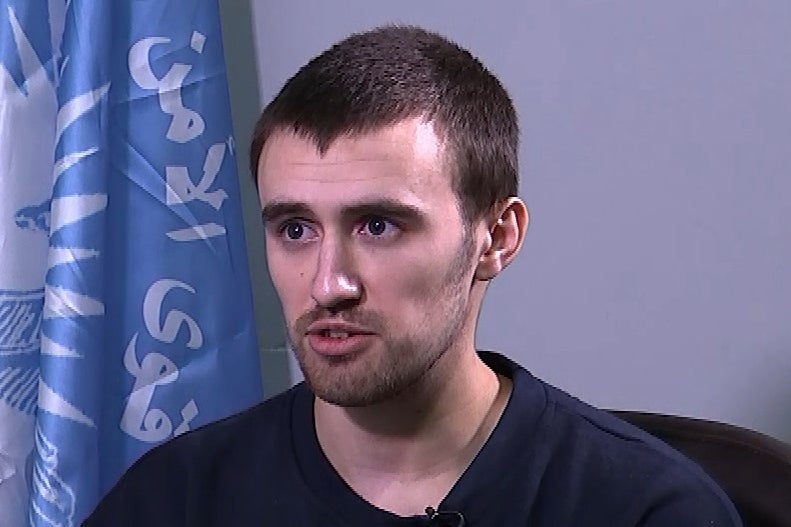
It marked the start of more than a decade of Sally, 63, and John, 65, trying to save their beloved, troubled son and bring him home.
A fight that continues today and has left their family in ruins.
“It was just a ten-second phone call,” Sally tells The Independent, recalling the day that day that upended their lives. John, an organic farmer and archaeologist, remembers rushing home “terrified”.
“We were horrified. I used to sleep with my phone beside my bed, thinking I was going to get a call at any minute saying that he hadn’t made it. It was horrific,” Sally continues.
“Since then we have been screaming into a void.”
Jack had travelled into Isis-controlled territory in Syria, although he has repeatedly denied joining or fighting for the group he claims actually later jailed him.
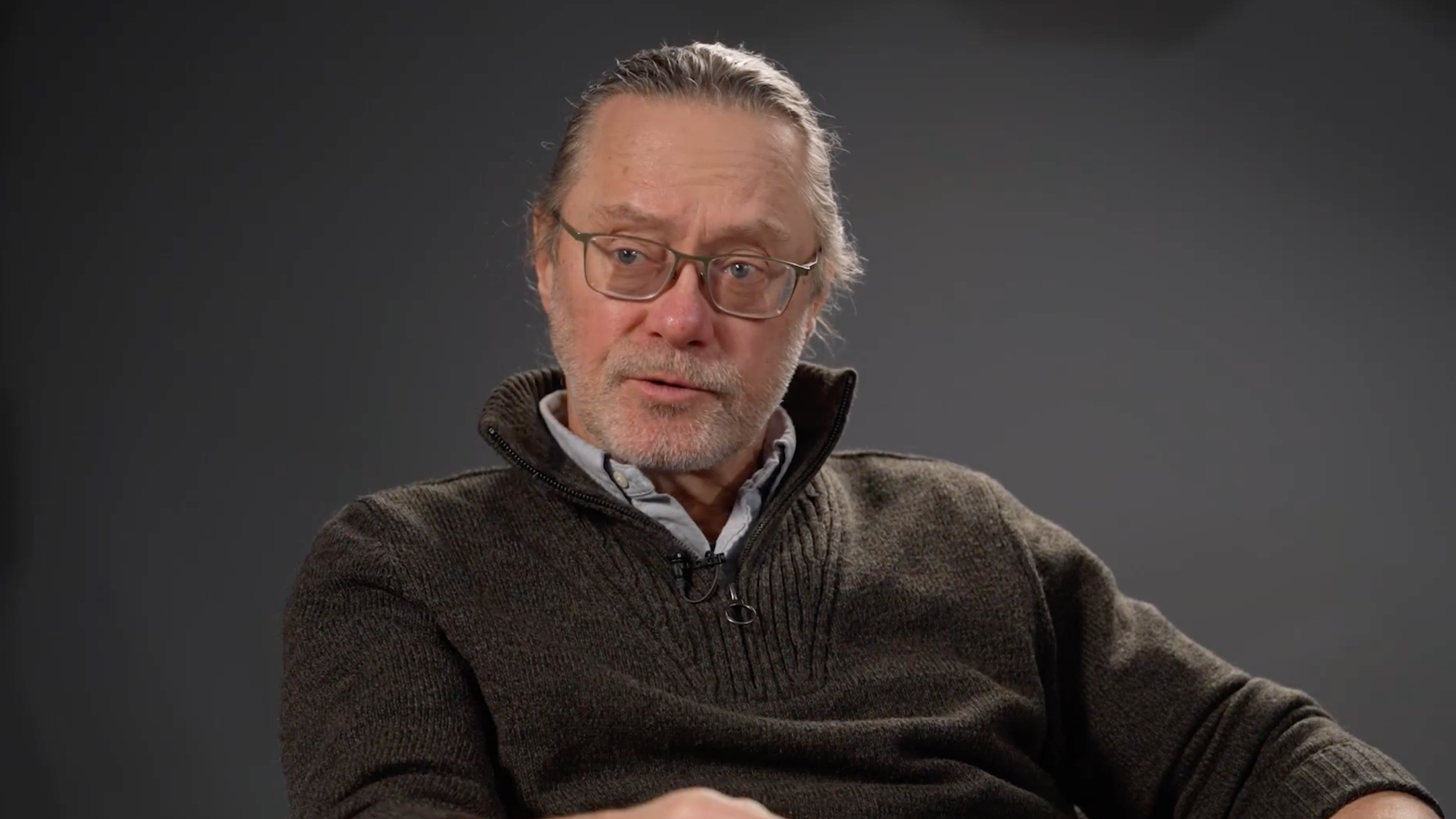
In 2016, he was seized by the Kurds and has been held without charge or trial in Isis prisons in Syria, mostly incommunicado, ever since. His parents say he has been tortured and abused.
Back in the UK, a journalist christened him “Jihadi Jack”, a moniker which they say sealed their son’s fate and still haunts them today: endless articles have pored over the “first British white boy” accused of joining the global terror group, despite there being no formal investigation or legal proceedings.
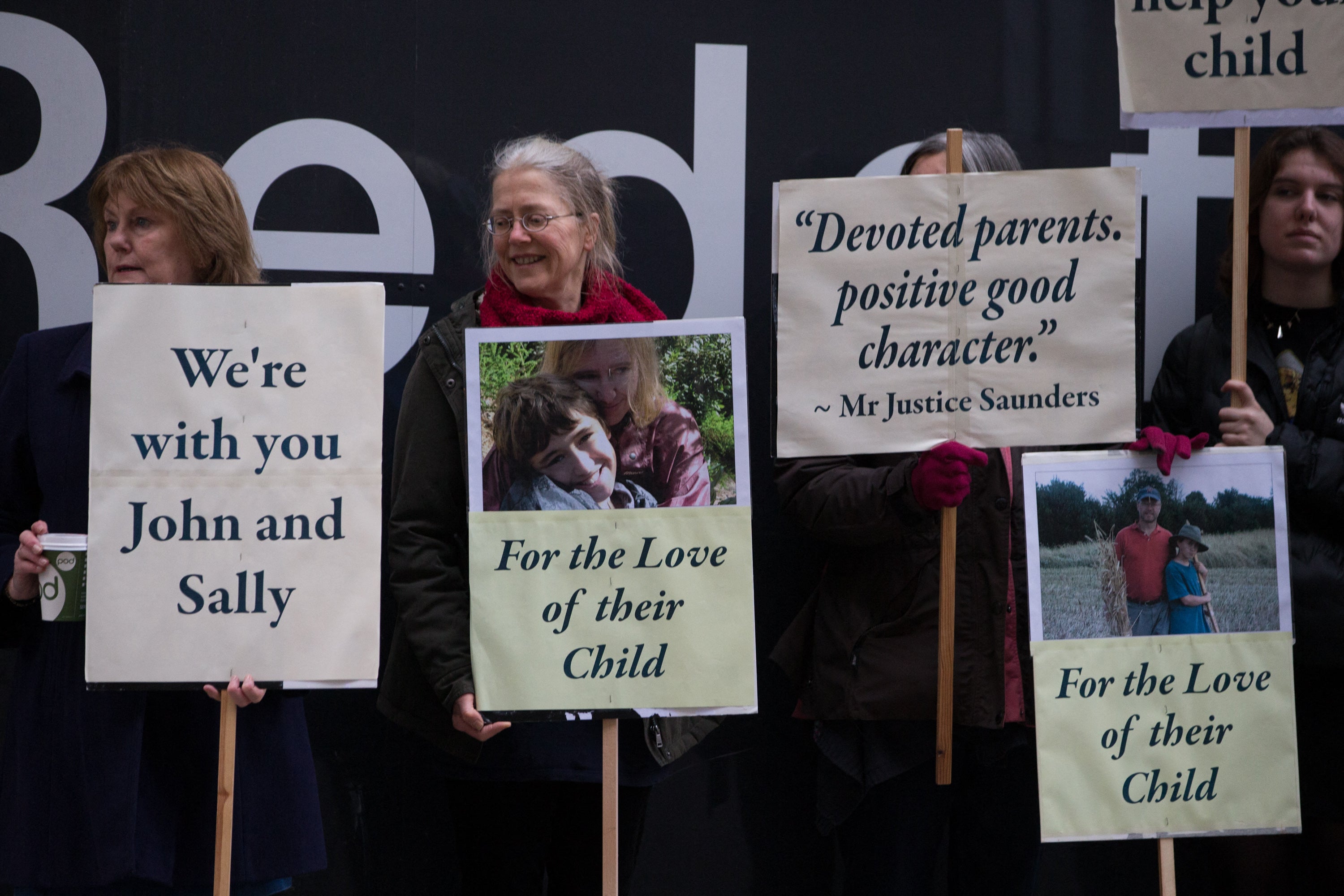
To compound the misery, both Sally and John were themselves convicted on a terrorism-funding charge they vehemently deny, after trying (and failing) to send him money to escape Syria when they say he was being hounded by Isis militants.
Later, Jack would be stripped of his UK citizenship, ending their campaign to have him repatriated to Britain even to face trial. Under pressure, Sally and John’s marriage fell apart.
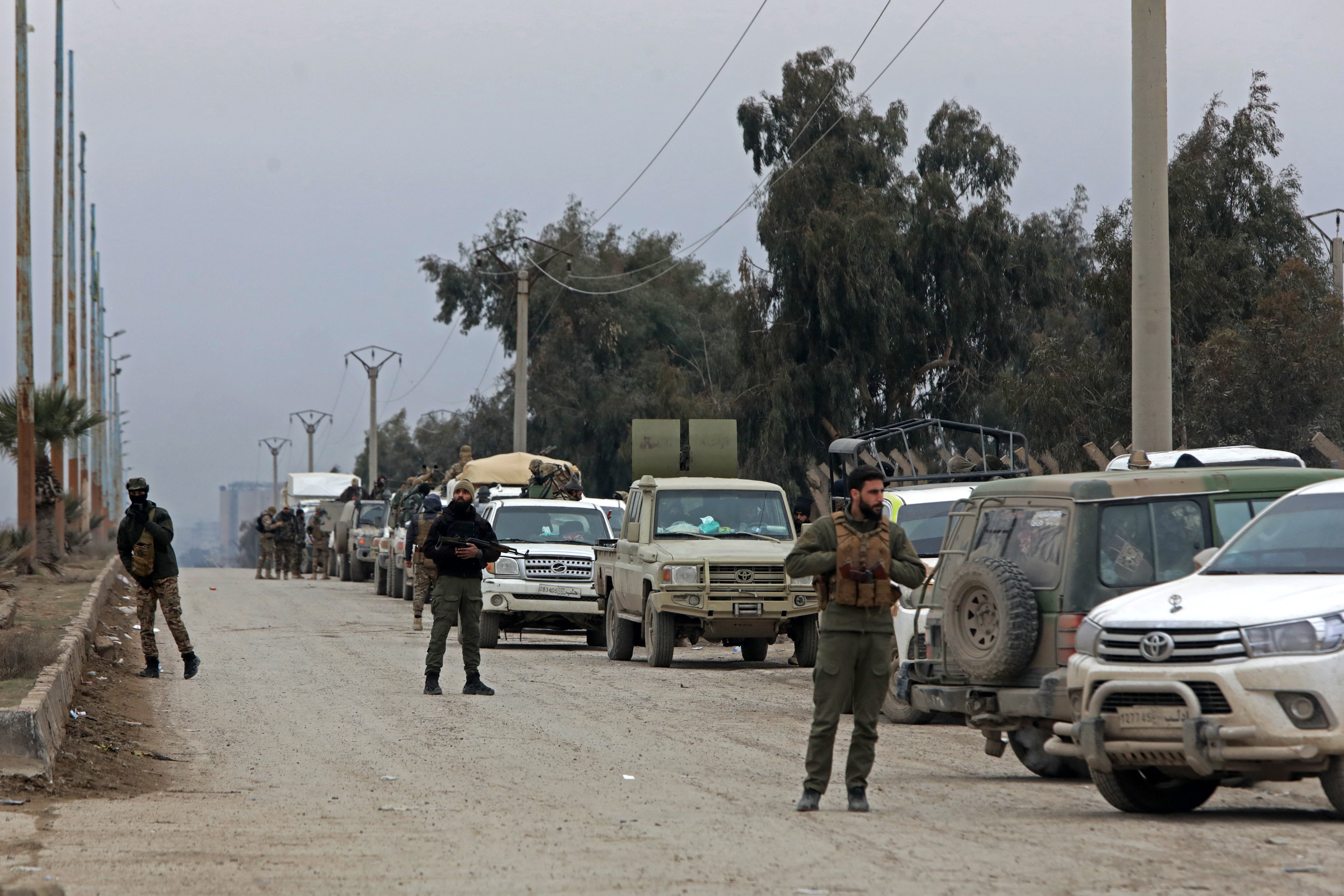
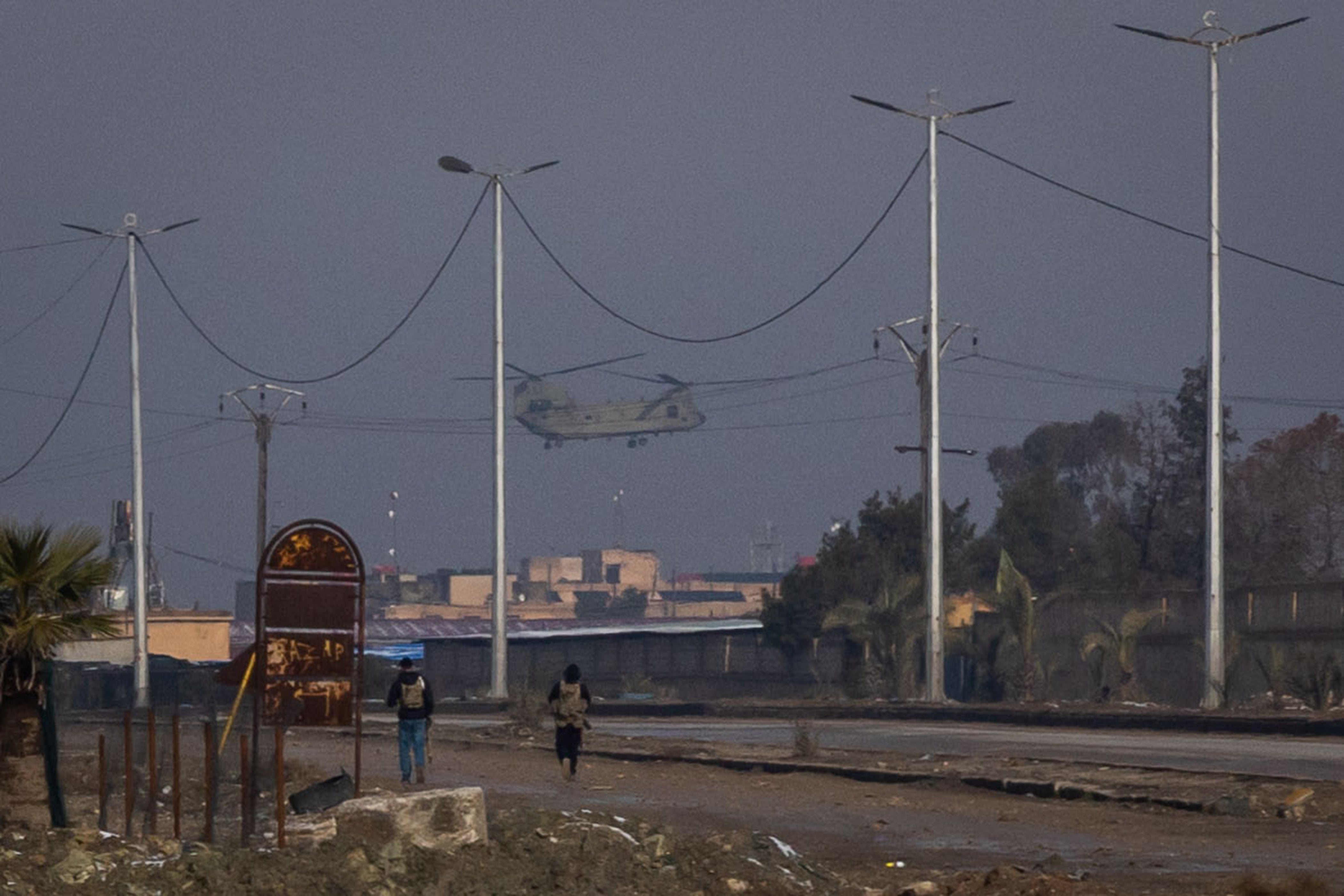
Amid a growing conflict between rival factions in Syria, Jack is now believed to be among nearly 6,000 men from dozens of nationalities transferred by the US military to a prison in Iraq in February this year, which in turn came under missile fire during the US-Iran conflict.
But there is no way to speak to their son to confirm.
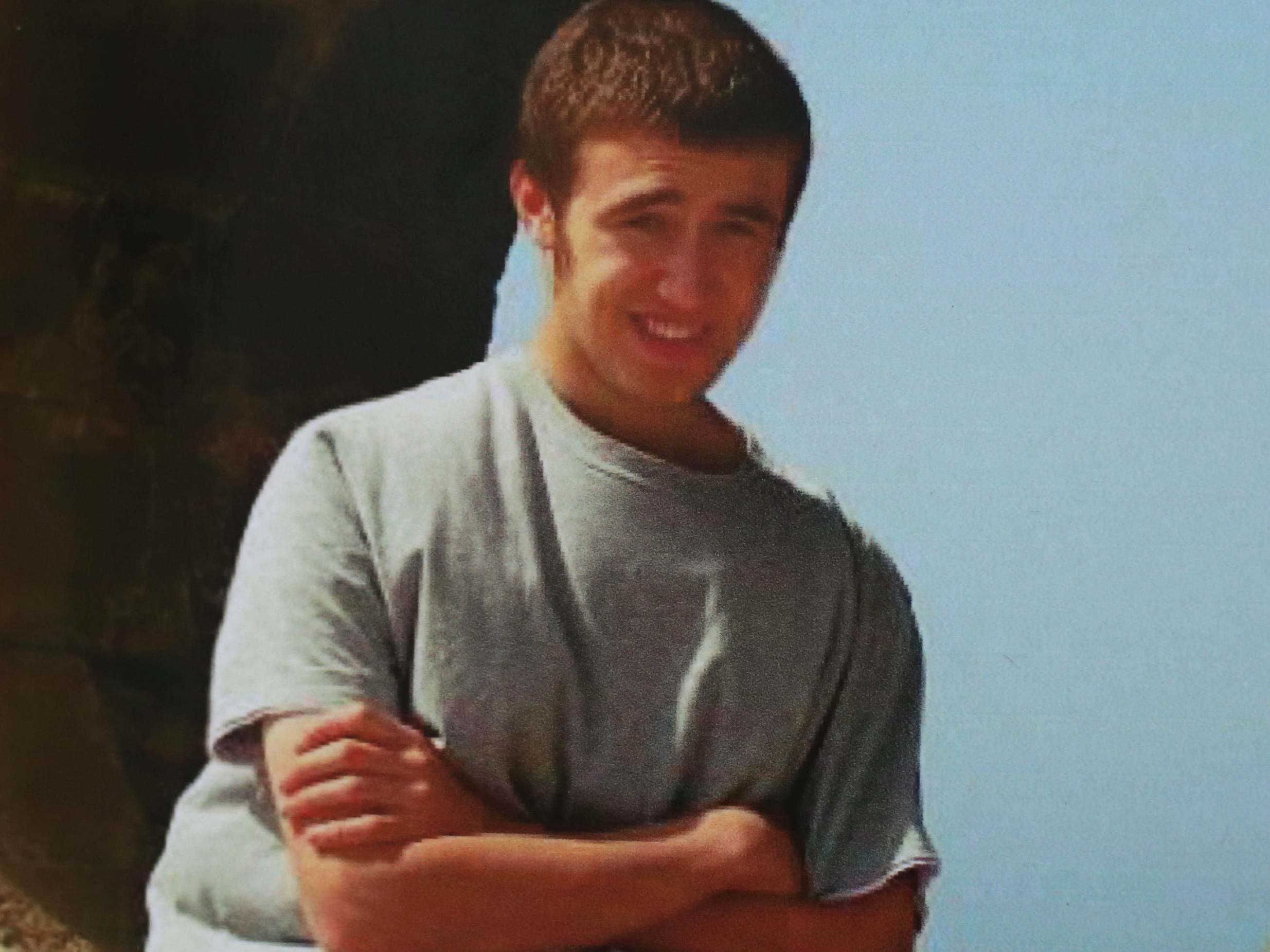
Sally says the new threat is his “imminent execution” in Baghdad, where Human Rights Watch has warned of “well-documented due process violations in counterterrorism proceedings” – something the Iraqi Ministry of Justice, in a statement to The Independent, denied.
“All of this has completely destroyed the family. Everything. Absolutely everything,” says Sally, her voice ringing with despair.
“I have to think about him every single second. Is he being abused? Is he being tortured? Is he being beaten? Is his mind still there? It’s been a decade.”
John, also desperate and angry, says they have spent years in an unsuccessful battle to get either the British or Canadian governments to acknowledge their case and repatriate him, even to face trial here.
“We’ve spent the last five or six years trying to run a campaign and trying to physically survive in a world where no one will hire you because you’re labelled a terrorist, the father of Jihadi Jack, the mother of Jihadi Jack,” he explains, with bitterness in his voice.
“We just want our son to be alive and to be freed, or at least to be dealt with properly if he has done something wrong. But we seem to have exhausted every chance we have to help our son.
“As a parent, you’re not going to give up trying to help your child if you can. I can’t even have a hot meal or a hot shower without feeling guilty.”
‘We have not spoken to Jack for nine years’
Jack was still a teenager when he made that call home in the summer of 2014.
Militants in the newly coined “Islamic State” had violently unfurled their new “caliphate”, seizing swathes of Iraq and Syria, which was already in the grip of a grinding civil war.
In the UK, the Crown Prosecution Service argued he was radicalised in Britain before he travelled to the Middle East. He denied being an Isis fighter and has maintained, in the few media interviews he has given from jail under the watchful gaze of his Kurdish prison guards, that he worked as a translator for the civilian administration in Isis-controlled territory.
At some point he got married and had a child – their whereabouts now are unknown. He has claimed in interviews he was jailed three times by Isis.
Jack’s parents say they have not been permitted to speak to their son since July 2017. He has written eight letters since then, delivered by the International Committee of the Red Cross.
The last was in 2021, in which he wrote of the whole world hating him. Otherwise, the only contact Jack has with the outside world is through these rare interviews with journalists, where he is watched by his guards.
Sally and John sent The Independent a signed witness statement, written by a prominent rights lawyer who managed visited Jack in prison in Syria in 2018, who said Jack spoke of torture, solitary confinement, cutting his own wrists in Kurdish detention – and having to lie to journalists about what happened due to the presence of the guards.
The last time his parents “saw” him was on screen when a Canadian documentary crew interviewed him in Syrian prison in 2024.
“It was a real shock to see him in that documentary. He was like a different person. He’d aged 30 years. It was awful,” continues Sally, her own face etched with years of fighting.
“Is his mind still there? He has been staring at a wall for nine years. “
Jack has never been formally charged or sent to trial. In John and Sally’s own proceedings, the Crown Prosecution Service called their son “Daesh-supporting” and said it “presented evidence from witnesses and messages exchanged by Jack and his parents that showed they knew he held violent, extremist views before they sent him the money.”

They cited Facebook posts to his account while he was in Syria where he condoned violence towards a British soldier – and talked of cutting off a friend’s head.
Jack’s parents believe his password was taken by Isis members and he did not write the posts – something Jack has himself said. And Jack has still never been charged.
Instead, in 2019, John and Sally found themselves in the dock.
They were charged with three counts of entering into a funding arrangement for the purposes of terrorism after they tried to send money to Jack in Syria in 2015 via an intermediary, when they believed he was on the run from Isis.
During the trial, the police conceded it was “natural” for parents to care for their son but claimed they had warned them of Jack’s activities and told them “not to send him money or risk prosecution”.
John and Sally vehemently denied the charges and insist they were granted police permission to send money to their son, who never even received the £223 they tried to send. However, the pair was found guilty of one count and handed a 15-month prison sentence, suspended for a year.
John describes the proceedings a “proxy trial for Jack”.
“Our family was destroyed. We couldn’t stay in our house. It caused massive problems,” he continues, adding that it greatly affected his other son, who was studying for his A-levels when all the computers in the household were confiscated mid-investigation.
“You’re told that your whole life’s going to be destroyed. Your business is gonna be taken away from you. You’re never gonna have a bank account, you’re never gonna have to travel. Your life is destroyed because you are ‘terrorists’,” he adds.
‘They washed their hands of this’
In 2019, a new nightmare erupted when a letter arrived at their house, telling them without warning that Jack had been stripped of his citizenship.
“After that, the British government said, ‘not our issue. We wash our hands of this. It’s now a Canadian problem’,’” John continues.
Since 2010 alone, the UK has stripped more than 200 people of citizenship on “public good” grounds, a number only surpassed by Bahrain and Nicaragua, according to a report released by the Runnymede Trust and Reprieve last year.
Under the law, the Home Secretary can strip citizenship if they determine that doing so would be “conducive to the public good”.
The Home Office declined to comment on Jack’s case but said: “Deprivation of citizenship is used to protect the British public from some of the most dangerous people, including terrorists and serious organised criminals.”
With all doors closed in London, Sally travelled to Canada to lobby the authorities to bring her son home, as he still – officially – has Canadian citizenship.
After a lengthy battle in court, the Federal Court of Appeal ruled that Canada is not obligated under the law to repatriate Jack. In November 2024, the Supreme Court finally declined to hear their challenge to that ruling, ending that last hope.
“The Supreme Court said we’re not even going to hear the case. We went through the whole court system and they refused to even hear our appeal,” Sally adds, bitterly.
‘It’s out of the frying pan into the fire’
Even when Sally and John recently reached out to the Canadian authorities, fearing that under Iraq’s judicial process he will face unfair trial and execution, “Canada replied, yes sorry, we can’t interfere with Iraq’s judicial process,” Sally says.
Thida Ith, a spokesperson for Global Affairs Canada, said they were aware of the transfer of Canadian detainees and remain “actively engaged with local authorities” but were not in the process of repatriating its citizens.
“The safety and security of Canadians always remain the utmost priority for the government of Canada while meeting necessary legal obligations,” she added.
Iraq’s Justice Ministry spokesperson Ahmed Laibi confirmed that 5,704 people, including 10 with ties to the UK, were in February transferred from Syria to al-Karkh Central Prison, located near a US base and Baghdad airport.
They are facing various charges under Iraqi law, including he said “membership in the ISIS terrorist organisation, carrying out criminal operations inside or outside Iraqi borders, membership in this terrorist group, destabilising the country, disrupting the social fabric, and shedding Iraqi blood”.
Laibi confirmed that foreign citizens can be repatriated to their home countries after their trials if they are not sentenced to death, dependent on joint cooperation agreements with those states. He vehemently denied allegations of abuse.
But at the time of the transfer in February, Human Rights Watch warned detainees are “at risk of enforced disappearance, unfair trials, torture, ill-treatment, and violations of the right to life” in Iraq.
“Victims of Isis crimes deserve genuine justice, and that requires fair trials for the accused,” Sarah Sanbar, HRW’s Iraq researcher, added.
US Armed Forces and the Pentagon declined to comment on concerns of abuse in Iraq or to give details about the detainees, but deferred to a statement announcing the transfer.
In desperation, John and Sally also reached out to the UK Minister for the Middle East, Hamish Falconer, but said they were told in a letter that Jack was deprived of his British citizenship “and is therefore not eligible for consular assistance from the UK Government”.
When asked about Jack or the transfer of the other people connected to Britain, the Foreign Office declined to comment about his specific case.
However, a spokesperson said: “Protecting our national security is the first priority for the UK Government. That is why we are continuing to work with the Syrian and Iraqi Governments, as well as other partners, to protect our shared security interests in the region, and ensure the enduring defeat of Daesh.”
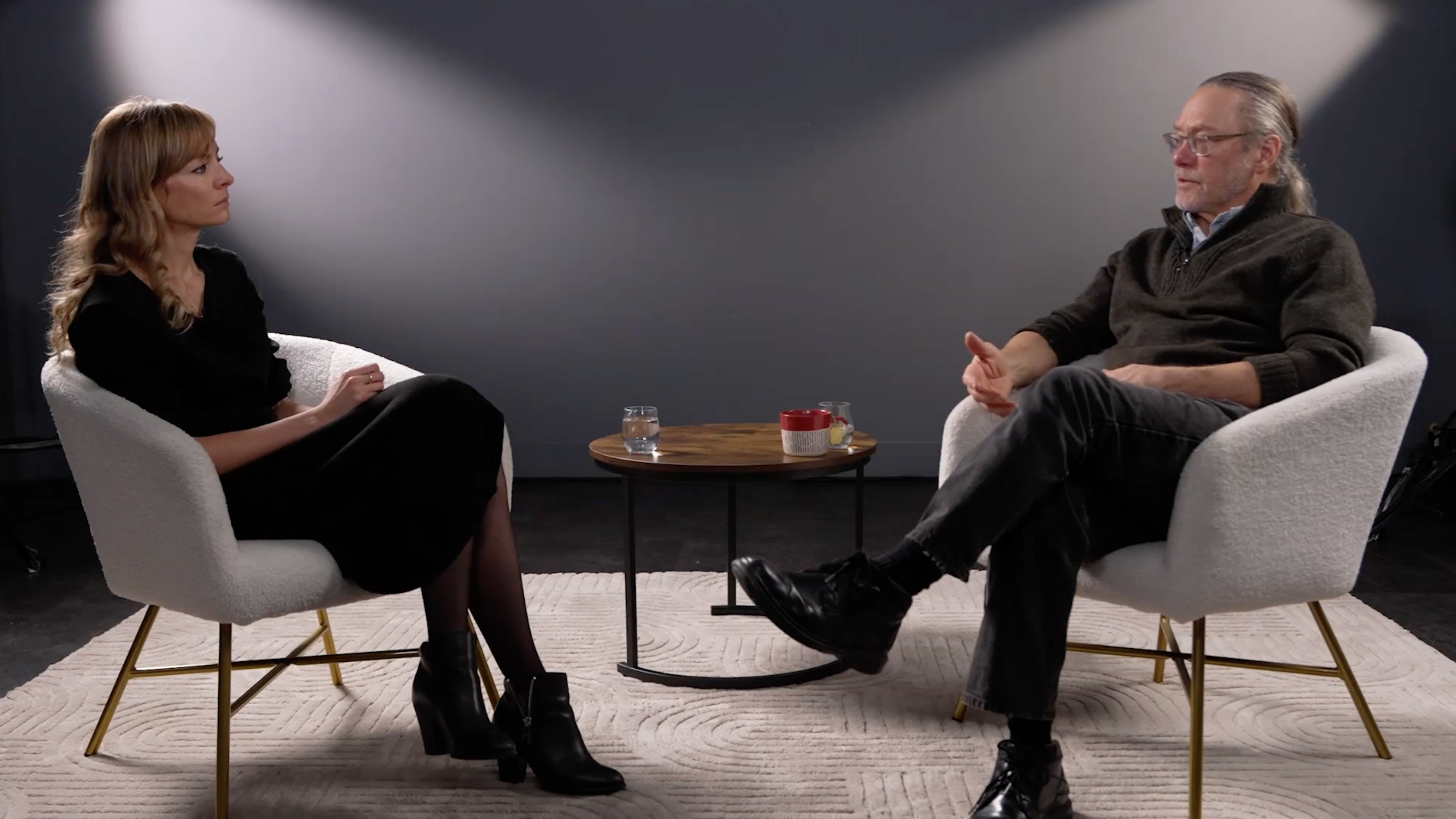
‘We’ve been screaming into a void for twelve years’
For John, moving Jack from Syria to Iraq is a disaster: “What’s happened in Iraqi prisons is horrendous. It means more torture for Jack. And now, the [Iran] war.”
For Sally, she says they have been “screaming into a void for twelve years.”
“We’re in a surreal world where British citizens and Canadian citizens are about to be executed and everybody collectively shrugs. I don’t know what to do any more.
“They have to take responsibility to protect their citizens from torture and death and the death penalty. And if they can’t do that, what are they for?”