
Metropolitan Police officers routinely used personal mobile phones to capture evidence, including images of dead people, a misconduct hearing has revealed. An internal Scotland Yard inquiry heard officers defended the practice, citing the poor photographic quality of standard issue police equipment.
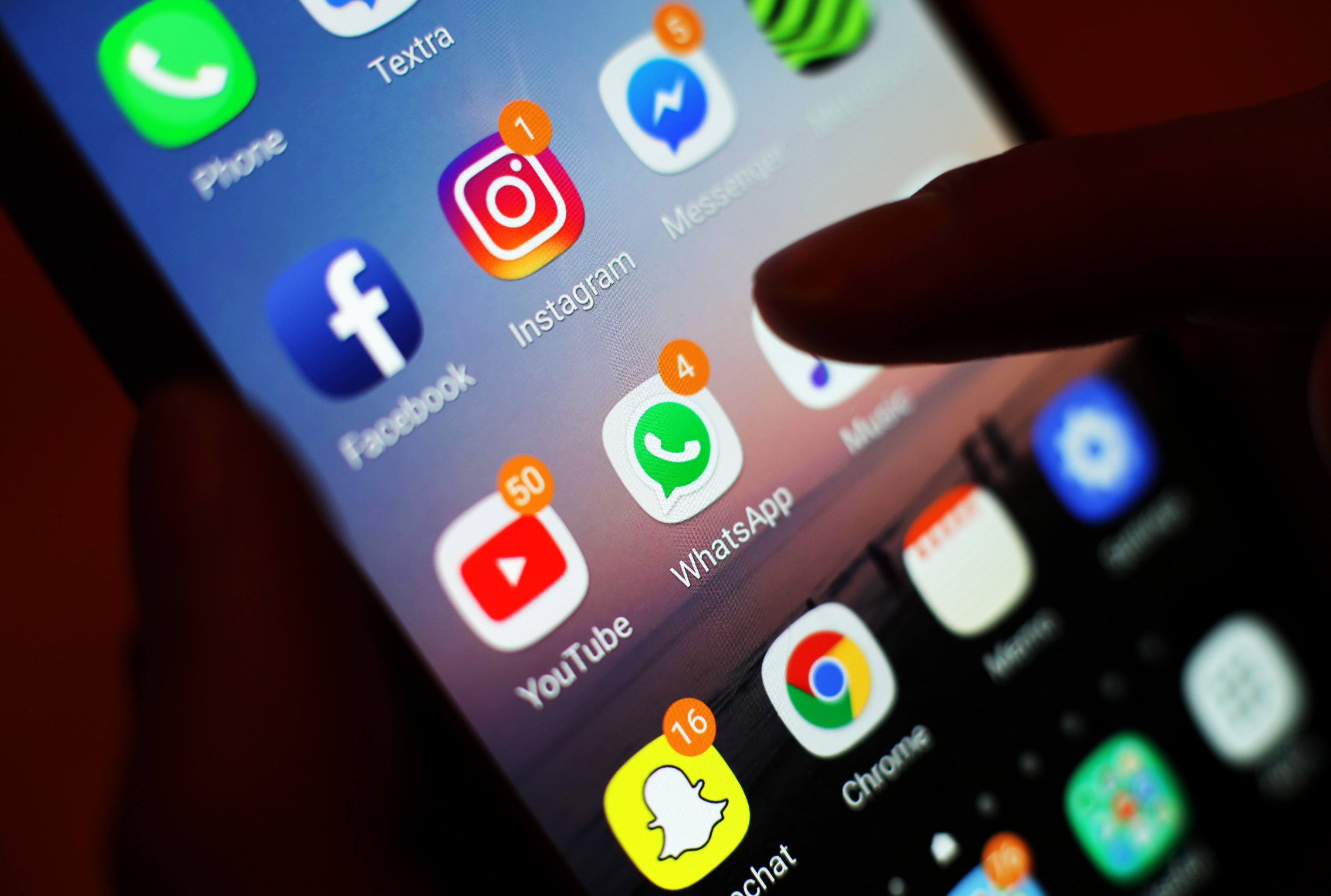
Investigators were told officers frequently shared these sensitive images via WhatsApp as a ‘workaround’ to compress files before uploading them to the Met’s official system.
Pc Billy Manning was found to have kept a photograph of an elderly man who had died on his personal device after an investigation. He later showed colleagues ‘a bad one’ during a training session, leaving fellow officers ‘uncomfortable’.
Manning’s arrest and the subsequent investigation exposed significant confusion, even within the Met’s senior leadership, regarding the appropriate use of personal phones for police duties.
The misconduct hearing heard that in September 2021, Pc Manning and Pc Zak Malik had been called to an assisted residence for elderly people in Dalston, east London.
The officers found a resident who had died “some days or weeks earlier” and whose body was in a bad state of decomposition.
Pc Malik took a photo of the dead man on his personal phone before sending them to Pc Manning on WhatsApp.
He sent them to reduce the file size so it could be uploaded to the Met system and go to the coroner, the hearing was told.
Pc Manning deleted the photo from his iPhone library but did not delete it from his WhatsApp thread.
When Pc Malik realised the photo was still on WhatsApp and warned Pc Manning, he replied with three laughing face emojis, the panel heard.
The following year, at a taser training course at Shoreditch police station, Pc Manning was discussing “difficult situations” with other officers, the investigation heard.
He decided to show them the photo of the man who had died, saying: “I’ve been to a bad one, I will show you the picture”.”
Two of the officers “felt very uncomfortable” and reported him to their seniors, the hearing was told.
Pc Manning was arrested and claimed it was “common practice”.
His mobile was seized and the contents downloaded, with analysis revealing a number of other pictures “relating to victims, suspects and evidence”.
It was also discovered he was the creator of a WhatsApp group called “Away Days” containing sexist, homophobic, ableist and trans-phobic content.
Another officer told the hearing he attended a separate sudden-death callout with Pc Manning where photos had also been taken on their personal phones, but he could not remember who took them.
Criminal charges were not pursued but the investigation led to misconduct proceedings against Pc Manning and a second officer in the group, Pc Frankie Jordan, who had also kept photos of evidence.
Pc Jordan told investigators he “did not believe that he had done anything wrong” and that “he and colleagues routinely took photos of evidence on their personal mobile phones and sent them to colleagues via WhatsApp”.
Pc Jordan said he and his colleagues had not been allocated work mobile phones and that the police issue tablets were “sub-standard”.
He denied deliberately retaining images on his phone, saying he “forgot that they were there”.
As the problem emerged, senior officers warned that using personal mobile phones for policing purposes was not in line with accepted policy.
But following the briefing, other officers came forward to report they had done the same thing.
The issue was discussed at a senior leadership team meeting in February 2022, where it was decided that personal phones should never be used for a policing purpose.
But the misconduct panel heard evidence of “confused and conflicting guidelines” that even within the Met’s senior leadership team were interpreted differently.
After a public misconduct hearing held between November 2025 and February 2026, Pc Manning was handed a final written warning for a period of two years and Pc Jordan received a final warning for three years.
The Met Police has been approached for comment.