

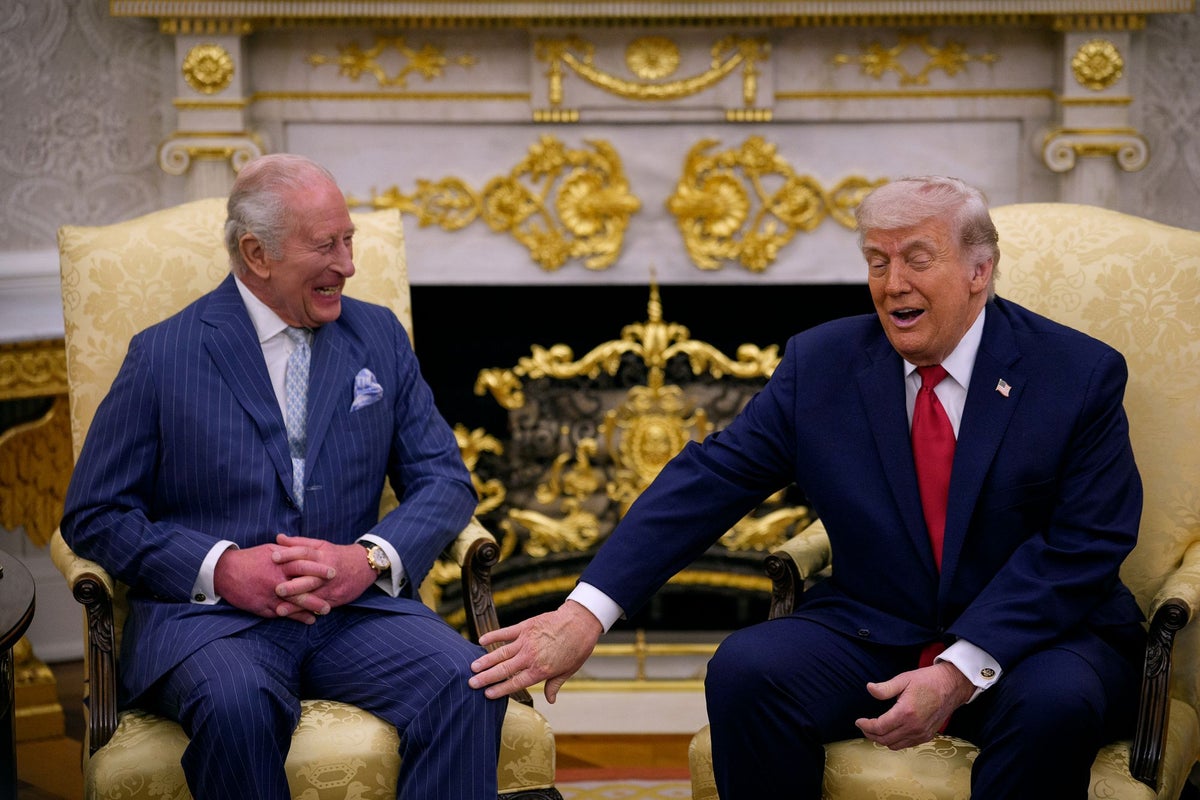
A state dinner honoring King Charles III and Queen Camilla was overshadowed by an unexpected diplomatic disclosure as President Donald Trump claimed the British monarch had privately agreed with him on Iran’s nuclear ambitions.
The comments, made during Tuesday’s event, sparked mild consternation among UK pundits, highlighting a significant breach of royal protocol.
Speaking to attendees, Trump recounted a private meeting earlier in the day, stating: “We’re doing a little Middle East work right now … and we’re doing very well.”
He continued, “We have militarily defeated that particular opponent, and we’re never going to let that opponent ever — Charles agrees with me, even more than I do — we’re never going to let that opponent have a nuclear weapon.”
While the sentiment regarding Iran might resonate with many Britons, publicly relaying a private conversation with the sovereign is unusual.
British convention dictates such discussions remain confidential, partly to ensure the monarch stays above the political fray. Crucially, the King cannot publicly engage in debate or correct the record if misquoted, making such disclosures particularly sensitive.
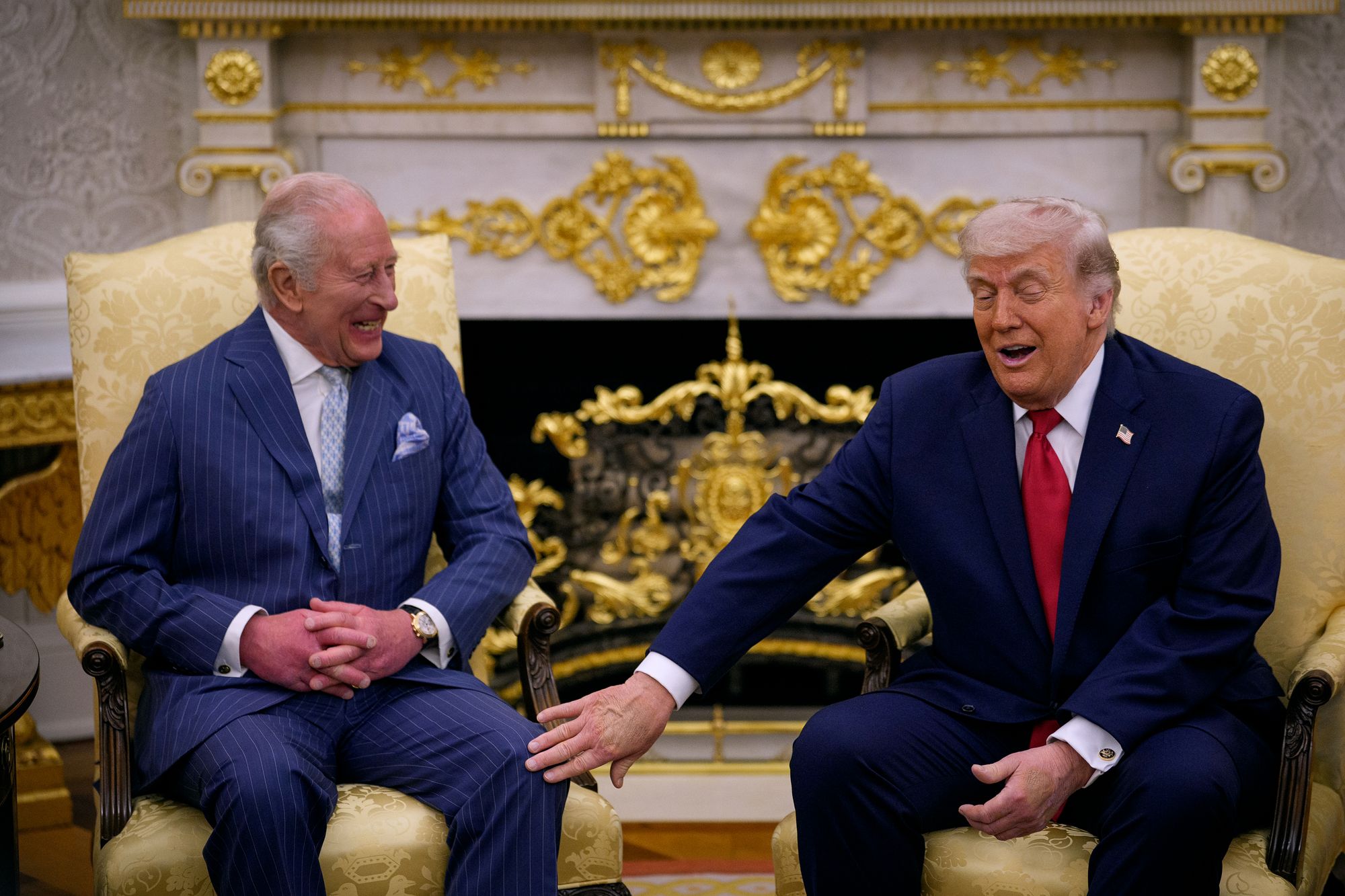
Craig Prescott, an expert on constitutional law and the monarchy at Royal Holloway, University of London, underscored the gravity of the situation.
“Generally, as a matter of protocol, I think I would expect discussions between heads of state to be sort of behind the scenes, in those closed meetings, for those to be sort of kept private,” he said. “And, you know, this was something that the U.K. government wanted to avoid.”
The incident occurred amid considerable apprehension surrounding the King’s US trip. The visit, carefully choreographed by the UK government, aimed partly to mend a rift from Trump’s frustration with Prime Minister Keir Starmer over his stance on the Iran war. The hope was that warm relations between the King and Trump, who seems to love all things royal, could help bridge diplomatic divides.
However, Trump’s unconventional leadership style and penchant for breaking protocol had raised concerns about potential missteps.
Buckingham Palace swiftly issued a statement to provide context, asserting: “The King is naturally mindful of his government’s long-standing and well-known position on the prevention of nuclear proliferation.”
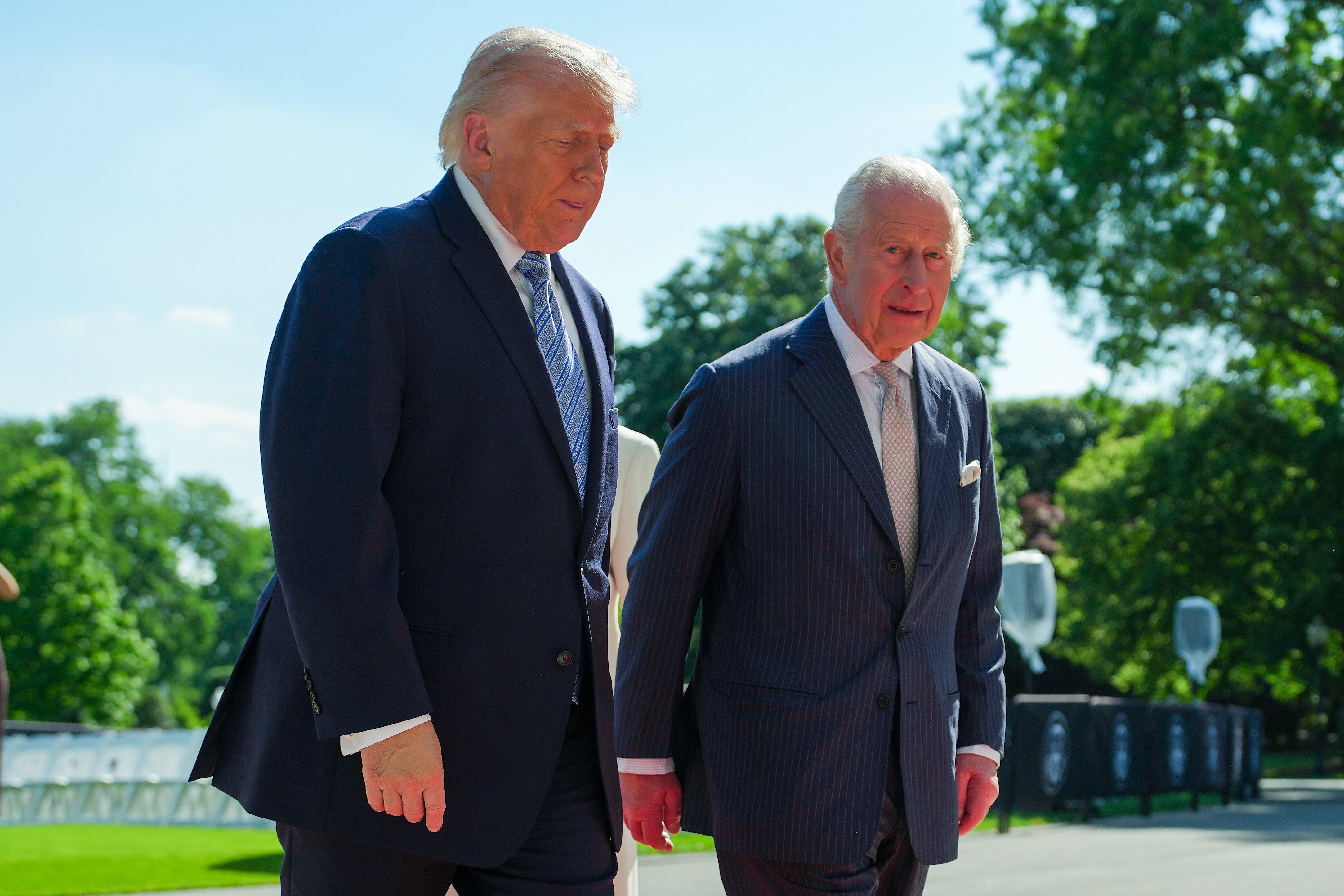
Prescott noted that the central concern had always been Trump’s unpredictable nature.
“In a sense, this was always the issue, just what Trump would do or say — would he put the king in an embarrassing position,” he said, adding, “You always had that sort of issue of what he would post on social media. And I think, you know, this could have been much, much worse.”
Prior to the state dinner, King Charles delivered a speech to a joint session of the US Congress, receiving repeated standing ovations. His address celebrated the enduring bonds between the two nations while acknowledging differences on issues such as Nato, support for Ukraine, and the need to combat climate change.
As the King and Queen depart Washington for New York, focusing on creative industries, the trip’s most challenging phase may be over.
“If this is the only controversy arising out of this phase of the state visit, I think overall this has been an enormous success for the king and the British government, because the king was able to make some quite pointed remarks in Congress and it hasn’t really yielded any sort of negative reaction from the president,” Prescott said.
He added: “In a sense, you get the feeling that the king (has) rather charmed Washington with his speech to Congress and, you know, his very witty speech at the state banquet.”