


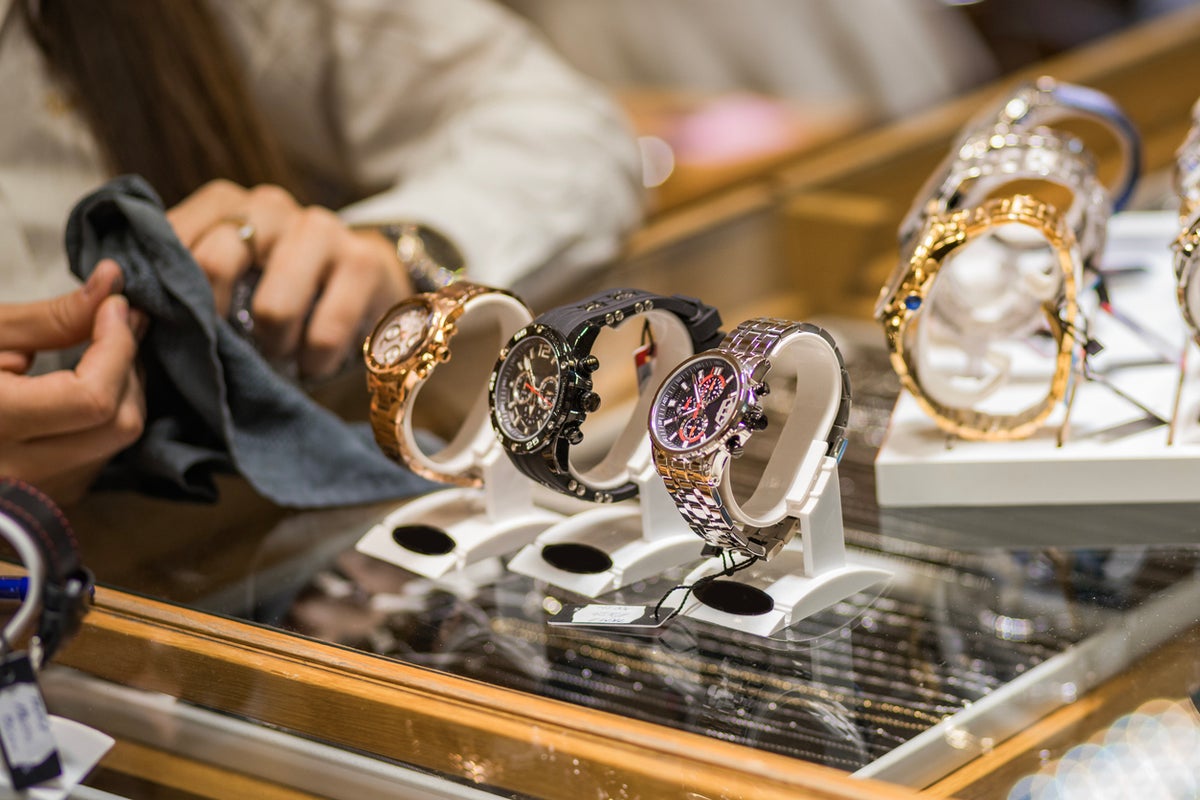
Many investors choose to make shares in luxury goods companies a part of their portfolios.
There are also large numbers of people around the world who are fortunate enough to be able to afford to buy the products these firms make.
From dresses, suits and watches to wine, spirits, jewellery and handbags, buying the finer things in life can bring people some joy.
That may well be a worthwhile thing to do, providing you have enough financial security not to end up wishing you hadn’t spent a large amount of money on a piece of luxury.
But if you are at a point in your life where you still need to build-up your financial position, or are looking at wealth-building for the long term, taking the hundreds or possibly many thousands of pounds that could be spent on such items and instead buying shares in the companies that make them could be a better move.
Which companies make luxury goods?
Shares in premium handbag maker Hermes International, for example, have risen by 56 per cent over the past five years to value the company at €174bn (£151bn). Each £1000 invested in the French firm for this period, rather than spent on its products, would have turned into £1560.
Others have performed even better. Richemont, the Swiss jewellery and watch group which owns Cartier, has seen its shares climb 58 per cent over five years, bringing its total value to 80bn Swiss Francs (£75bn).
There are a couple of key strengths to luxury goods companies as an investment. Firstly, the target market for these companies are wealthy people, which means they keep on spending even during harsh economic times. This can mean revenues stay healthy.
While those fortunate enough to be well-off are few in number relative to the world’s population, it is a growing segment, particularly in Asia.

Get a free fractional share worth up to £100.
Capital at risk.
Terms and conditions apply.
Go to website
ADVERTISEMENT
Get a free fractional share worth up to £100.
Capital at risk.
Terms and conditions apply.
Go to website
ADVERTISEMENT
Second, luxury goods companies have what is called strong pricing power as well as high profit margins. The strength of the brand identity many of these companies have means they are able to put up prices when they want to without losing many customers.
High prices are in fact part of the appeal, rather than a reason to stay away. This means they can sell things for much more than it costs them to make, to a significantly higher degree than most other types of company.
A cautionary tale
As is always the case with investing, having a long-term plan and diversifying across many different companies is crucial in ensuring you do not lose money.
Buying another brand, LVMH – which owns the likes of Louis Vuitton, Fendi, TAG Heuer and Moet champagne – alone at the start of 2024 with the aim of making money and cashing out within a year would not have worked. The company had a bad year and the shares fell by around a third (32 per cent). And while it rose significantly between mid-2020 and mid-2023, the share price is down 24 per cent over five years, highlighting the need to be aware of how cyclical industries work.
British fashion house Burberry also offers a cautionary tale. Shares in the company are down 45 per cent over the past five years, as the firm has struggled to keep pace with rival brands.
A particular risk with luxury goods companies is their once prestigious brands can lose their appeal. This is fundamental to their success, and the companies go to great lengths to maintain their fashionable status but it is not guaranteed.
Importance of diversification
The chance of many luxury goods companies losing their brand value at the same time is vanishing small however, so investing across multiple names in the sector is relatively safe. A good way to do that is to buy shares in a thematic exchange-traded fund (ETF).
It should also be noted that certain luxury goods can be considered an investment rather than a indulgence. There are people who make money from watch or fine wine investments.
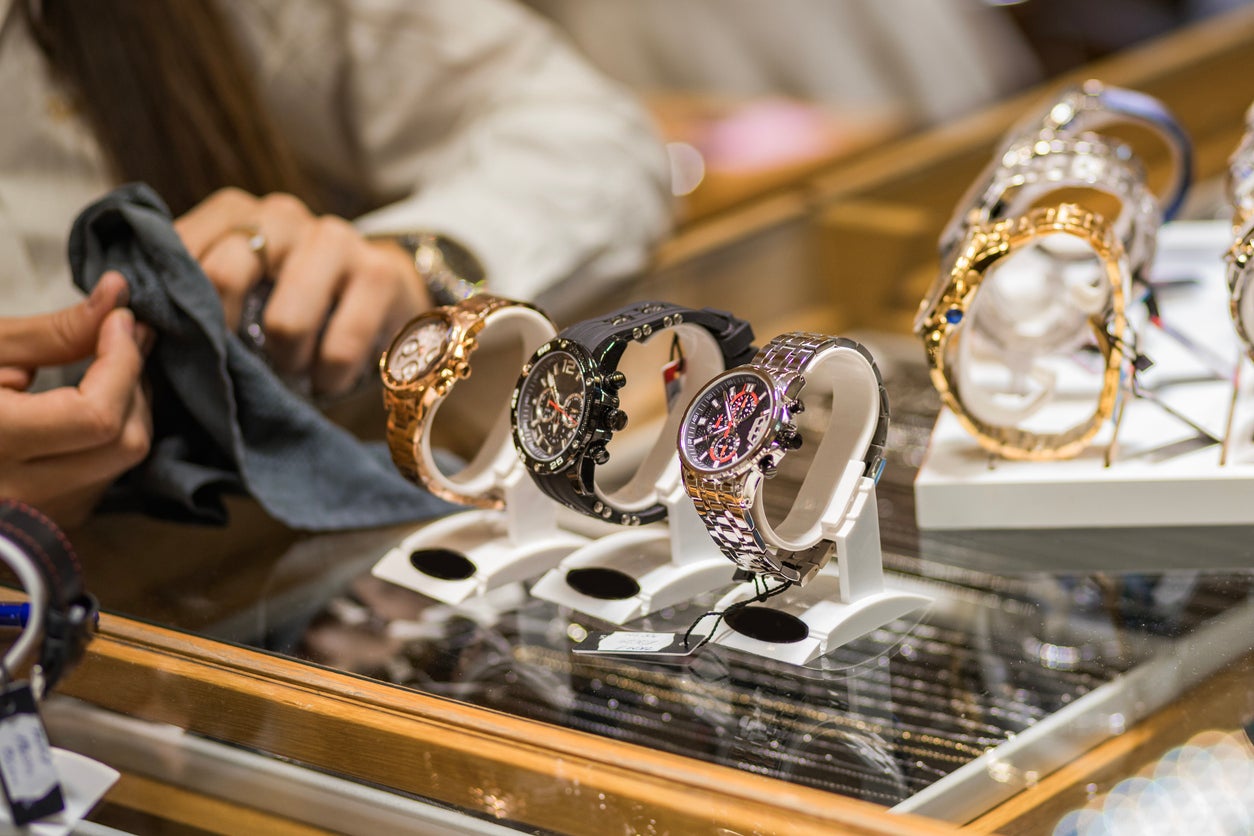
Particular high-end watches can retain or increase their value for example. This is the exception rather than the rule though, and requires a high level of expertise to get right.
Just as with the stock market, the luxury watch and jewellery market has peaks and troughs, so you could easily find yourself on the wrong side of forces outside your control if you take this route. There are also significant other risks with holding luxury goods as an investment, such as being robbed or buying a counterfeit at the outset.
How to invest in luxury goods companies
Shares in the likes of LVMH, Hermes International, Burberry, Christian Dior, Richemont, Kering, Moncler and others can be bought via an account with an investment platform.
A better option for most people may be a thematic exchange-trade fund (ETF). These will invest money across a wide range of appropriate companies on your behalf and you hold shares in the fund itself instead. This is a simple and low-cost way to invest.
One such example is the Amundi S&P Global Luxury ETF. There are also ETFs targeting the consumer discretionary sector which will offer some exposure.
You may also be able to find actively managed funds which target luxury goods as an investing theme within a wider strategy, with managers who are experts in that particular sector.
When investing, your capital is at risk and you may get back less than invested. Past performance doesn’t guarantee future results.