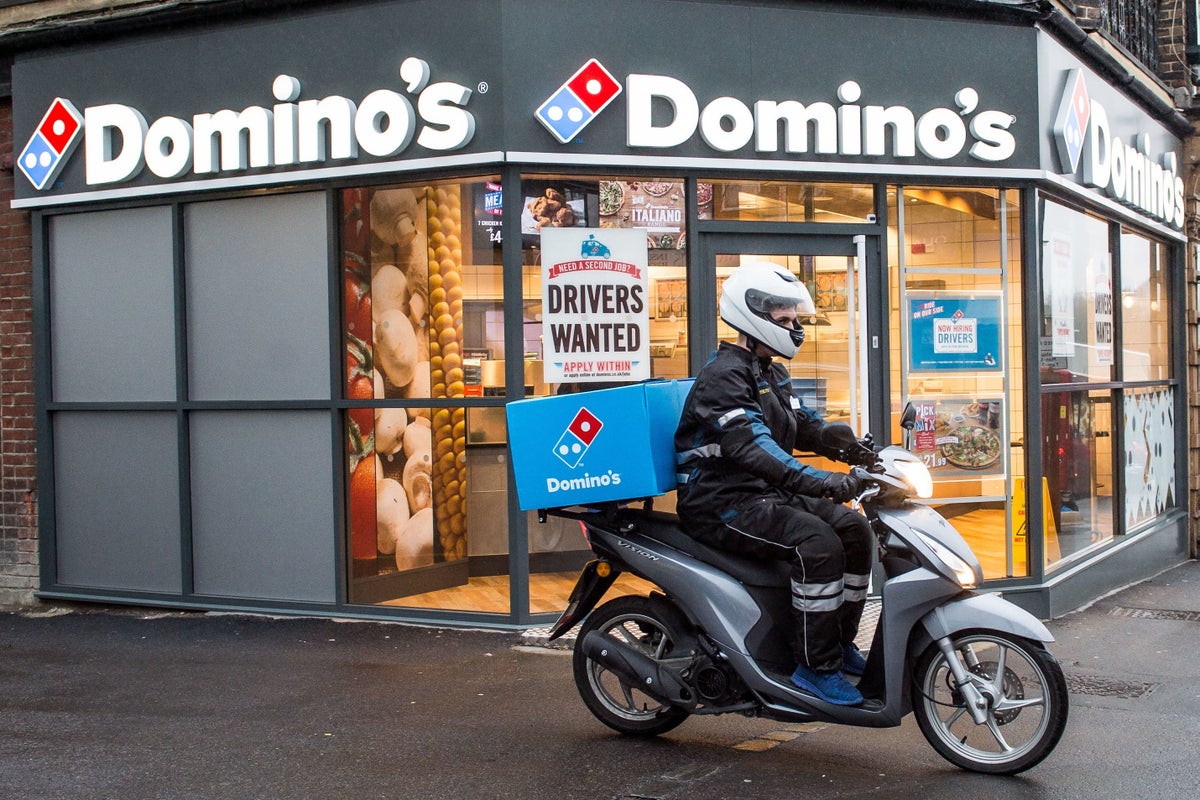
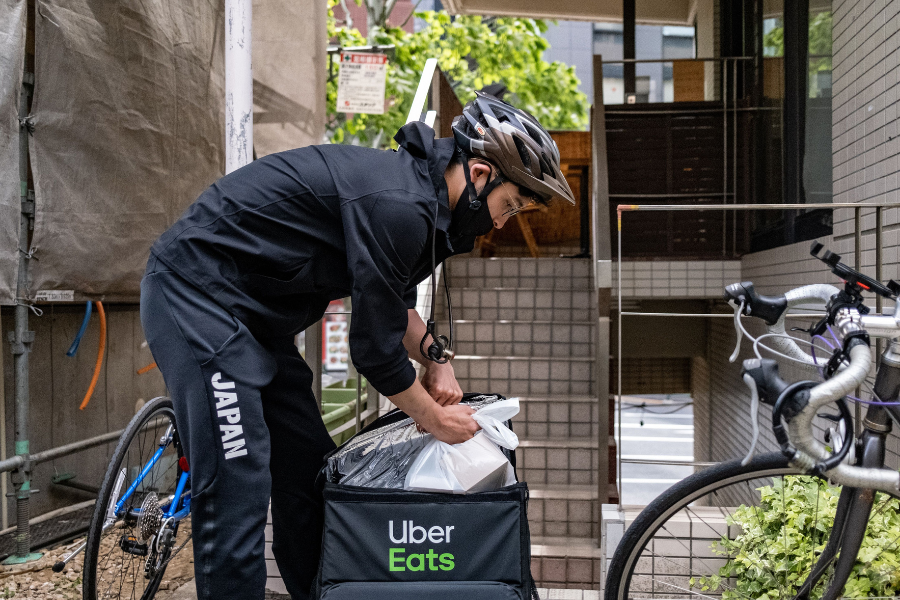
In a world where third-party delivery apps such as DoorDash and Uber Eats dominate restaurant to-go orders, most pizza places still carry on the tradition of using in-house drivers.
Why spurn the convenience of a third-party to hire in-house drivers? That’s a question that industry publication Restaurant Dive answered in a recent article about the staying power of pizza delivery drivers.
Turns out the secret sauce behind in-store delivery comes in four slices: fewer added costs and headaches, better customer service, higher food quality and faster delivery times.
Businesses that hire a third-party delivery service shoulder the new costs. That means restaurants are paying extra to be on DoorDash’s network, for example. Staying with their own drivers helps pizza shops and restaurants avoid those costs and platform headaches, Eruomonitor International Research Analyst Benji Bahenma told the Restaurant Dive.
And the two other benefits? Better customer service and food quality. Pizza chains that weren’t observed using a third-party delivery service earned better food and customer service scores than those that did, a January 2026 study from customer experience consultancy Intouch Insight found.
Warm pizza is the key to food satisfaction, the study noted. Pizzerias that were frequently observed using third-party delivery received food temperature scores that were 14 percentage points lower than stores that didn’t use third-party delivery.
The trend continued into overall satisfaction. Companies that were never observed using a third-party delivery service scored 10 percentage points higher than pizzerias that frequently used them.
Third parties also impacted delivery times. The study found that pizzerias using in-house drivers had an average delivery time of around 30 minutes, while companies that frequently used third parties took an average of around 38 minutes.
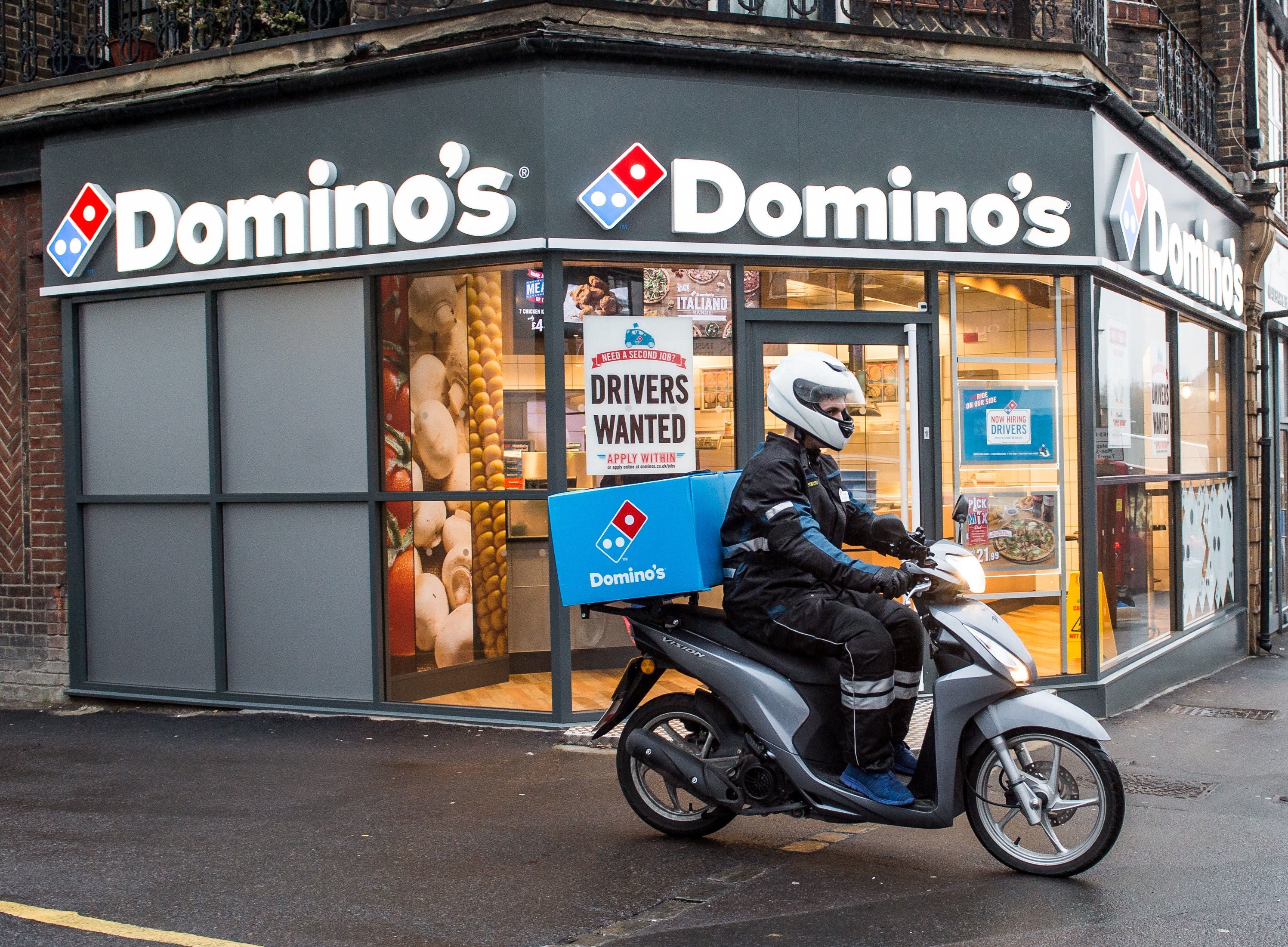
As for companies that rarely or don’t use third-party drivers, Domino’s led the way with a 96.6 percent in-house rate, followed by Papa John’s (82.2 percent), Hungry Howie’s (75 percent), Jet’s Pizza (71.5 percent) and Marco’s Pizza (69 percent), the study noted.
MOD Pizza, Blaze Pizza and Little Caesars all used third-party drivers more than their in-house drivers.
Medium-sized pizza operators had the most to gain from improving their delivery service, Intouch noted.
“For mid-sized operators, this year’s results point to the continued importance of protecting food quality and managing the delivery handoff,” the report concluded. “Temperature and taste had the strongest impact on satisfaction, and the data shows how easily these can drop when insulation or delivery routines falter.”
Whether large, medium or small, it’s important that pizza brands find ways to be efficient while protecting what makes the brand great, Bahenma told Restaurant Dive.
Third-party delivery should be a “tool in the toolbox” that pizzerias use, but that companies continue to invest in their own operations and employees to ensure they provide “the best experience” and build “long-term customer relationships,” he said.