

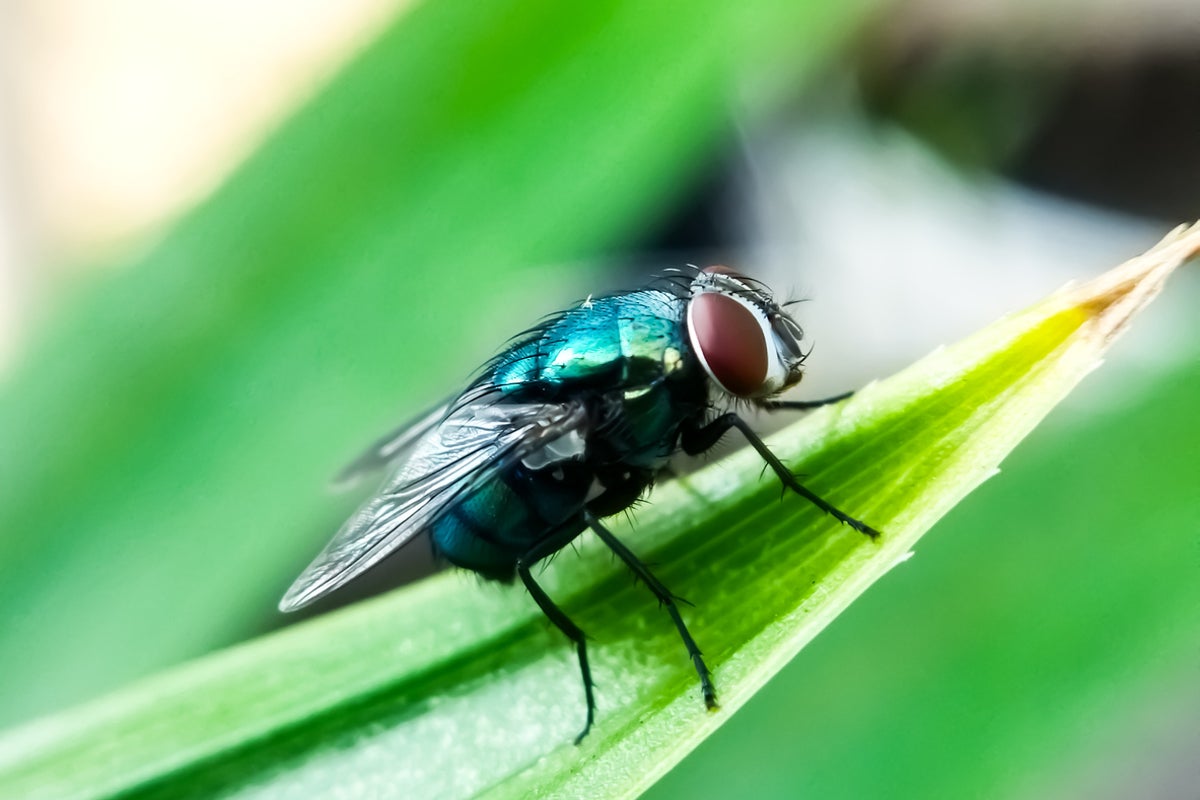
The cattle-killing New World screwworm that has been plaguing Mexican livestock has been found only an hour south of Texas’ southern border.
In the last four months, the parasite has moved 60 miles closer to the U.S. border, according to Chron.
“The threat of the New World screwworm is creeping dangerously close to our border,” Texas Agriculture Commissioner Sid Miller said Monday. “A confirmed case in Nuevo León, just about 60 miles from the United States, in a young calf is a flashing red warning sign we will not ignore.”
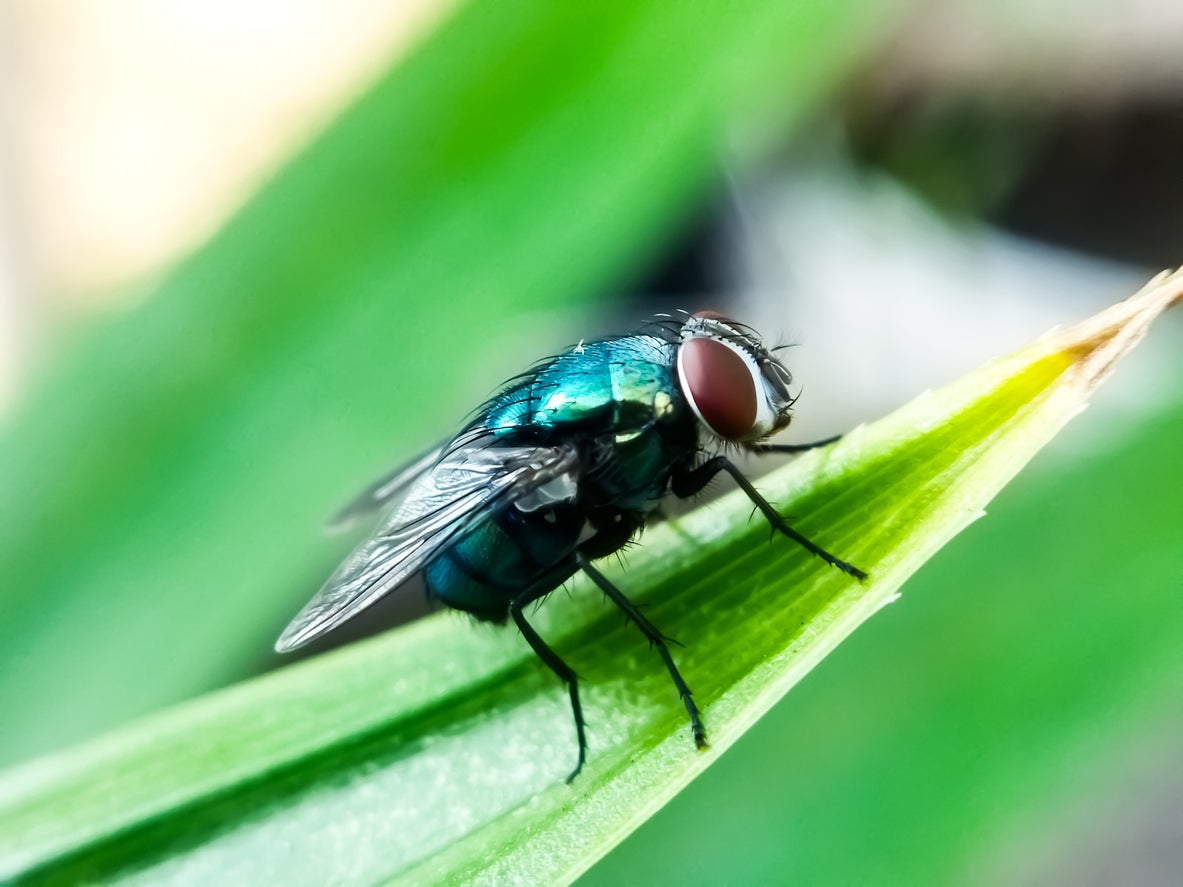
The New World screwworm fly—sometimes just called the New World screwworm—is a blowfly that lays its eggs inside wounds on warm-blooded animals. Its larvae eat the flesh of the animals, which not only can cause damage and raise the risk of infections, but also create fresh wounds that attract more of the flies.
Unlike other maggots, the New World screwworm’s offspring exclusively feed on living tissue, making the insects especially dangerous to cattle. If left untreated, the insects can kill animals.
Miller said that Texas officials have to go on the offensive to stop the insect from affecting U.S. livestock.
“That means ramping up surveillance, tightening coordination at the border, and making absolutely certain every available resource is deployed to stop this dangerous pest,” he said.
The current plan to deal with the flies is actually a tried-and-tested plan from the 1950s that worked to greatly reduce the screwworm population for decades.
Sterile insects are being introduced into the wild to mate with female flies, which will then lay eggs that are not fertilized. Screwworms typically only lay eggs once in their lifetime, meaning the method can greatly reduce the number of new flies being born and does so without a threat to livestock.
The method was used effectively in the 1950s, but officials have stressed it must be constantly monitored to ensure its success.
The U.S. Department of Agriculture and the U.S. Army Corps of Engineers broke ground on Friday for a new $750 million facility in Edinburg, Texas, with plans to produce 100 million sterile flies per week by November 2027.
Stephen Diebel, president of the Texas and Southwestern Cattle Raisers Association, celebrated the upcoming facility.
“It goes to show how these partnerships from the USDA level down to the state association level, the state agency level, can all work together for a common purpose,” he said, according to Brownfield Agricultural News.
Miller said Texas ranchers deserved to have the encroaching screwworm situation treated as a serious threat to their livelihoods.
“Our ranchers feed this country and fuel the Texas economy,” he added. “They deserve vigilance, urgency, and action. We’ve beaten the New World screwworm before, and we will beat it again, but only if we treat this threat with the seriousness it demands right now.”

.jpg?trim=0,0,0,0&width=1200&height=800&crop=1200:800 "Apparent human remains found in school chimney in New York City – UK Times")