

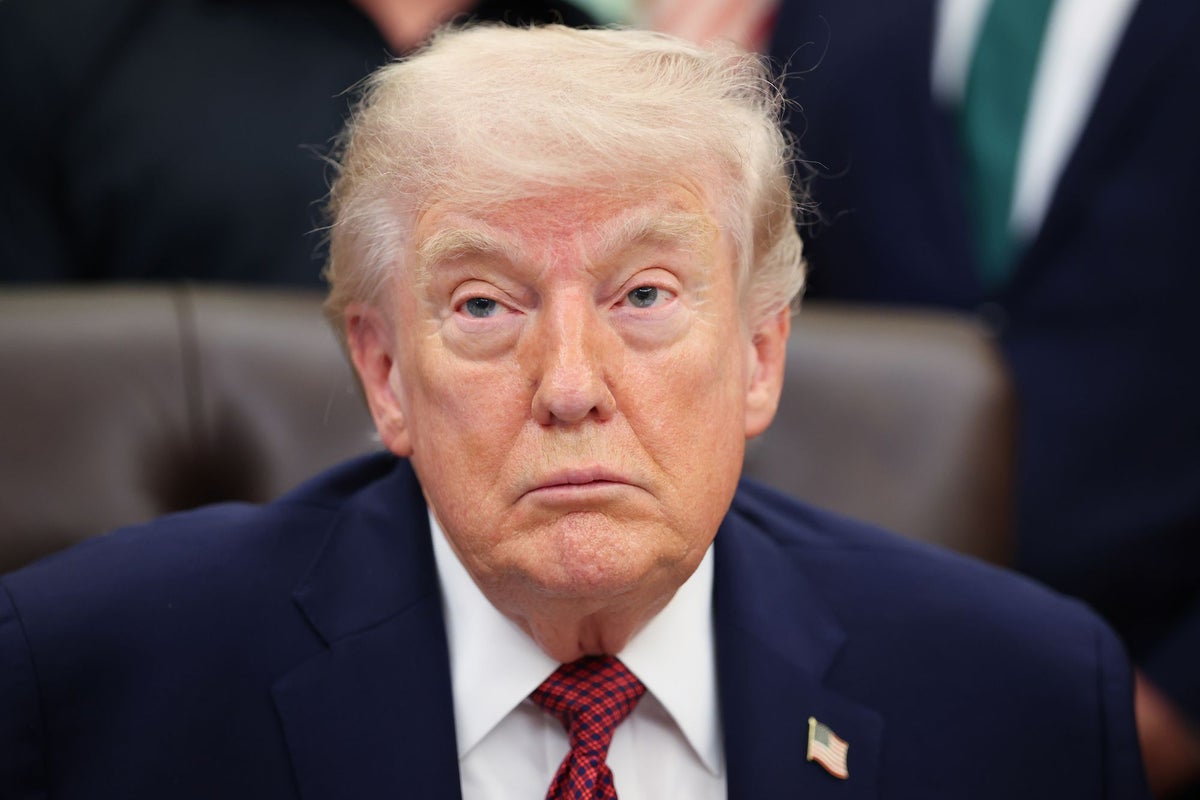
President Donald Trump on Tuesday said the U.S. would extend its ceasefire with Iran that was due to expire tomorrow, at the request of Pakistani authorities, despite having threatened hours earlier that, ‘I expect to bombing’ when asked if he’d agree to such an extension.
Writing on Truth Social, Trump said Pakistani Prime Minister Shehbaz Sharif and Field Marshal Asim Munir had asked him to put a hold on his bombing plans while further attributing the decision to “the fact that the Government of Iran is serious fractured.”
“We have been asked to hold our Attack on the Country of Iran until such time as their leaders and representatives can come up with a unified proposal,” Trump said.
He added that the American naval blockade on Iran’s ports would remain in place while the ceasefire continues “until such time as their proposal is submitted, and discussions are concluded, one way or the other.”
The president’s latest walk-back of his threats to resume the U.S. air campaign against Tehran comes less than a day after he told CNBC he was not inclined to agree to any extension of the ceasefire.
After he was asked by anchor Joe Kernen if he’d consider an extension during a telephone interview on the program Squawk Box, Trump replied: “I don’t want to do that. We don’t have that much time.”
“I expect to be bombing because I think that’s a better attitude to go in with. But we’re ready to go. I mean, the military is raring to go,” he said.
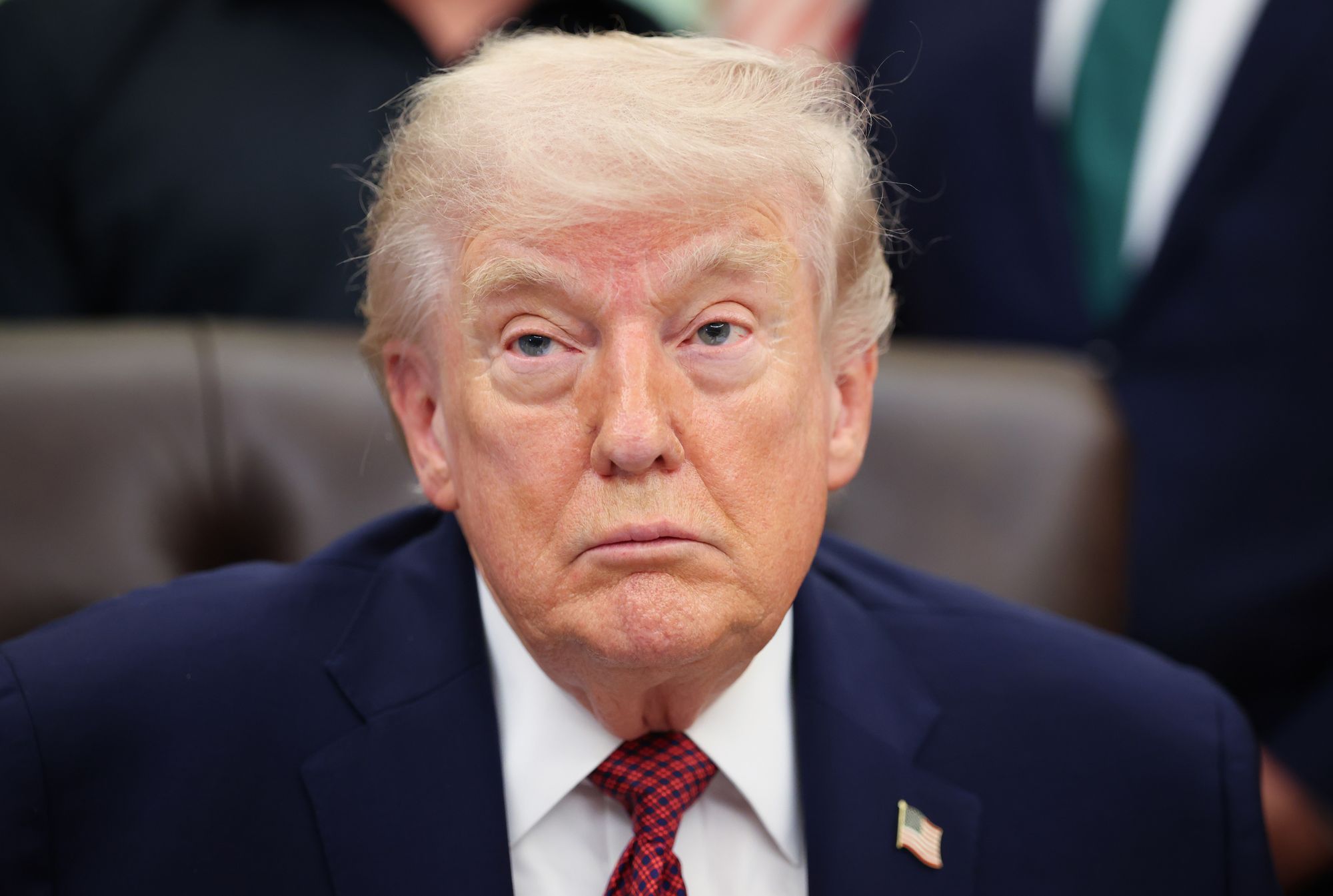
Trump had also told Bloomberg News it was “highly unlikely” that he’d agree to extend the ceasefire after its Wednesday expiration without a full agreement to end the nearly two-month-old war he started on February 28.
Although negotiations between the parties had been set to commence in Islamabad, Pakistan’s capital, the U.S. team that was slated to be led by Vice President JD Vance never left the U.S., and Vance remained at the White House all day on Tuesday in what officials described as a series of policy meetings.
For their part, Tehran’s negotiators had refused to participate in the sessions unless Trump had lifted the blockade of Iran’s ports.
In a post on X, Iranian Foreign Minister Abbas Araqchi called the blockade an “act of war” and therefore a violation of the ceasefire.
“Iran knows how to neutralise restrictions, how to defend its interests, and how to resist bullying,” he said.
Tuesday’s announcement is just the most recent in a series of reversals that have characterized Trump’s second bite at the apple of presidential power.
The pattern was established last April after his shambolic “liberation day” tariff rollout — he makes an outrageous threat on trade or another policy matter that is likely to cause the market to tumble before he inevitably walks back on that policy, leading to a market rebound.
For example, his so-called “Liberation Day” tariffs caused the markets to hit historic lows before he ordered a 90-day pause one week later, leading to record highs.
Traders even started using the acronym “TACO” — short for “Trump Always Chickens Out” — to describe the rapid policy shifts, borrowing the term first coined by Financial Times columnist Robert Armstrong last year.
The ceasefire extension echoes his decision to announce the ceasefire agreement on April 7, hours ahead of a self-imposed deadline before he ordered U.S. forces to bomb Iranian civilian infrastructure.
Days earlier, he’d declared the day “Power Plant Day” and “Bridge Day” for U.S. armed forces unless Iran would “Open the F***in’ Strait, you crazy b*****ds,” lest they be “living in Hell.”
He later threatened that Iran’s “entire civilization” would “die tonight, never to be brought back again,” implying that the U.S. would commit genocide against the Iranian people unless their government capitulated to his terms.