




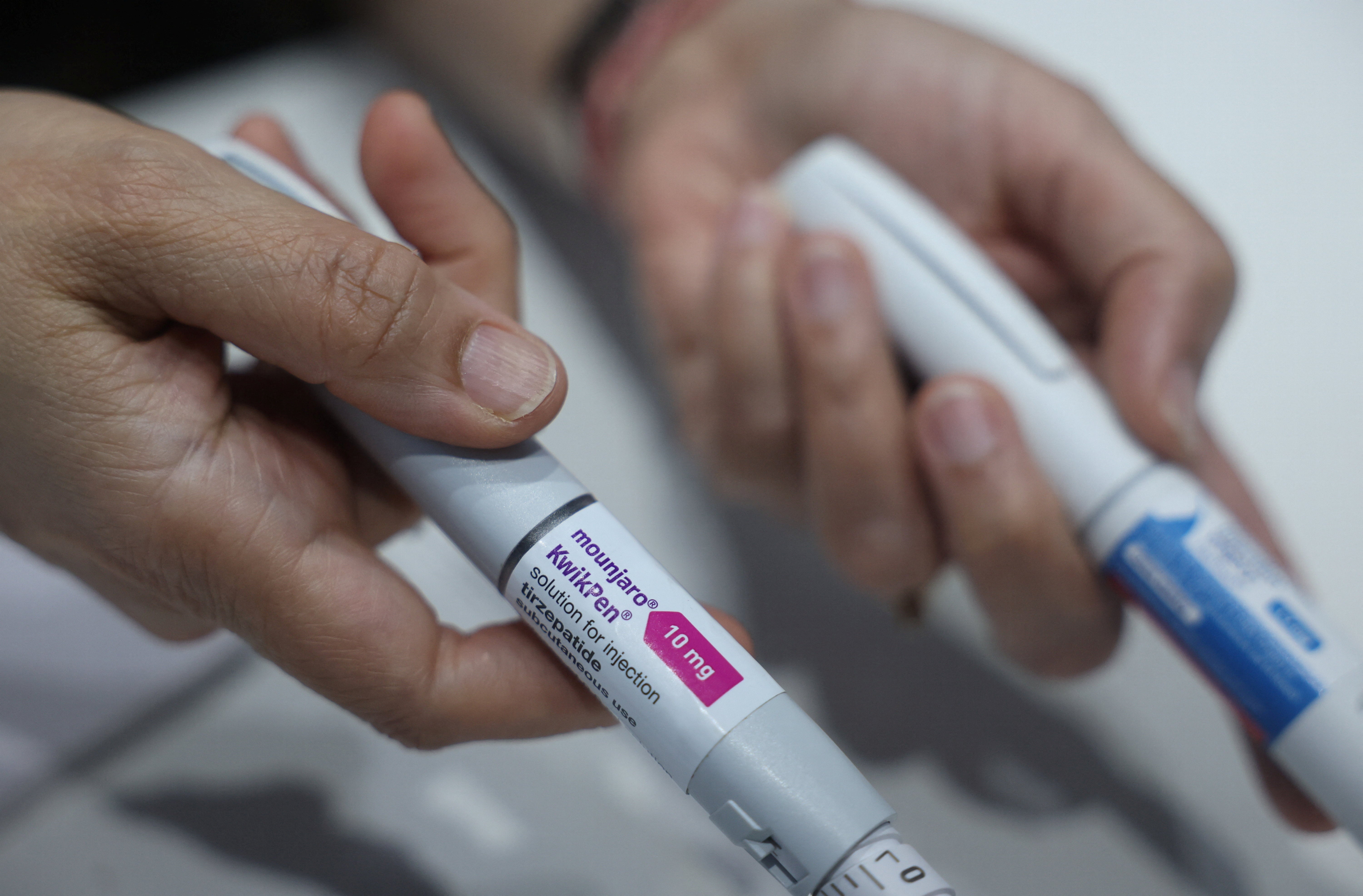
Weight-loss drugs such as Wegovy and Mounjaro are taken by an estimated 2.4 million Britons but scientists have found they may not deliver rapid results for everyone.
The injections, also known as GLP-1 receptor agonists, work by mimicking the natural hormone which regulates blood sugar, appetite and digestion.
However, the so-called miracle drugs do not work as well for one in ten people due to certain genetic variants, a study by Stanford Medicine scientists suggests.
Genetic variants which are held by about 10 per cent of the population cause a reaction which researchers refer to as GLP-1 resistance.
It causes levels of the GLP-1 hormone, which helps to regulate blood sugar, to be higher but less biologically effective – meaning they need more GLP-1 to have the same biological effect.

Ro Huntriss, a registered dietitian who works with people on GLP-1 treatment, warned weight loss on these drugs sits on a “spectrum” and there are potential genetic influences that can change the way the body responds.
While most people will lose between 10 and 20 per cent of their body weight, some people may only lose 5 per cent, Ms Huntriss explained.
“People with type 2 diabetes, as an example, tend to lose less weight on average than people again who are more metabolically healthy. I think this narrative isn’t necessarily communicated,” she told The Independent.
For the study, published in the journal Genome Medicine, researchers focused on a genetic variant that changes an enzyme known as PAM (peptidyl-glycine alpha-amidating monooxygenase), which activates GLP-1 and is more common in people with diabetes.
When researchers examined people with a PAM variant they expected they would have lower GLP-1 levels, but they found elevated GLP-1 and slower than expected reductions in blood sugar.
Ms Huntriss added: “Although the science is in its infancy, this research supports the idea that, in some cases, variability in response may be influenced by biological factors beyond adherence or effort.
“But the science is certainly too early to be recommending genetic testing to individuals to understand the likelihood of success on GLP-1s.”
However, she believes this resistance is just one piece of the puzzle and that “things are likely to be multifactorial.”
Factors such as insulin resistance, differences in dopamine and reward sensitivity, diet, lifestyle, and medication management all play a role in how well the drugs work for weight loss.
Ms Huntriss explained relying just on a GLP-1 for weight loss may not be enough – eating plenty of protein, fibre and a having lower calorie intake also helps.
“Our dietary habits still need to change, our calorie intake needs to be significantly lower than what it was, to lose weight,” she said.
“Eating the right diet can actually drastically reduce the side effects, which then means adherence is greater, which then means the weight loss is better,” she added.
Ms Huntriss accepts that while GLP-1s work for the majority of people, they may not be appropriate for everyone.
“If the desired results aren’t achieved, the bottom line is between the patient and practitioner to understand: ‘is this working for me’, and if it’s not, and no more can be done from the behavioural and medication management point of view, then GLP-1s may not be the most appropriate medication for that person,” she said.