A system designed to refund businesses for tariffs imposed by Donald Trump, which the US Supreme Court subsequently ruled were unconstitutional, is scheduled to start on Monday.
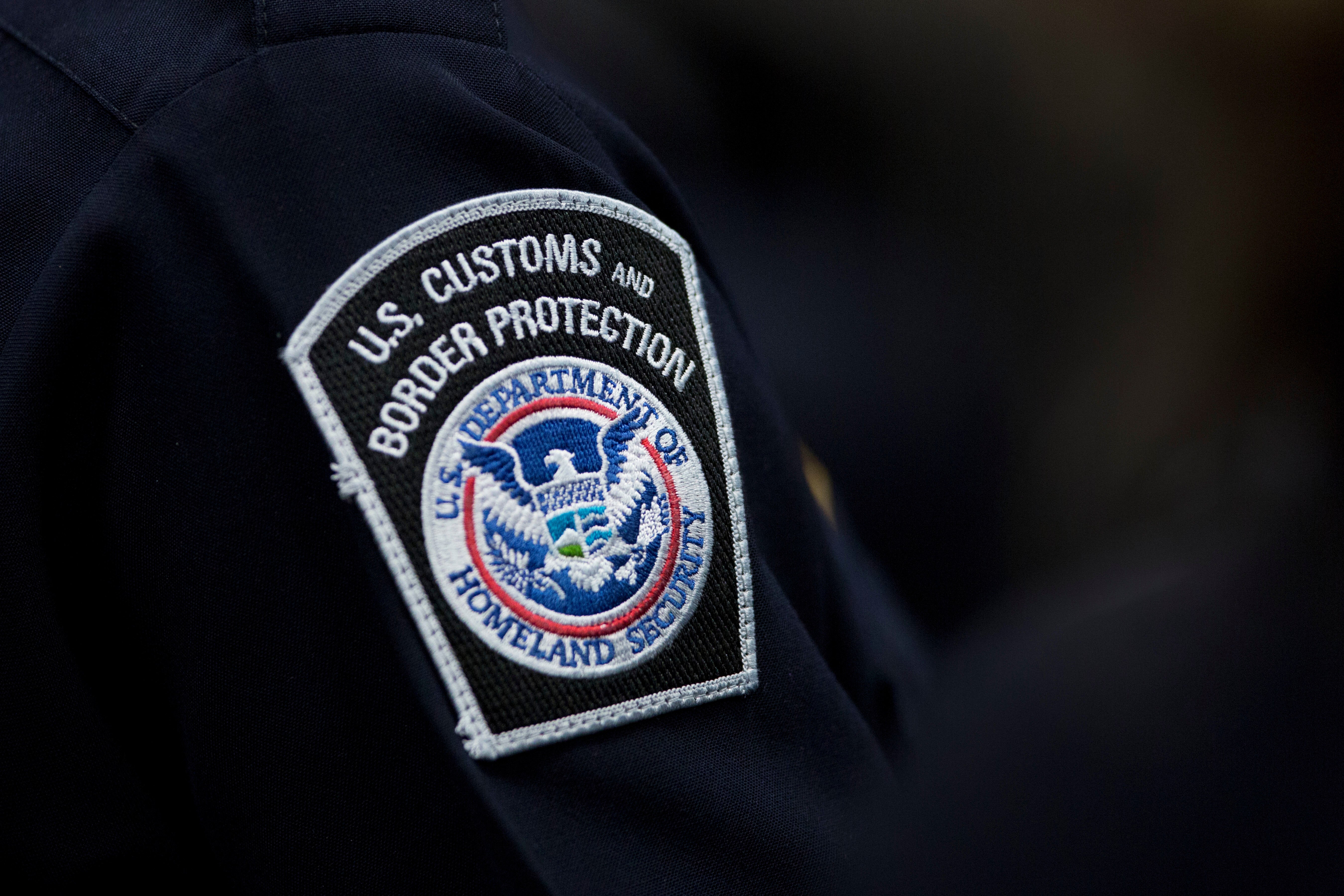
Importers and their brokers will be able to submit claims through an online portal from 8 a.m., according to US Customs and Border Protection (CBP), the agency tasked with administering the new scheme. This marks the initial phase of a complex process that could eventually lead to refunds for consumers who were charged for some or all of these tariffs on products imported from outside the United States.
Companies are required to submit declarations detailing the goods on which they collectively paid billions of dollars in import taxes, which the court later invalidated. Should CBP approve a claim, a refund is expected to be issued within 60 to 90 days, the agency stated.
The government anticipates processing refunds in phases, initially focusing on more recent tariff payments. Various technical factors and procedural issues could delay an importer’s application, meaning any reimbursements businesses plan to pass on to customers are likely to trickle down slowly.
In a 6-3 decision on 20 February, the Supreme Court found that Mr Trump usurped Congress’ tax-setting authority last April. He had set new import tax rates on products from almost every other country, citing the US trade deficit as a national emergency that warranted invoking a 1977 emergency powers law, the International Emergency Economic Powers Act (IEEPA). Although the court majority did not address refunds in its ruling, a judge at the US Court of International Trade determined last month that companies subjected to IEEPA tariffs were entitled to them.
Customs and Border Protection said in court filings that over 330,000 importers paid a total of about $166 billion on over 53 million shipments.
Not all of those orders quality for the first phase of the refund system’s rollout, which is limited to cases in which tariffs were estimated but not finalized or within 80 days of receiving a final accounting.
To receive refunds, importers have to register for the CPB’s electronic payment system. As of April 14, 56,497 importers had completed registration and were eligible for refunds totaling $127 billion, including interest, the agency said.
Meghann Supino, a partner at Ice Miller, said the law firm has advised clients to carefully list in their declarations all of the document numbers for forms that went to CBP to describe imported goods and their value.
“If there is an entry on that file that does not qualify, it may cause the entire entry to be rejected or that line item might be rejected by Customs,” she said.
Supino thinks the portal going live will require composure as well as diligence.
“Like any electronic online program that goes live with a lot of interest, I would expect that there might be some hiccups with the program on Monday,” she said. “So we continue to ask everyone to be patient, because we think that patience will pay off.”
Nghi Huynh, the partner-in-charge of transfer pricing at accounting and consulting firm Armanino, said most companies claiming refunds will have imported a mix of items, and not all will qualify right away.
“It’s about having a clear process in place and keeping track of what’s been submitted and what’s been paid, so nothing falls through the cracks,” she said. “Each file can include thousands of entries, but accuracy is critical, as submissions can be rejected if formatting or data is incorrect.”
Small businesses have eagerly awaited the chance to apply for refunds. Brad Jackson, co-founder of After Action Cigars in Rochester, Minnesota, said he starting compiling records and preparing to enter information into the system the minute CPB announced the launch date.
The company imports cigars and accessories from Nicaragua and the Dominican Republic. Last year, it paid $34,000 in tariffs and absorbed much of the cost instead of raising customer prices, Jackson said.
Last spring, he had a two-week delay in a shipment due to a missing document, so he is being more careful with refund documents, he said.
“My main concern is the turnaround time,” Jackson said. “A refund process that takes several months to complete doesn’t solve the cash flow problem that it is supposed to fix.”
Will consumers see refunds?
Tariffs are paid by importers, and some companies pass on the tax costs to consumers via higher prices.
The system starting up Monday will refund tariffs directly to the businesses that paid them, which are not obligated to share the proceeds with customers. However, class-action lawsuits that aim to force companies, ranging from Costco to Ray-Ban maker Essilor Luxottica, to reimburse shoppers are winding their way through the U.S. legal system.
Individuals may be more likely to receive refunds from delivery companies like FedEx and UPS, which collected tariffs on imports directly from consumers. FedEx has said it would return tariff refunds to customers when it receives them from the CPB.
“Supporting our customers as they navigate regulatory changes remains our top priority,” FedEx said in a statement. “We are working with our customers as CBP begins processing refunds and plan to begin filing claims on April 20.”