



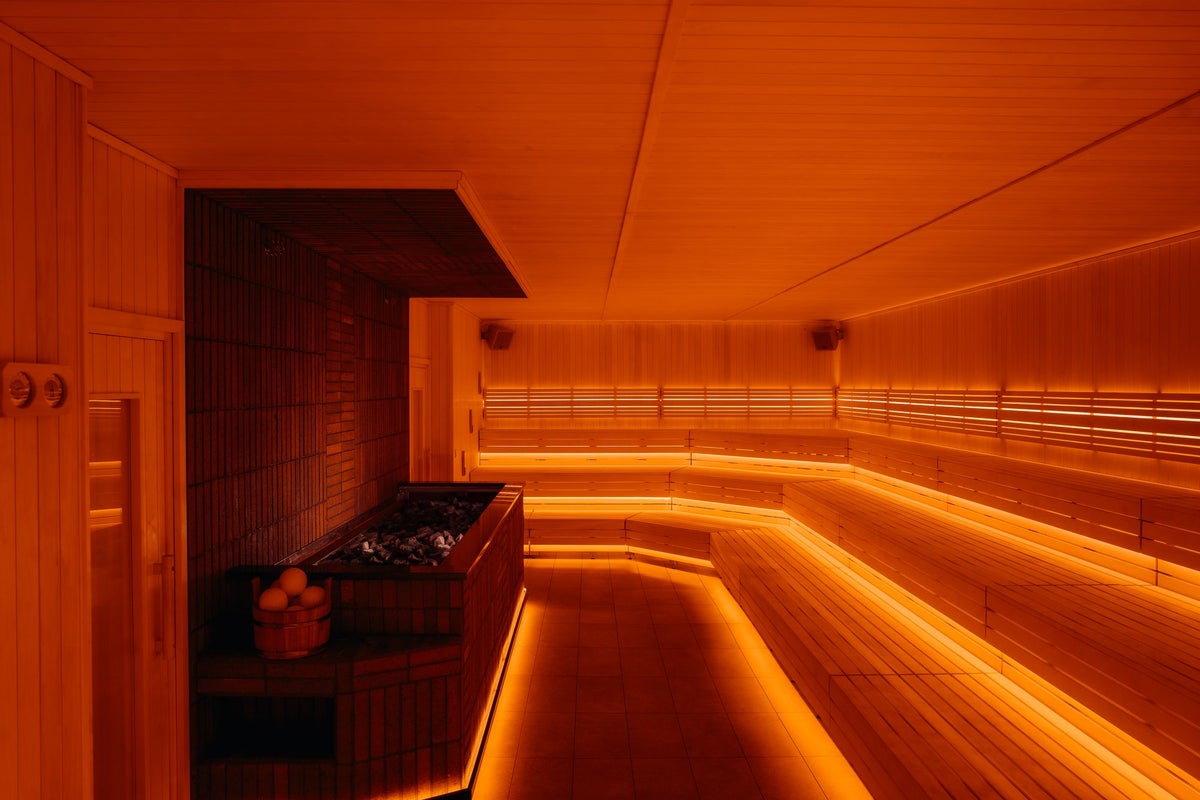
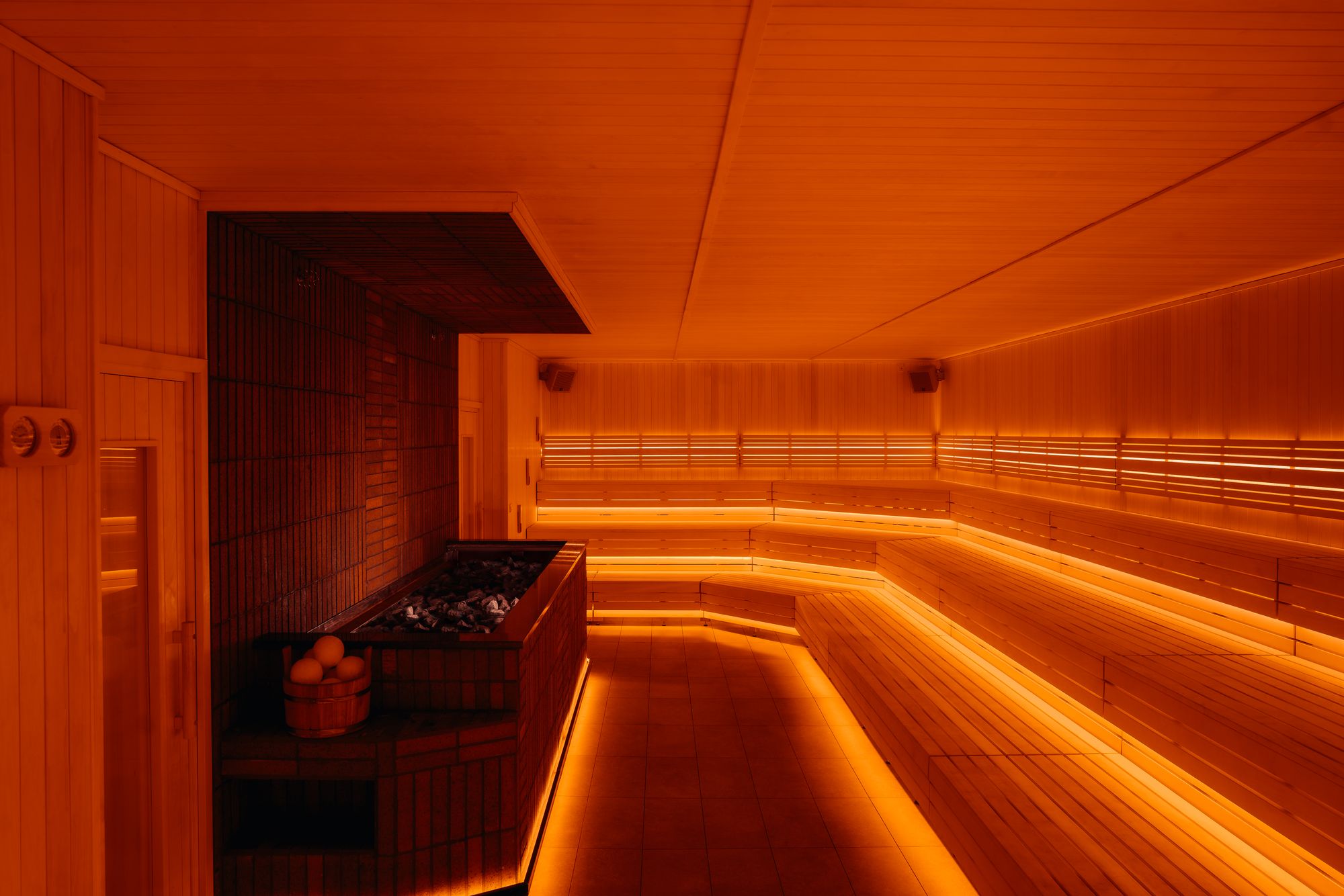
There is no concept of time here. I’m only vaguely aware of the 64 people around me, eyes squeezed shut as sweat beads on my skin. We are — all of us — inside the massive, 185-degree sauna at Othership — one of a growing number of New York “wellness clubs.” These members-only spaces are designed to improve physical and mental well-being and drive connections, or so they say. The group’s loud exhales get faster and deeper by the minute. I squint open an eye to see an impossibly muscular instructor wafting a towel aggressively, heaving avalanches of hot air over us.
The instructor asks us to dig deep and share something we’re grateful for. A poreless woman raises her hand to say she’s left a toxic job. The room breaks into applause. Another, her voice tight, says she’s trying to be more confident. Applause again. Behind me, a man says he’s grateful to be here, in a sauna full of strangers. More applause. This is “Guided Gratitude,” one of a slate of wellness classes where stressed New Yorkers are encouraged to bare their souls — at a price.
Marketed to young professionals via aesthetically pleasing Instagram adverts filled with buzzwords like “community”, “resetting your energy,” and “connection,” Othership is just one of the city’s new wellness clubs. A membership here costs up to $333 a month, depending on which branch you visit and how often you go. Stress-reducing amenities include large performance saunas, ice baths and a lounge with complimentary tea on offer. But are members actually finding connection — or simply paying a premium for the illusion of it? After Guided Gratitude, I expected a thrum of conversation as strangers lingered, buoyed by shared vulnerability. Instead, the room emptied quickly — towels gathered, eyes averted — and whatever intimacy had been conjured in the heat seemed to dissipate just as fast.
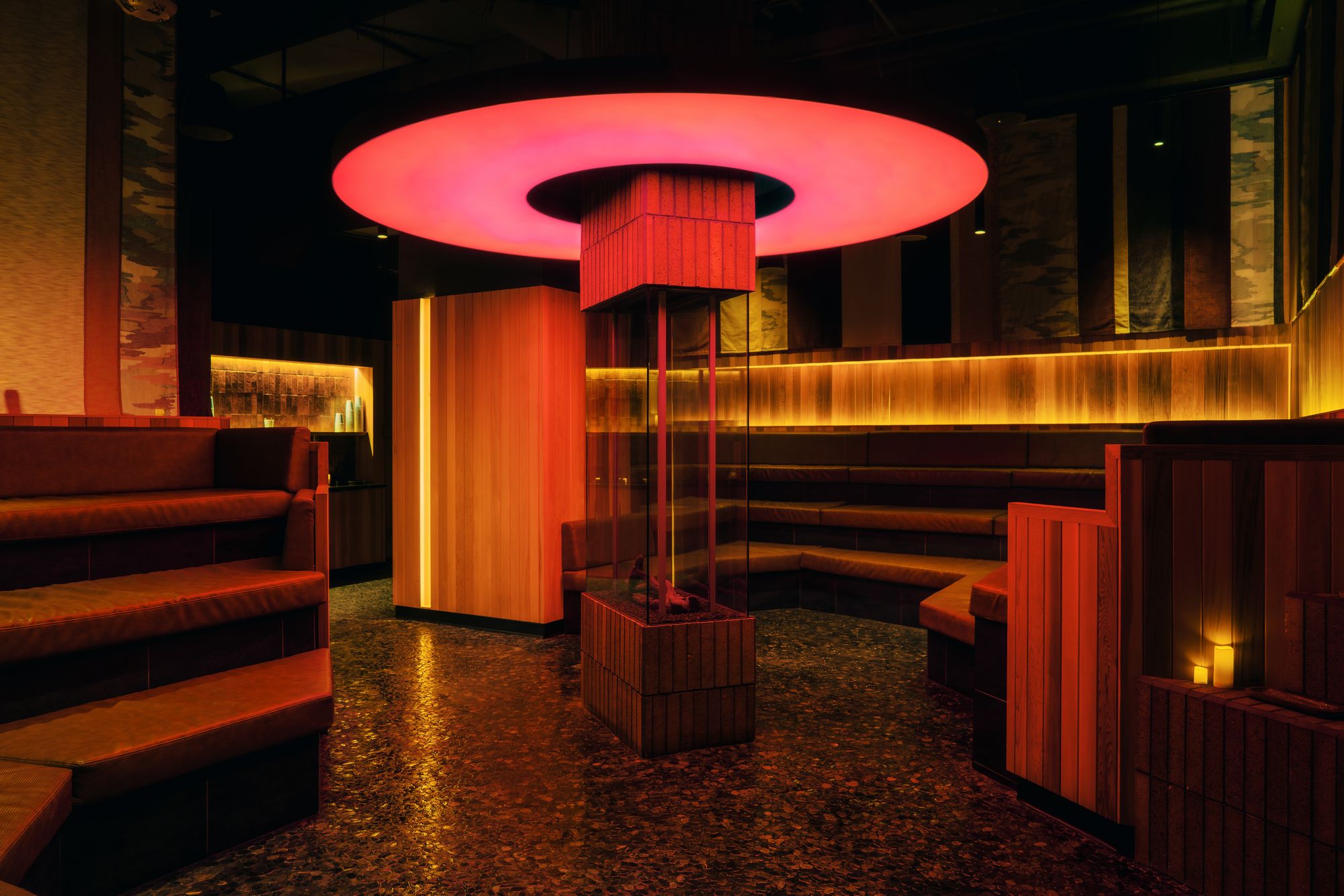
Not everyone’s experience was like mine, however. 28-year-old Glowbar executive Adam Farber visits Othership six times a week and credits the classes for making him a more patient person and helping him sleep through the night. He’s also made five like-minded friends along the way. “You’re not going because you want to drink and party. You’re going because you want to feel good and take care of yourself,” says Farber. “What’s different, compared to my other friendships, is that people at Othership all share the elective investment into wellness.”
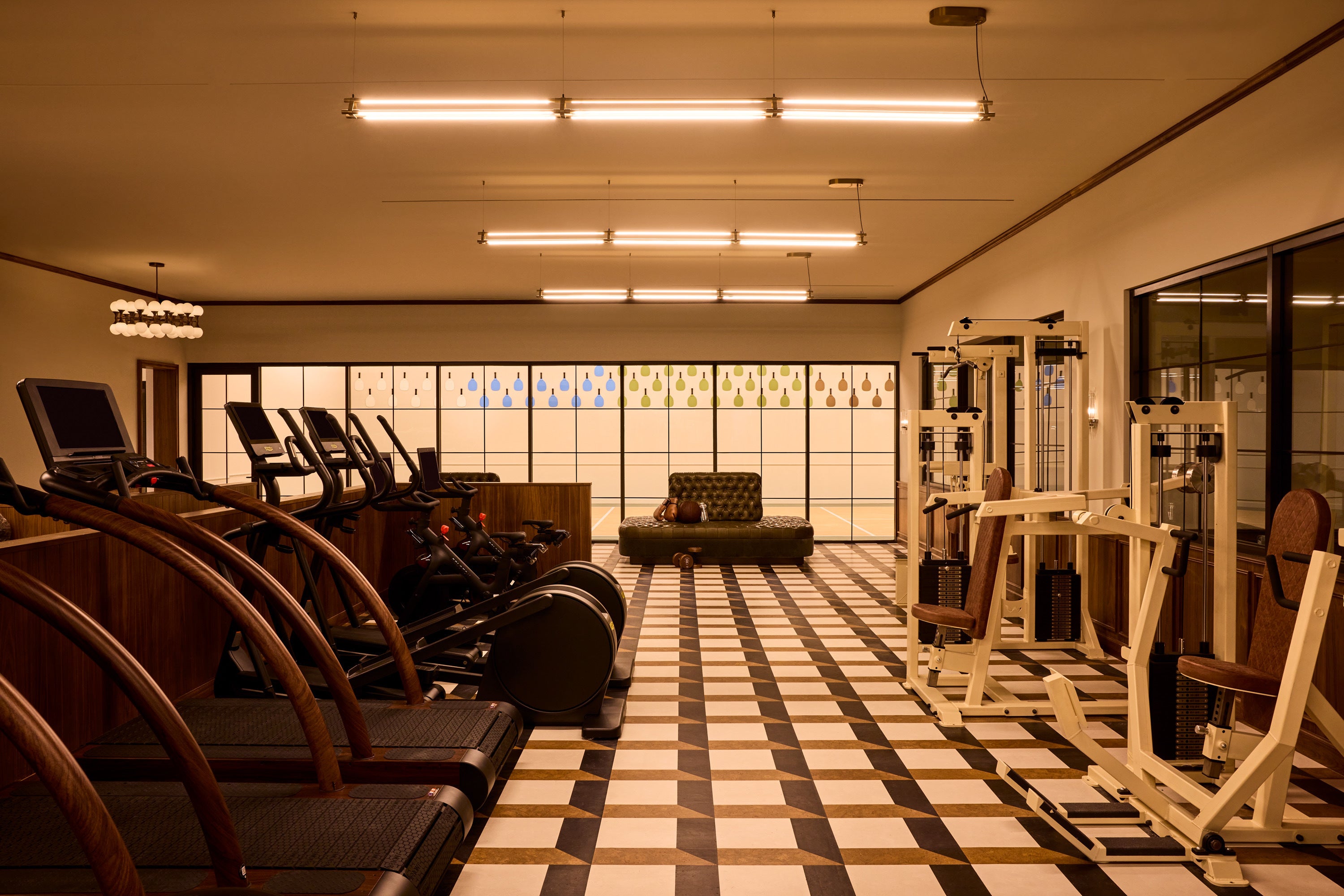
Next on my list was Moss NYC, a five-story members-only club in midtown Manhattan that has its own bars and restaurants, as well as a two-floor wellness space (called Bedrock Aquatics & Athletics) for a handsome sum of $480 month and an initiation fee of $1,500. Similar to Othership, it promises “innovative group offerings” that “foster social connection.” I visited the gym, which put my local Planet Fitness to shame with its bespoke equipment and buttonback armchairs littered around. The massive space had a brown leather booth for workout breaks, floor-to-ceiling glass windows in front of an indoor pickleball court, and dumbbells with a wooden finish.
In the women’s changing room, a fluffy bathrobe, towel and flip-flops were already waiting in my locker. On the other side of the room, a row of brown-framed mirrors set against a white marble counter offered a place for pampering. I perched on an ottoman and idly sifted through the neatly arranged samples of moisturizers, cleansers and eye creams — all from brands I’d never heard of.
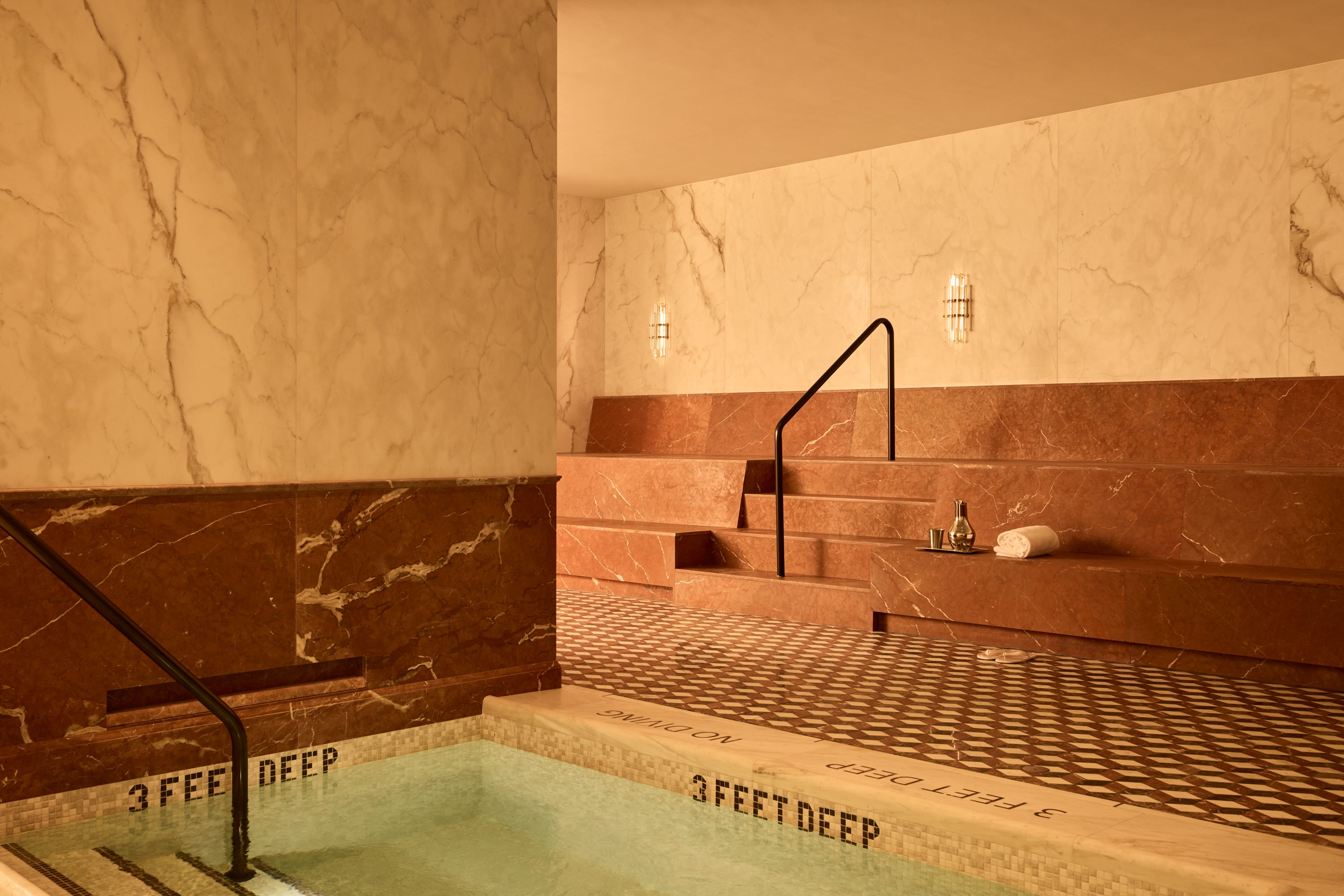
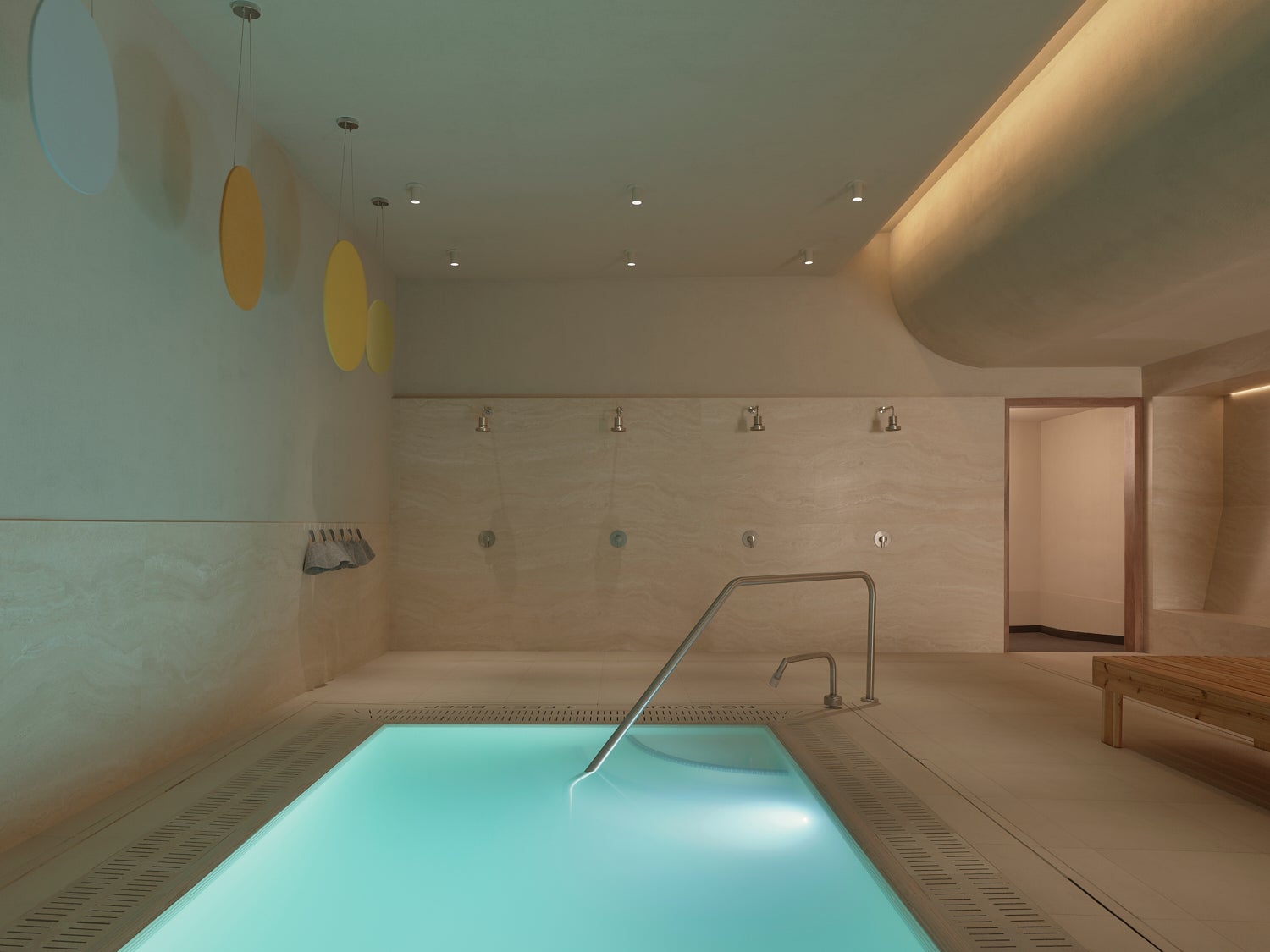
I made my way to the bathhouse, home to a gleaming vitality pool, a marble hot tub and a steam room with a solid stone bench. But my excitement ebbed when I spotted a sign banning conversation — not exactly a hotbed for connection. Julie Wandzilak, Head of Physical Culture at Bedrock, argues that friendships usually form at the gym through repeated visits. “I think we create a really good environment, specifically on the gym floor, of curating some type of connection,” she says. “Whether that’s with a trainer out on the floor or one of our Pilates instructors introducing the people they’ve trained to one another.”
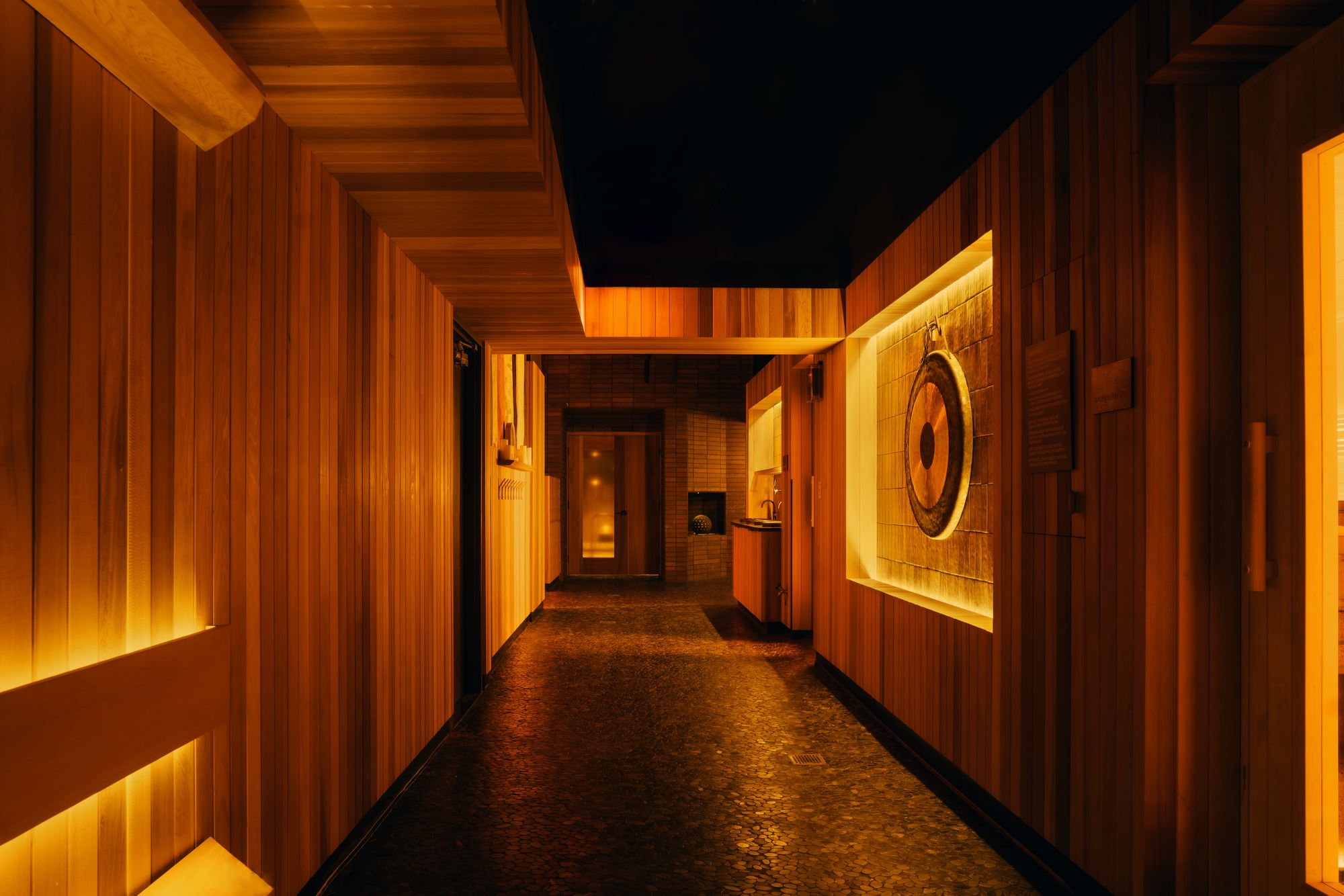
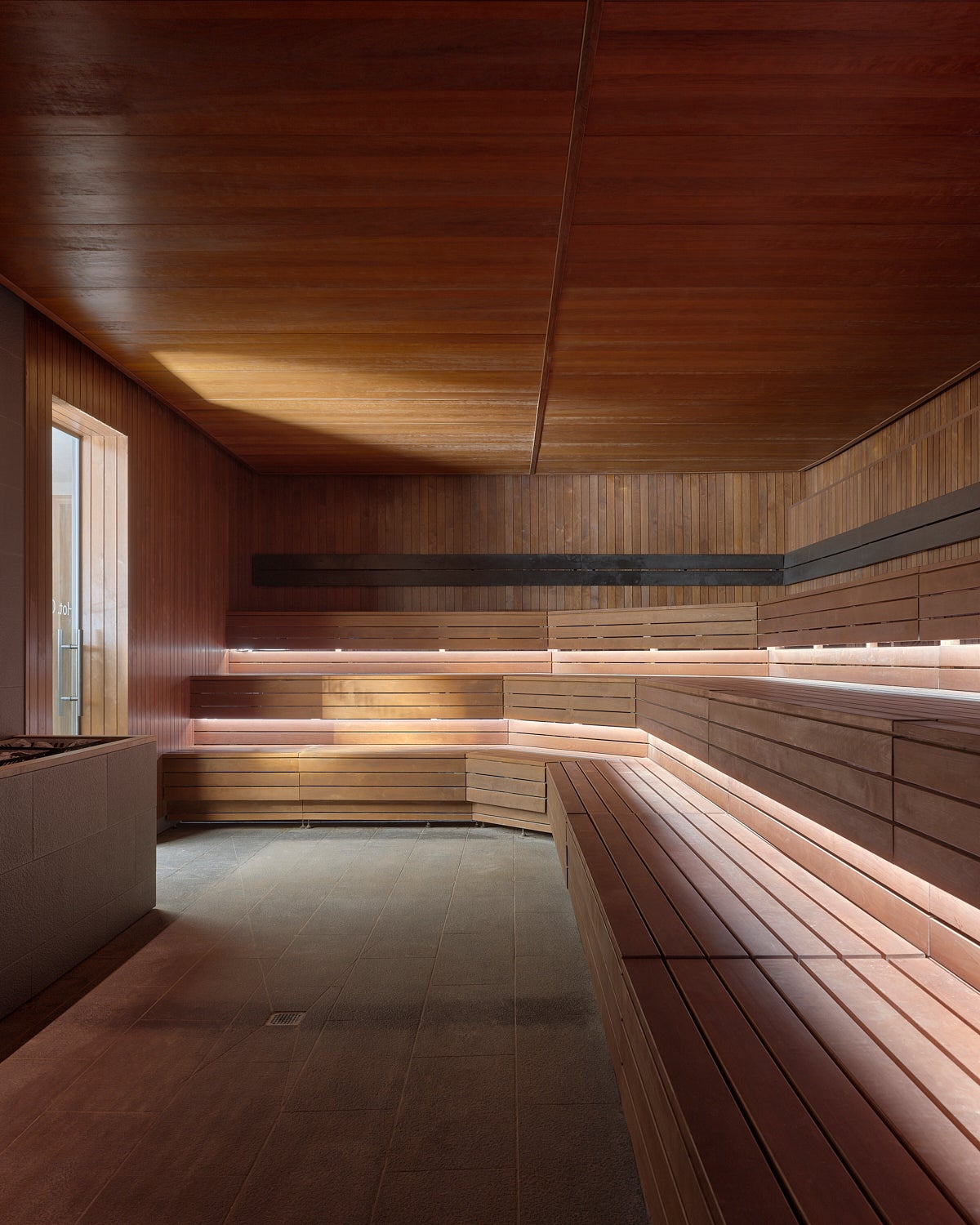
Last on my list was Lore Bathing Club in NoHo, a two-storey space featuring two saunas — one lined with cedar benches, the other lit with infrared panels — alongside a communal cold plunge. While still luxurious — there is no shortage of marble here — it has a cozier, more welcoming feel than the more in-your-face opulence of Othership and Moss. It’s also the cheapest of the three, with membership costing $225 a month.
I spoke to two members, 32-year-old Arjan Singh and 37-year-old Maggy Rogow, who both joined Lore in November and are pleased with the results they’ve seen in regard to making friends and feeling “well.” Singh says he joined because he developed a love of sauna and cold plunge; the social aspect is just a bonus. “It’s been more about reconnecting with people I already know — running into acquaintances I hadn’t seen in a while and catching up,” he tells me. “That’s been a really nice, organic part of the experience and has led us to grab a bite after.”
Similarly, Row says she relies on Lore to keep her seasonal affective disorder under control during the winter. Making friends has been an extra perk for Rogow, too. “Striking up conversations kind of comes naturally at Lore,” she says. “I get very socially anxious, but I don’t for some reason in that environment because everyone’s a little more vulnerable, such as by bathing suit and a towel. I think that just removes some of the social armor that I have up.”
You can see why wellness clubs like these are selling their businesses alongside the word “community” so often — America is grappling with a loneliness epidemic. Last year, the American Psychological Association found that more than six in 10 adults reported feeling lonely, while half or more said they felt isolated, left out, or like they lacked companionship often or some of the time.
Wellness clubs like this aren’t an option for many of us financially — but they can be good remedies for those who can afford it, says Dr. MaryEllen Eller, a board-certified psychiatrist in Tennessee and the Regional Medical Director at Radial, a specialized mental healthcare provider. She applauds the clubs for providing an environment to facilitate connections with strangers who have something in common, but wants to remind people it’s a luxury. “This is not the only pathway to address loneliness or build relationships or community,” she says. “You can show up to a wellness club that offers everything and you can walk out having paid a lot of money and gained nothing from it.”
Eller recommends searching for meet-up groups on Instagram or Facebook, ones centred around a creative activity. “If you’re super into yoga, doing that once a month in the park could be a good way to meet some friends,” she says. “You want to find a community with which you have something in common. Something that you can be passionate about and look forward to doing.”
Wellness clubs promise an escape from the everyday, but after my visits, they wouldn’t be my go-to for making friends — even if money were no object. I’ve always been fortunate enough to find it easy to meet people at a party or a bar, so why pay for the chance of connection here? In the saunas I visited, at least, it felt like people were turned inward, focused on their own well-being rather than engaging with anyone else.
These clubs exist at the tricky intersection of self-care and commodification, one that requires a healthy bit of skepticism when you’re considering parting ways with hundreds of dollars per month. While the physical benefits are undeniable — better sleep, stress relief and a break from city life — the promise of community feels less consistent. These clubs may provide one glossy, premium method for feeling better about the stresses of modern life, but no cure is guaranteed.
.jpeg?trim=33,0,34,0&width=1200&height=800&crop=1200:800 "Premier League has clinched fifth Champions League spot – but could get another – UK Times")