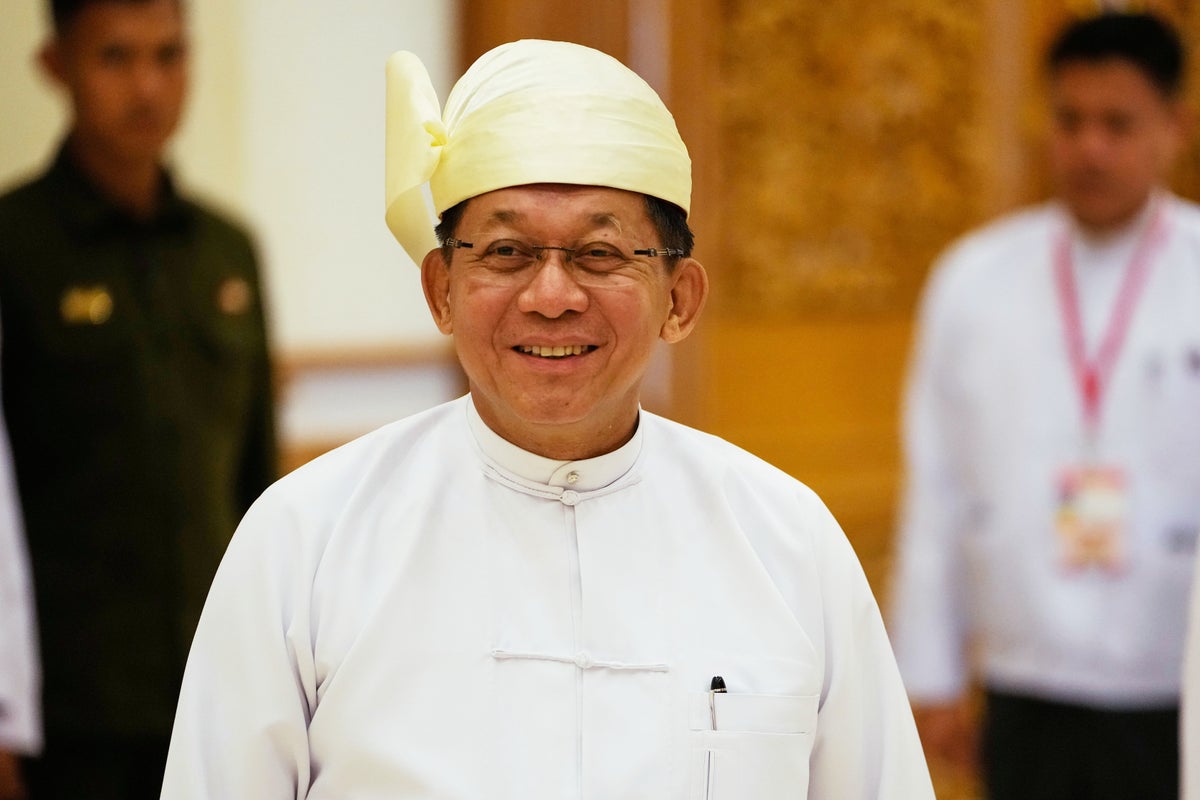
Earlier this month in Myanmar, dozens of the country’s most senior military leaders swapped their uniforms for civilian clothing. The shift is cosmetic rather than transformative, a recalibration of power that could have wide-ranging consequences for both the Southeast Asian country and its place in the world.
Min Aung Hlaing, 69, was sworn in on Friday to lead the country from the nominally civilian post of president, after roughly half a decade of ruling by diktat following his seizure of power in a military coup.
Clad in a white taikpon jacket and traditional headgear, the former general and architect of the 2021 coup that overthrew Aung Sun Suu Kyi’s government, cast his presidency as the restoration of democracy and prosperity. “Myanmar has returned to the path of democracy and is heading toward a better future,” he said in his first speech after taking the oath.
And yet the ceremony itself was held under heavy security, with bomb squads patrolling the capital’s streets and multiple checkpoints blocking access to hotels. Min Aung Hlaing himself acknowledged the “many challenges” still facing the country.
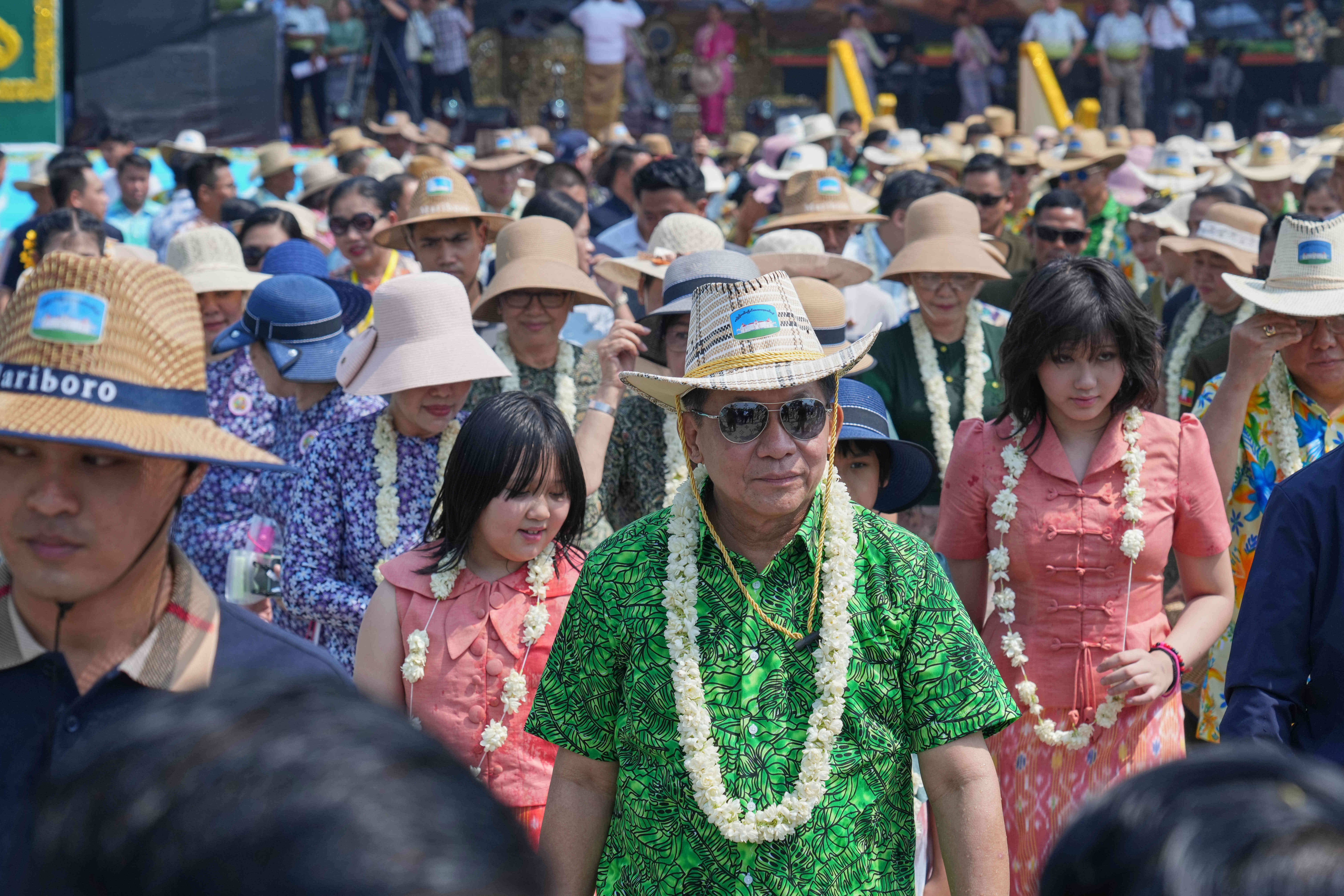
His transition from coup leader to civilian president is part of an orchestrated strategy to consolidate the military’s grip on power and gain international legitimacy that eluded it while ruling by decree.
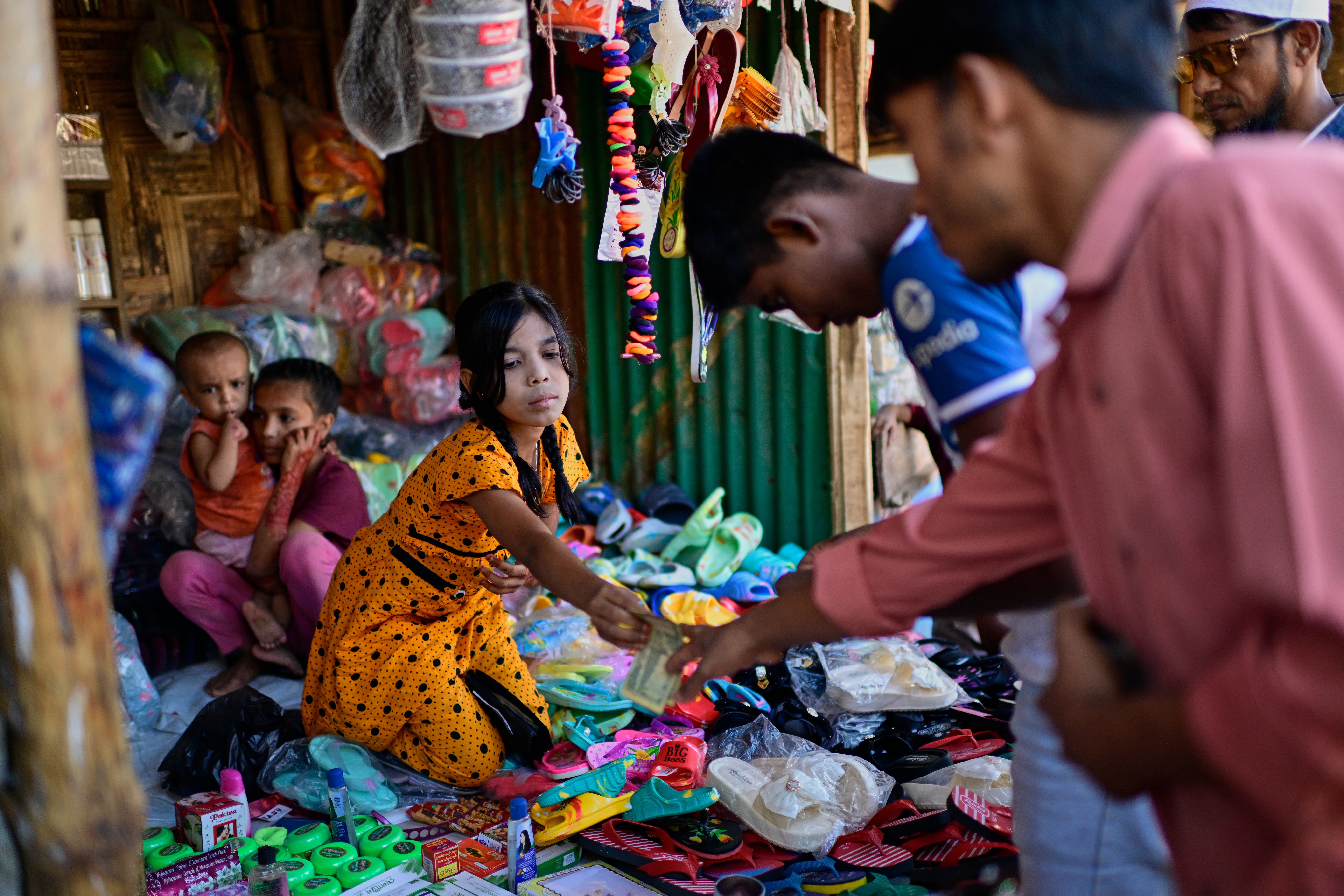
The president arrives with a record stained by allegations of genocide against the Rohingya, a Muslim ethnic minority from Rakhine State persecuted into fleeing the country.
He faces an International Criminal Court warrant for crimes against humanity, a genocide case at the International Court of Justice and a universal jurisdiction case in Argentina, all linked to the military’s deadly campaign of repression against the Rohingya, most of whom now live as refugees in Bangladesh, Malaysia, and Pakistan. He remains sanctioned by the UK, US, and the EU.
“Whether Min Aung Hlaing is described as Myanmar’s president or as a senior general, the facts remain the same,” John Quinley III, director of Fortify Rights, argues. “He was the main commander responsible for the genocidal crimes committed against the Rohingya in 2016 and 2017. There was clear genocidal intent in the atrocities he oversaw and perpetrated.”
Analysts view the institution of the presidency less as a reform and more as a bid by the former general to secure his personal power and seek international acceptance without ceding real control.
Hunter Marston, a non-resident fellow with the Institute for Global Affairs, tells The Independent that Min Aung Hlaing is already stacking influential positions with loyalists to eliminate any internal threat.
“Min Aung Hlaing will continue to ensure the military maintains its privileged position atop Myanmar’s political hierarchy,” he says, “even as he has worked hard to appoint loyalists in order to foreclose the possibility that a successor becomes a threat to his safety and power.”
The Tatmadaw, as the military is known, has dominated Myanmar for most of the past six decades.
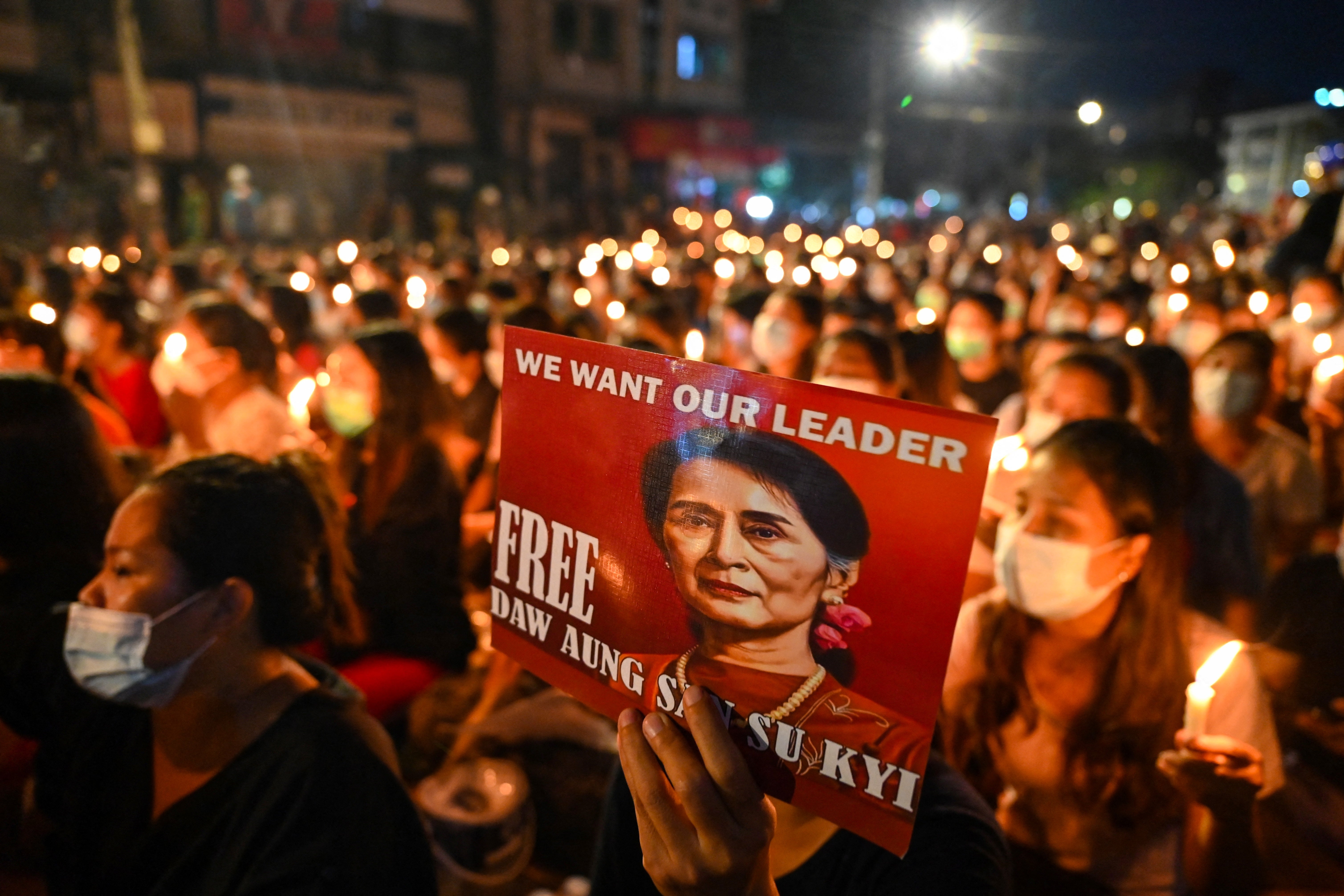
As the country’s preeminent leader, Min Aung Hlaing now occupies the position once effectively held by Suu Kyi, whose government he overthrew in February 2021 and who remains in prison without access to family or counsel. Her journey is documented in a film released by The Independent entitled Cancelled: The rise and fall of Aung San Su Kyi.
Min Aung Hlaing now enjoys total control over a country battered by civil war, sanctions, natural disasters, and wider geopolitical shocks like the energy crisis caused by the US-Israeli war on Iran.
Since the coup five years ago, Myanmar has been gripped by a deadly civil conflict as ethnic militias and a loose alliance of pro-democracy groups, known as the People’s Defence Forces, have waged a war against the junta.
Min Aung Hlaing served as the commander-in-chief of the Tatmadaw for nearly a decade before the coup, earning a reputation for ruthlessness in suppressing dissent, including the brutal military campaigns against the Rohingya that triggered their mass exodus from Rakhine State.
For the Rohingya, who have borne the brunt of the military’s campaigns of expulsion and cultural erasure, the situation remains bleak. Analysts warn that Min Aung Hlaing’s assumption of the presidency signals no immediate prospect of either accountability or reform. Instead, it risks entrenching impunity behind a civilian façade.
Tun Khin, president of the Burmese Rohingya Organisation UK, says Min Aung Hlaing’s presidency is a serious concern internationally due to the allegations of genocide, crimes against humanity, and war crimes.
“I am very worried about what will happen to the Rohingya in the future because he has deep hatred against the community. He’s the architect of all this. Instead of repatriation of Rohingyas, we want to see him behind bars. I don’t expect anything from this criminal,” he tells The Independent.
The state machinery that drove village burnings, systemic persecution and mass displacement of the Rohingya, he argues, has not been dismantled but has merely changed form.
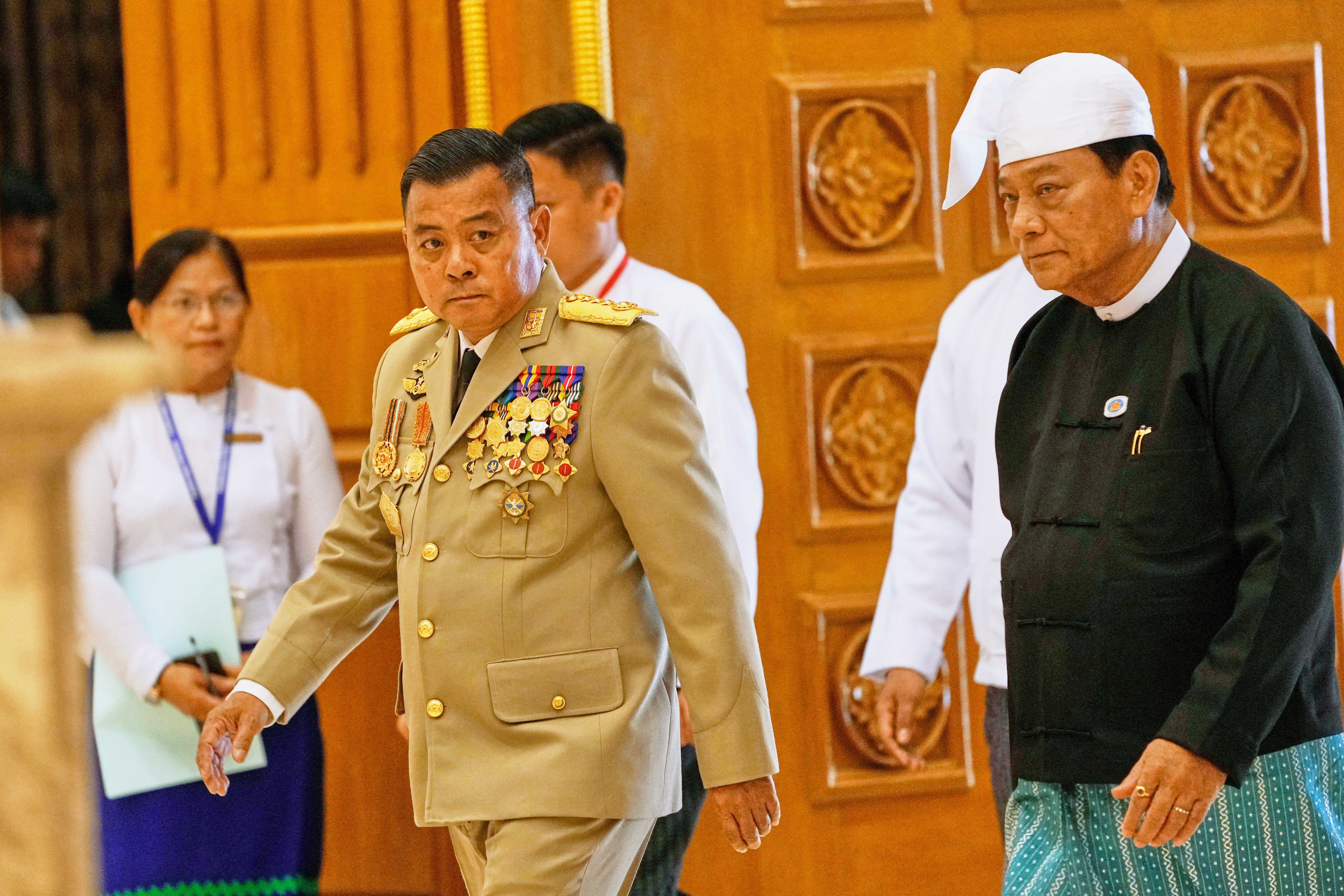
To assume the presidency, Min Aung Hlaing had to step down as commander-in-chief as mandated by the new constitution drafted by the military. He has installed a close ally, General Ye Win Oo, as his successor.
The new commander was formerly the spy agency chief who allegedly orchestrated the detention of Suu Kyi and oversaw interrogation centres where political prisoners were reportedly tortured.
Marston notes that Ye Win Oo stands out for his loyalty to Min Aung Hlaing, family connections, and deep roots in military intelligence.
“Ye Win Oo is a product of the military institutional culture in which he rose,” he argues. “Like Min Aung Hlaing, he is trained to regard the military as the sole guarantor of Myanmar’s sovereignty and security, and to see its survival as the number one priority, no matter the cost.”
In the lead-up to Min Aung Hlaing’s inauguration, local reports show, some 70 military officers were transferred to civilian ministries and local development bodies. They now occupy mid-level and senior-level roles, underscoring the regime’s deepening control over state institutions.
Khin Ohmar, chairperson of Progressive Voice, says Min Aung Hlaing’s self-appointment to the presidency, along with the appointment of loyalists – many of whom are internationally sanctioned – sends a clear signal that there is no real transition underway.
“This time, the military has no intention of permitting even limited political openness,” she says. “It is a clear signal that the political system Min Aung Hlaing envisions is one that entrenches and normalises totalitarian military rule.”
She expects the new administration to intensify efforts to gain international legitimacy. A key objective, she says, is reclaiming Myanmar’s seat at the UN and re-engaging with international bodies from which the junta remains largely sidelined.
“Under this post-sham election junta in civilian clothing, Min Aung Hlaing’s administration will ramp up attempts to gain international legitimacy by weaponising human rights as bait and window dressing.”
At his swearing-in ceremony, Min Aung Hlaing said his government would “grant appropriate amnesties to support social reconciliation, justice and peace”.
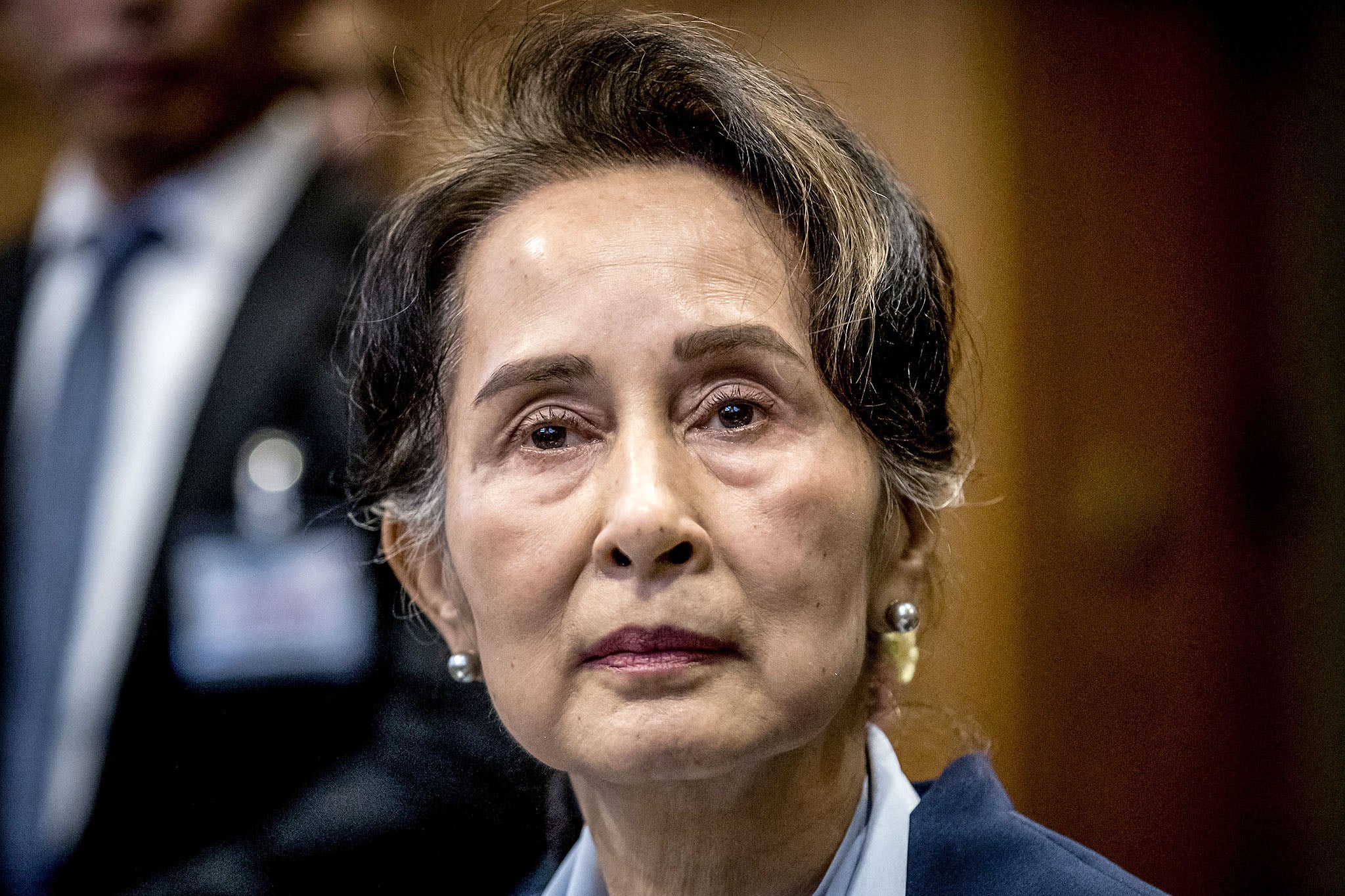
But he made no mention of Suu Kyi, one of at least 14,000 political prisoners still detained. Now 80, she remains incommunicado, serving a 27-year sentence on charges dismissed by Western rights groups as politically motivated.
Marston says when it comes to figures such as Suu Kyi, the administration is likely to use their detention as political leverage.
Her son, Kim Aris, issued a statement calling on world leaders not to recognise what he described as a “ruthless authoritarian regime”, while calling on military authorities to provide immediate proof of life for his mother.
“Min Aung Hlaing and his generals stole power from the people of Burma,” he said. “Now, they attempt to dress up their control as a ‘return to civilian government’. This is not democracy. This is deception.”
Ohmar says Myanmar’s future is further complicated by geopolitics, caught as it’s between powerful regional actors.
“Myanmar is sandwiched between major powers like China and India, which continue to support the military politically and, in some cases, militarily,” she says. “Meanwhile, neighbours like Thailand prioritise business ties with the military and its cronies over the lives and future of the Myanmar people.”
At home, resistance against the military remains entrenched. Quinley, who recently visited conflict-hit areas, says opposition forces are continuing to build alternative governance structures.
“They are building governance structures and waging what they see as a just war, pushing for democratic governance, a federal Myanmar, and a rights-respecting state,” he says.
“So this is not a final nail in the coffin. People are still resisting the illegal regime.”
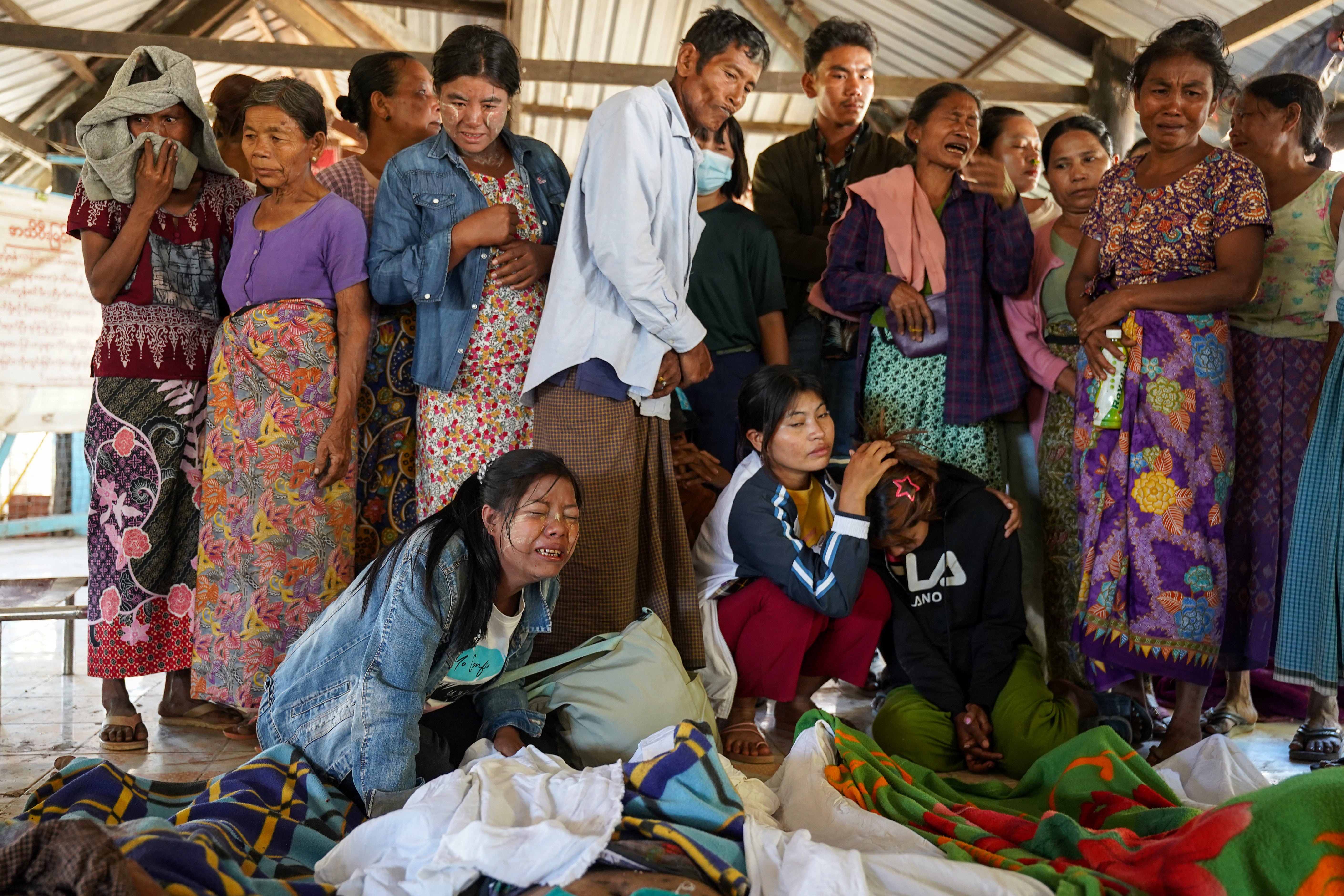
The military, though, has regained some territory as its capabilities have improved in recent months. “They are using airstrikes against civilians,” he says, “and increasingly deploying sophisticated drone attacks, including suicide drones.”