

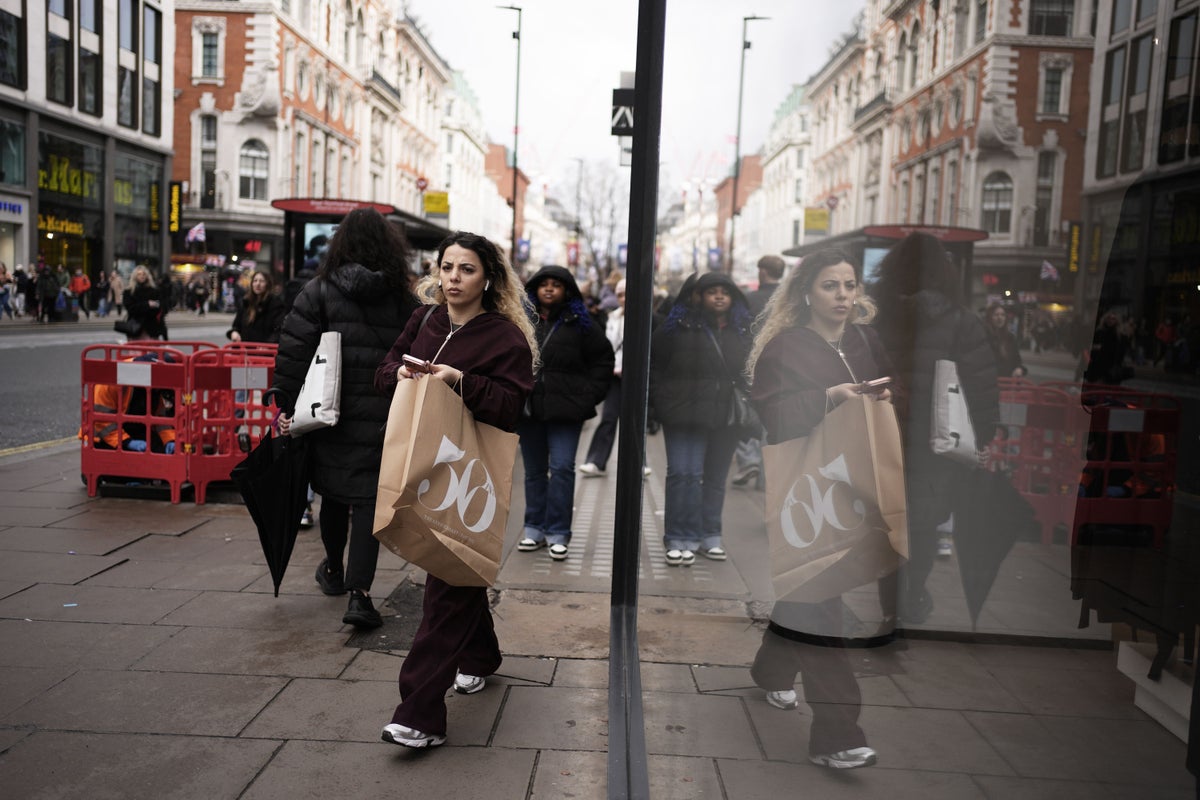
Consumer spending on non-food items remained “tepid” in March as shoppers exercised heightened caution amid ongoing conflict in the Middle East, new figures reveal.
Data from the British Retail Consortium (BRC) and KPMG shows that non-food sales saw a modest 0.9% year-on-year increase last month, falling short of the 12-month average of 1.1%.
This subdued performance was further underscored by online non-food sales, which rose by a mere 0.1%, significantly below the annual average of 1%, indicating a dip in consumer confidence.
While overall UK retail sales climbed by 3.6% compared to a year ago, surpassing the 12-month average of 2.6%, this was largely attributed to an early Easter and inflationary pressures. Food sales experienced an artificial boost, increasing by 6.8%, which skewed the total retail figures.
Demand proved robust for categories such as computers, toys, and homeware. However, the clothing and footwear sectors continued to face challenges. Furthermore, the uncertainty surrounding international travel due to the Middle East situation negatively impacted sales of travel-related goods.
BRC chief executive Helen Dickinson said: “An early Easter provided a much-needed boost to food sales as families came together over the long weekend.
“Retailers hope that the Middle East ceasefire will bring lasting stability, but the outlook remains uncertain.
“Damage to supply chains has already been done, and rising costs – from shipping and fertiliser to insurance and commodities – are piling yet more pressure on to already stretched retailers.
“Government must act decisively and boldly now to curb inflation by delaying domestic policies that would push prices even higher for shoppers.”
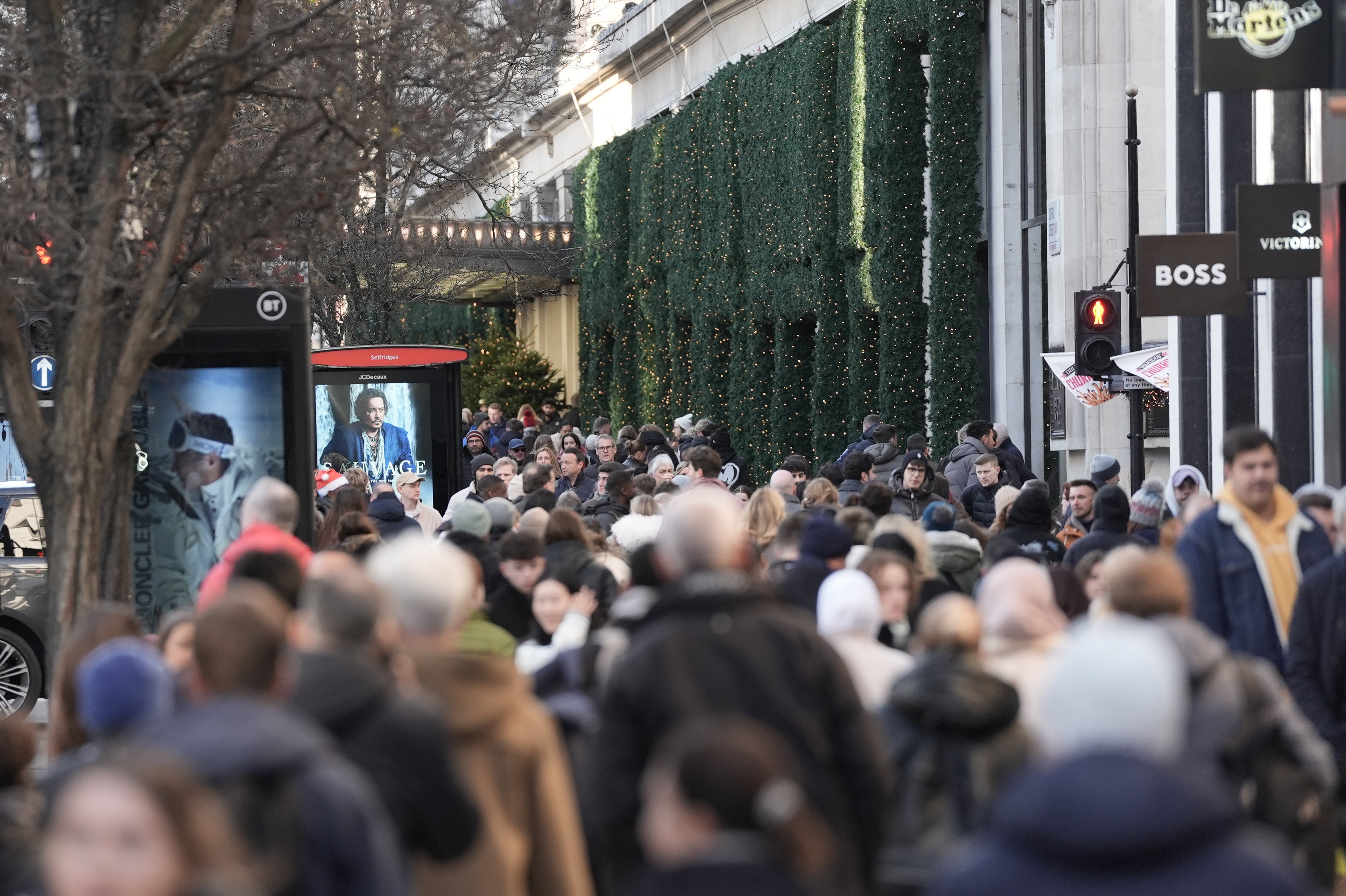
Linda Ellett, UK head of consumer, retail and leisure at KPMG, said: “Food and drink continue to drive monthly retail sales growth, with inflation a key factor.
“Non-food sales growth remains tepid, growing at under 1% so far this year, as consumer spending caution is heightened by the current and potential impact of the Middle East conflict.”
Separate figures from Barclays show travel spending declined by 3.3% in March after five years of growth as trips abroad were delayed or swapped for staycations.
Consumer card spending increased 0.9% year on year, down from February’s 1%, the bank’s data shows.
Essential spending returned to growth – up 0.5% – for the first time since July last year as fuel prices surged, while discretionary spending growth slowed to 1.1%, driven by the decline in travel, for the first time since 2021.
However, a survey for Barclays found overall consumer resilience remained strong, with 71% of UK adults feeling confident in their ability to live within their means each month.
In response to uncertainty around the Middle East conflict, 14% said they were delaying major purchases or financial decisions, while the same proportion were building up a savings buffer in case costs rise.
Some 74% anticipate ongoing tensions will continue to affect the cost of living throughout the rest of the year.
Jack Meaning, chief UK economist at Barclays, said: “Shoppers delaying major purchases and building up a savings buffer in response to the shock from the Middle East reinforces our view that activity will be muted in the coming months.
“With an interest rate decision due in less than three weeks’ time, the Bank of England will need to consider how to balance this softening economy with the inflation already taking effect.
“Our modelling suggests this balance is best struck by holding rates, containing the worst of inflation without unduly squeezing consumers.”
Opinium surveyed 2,000 UK adults between March 27-31.