


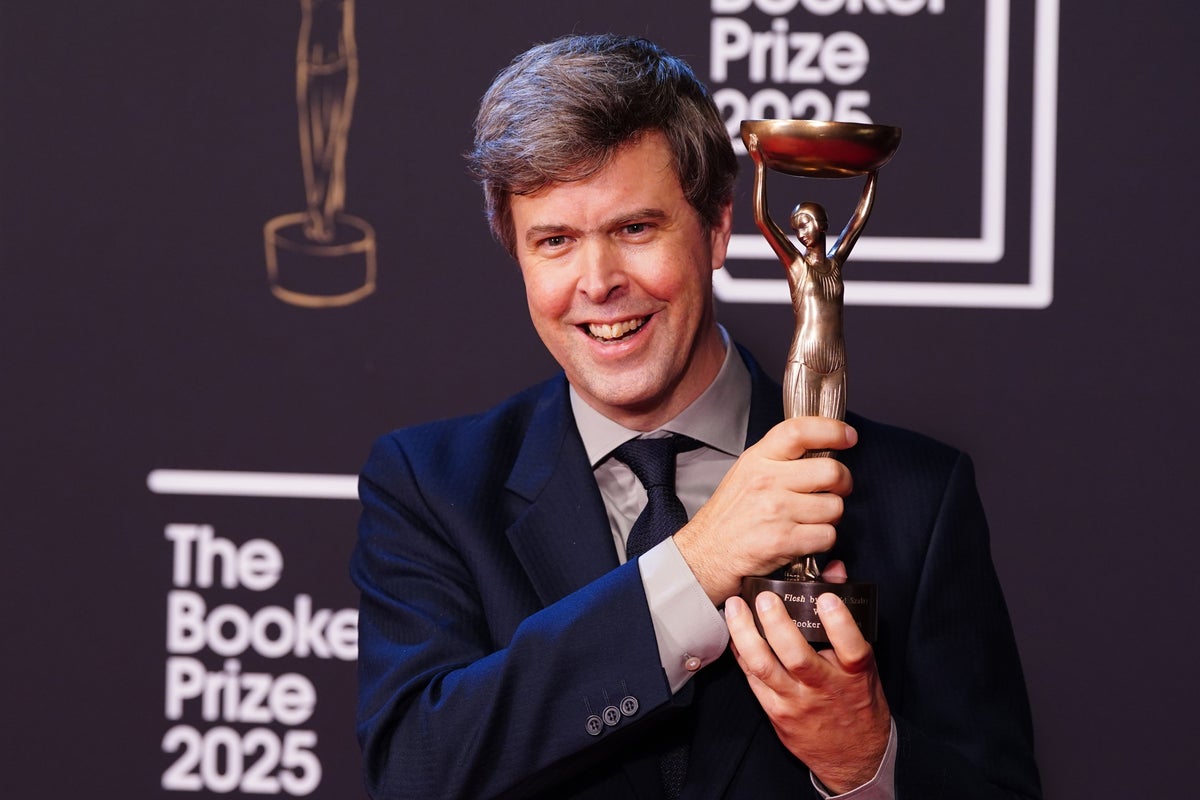
Booker Prize-winning author David Szalay has found himself at the centre of speculation about authorial inspiration and homage, as readers of his novel Flesh have questioned whether a film by Stanley Kubrick inspired the book almost “beat for beat”.
The sixth novel by Canadian-Hungarian writer Szalay, Flesh was released in March 2025. It follows a young working class man called István, who over the course of his life rises up the ranks from poverty at home in Hungary to sitting among London’s elite.
The book, which became a talking point for its sparse prose and 500 repeats of the word “OK”, won the 2025 Booker Prize; at the time, awards chair Roddy Doyle said that the judges had “never read anything quite like it”.
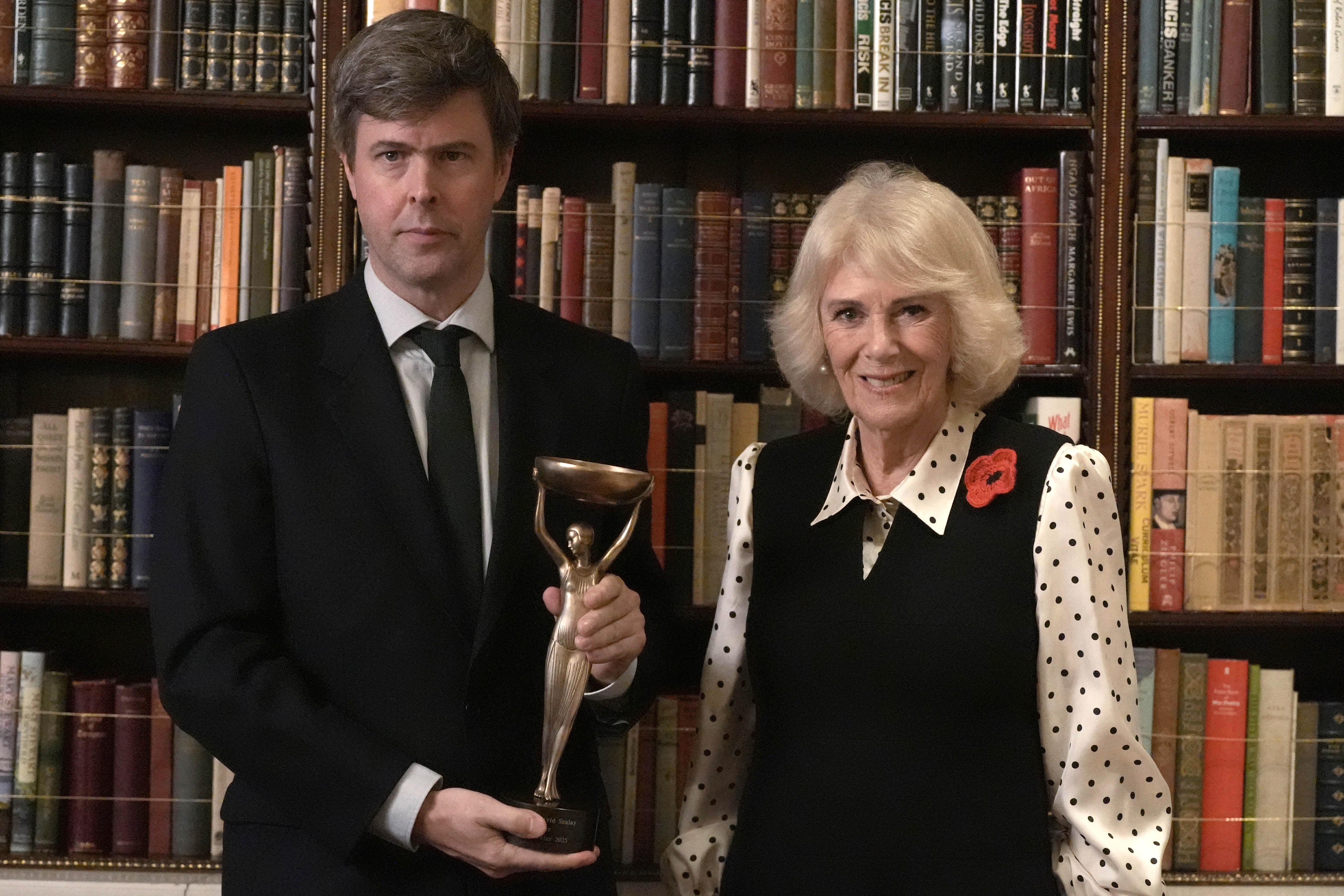
However, a number of critics and readers have noted similarities between Szalay’s book and Kubrick’s 1975 film Barry Lyndon, which itself is adapted from William Makepeace Thackeray’s 1844 novel The Luck of Barry Lyndon.
Barry Lyndon’s eponymous lead comes from Ireland, not Hungary, yet the characters follow near identical trajectories: they enlist in the army, marry wealthy women, grieve their sons and clash with their stepsons, and lose everything they have earned later in their life.
But despite the similarities in the plots, Szalay has not listed Kubrick’s film as an inspiration for the story or writing process. This has led to some readers speculating that Szalay is playing an elaborate game and has included Easter eggs referencing Barry Lyndon in his novel.
In Kubrick’s film, Barry is shown a painting and comments: “I love the use of the colour blue by the artist.” In Flesh, Istvan is taken to the National Gallery and says of a different painting: “I like the use of the colour blue in that one.”
The Independent has contacted Szalay’s representatives for comment.
What critics said at the time
Flesh received rave reviews upon its release, with few critics at the time noting the similarities between Barry Lyndon and Flesh.
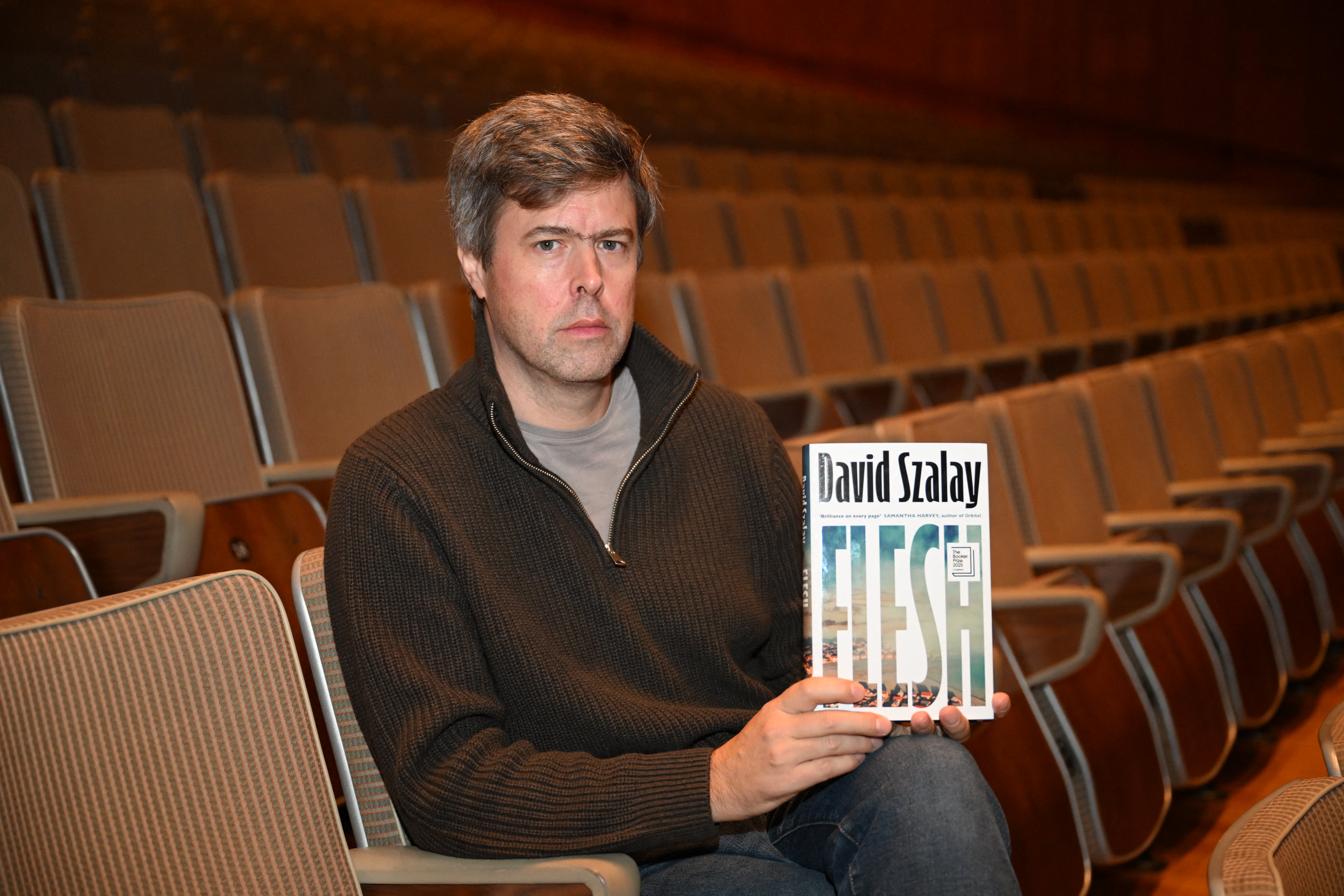
The first reference appears to have been made by Aled Maclean-Jones in June 2025 on the Substack publication The Republic of Letters, where he suggests that Flesh is “quite clearly, a near beat-for-beat mirror – both of the novel and of Kubrick’s film adaptation, to such a level I’d almost call it a retelling”.
In July, The New Statesman published a cultural reexamination of Barry Lyndon, where writer David Sexton argued that the similarities between Flesh and Kubrick’s film was a sign of the story’s “continued potency”.
“Unnoticed by most reviewers and uncommented upon by Szalay himself, Flesh – which is about the picaresque career of its hero István, from Hungary to London, from poverty to riches and back to poverty again – is nothing less than a thorough revision and updating of Barry Lyndon (Kubrick’s movie, not Thackeray’s novel),” he wrote.
Sexton doubled down on his argument in The Standard following Szalay’s Booker Prize win, where he put forward that Flesh was Barry Lyndon “updated, relocated, re-imagined, but the same”.
“There is nothing remotely wrong about it. It’s not plagiarism. Indeed it could be considered a vital tribute to a fantastic film,” he wrote.
What Szalay has said
What makes the whole debacle quite so strange is that Szalay has shared his influences for Flesh, but Kubrick’s film hasn’t been one of them.
Appearing on Dua Lipa’s Service95 Book Club podcast, the author listed Hamlet, Virginia Woolf’s Jacob’s Room, Joseph Conrad’s Lord Jim, Michel Houellebecq’s Platform and Katherine Faw’s Ultra Luminous as the five books that had influenced Flesh, with no reference to either Kubrick’s film or Thackeray’s novel.
In an interview with The Observer from November, Lyndon said that he had seen Barry Lyndon when he was 20, and said that “the rags-to-riches arc was an influence”.
Szalay is explicitly asked about the similarities between the texts in a forthcoming episode of BBC Radio 4’s This Cultural Life, where he’s asked if Flesh is a “direct reference” to Barry Lyndon.
“No, I wouldn’t go that far,” Szalay replies, adding that Kubrick’s film “wasn’t really at the front of my mind, I don’t think”. When pressed, he says that he could have been “influenced by it in some way”, but denies that his book was written in homage to the film.