Viktor Orbán had led Hungary through four years of recession and recovery when he chose to unveil his grand plan for an “illiberal democracy” at a cultural event in Romania in 2014.
In his most consequential speech as leader, he argued that the financial crisis of 2008 had exposed holes in the liberal project and that a strong state, no longer bound to obsess over personal freedoms, was Hungary’s future.
“Just because something is not liberal, it still can be a democracy,” he said, prophetically.
Twelve years later and the country he leads has changed profoundly. Orbán, now aged 62, has cast himself as a defender of the country’s cultural identity, imposing some of Europe’s toughest asylum rules and limiting gay rights while offering families generous handouts to reverse falling birth rates.
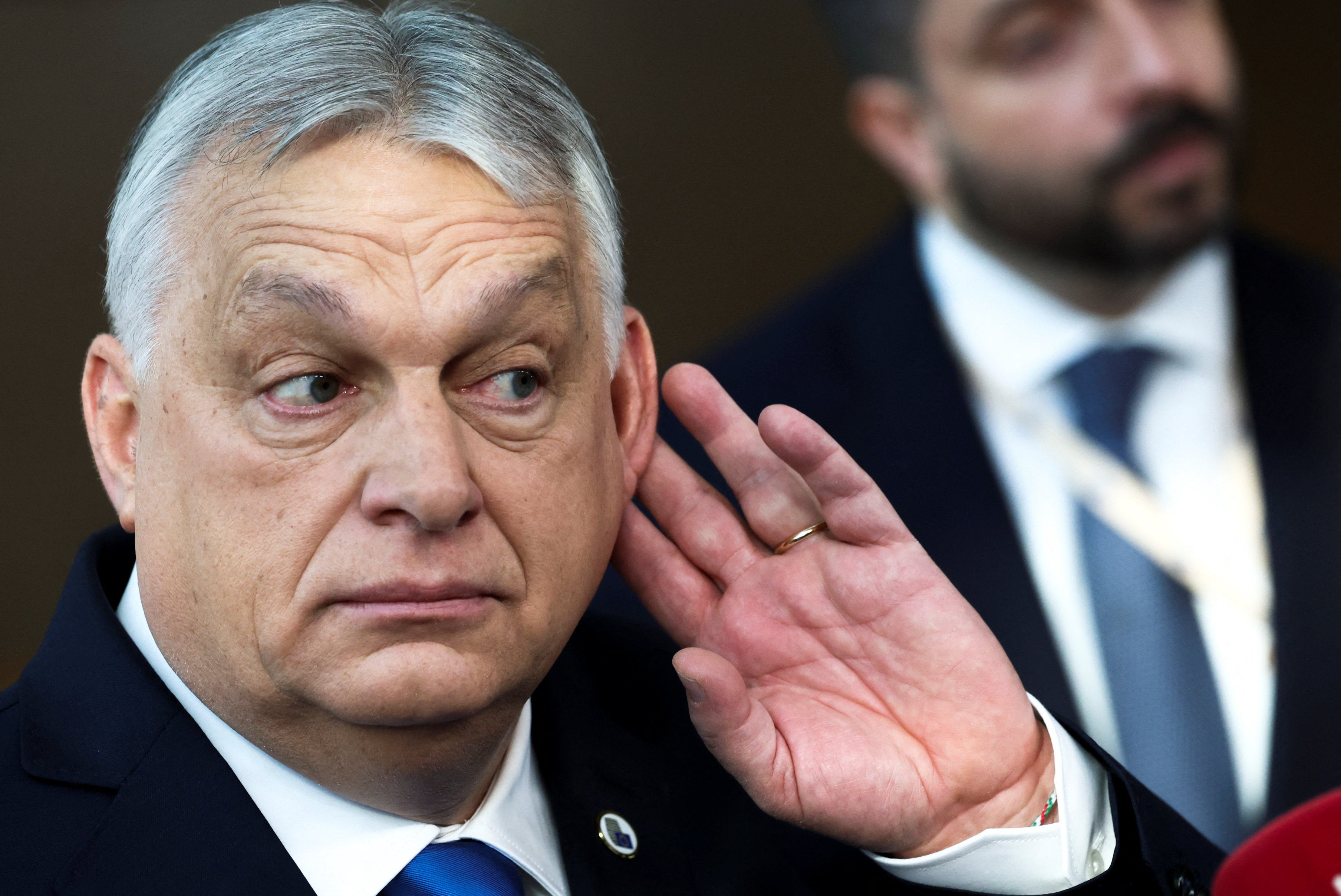
In this he has become Europe’s clearest internal threat to its values of free speech, the rule of law and tolerance.
His system now faces its most stern test yet. Hungary heads to the polls on Sunday for an election in which Orbán is expected to lose.
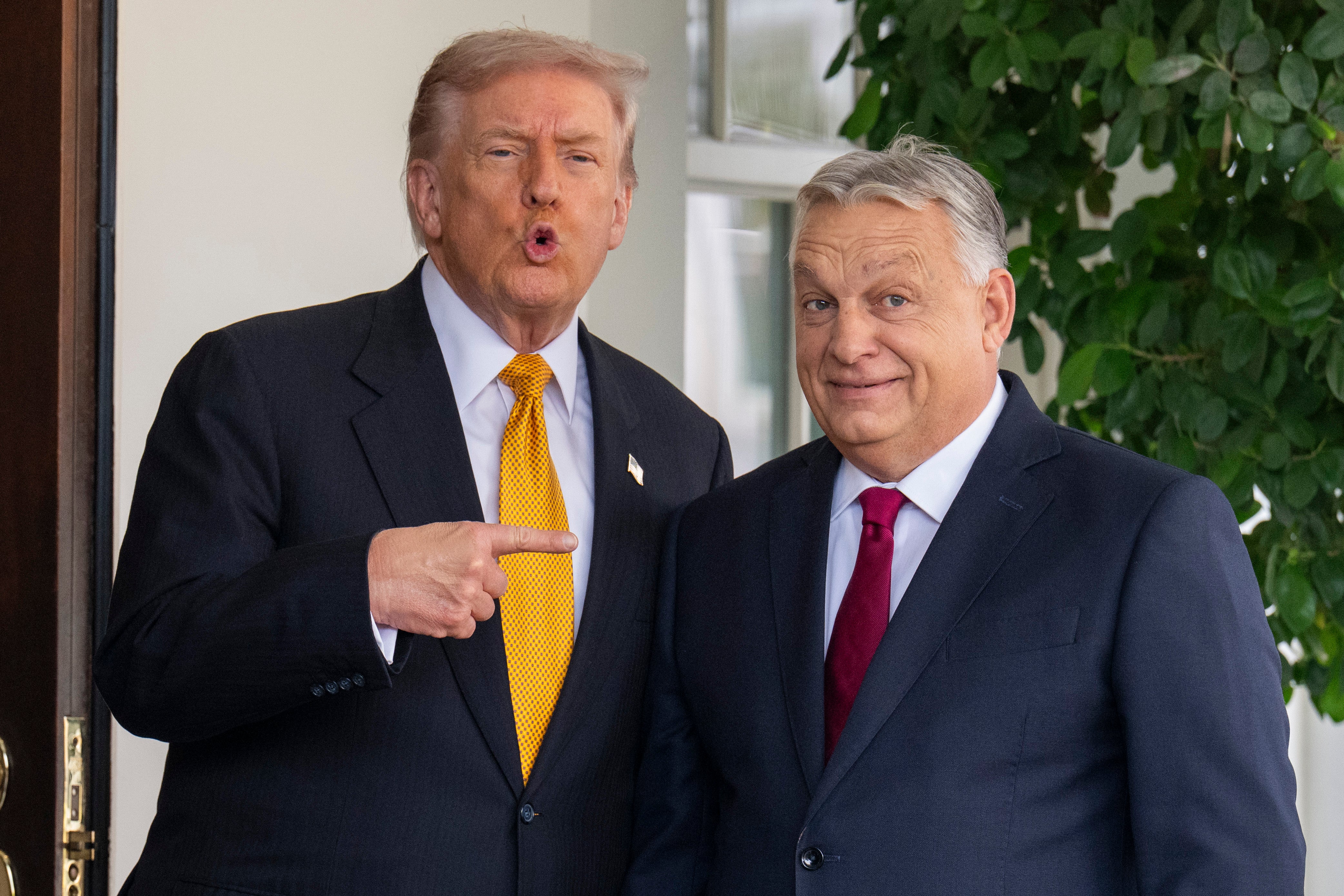
With his tough talk on immigration and emphasis on restoring the “Christian family”, Orbán attracted the backing of Donald Trump.
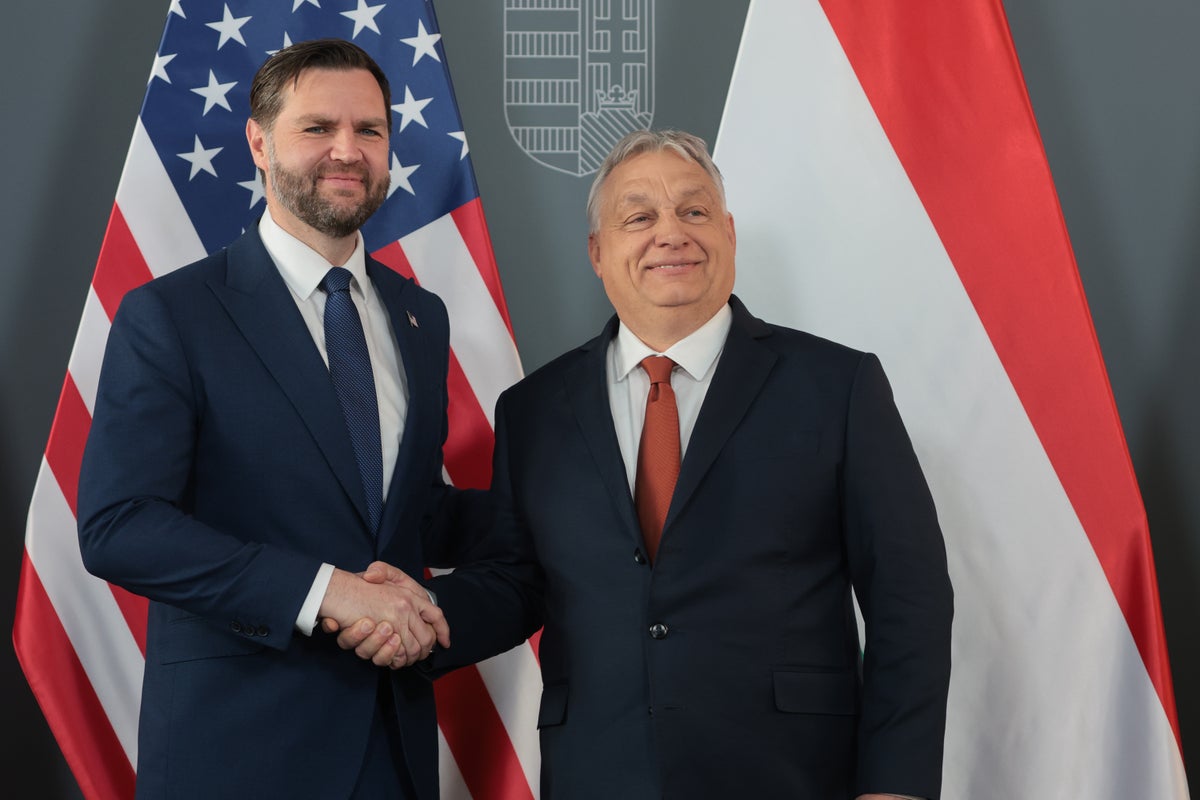
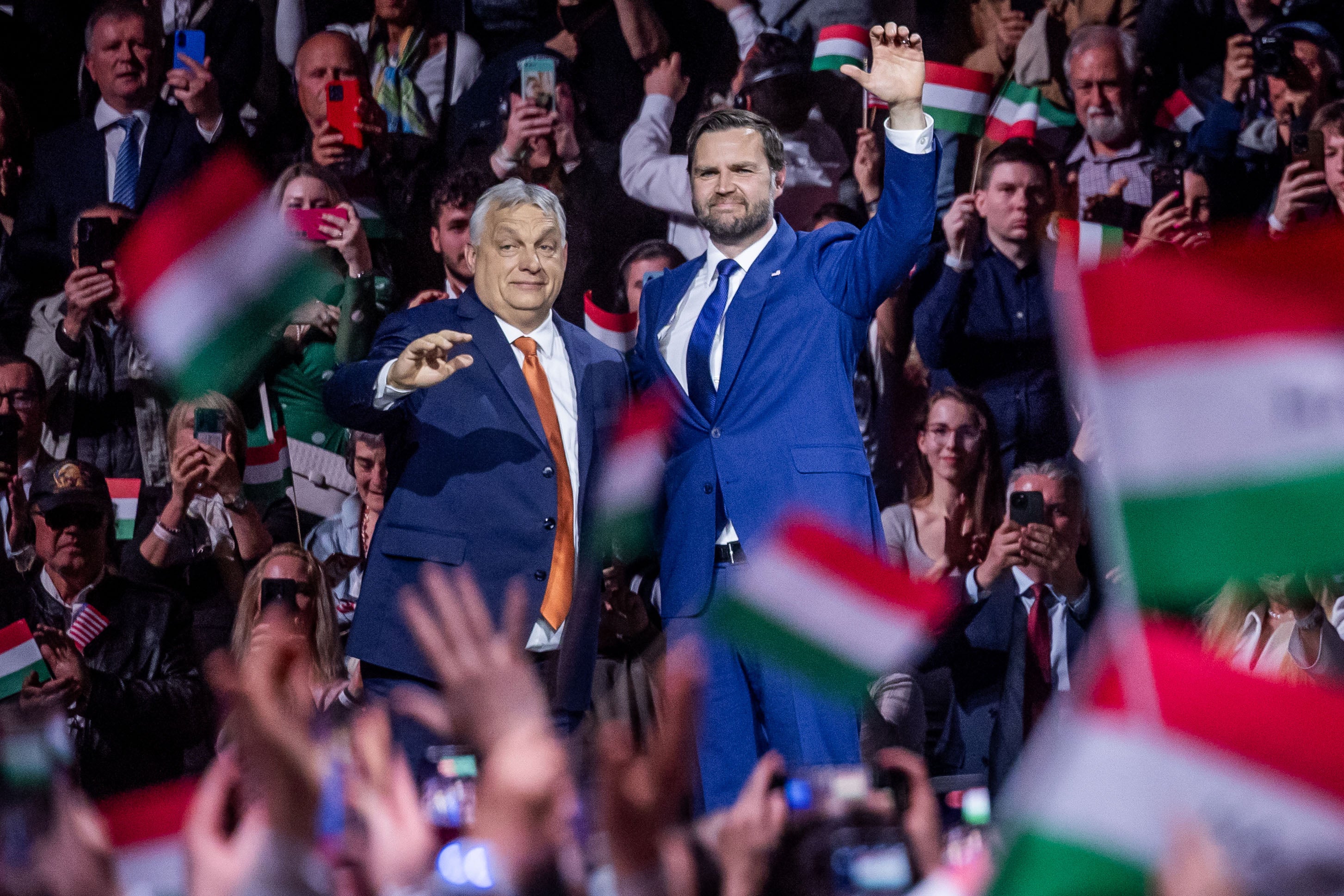
MAGA and Fidesz have since become kindred ideological spirits, with Washington throwing its weight behind Orbán and sending vice president JD Vance to campaign on his behalf this week. Such an intervention in a European election would have been unthinkable in a previous US administration.
But paradoxically, the backing of the world’s most powerful man may have sealed Orbán’s fate, as Trump’s ‘America First’ policies continue to hurt European economies.
Polls carried out after Vance’s high-profile visit this week showed the incumbent leader’s performance drop.
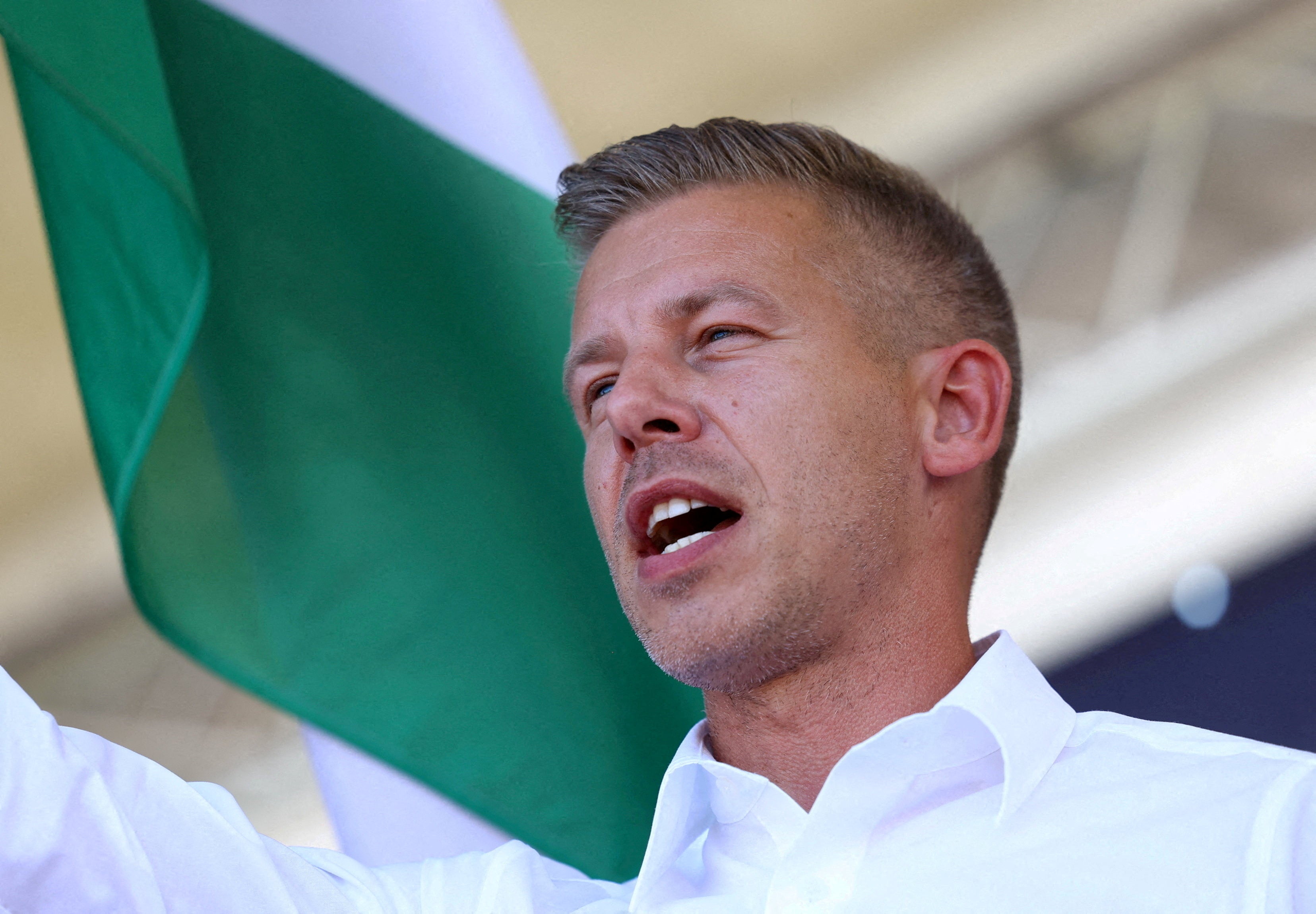
Waiting in the wings is Peter Magyar, a former insider of Orbán’s Fidesz party who emerged as a rival only in 2024.
Magyar earned support by successfully tapping into growing public discontent with years of economic stagnation and corruption.
The 45 year-old says it is “now or never” to reverse the damage wrought by Fidesz. But analysts caution that a victory for his Tisza party is unlikely to see the pendulum immediately swing back to a liberal democracy.
Orbán’s popularity suffers due to faltering economy
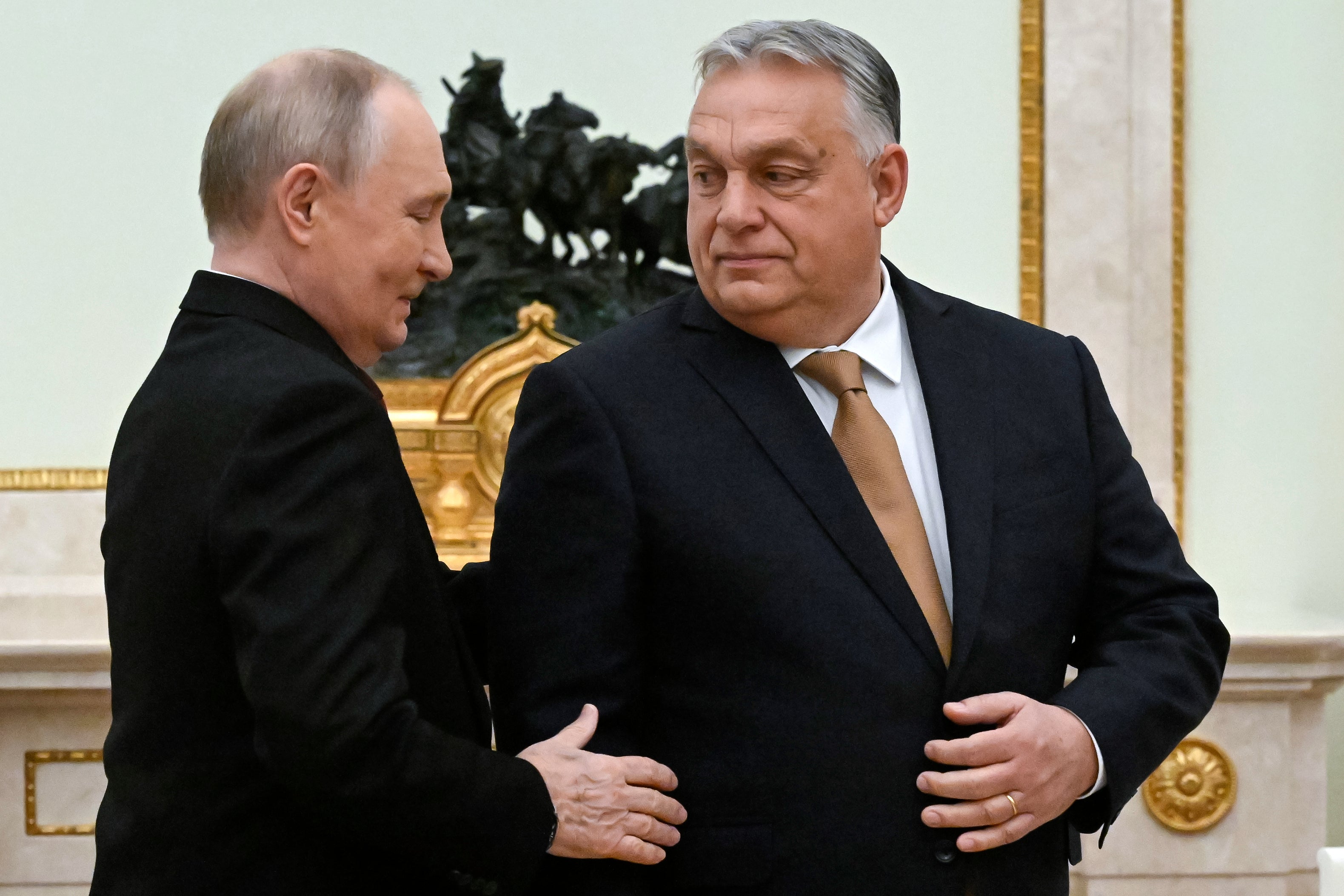
Orbán has spent the last few months attempting to discredit his opponents, while laying on the strength of relations with the Trump and Vladimir Putin under his leadership. Few leaders can boast to have the support of both in 2026.
Analysts say their backing may no longer be enough. Despite being a high-income and industrialised economy, Hungary still struggles with inflation and spending constraints tied to its democratic shortcomings: the EU has withheld roughly €19bn in funding due to concerns over the rule of law and corruption, with the economy suffering.
Éva Fodor, a professor at the Central European University, told The Independent: “Orbán is now trying to turn on the heat, but they don’t seem to have any new ideas.”
“Before every election, they had a different kind of enemy: immigrants, George Soros, Brussels, and the gender lobby.
“But now they don’t seem to have a new enemy that they can construct. So they’re just trying to sort of double down on some of these topics.”
Magyar has meanwhile promoted a ‘Hungarian New Deal’, promising massive investment and predictable policy if his centre-right party wins. That would include clamping down on corruption and buying back state assets while investing into a major healthcare reform, housebuilding and modernisation using EU funds.
Magyar in the lead – but what would he change?
Polls will open early on Sunday morning, with preliminary results expected to start appearing from around 8pm. Most voters will cast one vote for a candidate in their constituency and another for a nationwide party list.
Around 95 per cent of both votes are expected to be processed on election night. The National Election Office will also have to aggregate ballots cast from abroad, meaning in a tight race it could be another week before there is a definitive outcome.
The polls suggest a lead for Magyar, whose party had the support of 52 per cent of decided voters going into the election, according to a poll conducted by Publicus Institute. Some 39 per cent of decided voters backed Orbán’s Fidesz.
Still, the election is far from a closed contest. Around one in five voters are undecided, and historical gerrymandering and a high proportion of ethnic Hungarians supportive of Fidesz casting their vote in neighbouring countries could cause an upset.
Critics have also warned of the potential for vote manipulation.
Orbán lays traps for successor
Dr Jonathan Eyal, Associate Director at the Royal United Services Institute (RUSI), warned against expecting too much from a victorious Magyar at first.
He told The Independent that, if he wins, the main task will be to topple the existing structure in the face of fierce resistance. The government has spent years developing quasi-government bodies “deliberately created to interfere with the functioning of a new government”, he said.
A victorious Tisza would face “guerilla warfare” in the form of disobedience campaigns in the countryside and blockages in parliament. Orbán will have already committed spending to communities, constraining the next leader or forcing him to abandon Fidesz’s promises.
“Orban has waged two campaigns,” he explained. “One was a very direct frontal assault to stop him getting elected. The second one was to plant landmines everywhere to ensure that if he does get elected, he cannot succeed.”
Magyar’s ace card is the claim to the €19bn frozen by the EU. To ensure he succeeds, Europe will have to release some money before Magyar can start enacting policies to show quick achievements before Orbán can unsettle him, Dr Eyal said.
Change of leader is bad news for Russia
Landlocked Hungary is largely dependent on Russian oil and gas, making it a valuable access point for the Kremlin to try to influence support for Ukraine in Europe.
Frustrations with Hungary blocking aid have ballooned into accusations of outright collaboration with Russia, after leaked conversations appeared to show Orbán and his foreign minister Peter Szijjarto pandering to Moscow and undermining efforts to help Ukraine.
One conversation apparently heard Orbán laying on his “friendship” to Putin. He reportedly said: “In any matter where I can be of assistance, I am at your service.”
Dr Eyal said Magyar is likely to remain “suspicious” of Ukraine, citing pre-war disagreements. But he will aim to be “unobstructive” in Europe, crucially allowing a €90bn loan for Ukraine to pass.
Magyar has advocated for “pragmatism” in the conflict, which he says “means that we have no say in Russia’s internal affairs, and they don’t have any say in our affairs. We are both sovereign countries, and we respect each other, but we don’t have to like each other”.
If he wins, he will have to be careful to balance the EU’s demands with the public’s views on Ukraine. Nationwide, just 34 per cent of voters want a new approach to Ukraine, while 32 per cent want a continuation of Fidesz’s reluctance to get involved. Tisza overwhelmingly supports change while Fidesz’s base supports the status quo.
The challenge for Europe will be to avoid liberal purism while Magyar adjusts to a system designed to destroy him, Dr Eyal said. His success would show other countries that the global swing towards autocracy is not inevitable.
“If Orbán was to lose power then I think that this is an important lesson for other countries that you can reverse this trend. Anything that brings him down says that there is nothing inevitable or historic about this wave of far right authoritarianism … but it requires the Europeans not to be too pure about this.”
“There will be corners being cut at the beginning before we end up in the position of a more open society. I think the key idea to remember is to discredit the idea that Orbán stands for the future. He doesn’t. He stands for the past.”